Stay informed with expert insights on testosterone therapy, men's health, and performance optimization.

When it comes to the cost of testosterone replacement therapy (TRT), amounts can vary greatly, mainly because it's about more than the cost of the medication itself, which isn't too high on its own. You need to take other factors into consideration when deciding to invest in TRT, such as your medical professional's fees, lab work costs, prescription management, and any other monitoring and tests you require.
One provider may offer TRT for less than $30/month, while another could charge $1,000 or more (Lewis, 2026). If you're looking at both ends of the spectrum, the most affordable options are typically the generic intramuscular injections, and the most expensive are the pellet implants.
At some clinics, you'll pay low fees for your medication, but then have to pay separately for shipping, consultations, labs, and membership. Then you get clinics that offer an all-inclusive option for a monthly fee. The best option for you depends on your lifestyle, budget, and personal preferences.
So then, how much is TRT? Well, the best way to start figuring that out is by comparing the total cost of care across different providers, including medication, appointments, labs, and ongoing monitoring.
TRT programs are not all the same; different variables affect the total cost, such as the type of testosterone used and how often your healthcare provider monitors you. For example, one man's testosterone replacement therapy could cost him $100/month, and the next man could be paying several hundred dollars a month.
Your type of medication, how you take it, clinic overheads, and lab protocols all come into play.
Testosterone can be delivered in several ways, from transdermal gels, creams, capsules, and nasal gels to long-acting injections and subcutaneous (under the skin) testosterone pellets.
The delivery method is a major driver of TRT pricing – convenience can come at a premium. If methods require specialized manufacturing or involve patented formulations, the price increases. Similarly, if a method requires in-office procedures, the price would increase too.
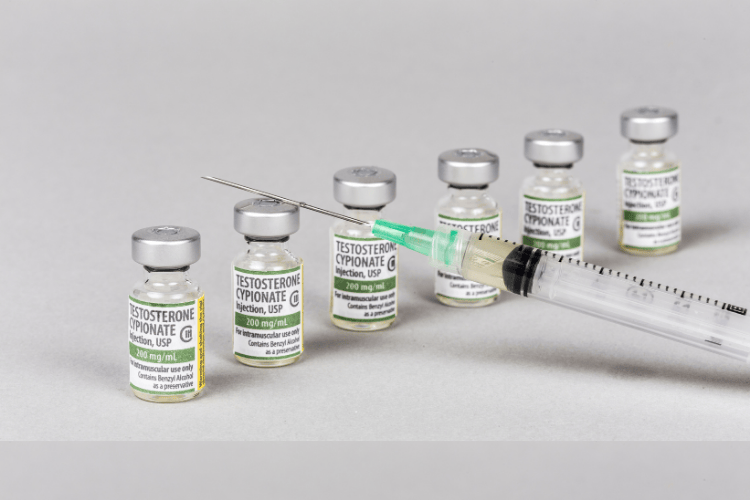
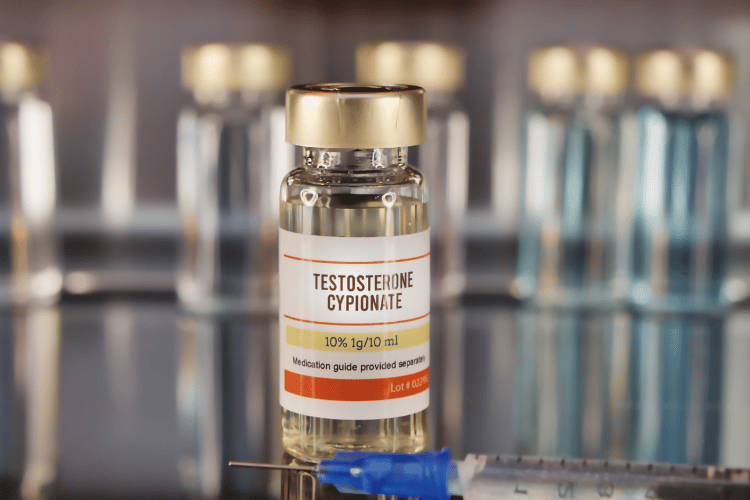
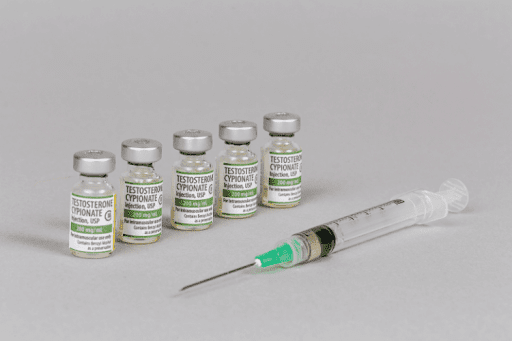
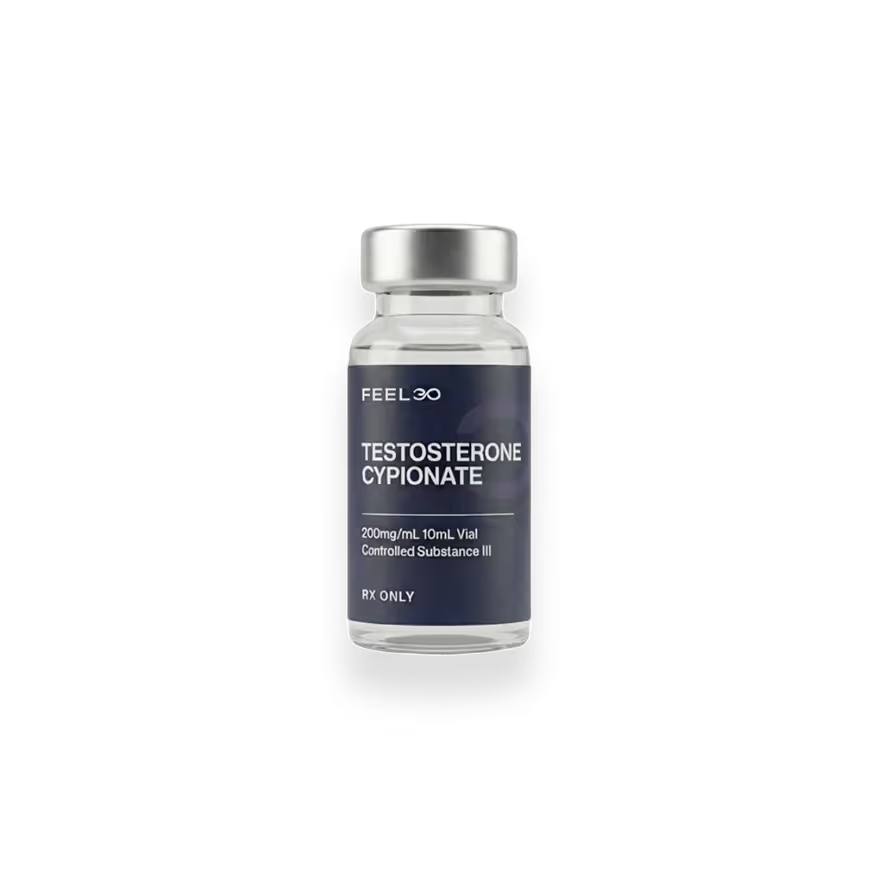
The actual medication is inexpensive, especially in injectable form. The generic testosterone cypionate and testosterone enanthate injections are still the most affordable options, mainly because they've been around for so long and are manufactured by several pharmaceutical companies. Generally, the newer, branded delivery methods cost more.
Check out our Testosterone Cream Vs. Injections comparison.
You can receive TRT treatment via a traditional men's health clinic or through a telehealth provider.
The clinics typically have higher operating costs due to expenses such as staff, administration, and rent, which often reflect in higher costs for patients.
Telehealth providers generally have lower overheads because they offer remote consultations; however, that doesn't always translate into lower fees. Some online clinics bill for membership fees and services that you may expect to be included in your overall cost.
Understanding your overall costs from the get-go will greatly contribute to your satisfaction with your treatment, so make sure you know what you're getting upfront.
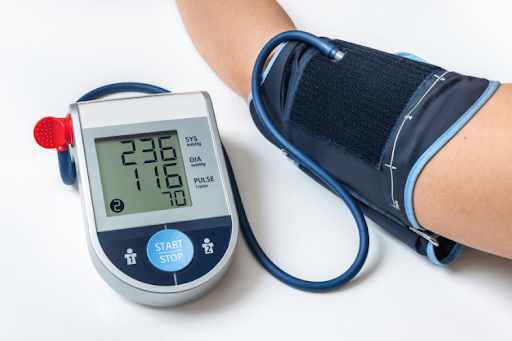
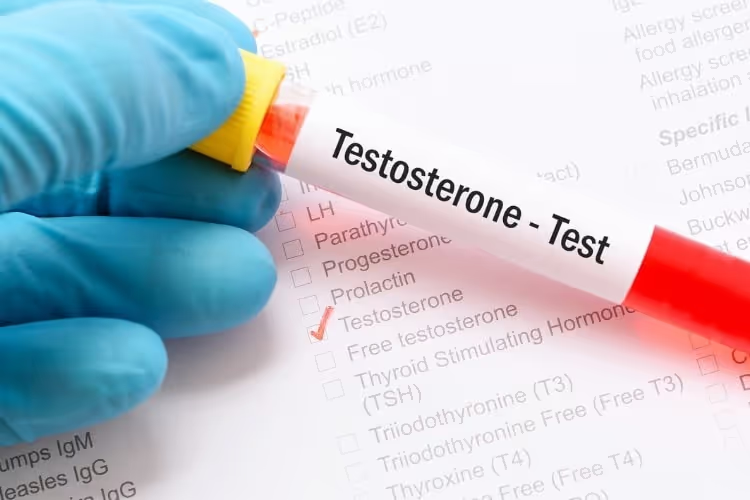
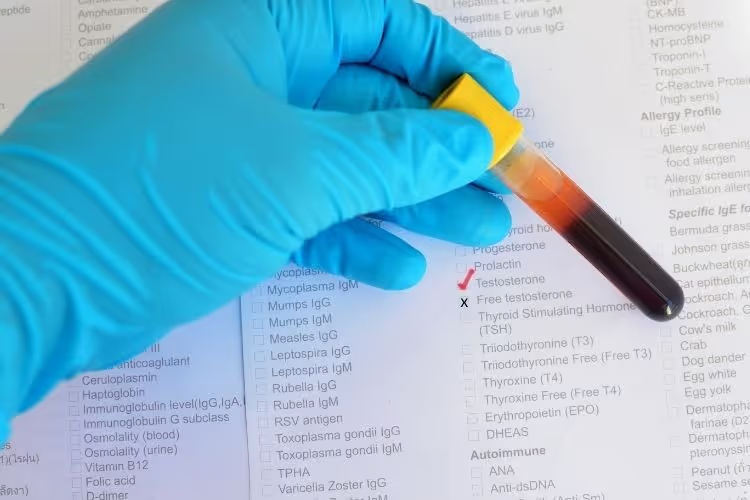
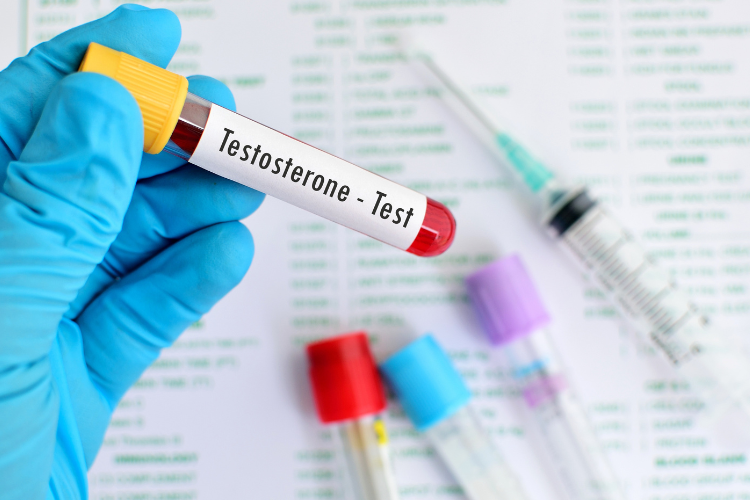
TRT requires consistent routine blood work to manage hormone levels and overall health during treatment. Your labs can include tests for total and free testosterone, prostate-specific antigen (PSA) when necessary, a comprehensive metabolic panel (CMP), estradiol (estrogen hormone), and a complete blood count (CBC), plus other things, depending on your medical history.
Usually, providers will do a baseline test before you start treatment and then periodically thereafter. It's important to note that some clinics include the cost of labs in their total cost of pricing, but others will bill separately every few months, which can make a significant difference to the cost of your TRT.
The most obvious question men want to know is whether their insurance will cover testosterone replacement therapy. The truth is, insurance companies do pay – sometimes, but coverage varies.

Many insurance plans won't (usually) cover TRT if you're only experiencing symptoms such as low motivation, fatigue, or reduced physical performance. They typically require a diagnosis of clinical hypogonadism (low testosterone) from a physician and supporting lab results (Morgentaler et al., 2015).
To get coverage, insurers usually ask for the following:
Even with these symptoms and proof, insurance coverage isn't guaranteed. Some insurance plans require pre-authorization, place limits on where you can fulfill your prescriptions, and restrict which medications they cover.
Some men whose testosterone levels are in the low-normal range may still not meet insurance criteria, even when they have symptoms that affect their quality of life, so many choose to pay for their treatment themselves.
Choosing the private route gives you more flexibility, but there are still considerable price differences to consider depending on the provider, so it's important to do your homework to find the best solution for your lifestyle and budget.
Traditional clinics tend to charge for each stage of treatment separately.
The most common expenses include:
When budgeting and choosing treatment, it's important to also consider time spent commuting, fuel, time off work, and parking fees – a two-hour appointment can cost you much more than the consultation fee.
The online telehealth industry has transformed TRT by making physician-guided hormone optimization available and accessible to everyone, from anywhere.
Virtual consultations mean you don't need to travel for treatment, and scheduling is simple. You can have your prescriptions delivered to your door, speeding up the entire process and saving you time. Unfortunately, not all telehealth companies are created equal. You may find platforms that offer a predictable monthly fee and others that offer extremely low monthly premiums but also have various add-on charges, such as follow-up visits with a physician, memberships, prescription renewals, shipping, lab tests, and supplementary medications.
That's why it's crucial to compare the total cost of your treatment when deciding what provider to go with.
The upfront investment in TRT is the most expensive because extensive testing, review, and planning are required beforehand.
Typically, before treatment starts, patients undergo:
After therapy first begins, patients will have regular follow-up bloodwork done to make sure that their testosterone levels stay within the appropriate range and also to monitor important health markers. If your dose is adjusted, you may need additional reviews with your physician.
Once your treatment protocol has been established and is stabilized, the process becomes much simpler. Most men only require scheduled lab monitoring and follow-up visits at regular intervals. Your medication pricing will become more consistent, your physician will make fewer changes, and as a result, your lab costs, and all costs, will decrease significantly.
Often, the real monthly cost of testosterone replacement therapy is substantially higher than the advertised price. When men are considering testosterone therapy cost, they are often attracted to ads promising TRT for under $30 per month; however, the hard truth is that price likely only covers the cost of the medication.
Testosterone replacement therapy service providers tend to use a deconstructed pricing model, which essentially separates the cost of testosterone from the actual medical care required to prescribe and monitor it, giving men a false sense of the price. For instance, a provider might offer testosterone for less than $30/month, but there will also be a compulsory membership fee to see the physician or for blood work, consultations, shipping, etc.
Transparent TRT programs, such as those offered by concierge models, will explain what's included in your monthly fee so you can make a true cost comparison.
The greatest advantage of the modern concierge model is its transparency in pricing. For example, at Feel30, we offer a simplified, single flat fee incorporating physician access, lab testing, shipping, and medication into one invoice and one monthly payment.
You won't be left wondering if your next consultation will cost extra, or whether shipping and blood draws are going to push you out of your budget. Patients know what to expect, and this predictability reduces unnecessary stress in the treatment process.
Your service provider should prioritize your well-being through consistent, predictable access. You shouldn’t get halfway through your treatment and be wondering if you can afford the next step.
Flat-fee models can make ongoing care more predictable, so patients can spend less time thinking about the cost of each appointment, lab, or prescription and more time focusing on the things that actually support their health, such as:
When pricing and payment are simple and predictable, there’s less time spent navigating the logistics of care and more time to focus on the things that actually support your health.
Ultimately, you need to trust your TRT provider, and transparency is the foundation of that trust.
When deciding on your treatment, consider your budget, your comfort with self-administering treatment, your goals, and your physician's recommendations.
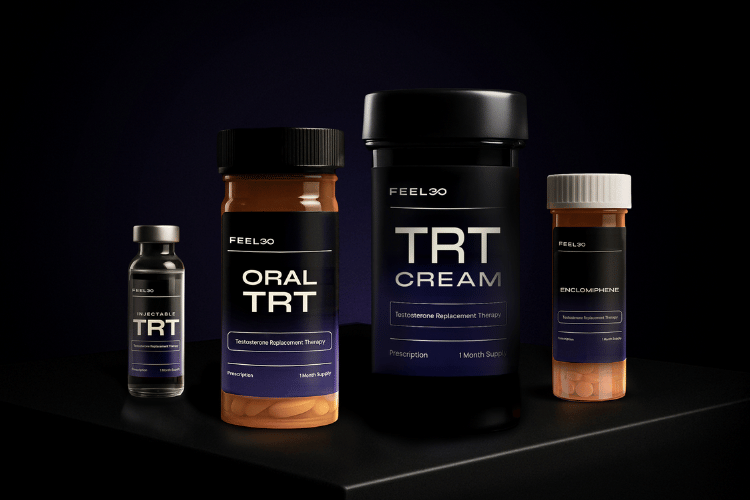
Here's a high-level list of the different methods (Shoskes et al., 2016), ordered from the cheapest to the most expensive; however, a deeper discussion should be had with your healthcare professional when making a decision about which delivery method is best for you.
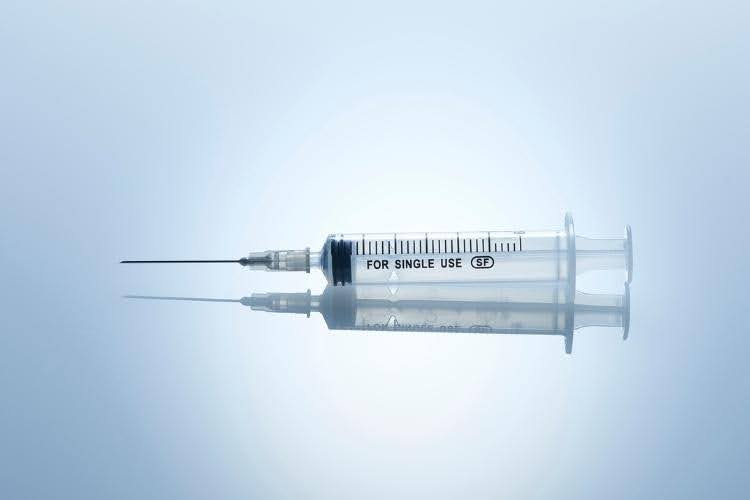
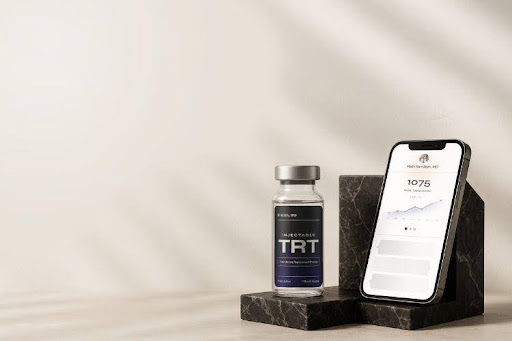
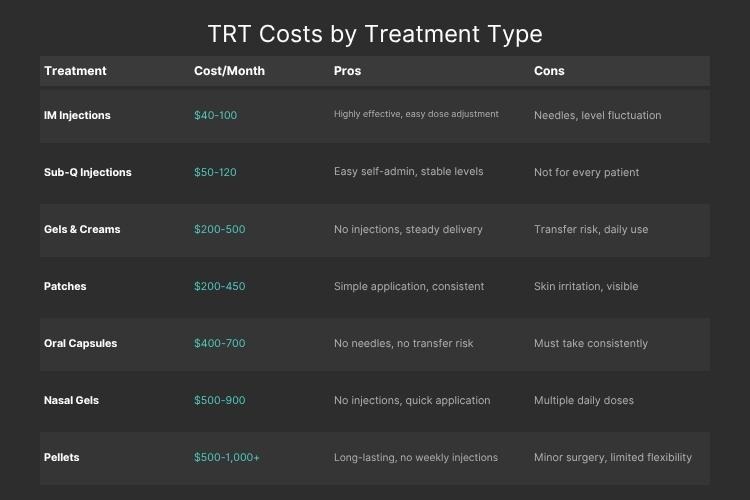
Intramuscular (into the muscle) injections are the standard method for TRT because they are the most affordable and prescribed option. The injections are comprised of generic testosterone cypionate or enanthate, which is why they are more cost-effective. Some men prefer them because you can get predictable results without having to commit to using a cream or gel every day, and you don’t have to worry about skin-to-skin transfer to your partner or child.
Sub-Q (under the skin) injections deposit testosterone directly into the fatty tissue beneath the skin with a small needle. They are also very cost-effective and easy to self-administer. Many men prefer them because even though they have a smaller needle, they have similar benefits to IM injections.
If you don't like needles, transdermal (through the skin) gels or creams applied daily are a good option; however, there's a risk of transfer to pets, children, etc., before the cream has been absorbed.
Testosterone patches need to be applied and replaced daily and can sometimes cause skin irritation.
Modern oral testosterone capsules are a convenient, needle-free alternative without the transfer risk, although they are substantially more expensive than the injectable TRT.
Nasal testosterone gels are also a needle-free option but need to be used multiple times a day, which can become expensive and inconvenient.
Through a minor surgical procedure, subcutaneous pellets are surgically implanted beneath the skin and release testosterone over several months. They're expensive, but convenient, although they can't be adjusted once implanted.
Here's a visual summary of the different methods, but bear in mind that the cost per month can vary:
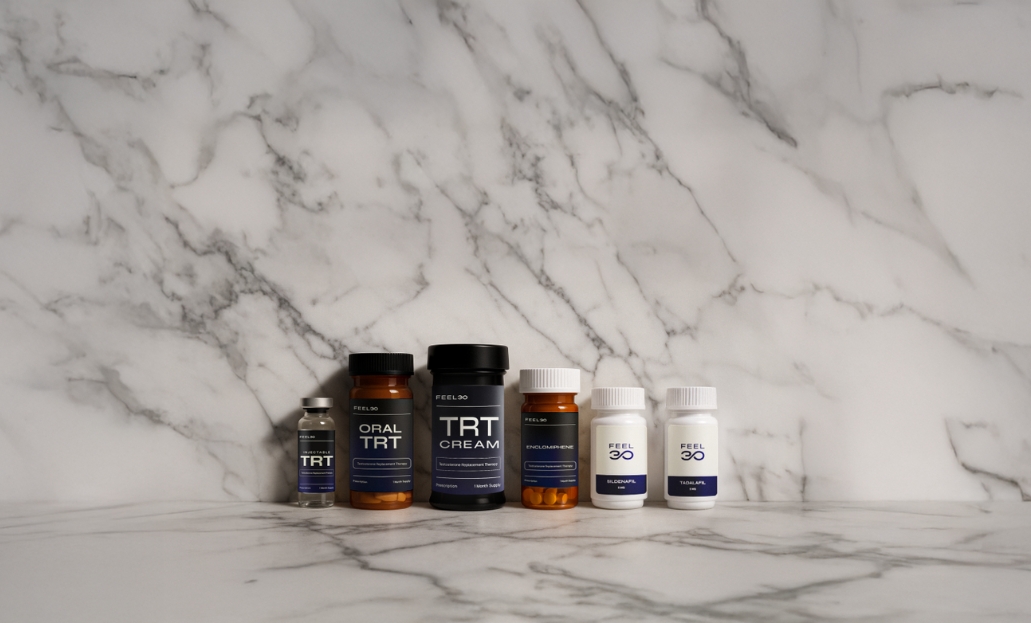
You may require additional medication to supplement your testosterone therapy, which can increase the total cost of treatment. These costs are sometimes included in your treatment plan, but they can also be charged for separately.
These are some of the most common add-ons:
This is a medication that may be given to men who want to maintain their fertility while they are on testosterone replacement therapy. It can reduce testicular shrinkage during treatment (Mulhall et al., 2018).
Anastrozole is an aromatase inhibitor, which, simply put, is a medication used to lower estrogen levels. It is sometimes prescribed to men on TRT when testosterone is converted into elevated estrogen, and they are experiencing water retention and breast tenderness (Basheer et al., 2025). Notably, estrogen plays an important role in men's health, so lowering it too much can also cause problems; anastrozole isn't routinely needed for everyone on TRT.
Enclomiphene is sometimes used as an alternative to TRT to help maintain fertility (Mulhall et al., 2018); it supports the body's natural testosterone and sperm production.
You may not need any of these add-on treatments, but for some men, they are non-negotiable and will therefore add to the total cost of treatment. It's worth checking with your provider if supplementary medications are included in your treatment price.
At Feel30, we offer enclomiphene from the comfort of your own home, with free shipping, at-home nurse visits, and unlimited doctor consults.
Costs vary depending on the treatment method you choose, who your provider is, and what's included in your treatment plan. Testosterone injections can cost between $40 and $150/month, and more premium options like gels and pellets can cost anything between $40 and $1000/month depending on whether you use generic or brand-name options and if your program includes physician oversight, lab panels, provider visits, and ongoing monitoring. Notably, the pellets are placed, on average, every six months (every four months for some men), which is why they are more expensive to buy, but work out comparably as they are used less frequently (Lewis, 2026).
When doing a cost analysis, don't only look at the advertised medication price. Ask whether physician consultations, blood tests, shipping, and follow-up care are billed separately, as these can significantly increase the total cost.
At Feel30, we don’t charge separately for lab work, follow-ups, or shipping. Everything is included in our flat-fee price plans, so you’re not lumped with a surprise bill after you’ve already started treatment.
TRT is not an appropriate solution for everyone, and the pros of taking it should be weighed against the cons under the guidance of a healthcare provider. That said, for men with clinically low total testosterone, TRT can be a worthwhile financial commitment. Research has found that TRT can improve low testosterone symptoms, such as low energy, erectile dysfunction, decreased muscle mass, low mood, and reduced libido in men with chronic testosterone deficiency (Bhasin et al., 2018).
For most men with hypogonadism (low testosterone), TRT is a long-term treatment. If therapy is stopped, testosterone levels will most likely return to their former levels, and symptoms will return. Your testosterone levels should, therefore, be continuously monitored and managed by a healthcare professional.
Intramuscular injections (IM) like testosterone cypionate and testosterone enanthate are the cheapest form of TRT, mostly because they have been around for decades and are widely prescribed.
Yes and no. Your insurance might cover TRT if you have a documented diagnosis of hypogonadism (low testosterone) and you meet your insurance provider's criteria, but there may still be copayments for medications, labs, etc. You also usually need to have blood tests showing consistently low testosterone levels, documented symptoms, and a prescription from a medical professional to get insurance coverage for TRT.
Often, men don't meet these requirements, which is why they go to transparent TRT providers and pay out of pocket.
Prices vary because you're paying for more than just the testosterone medication; you're also paying for the time associated with the management of your care, reviewing medical history, labs, and any side effects. Plus, the type of testosterone you use can affect the price too.
Providers also use different pricing models, with some advertising low medication costs but charging extra for memberships, consultations, and lab work, and others bundling everything into one monthly fee. Comparing the total cost of care, not only the testosterone price, will give you a more accurate idea of what you'll pay in the long run.
The cost of TRT is not just about the cost of testosterone; it depends on a variety of factors, including your preferred treatment method. Injectable testosterone is usually the most affordable, pellets are the most expensive, and each method comes with its own pros and cons.
Feel30's straightforward pricing structure and all-inclusive concierge care help remove the guesswork and give you the confidence and trust you need to invest in TRT.
Whether you choose TRT in-clinic or at-home, your provider, your existing medical conditions, your bloodwork, and overall health all contribute to the total cost of testosterone replacement therapy. As long as you are aware of the hidden fees and monthly add-ons that some providers charge, you can make informed decisions and stick within your budget. Transparency is key, so look for providers that are clear about what they provide. That way, you can focus on what really matters – your health.
Take the first step toward renewed energy and confidence with Feel30’s expert care.




4.9 out of 5 · 2,400+ reviews


Always Tired, Gaining Weight? Low T Was the Real Reason
Is Low T Hurting Your Relationship?
This gaming laptop is a powerhouse, equipped with the latest graphics card and a high-refresh-rate display.
Jane Smith
Feel30 has completely changed the game for me. I feel more energized, focused, and confident like I did years ago.
Emily Johnson
This smartphone offers an exceptional camera experience, with stunning low-light performance and vibrant colors.
John Doe
What are you waiting for?
Take the first step toward renewed energy and confidence with Feel30’s expert care.


Feel 30 again with physician-supervised treatment that restores the energy, confidence, and performance you remember. No hassle or hidden fees.