Stay informed with expert insights on testosterone therapy, men's health, and performance optimization.

You've probably heard that testosterone replacement therapy (TRT) can make you hungry, and if you haven't, just know that this is one of the claims people repeat a lot, and it's also one of the least accurate. In case you've been reaching for more food since you started your therapy, the real reason for this actually lies in the changes happening within your body.
Yes, there's a connection between testosterone and appetite, but it's not in the way that most people assume.
Let's look at that some more.
As we've noted earlier, the claim that TRT increases hunger is way too common. The best way to clarify this and wade through the noise is to look at scientific evidence.
In a 2020 study by Karl et al., researchers gave 50 young men a strict, low-calorie diet, and they observed an increase in ghrelin levels (this is the main hormone that drives hunger) in 26 of the men who took the placebo. They also found that ghrelin did not rise in the 24 who were injected with testosterone. Karl and the other researchers concluded that testosterone appeared to blunt the rise in ghrelin that happened during calorie restriction.
Another year-long clinical trial of 56 weeks by Grossman et al. (2017) in obese men with low testosterone also found no significant changes in the main signals that regulate hunger within your body.
These are notable studies that suggest that TRT doesn’t appear to directly increase appetite through known hunger-regulating hormones. That is, testosterone is not working against your hunger signals; instead, it helps your body steady them.
So, why do some people still report increased hunger while on testosterone replacement therapy?

There are many hormones that regulate appetite, and the following are two of the major ones. The first is ghrelin, which increases in your body when your stomach is empty, and it tells your brain that you're hungry. The second is a hormone called leptin that's released by your fat cells. Unlike ghrelin, leptin now signals your brain and tells you when you've had enough.
The part in your brain that these two hormones signal is your hypothalamus.
So, if testosterone doesn't drive your appetite directly, why do so many men eat more when they start taking it?
If you have low testosterone levels, you may notice changes in your body, such as loss of muscle mass or shifts in body fat and energy.
Once you start testosterone replacement therapy (TRT) and your hormone levels begin to rise, your body will need to adapt to the new environment. The study by Corona et al. (2016) indicates that TRT may increase lean body mass, and it may also reduce fat mass in men with low levels. Since your muscles are metabolically active tissue, this implies that as they grow and as protein synthesis increases, you'll burn slightly more energy, but this will result in only a small increase in appetite.
Even so, some men on testosterone replacement therapy may not report that they feel hungrier, but this will all depend on their eating habits and hunger patterns before starting TRT.
One of the most common symptoms of low testosterone levels is feeling fatigued all the time. Bhasin et al. (2018) confirm this in their study where they identify fatigue, loss of energy, feelings of depression, and a loss of motivation as the hallmark clinical features that may suggest evaluation for low T.
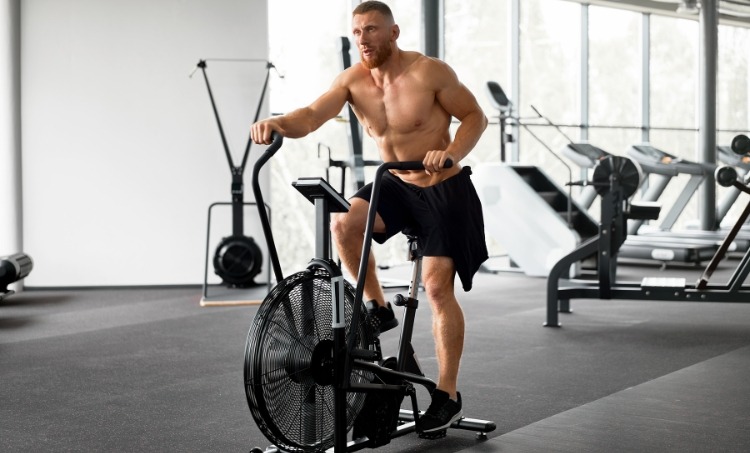
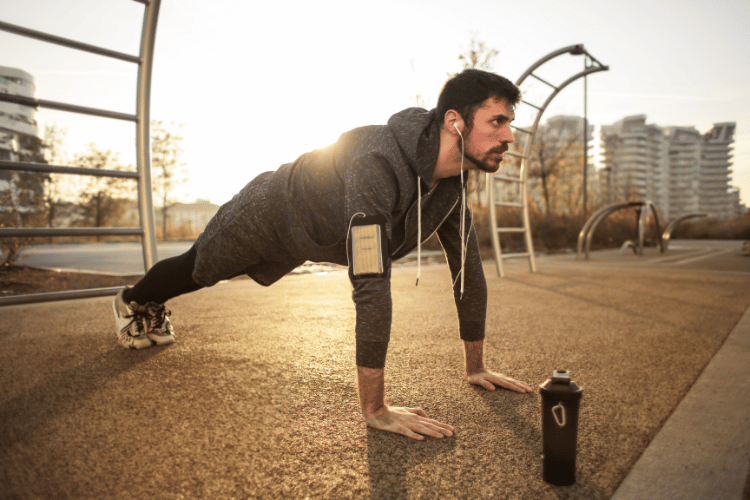
Thus, if TRT improves your levels of energy and symptoms of hypogonadism, you may become more physically active. If you have an exercise routine, you may notice improvements in mood or motivation, and you might even become more consistent at it.
This means you'll be spending more energy than you normally do while you're inactive, and as such, increased physical activity may increase calorie requirements, which can contribute to greater hunger. Also, not everyone who is more active is hungrier.
This is particularly true if you're strength training or exercising more routinely. After all, your body needs more fuel to recover from exercise, and the best part is that regular exercise can help you keep healthy levels of testosterone.
There are some men who eat too little when their testosterone is low, simply because they're unmotivated and completely uninterested in food. Here's how that happens.
The studies by Khera (2013) and Zarrouf et al. (2009) show that low testosterone may lead to depression, fatigue, low metabolic drive, and, more so, anhedonia, which, in simple terms, is loss of interest in basic reward-seeking behaviors. These symptoms may indirectly reduce interest in eating or preparing meals. Learn more about other low testosterone symptoms.
If that's your case, you may notice an increase in your appetite after starting testosterone therapy. This is because TRT may improve your energy, reduce your mood swings, and, as such, normalize your appetite. You may also feel as if you're eating more, when in reality, it's your appetite settling back where it should have been all along.

Now, this is what most people worry about, but keep in mind that when you eat more, it doesn't automatically mean you'll gain fat. Hormones influence your metabolism and body composition, but your diet, activity level, sleep, and other lifestyle factors also play major roles.
Evidence from the meta-analysis by Corona et al. (2016) shows that testosterone shifts your body's composition toward lean mass, especially if you previously had low levels. However, note that this is not a direct remedy for weight loss. So when you see that your body weight is increasing, this could be because muscle is denser than fat. Even if you're gaining weight as you eat more, you might be increasing lean muscle mass, which is making you weigh more.
Interestingly, when you notice a few more pounds in the first weeks, this could also be water rather than fat. Some people experience temporary fluid shifts early in treatment, although this does not occur in everyone.
More importantly, whether you gain weight or not will depend on what you eat and how you train, not on testosterone itself. If you eat more protein and whole foods, and you train consistently, TRT will work in your favor. If you ignore proper nutrition for processed snacks and calories that you don't need, you can gain fat, just like anyone else would. Whether you gain fat, lose fat, or gain muscle depends on many factors, including your diet, activity level, overall health, and the physiological effects of testosterone therapy.
Here are a few habits to help you manage your appetite:
If you want a structured place to start, our guides on natural ways to increase testosterone cover the nutrition and training habits that work well with therapy.
If you're on TRT and you have an appetite that feels genuinely out of control or you're rapidly gaining weight, talk to your provider. They will monitor your levels and adjust your plan so therapy keeps working for you. If you're still deciding whether treatment is right for you, you can ask about starting TRT from home.
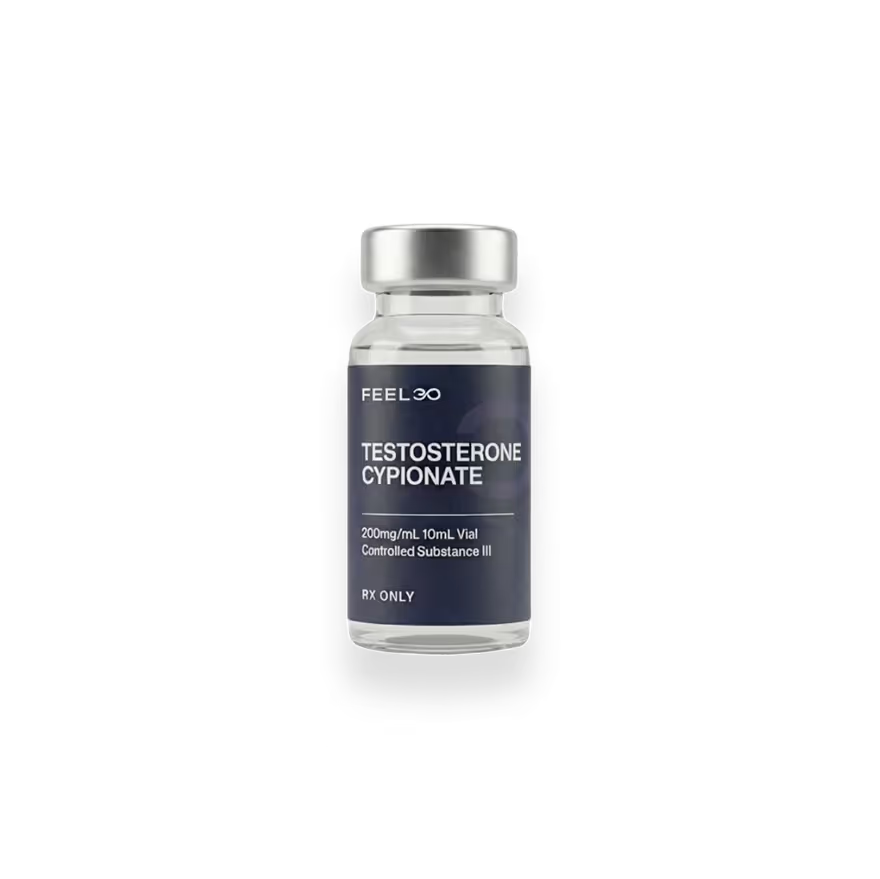
Supports energy, focus, sexual health, and overall wellbeing
Shop NowNo. Appetite changes on testosterone therapy vary a lot from man to man. One person may feel hungrier because they're building muscle and training more, while another will notice no change at all. Current evidence doesn't suggest that TRT consistently increases appetite through the body's major hunger-regulating hormones (Karl et al., 2020). Your response will depend largely on the changes in your activity and body composition.
Everyone experiences changes in appetite, but if you do notice them, they will stabilize over time, although this varies from person to person depending on activity level, body composition, and other factors.
TRT can do either, and that will depend on your habits. Testosterone therapy has been shown to reduce fat mass and increase lean mass in men with low testosterone (Corona et al., 2016), meaning many men lose fat and gain muscle. What you weigh reflects both, so it's a poor measure of progress on its own. Your waist size, fat distribution, how your clothes fit, your energy, and overall health will tell you more.
Low testosterone plays a part. It often brings fatigue, low mood, and low motivation, and you might eat less as a result. If TRT improves symptoms such as fatigue or low mood, some people may notice that their appetite returns to what feels like a more typical baseline.
No. Testosterone therapy prescribed for low testosterone restores your levels to a normal, healthy range under medical supervision. That's very different from the high, supraphysiologic doses (amounts greater than normal found within the body) associated with anabolic steroid misuse, which is not what medically supervised therapy involves. The changes in appetite on properly dosed therapy are modest and manageable.
Current evidence suggests that testosterone replacement therapy (TRT) doesn't directly increase appetite, but it can change your energy needs, as you need to support muscle growth, metabolism, and any activities you engage in. If you have a big appetite after starting testosterone treatment, it may reflect these changes rather than the hormone itself. Eat nutrient-dense foods, lean proteins, whole grains, and a balanced caloric intake for better outcomes.
If you notice a significant or persistent change in appetite, or rapid unexplained weight gain or loss, let your healthcare provider know so they can evaluate whether it's related to your treatment or another medical condition.
Take the first step toward renewed energy and confidence with Feel30’s expert care.



4.9 out of 5 · 2,400+ reviews


Always Tired, Gaining Weight? Low T Was the Real Reason
Is Low T Hurting Your Relationship?
This gaming laptop is a powerhouse, equipped with the latest graphics card and a high-refresh-rate display.
Jane Smith
Feel30 has completely changed the game for me. I feel more energized, focused, and confident like I did years ago.
Emily Johnson
This smartphone offers an exceptional camera experience, with stunning low-light performance and vibrant colors.
John Doe
What are you waiting for?
Take the first step toward renewed energy and confidence with Feel30’s expert care.


Feel 30 again with physician-supervised treatment that restores the energy, confidence, and performance you remember. No hassle or hidden fees.