Stay informed with expert insights on testosterone therapy, men's health, and performance optimization.

Starting testosterone replacement therapy (TRT) can offer benefits to men with low testosterone. TRT may improve your energy, libido, mood, and overall quality of life. For many men, however, self-injections can feel intimidating at first.
It's normal to feel nervous before you administer your first testosterone injection. The good news is that, with guidance from their healthcare provider, most men feel more comfortable with some practice.
If you're wondering how to inject TRT safely, this guide explains what to expect before, during, and after treatment.
Medical Disclaimer: This article is for educational purposes. Only administer testosterone injections if they have been prescribed by a licensed healthcare provider. Always follow the injection technique and treatment protocol provided by your clinician.
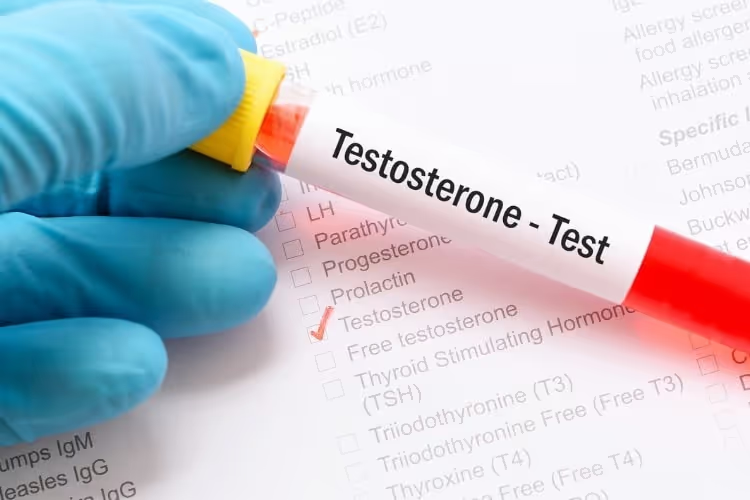
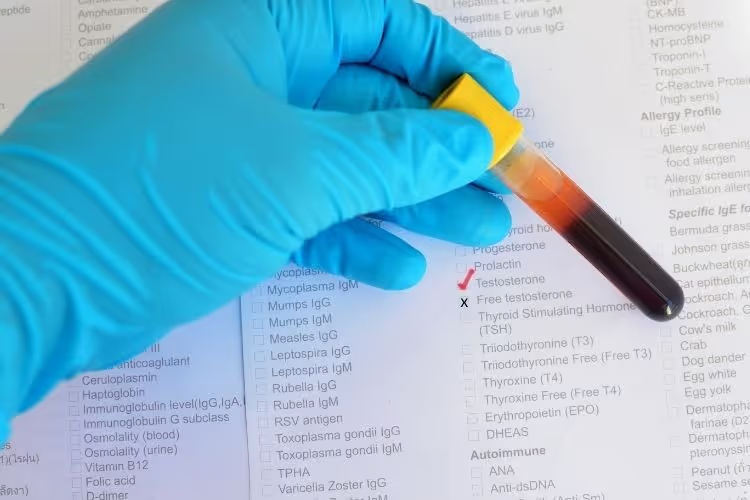
Before starting TRT, your medical provider should confirm low testosterone with the appropriate blood tests. Once you're on TRT, your healthcare provider must monitor testosterone levels, hematocrit, and PSA (when indicated). Learn how providers may manage hematocrit while on TRT if your levels rise.

Many injectable TRT protocols use intramuscular injections, although the prescribed route may vary by formulation and treatment plan. With an intramuscular injection, testosterone is delivered into muscle tissue. Testosterone cypionate and testosterone enanthate are often formulated in oil, creating a depot that the medication can be absorbed from into the bloodstream.
Men inject into the gluteal region because it’s an established site for deep intramuscular injections and may accommodate the prescribed injection volume. However, reliable absorption doesn’t depend on the size of the muscle. It’s influenced by the medication’s formulation, blood flow in the area, correct needle length and depth, and proper injection technique. Patients should use only the injection site and administration method recommended by their healthcare provider.
Medical professionals may recommend different glute injection sites depending on your anatomy and their preferred clinical protocol. The ventrogluteal (hip injection site or side-of-the-hip site) and dorsogluteal (buttock injection site or upper outer buttock) sites are the two main areas men use for intramuscular glute injections. Your clinician will choose the best site for you based on your needs. They will also show you how to find it safely.

If you're using testosterone cypionate, make sure you have stored the vial correctly, and you haven't exceeded the recommended period after opening.
Check the expiry date on the vial. Look for any changes in appearance. If anything seems unusual, contact your healthcare provider before using it.
Gather all of your supplies before you begin. Depending on your prescribed treatment, this may include:
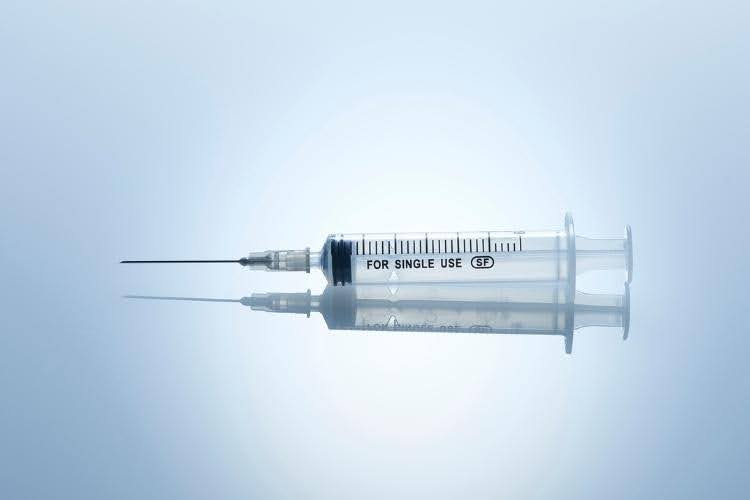
Wash your hands with soap and water for at least 20 seconds before handling any equipment. Keeping a clean environment and using a new sterile needle for every dose reduces your risk of infection.
Your healthcare provider will explain how to prepare your injectable testosterone. This typically starts with cleaning the vial’s rubber top with an alcohol wipe. It also includes drawing air into the syringe before inserting it into the vial.
Next, you'll be told to turn the syringe upside down before drawing the prescribed amount into the syringe. Then, check for air bubbles. Finally, gently push the plunger until any excess air is removed. Your clinician will show you the correct technique to follow.
The needle gauge and length depend on the injection site and the medication’s viscosity. Our guide to testosterone injection needle size explains the factors your provider may consider. Always use the equipment specified by your prescribing clinician.
Quick Safety Checklist

Your healthcare provider will demonstrate the injection technique before you administer testosterone yourself. During your training, they'll explain:
For step-by-step guidance, read our guide on how to inject testosterone. Always follow the injection instructions provided by your healthcare provider, even if they differ from the general information in the guide.
Many people find that injections get easier with practice. Staying relaxed, following a consistent routine, and preparing everything beforehand can help make the experience feel less stressful.
Keep these additional safety points in mind:
You may have mild soreness or tenderness near the injection site. This is more common when you’re new to TRT.
You should monitor the area for signs and side effects that could indicate a problem. Contact your healthcare provider if you experience:
Your provider will recommend a rotation schedule so each injection is given in a new site. Rotating between approved sites on the left and right glute reduces irritation. It limits scar tissue and may make future injections less painful.
Remember to let alcohol dry fully before injecting. Relax the target muscle. Follow your prescribed schedule consistently.
Use a new sterile needle and syringe for each injection. Reusing equipment increases the risk of infection and can make injections more uncomfortable.
Clean hands are one of the simplest and most effective ways to reduce contamination.
Needle size and length should always match your prescribed plan. Don't substitute equipment without speaking to your healthcare provider.
Choosing the right site reduces your risk of striking nerves or veins. Your healthcare provider will teach you how to find the right spot before you self-inject.
Don't dismiss persistent redness, swelling, heat, or drainage as "normal." Prompt medical assessment can prevent more serious complications.
When You Shouldn't Self-Inject
Supports energy, focus, sexual health, and overall wellbeing
Shop NowSome people experience mild discomfort. Many find that injections get easier and less intimidating with experience as they learn the proper technique.
Low T, or testosterone deficiency, happens when the body makes too little testosterone. Low T symptoms include low energy, reduced sex drive, erectile dysfunction, and trouble concentrating. Other side effects include low mood, more body fat, and difficulty building muscle.
A healthcare provider can make a low testosterone diagnosis through a symptom assessment and blood tests. If you're experiencing symptoms but haven't been tested yet, an at-home testosterone test can help you start the diagnostic process before discussing your results with a healthcare provider.
If clinically low testosterone is confirmed, your provider may recommend testosterone replacement therapy (TRT) to help restore healthy hormone levels.
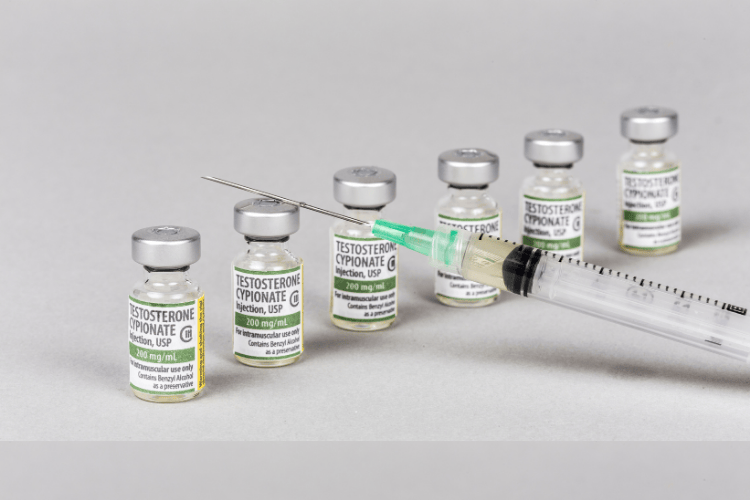
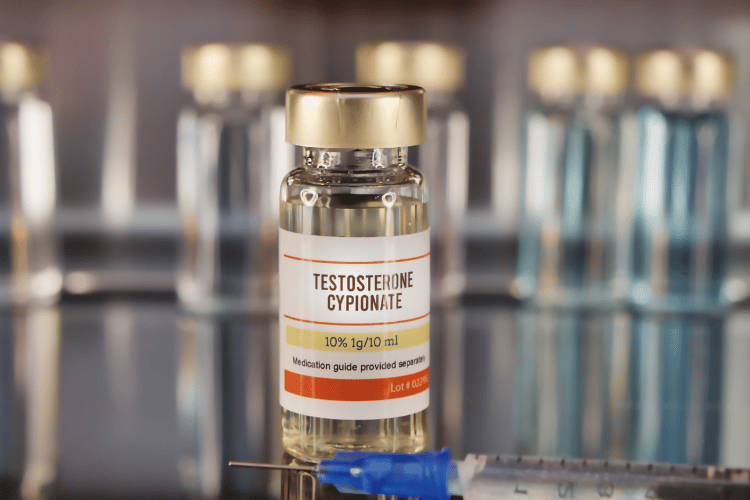
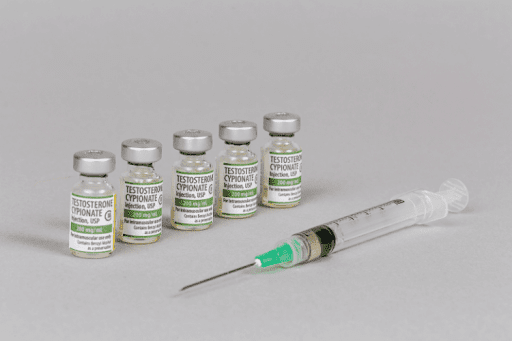
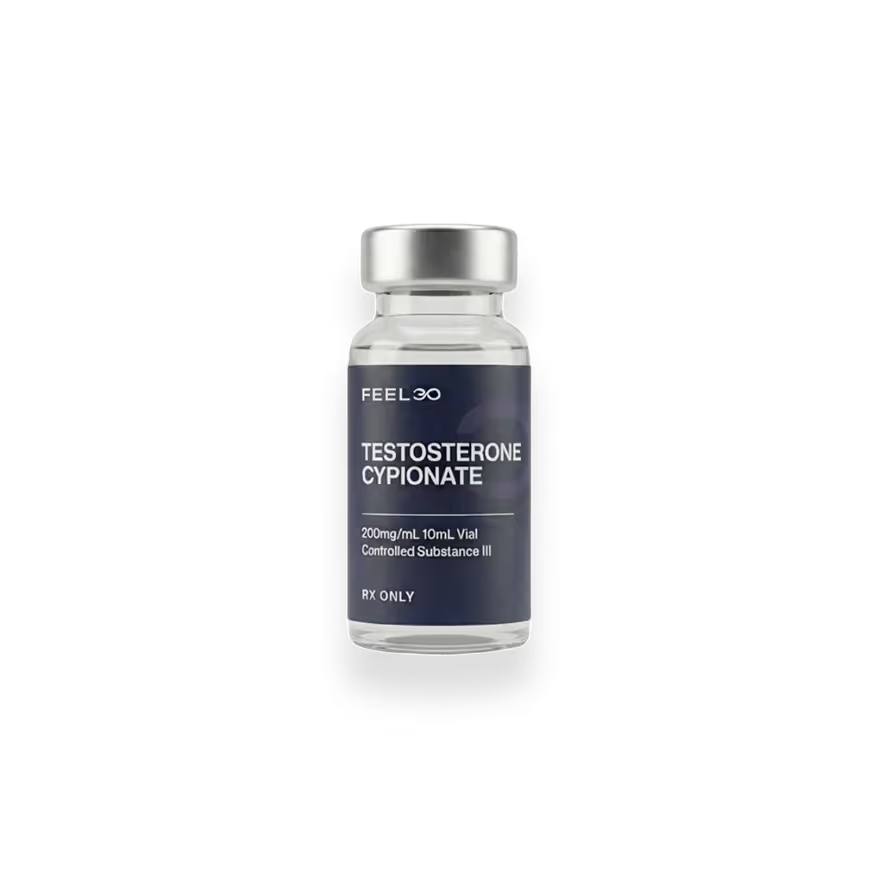
Testosterone cypionate is one of the most commonly prescribed treatments for TRT. It’s an oil-based, injectable form of testosterone.
You inject it into a muscle under a healthcare provider’s guidance. If you've recently been prescribed this medication, you may also find it helpful to learn more about testosterone cypionate dosage and how the schedules are determined by your healthcare provider.
Once you've injected, it releases testosterone to restore healthy hormone levels. When prescribed properly, testosterone cypionate can help improve symptoms of low testosterone. These symptoms include low energy, low sex drive, and mood changes.
Your healthcare provider will show you the appropriate injection site for your treatment. Follow their guidance rather than choosing a location yourself.
Some people use their outer thigh for testosterone injections. Make sure you follow your healthcare provider's advice.
Many TRT protocols use 25G or 27G needles. The right gauge and length depend on your body type. They also depend on the prescribed medication. Because testosterone cypionate is thicker than water-based medications, your provider will recommend equipment.
A small amount of blood after you remove the needle can happen sometimes and isn't always a cause for concern. However, persistent bleeding, severe pain, or increasing swelling should be assessed by your healthcare provider.
Follow your clinician's advice. Some providers recommend gentle pressure with gauze rather than vigorous rubbing, which may increase irritation.
Your healthcare provider will determine the appropriate injection volume for your treatment. Never exceed the prescribed amount.
Many men successfully self-inject testosterone after receiving proper instruction from a qualified healthcare professional. Don’t try the procedure until someone shows you the correct technique.
Contact your prescribing provider for advice. Don't double your next dose unless specifically instructed to do so.
Get medical advice if redness or swelling gets worse after an injection. Also, get help if you have fever, severe pain, or other signs of infection.
Remember to follow your healthcare provider's guidance. Use sterile equipment for each injection. Rotate injection sites and watch for any unusual symptoms.
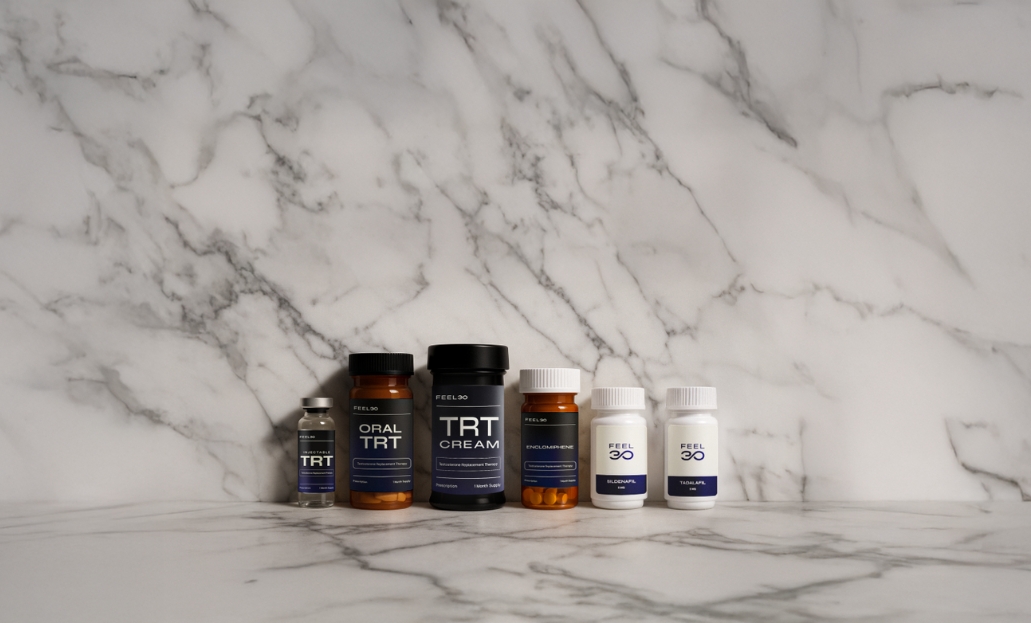
If you've been diagnosed with low testosterone, Feel30 offers doctor-guided TRT. If you have low energy, low libido, or other low T symptoms, we can help. We offer personalized treatment plans with ongoing monitoring and support. Our goal is to help you manage your health confidently while receiving expert care every step of the way.
When you explore treatment options, compare medicines, or learn how to inject TRT in the glute, Feel30 can help. We offer doctor-guided testosterone replacement therapy, ongoing monitoring, and support during your treatment.
Centers for Disease Control and Prevention. (2024, March 26). Preventing unsafe injection practices. https://www.cdc.gov/injection-safety/hcp/clinical-safety/index.html
Coskun, H., Kilic, C., & Senture, C. (2016). The evaluation of dorsogluteal and ventrogluteal injection sites: A cadaver study. Journal of Clinical Nursing, 25(7–8), 1112–1119.
Ernstmeyer, K., & Christman, E. (Eds.). (2023). Nursing skills (2nd ed.). Chippewa Valley Technical College.
Mulhall, J. P., Trost, L. W., Brannigan, R. E., Kurtz, E. G., Redmon, J. B., Chiles, K. A., Lightner, D. J., Miner, M. M., Murad, M. H., Nelson, C. J., Platz, E. A., Ramanathan, L. V., & Lewis, R. W. (2018). Evaluation and management of testosterone deficiency: AUA guideline. The Journal of Urology, 200(2), 423–432. https://doi.org/10.1016/j.juro.2018.03.115
U.S. Food and Drug Administration. (2019, February 6). Best way to get rid of used needles and other sharps.
Take the first step toward renewed energy and confidence with Feel30’s expert care.




4.9 out of 5 · 2,400+ reviews


Always Tired, Gaining Weight? Low T Was the Real Reason
Is Low T Hurting Your Relationship?
This gaming laptop is a powerhouse, equipped with the latest graphics card and a high-refresh-rate display.
Jane Smith
Feel30 has completely changed the game for me. I feel more energized, focused, and confident like I did years ago.
Emily Johnson
This smartphone offers an exceptional camera experience, with stunning low-light performance and vibrant colors.
John Doe
What are you waiting for?
Take the first step toward renewed energy and confidence with Feel30’s expert care.


Feel 30 again with physician-supervised treatment that restores the energy, confidence, and performance you remember. No hassle or hidden fees.