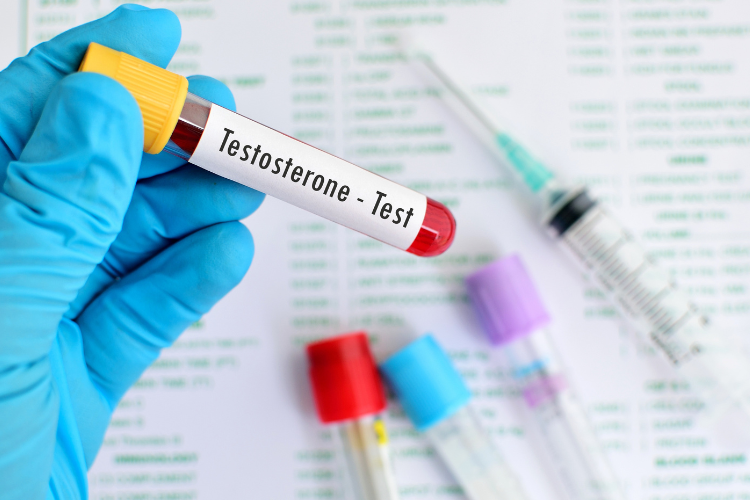
Stay informed with expert insights on testosterone therapy, men's health, and performance optimization.

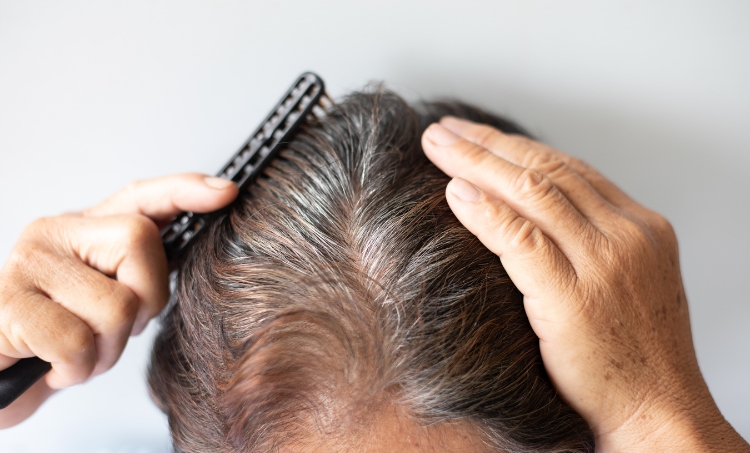
[Photo by Alex Green from Pexels on Canva.]
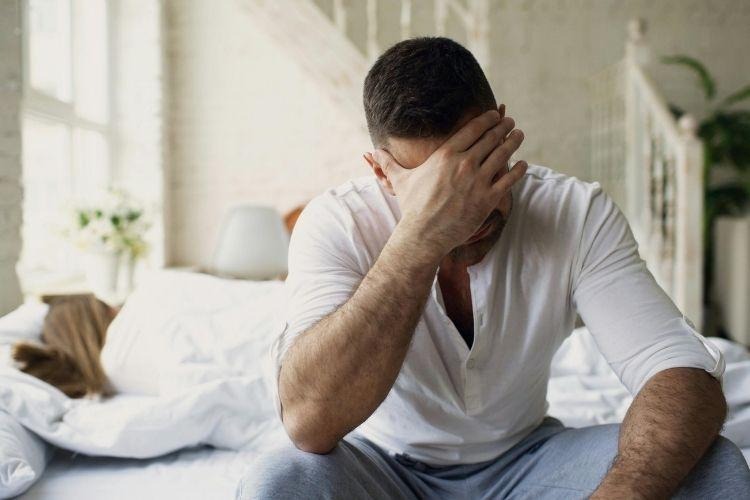
If you're over 30 and feeling edgy, you may have Googled "Does TRT help with anxiety?" You may also see the claim, "testosterone cured my anxiety," often in online forum discussions. That's because lots of men wonder whether low testosterone could be behind their anxiety or other mental health problems.
The current research suggests that testosterone replacement therapy (TRT) may improve sexual function and health-related quality of life in suitably selected men who have confirmed hypogonadism (low T). However, hormone replacement therapy addresses confirmed testosterone deficiency. It doesn't reduce anxiety symptoms (Cruickshank et al., 2024; Khera et al., 2025).
TRT isn't approved to treat generalized anxiety disorder or other primary mental health conditions. FDA-approved testosterone products are for men who have testosterone deficiency that is associated with an underlying medical condition (Szuhany & Simon, 2022; U.S. Food and Drug Administration [FDA], 2025).
[Photo by Vitaly Gariev from Pexels on Canva.]
Testosterone supports reproductive function, bone and muscle health, red blood cell production, mood, and different aspects of cognitive function. Researchers are still studying its impact on emotional processing and stress responses, and these relationships aren't fully understood yet.
When testosterone levels fall below the normal range because of hypogonadism, some men experience physical symptoms. These may include fatigue, reduced muscle mass, reduced sex drive, erectile dysfunction, brain fog, and mood swings (Cruickshank et al., 2024; Khera et al., 2025).
Anxiety symptoms can show up at the same time as testosterone deficiency, but the prevalence differs depending on the population and assessment method (Cruickshank et al., 2024; Szuhany & Simon, 2022). The overlap with anxiety and depression can make it difficult for healthcare providers to diagnose low T based on symptoms.
It's important to know that experiencing anxiety doesn't automatically mean your testosterone is low. And, conversely, having low testosterone doesn't mean it caused anxiety symptoms.
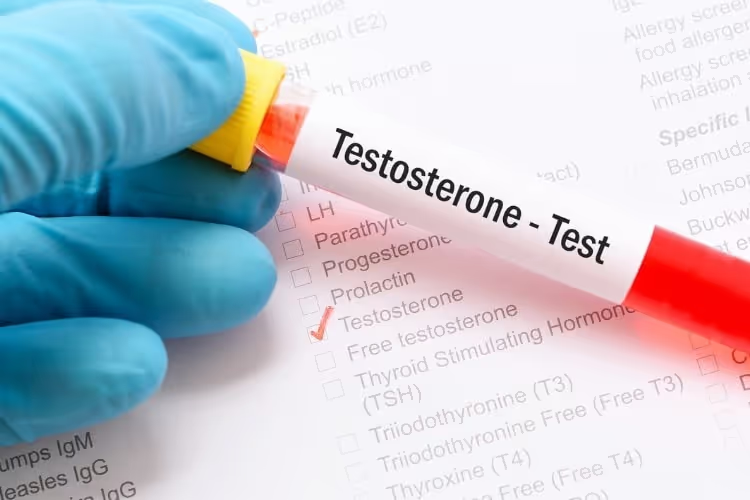
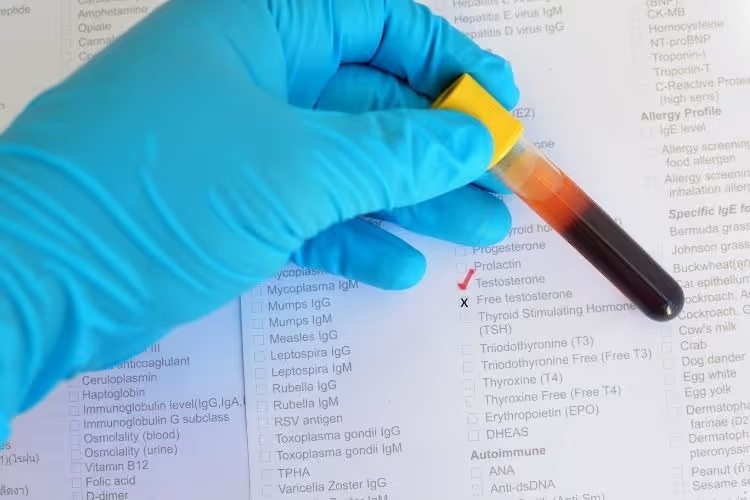
Symptoms of low testosterone can overlap with anxiety and other conditions. That’s why healthcare providers use symptom assessment and blood testing to diagnose testosterone deficiency. The American Urological Association recommends confirming the diagnosis in men who have symptoms consistent with hypogonadism together with two separate morning total testosterone measurements below 300 ng/dL (Khera et al., 2025).
Healthcare providers will check hormone levels along with symptoms and other factors that may affect the body’s response to testosterone. This is done to understand whether the person has a true testosterone deficiency and whether treatment is appropriate.
“Hormonal balance” is a broad phrase. In clinical care, balanced testosterone levels should mean levels that are appropriate for the person’s health, symptoms, laboratory results, and prescribed treatment (European Association of Urology, 2026; Khera et al., 2025).
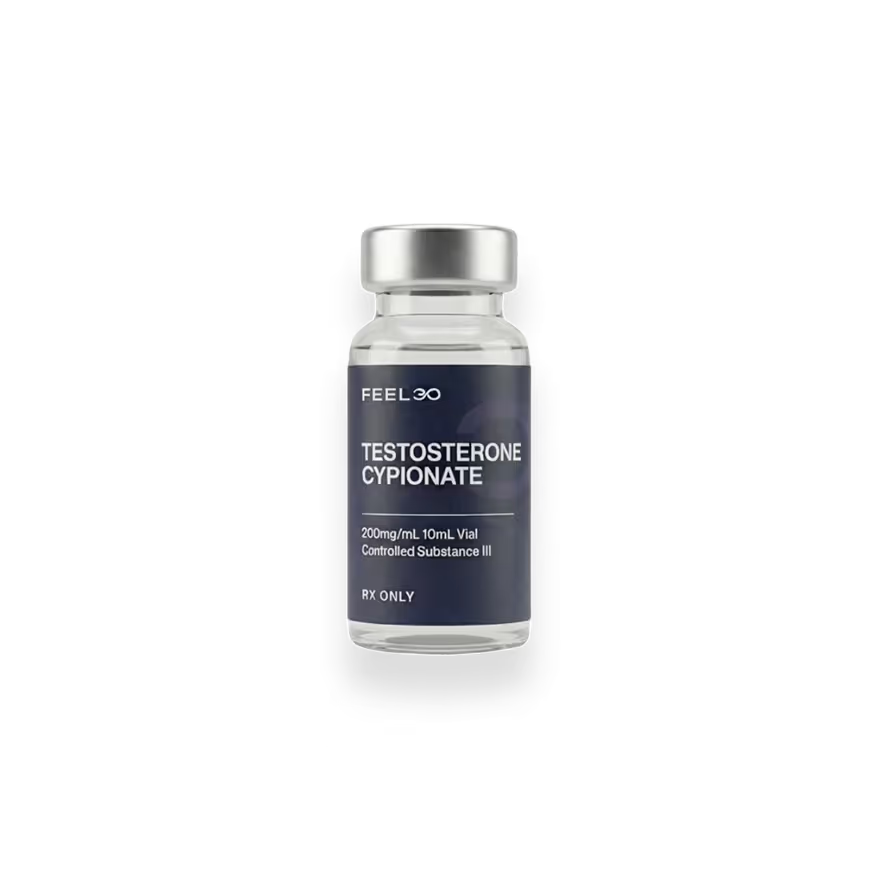
Supports energy, focus, sexual health, and overall wellbeing
Shop NowThe scientific evidence is more nuanced than many online testimonials suggest. The 2024 TestES evidence synthesis looked at 35 placebo-controlled trials involving 5,601 men with hypogonadism. TRT improved sexual function and health-related quality of life, but the evidence for improvements in mood, cognition, energy, and other nonsexual symptoms was less consistent (Cruickshank et al., 2024).
The evidence related to anxiety symptoms was limited. Only a small proportion of the trials measured anxiety with a dedicated assessment tool. The result didn't show a statistically significant benefit. This means the study didn’t find strong enough evidence to show that the observed difference was likely to represent a real treatment effect (as opposed to chance). Some measures suggested modest changes in positive or negative mood, but the overall randomized evidence doesn't show that TRT treats depression or anxiety symptoms (Cruickshank et al., 2024).
Current international recommendations support TRT for assessed men with symptomatic, clinically confirmed hypogonadism. They don't recommend testosterone as a primary treatment for anxiety symptoms, depression, cognitive disorders, or sleep disorders (Khera et al., 2025).
Online forums show stories claiming testosterone therapy cured anxiety symptoms. The experiences may be genuine for the men with confirmed testosterone deficiency reporting them, but they don't prove that testosterone treated anxiety directly.
Instead, a few things could happen simultaneously after treating low testosterone:
Testosterone therapy may improve certain symptoms of confirmed deficiency, but it doesn't treat the underlying causes of a primary mental health condition. Any online claims of reduced anxiety should be framed as personal experiences and not as proof that TRT is an effective treatment for the condition (Cruickshank et al., 2024; Szuhany & Simon, 2022).
It's also worth noting that online communities contain the opposite experiences as well. Some men report increased anxiety after starting TRT, particularly during dose adjustments or when hormone levels become imbalanced. Don’t let personal experiences replace medical advice (Cruickshank et al., 2024).
Some men report new or worsening anxiety symptoms, restlessness, irritability, or sleep disruption when they start TRT or change their treatment regimen. However, these symptoms don't prove that testosterone is the cause.
The relationship between testosterone and mood changes is also worth understanding, particularly when irritability or emotional changes occur during treatment.
Rapid hormonal shifts are often blamed for mood swings, sleep problems, or increased anxiety during the early stages of treatment. However, current evidence doesn't support that ordinary treatment-related fluctuations, low SHBG, or estradiol changes cause these symptoms directly and more research is needed. A perceived hormone imbalance should be assessed by a clinician.
The clinician would review:
Injecting testosterone can result in different peak-and-trough patterns depending on the dose and timing. Some patients may experience symptom cycling (fluctuating symptoms). The current evidence doesn't indicate that low SHBG, estradiol, or ordinary treatment-related fluctuations are direct cause of anxiety (European Association of Urology, 2026).
Supraphysiological testosterone exposure (abnormally high testosterone) and anabolic steroid misuse have a different risk profile from prescribed replacement therapy. Testosterone misuse has been associated with irritability, hostility, aggression, restlessness, insomnia, and other psychiatric effects. Patients shouldn't change their dose or treatment schedule without consulting their provider.
If you experience anxiety with other symptoms of low testosterone (listed above), speak to your provider, who may recommend a testosterone test.
Sex hormone-binding globulin, or SHBG, can affect how a total testosterone result is interpreted. Most circulating testosterone is bound to SHBG or albumin, while only a smaller proportion circulates as free testosterone. When SHBG is unusually low or high, total testosterone may not accurately reflect the amount of testosterone available to tissues. A healthcare provider may measure SHBG and calculate free testosterone when total testosterone is borderline or when obesity, insulin resistance, thyroid disease, liver disease, medication use, or another SHBG-altering condition is present (European Association of Urology, 2026; Khera et al., 2025).
Healthcare providers generally assess:
Free testosterone isn't usually the only initial screening measurement. It's most helpful when total testosterone doesn’t match the patient’s symptoms clearly or when a condition that changes SHBG could distort the total testosterone result (European Association of Urology, 2026; Khera et al., 2025).
Many health and lifestyle factors can contribute to anxiety levels.
Some of these include:
Persistent sleep problems and chronic stress can impact mood and emotional well-being. Stress also affects the body’s stress hormone systems, but a high cortisol level shouldn't be assumed to be the cause of symptoms without appropriate medical evaluation.
Lifestyle changes may support stress management and healthy testosterone production. Helpful lifestyle support may include:
These lifestyle modifications may support healthy testosterone levels and general well-being, especially when poor sleep, inactivity, excess weight, or nutritional deficiencies are contributing factors. However, lifestyle support isn't a substitute for effective treatments for a confirmed testosterone deficiency or diagnosed mental health condition (Khera et al., 2025; Szuhany & Simon, 2022).
Your healthcare provider may recommend TRT if you have a combination of:
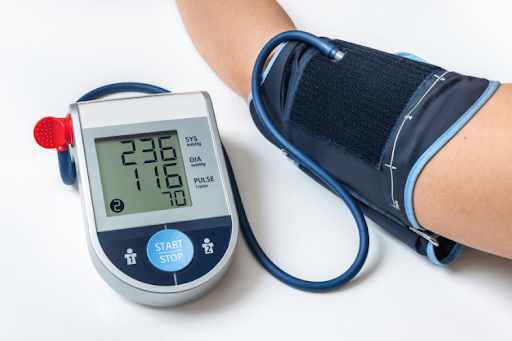
Once treatment begins, regular follow-up is important. Depending on your medical history and treatment plan, monitoring may include repeat testosterone measurements, hematocrit, prostate-specific antigen (PSA) where appropriate, blood pressure monitoring and symptom assessment, and evaluation for possible side effects (European Association of Urology, 2026; FDA, 2025).
Before starting treatment, a healthcare provider should explain the available treatment options, expected benefits, limitations, and monitoring requirements. The treatment plan should focus on confirmed low T and your physical and mental health.
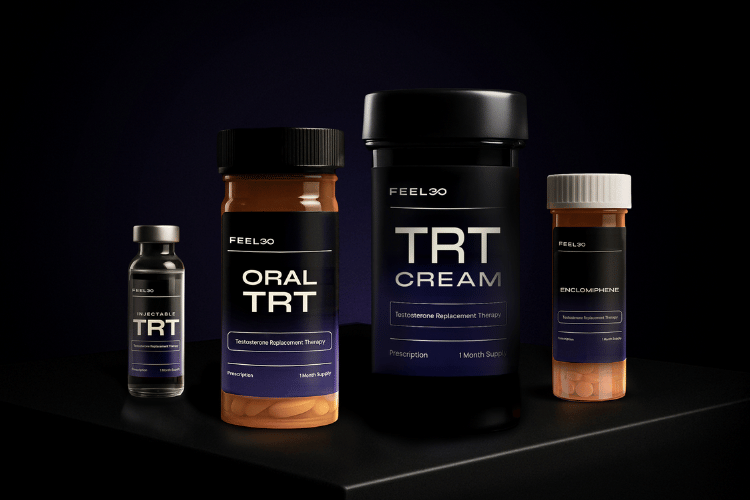
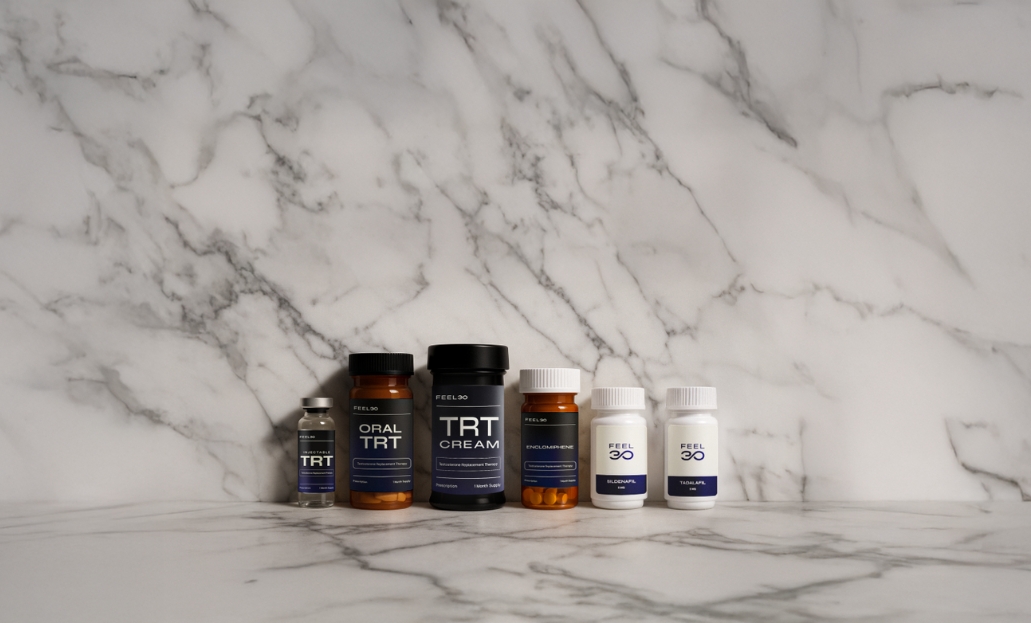
Depending on the diagnostic process and your goals, treatment options may include testosterone replacement therapy, enclomiphene, managing an underlying medical condition, and/or lifestyle modifications. The most appropriate option depends on the cause of your low testosterone levels, fertility considerations, symptoms, and overall health (European Association of Urology, 2026; Khera et al., 2025).
Testosterone replacement therapy shouldn't be viewed as a substitute for evidence-based mental healthcare. If you still experience anxiety symptoms after your testosterone deficiency has been treated appropriately, you may need further evaluation. Depending on the underlying cause, treatment may include lifestyle changes, psychological therapy, medication, or a combination of approaches. Addressing hormone health and mental health often provides the best long-term outcomes (Szuhany & Simon, 2022).
Low testosterone may contribute to symptoms that overlap with anxiety, including fatigue, poor concentration, irritability, and lower resilience to stress. However, anxiety has many possible causes, and low testosterone is only one potential contributing factor.
There is no reliable timeline for an effect on mood or anxiety because psychological responses to TRT are inconsistent. Some men may report changes as other symptoms of hypogonadism improve, but the current evidence doesn’t establish that TRT will improve mood or anxiety within a specific number of weeks or months (Cruickshank et al., 2024; Khera et al., 2025). Understanding how long TRT takes to work for other symptoms can help set realistic treatment expectations, although improvements in mood or anxiety aren't guaranteed.
Not without proper testing. Anxiety levels don't indicate that you need testosterone replacement therapy. You must have a comprehensive medical evaluation to determine whether low testosterone is contributing to your symptoms.
Enclomiphene is not an approved or evidence-based treatment for anxiety. It may be considered for selected men with secondary hypogonadism when stimulating endogenous testosterone production or preserving fertility is an important treatment goal. However, current studies haven’t established that enclomiphene reduces anxiety symptoms.
A 2024 retrospective study found fewer documented mood changes among men receiving enclomiphene than among men receiving clomiphene. The study was small, conducted at a single institution, and didn’t specifically test enclomiphene as a treatment for anxiety. Its findings shouldn’t be interpreted as evidence that enclomiphene prevents or treats an anxiety disorder (Saffati et al., 2024).
New or worsening anxiety while taking enclomiphene should be assessed by the prescribing provider. Hormone treatment shouldn’t replace evidence-based mental health evaluation or care.
TRT may improve sexual function and quality of life in men with clinically confirmed testosterone deficiency, but don’t think of it as a treatment or cure for an anxiety disorder. The current randomized evidence supporting improvements in mood and anxiety is limited and inconsistent (Cruickshank et al., 2024; Khera et al., 2025).
Persistent anxiety should be evaluated independently, even when testosterone treatment is medically appropriate. Depending on the diagnosis, evidence-based care may include psychological therapy, medication, lifestyle interventions, or a combination of approaches (Szuhany & Simon, 2022).
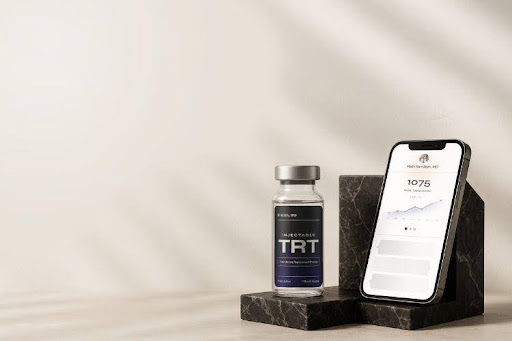
At Feel30, healthcare providers evaluate possible causes of symptoms using medical history, laboratory testing, and an individualized clinical assessment. When testing confirms testosterone deficiency, a licensed clinician can discuss whether TRT, enclomiphene, lifestyle interventions, or another provider-guided approach aligns with the patient’s symptoms and treatment goals.
Take the first step toward renewed energy and confidence with Feel30’s expert care.




4.9 out of 5 · 2,400+ reviews


Always Tired, Gaining Weight? Low T Was the Real Reason
Is Low T Hurting Your Relationship?
This gaming laptop is a powerhouse, equipped with the latest graphics card and a high-refresh-rate display.
Jane Smith
Feel30 has completely changed the game for me. I feel more energized, focused, and confident like I did years ago.
Emily Johnson
This smartphone offers an exceptional camera experience, with stunning low-light performance and vibrant colors.
John Doe
What are you waiting for?
Take the first step toward renewed energy and confidence with Feel30’s expert care.


Feel 30 again with physician-supervised treatment that restores the energy, confidence, and performance you remember. No hassle or hidden fees.