Stay informed with expert insights on testosterone therapy, men's health, and performance optimization.
Sermorelin and testosterone play completely different roles in the body. If you’re comparing them, it helps to understand what each does and how our bodies respond to either therapy.
The main goal of testosterone therapy is to restore testosterone levels to a normal, healthy physiological range. Note that licensed providers administer testosterone replacement therapy (TRT) only when lab tests show clinically low testosterone (low T). Sermorelin, on the other hand, signals your body to release your own growth hormone naturally.
Discussions about testosterone vs sermorelin rise from the impact of both on energy, recovery, body composition, quality of sleep, and overall vitality.
Important: A licensed healthcare provider should guide any treatment decisions regarding testosterone or sermorelin, with appropriate testing and ongoing monitoring.
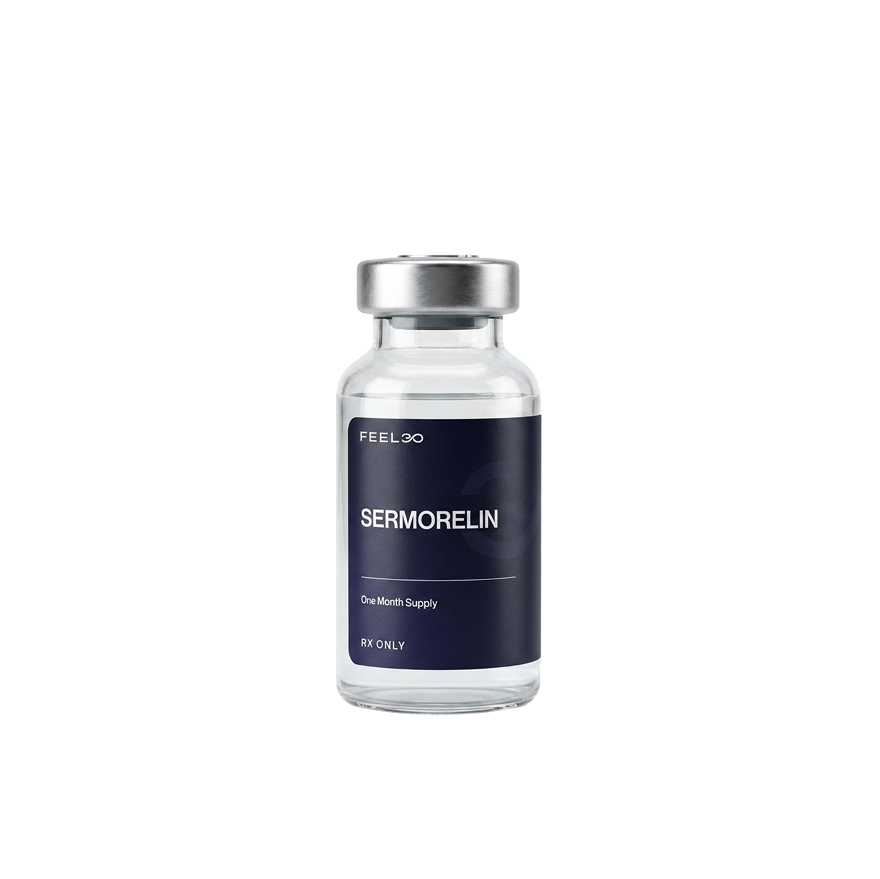
Sermorelin is a synthetic peptide, an analog of growth hormone-releasing hormone (GHRH), which is a signal that ‘tells’ your pituitary gland to release growth hormone naturally. That simply means sermorelin is a synthetic version of GHRH, and it behaves exactly like GHRH does. Don’t confuse sermorelin with human growth hormone (HGH), a synthetic peptide that supplies growth hormone directly to your body.
Growth hormone is involved in different physiological processes, such as metabolism, regulation of sleep and recovery, and even body composition. This is why healthcare professionals discuss sermorelin in the context of broader hormone optimization. However, note that sermorelin doesn’t guarantee fat loss, muscle growth, better sleep, or faster recovery.
Some people may report changes in some of these areas, but individual results vary, and you should only interpret them alongside results from your labs, health history, and ongoing clinical monitoring.
Learn more about sermorelin in our guide: What is sermorelin?
Helps support lean muscle and fat metabolism
Shop NowIn men with clinically confirmed low T, the goal of testosterone therapy is to increase their levels of testosterone to a normal physiological level. Symptoms and lab test results must support treatment.
Note: Practice guidelines by The Endocrine Society instruct providers to diagnose testosterone deficiency only in men with consistent symptoms and clearly low T levels. These guidelines emphasize that treatment and monitoring should be guided by a licensed healthcare professional.
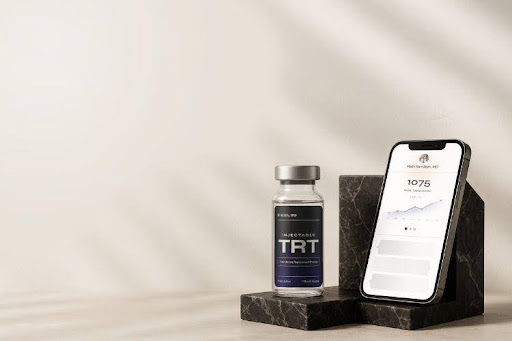
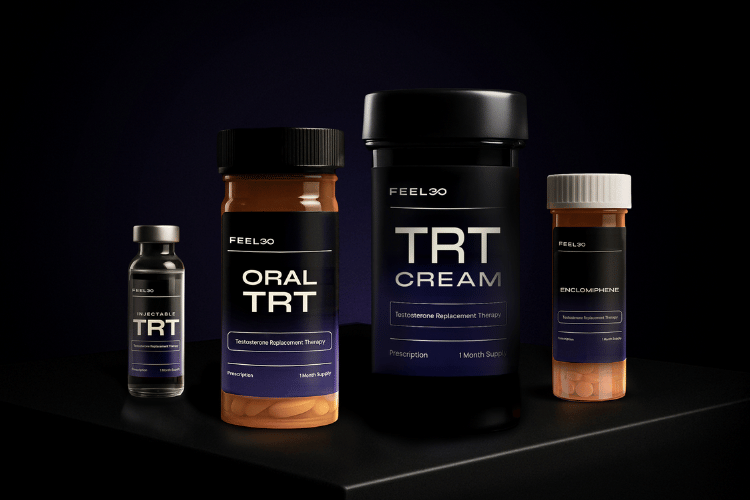
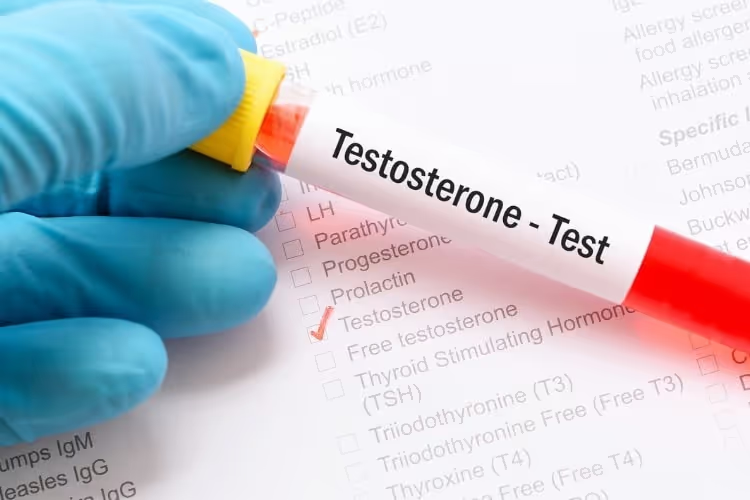
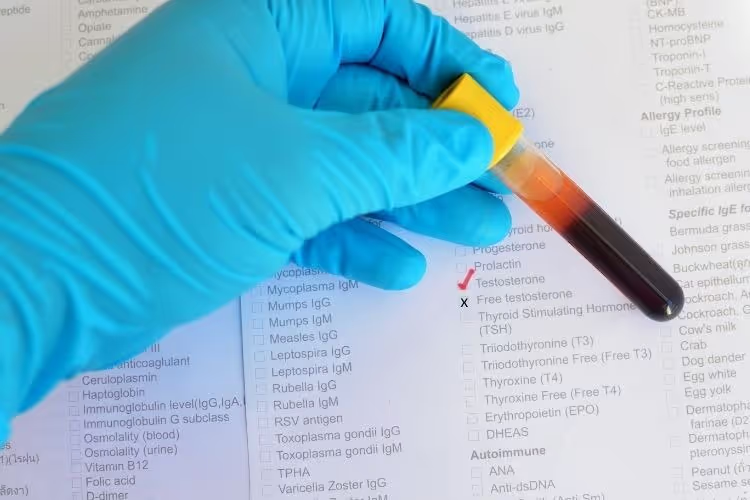
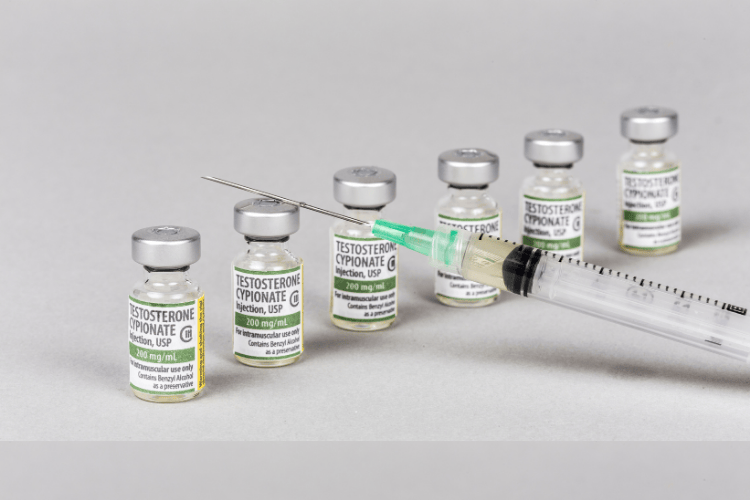
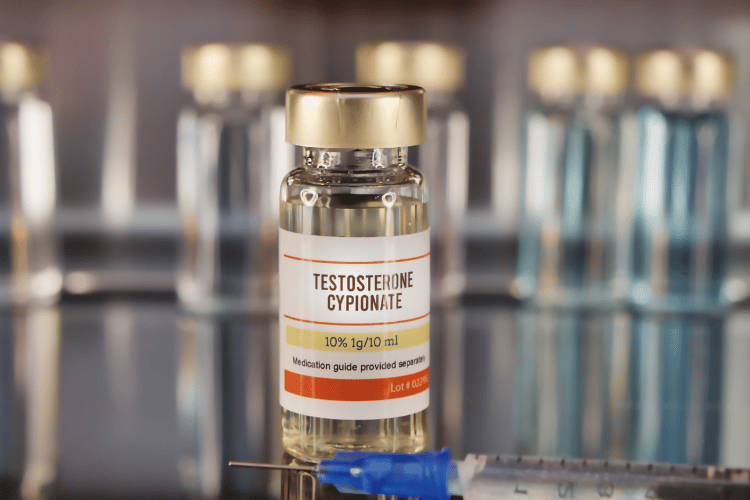
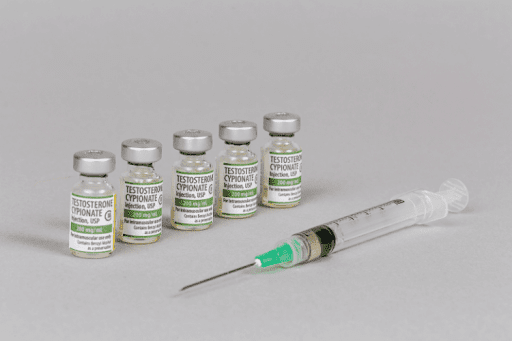
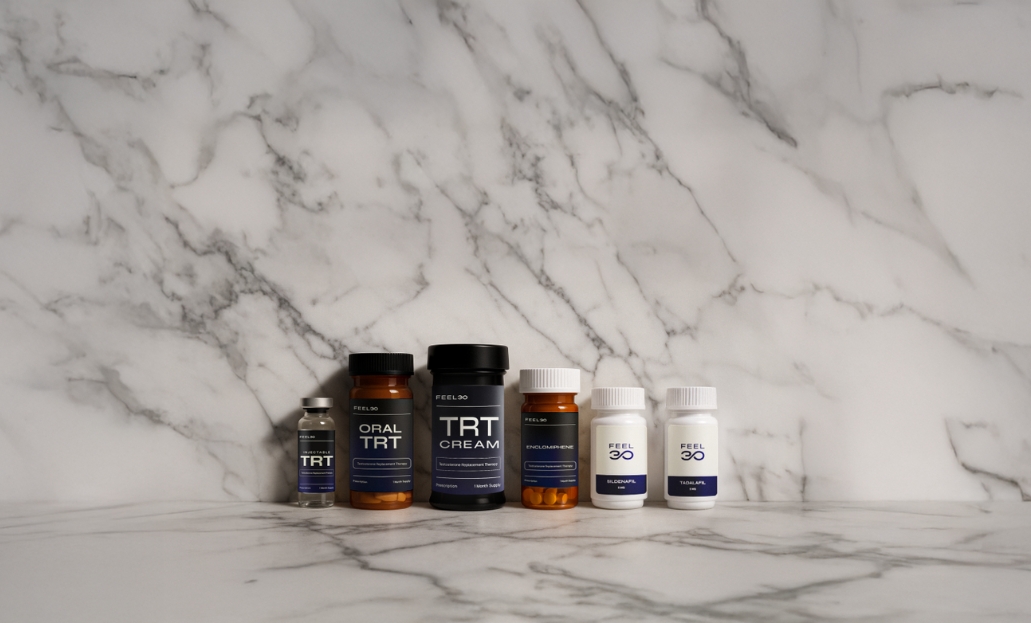
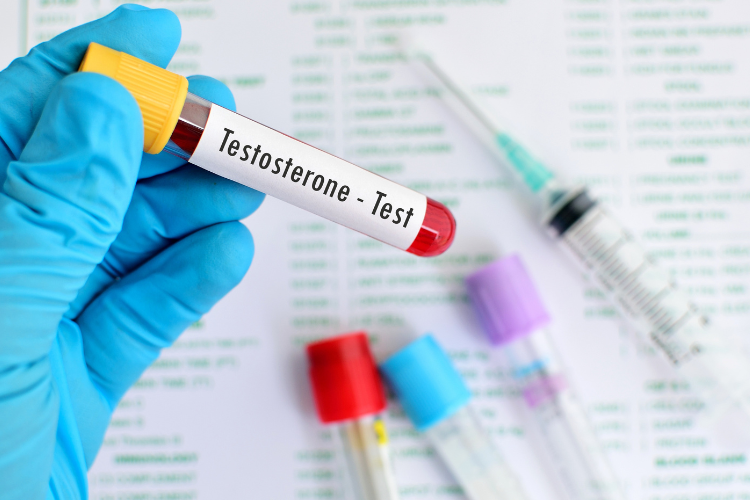
Here at Feel30, we offer at-home testosterone testing to evaluate and review your testosterone levels before discussing whether treatment is appropriate. We also offer provider-guided TRT options, such as Testosterone Cypionate, when clinically appropriate.
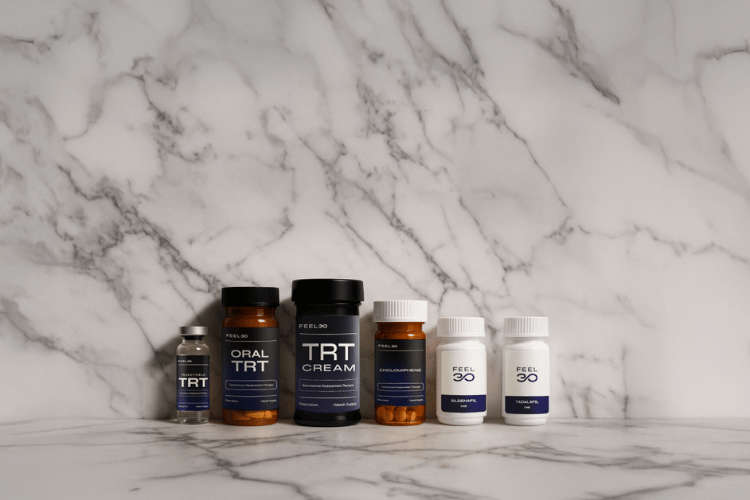
Sermorelin stimulates your body to naturally produce growth hormone by signaling the pituitary gland. Testosterone therapy, on the other hand, raises your testosterone levels directly. It increases the circulating testosterone, unlike sermorelin, which signals the body to produce more of its own growth hormone. Both are different, and each works on its own pathway.
Because sermorelin and testosterone work on different pathways and systems within the body, this implies they have distinct effects. Licensed providers may discuss therapy with sermorelin when health goals involve the growth hormone. This may include concerns such as growth hormone levels, quality of sleep, recovery, fat metabolism, and body composition. As you consider sermorelin, note that it’s not approved by the Food and Drug Administration (FDA) for any of these uses.
Providers may also consider testosterone therapy if your symptoms and lab results suggest clinically low testosterone. Common symptoms of low T may include low libido, low energy, changes in mood, muscle loss, reduced sex drive, or lower muscle strength.
However, these symptoms do not always confirm low T. A licensed provider should review your symptoms and test your testosterone levels before recommending any treatment plan.

Sermorelin therapy supports the body’s natural production of growth hormone. In some patients, this may support quality of sleep, recovery, body composition goals, and growth hormone levels within a healthy range.
Because growth hormone is involved in metabolism, muscle tissue, bone density, and recovery, healthcare professionals may consider sermorelin as part of plans for broader hormone optimization. However, this is only part of a larger health strategy, not a standalone fix. Nutrition, resistance training, sleep quality, managing stress, and overall lifestyle habits all play a major role in how your body responds.
Still, sermorelin doesn’t “reverse aging,” guarantee fat loss, or automatically build muscle. The effects will depend on you, your labs, health history, lifestyle, and how your body responds.
Testosterone replacement therapy (TRT) may help address symptoms associated with low testosterone, such as low libido, low energy, changes in mood, loss of muscle mass, reduced sexual function, and changes in strength or body composition. A healthy lifestyle is still important for supporting positive treatment outcomes.
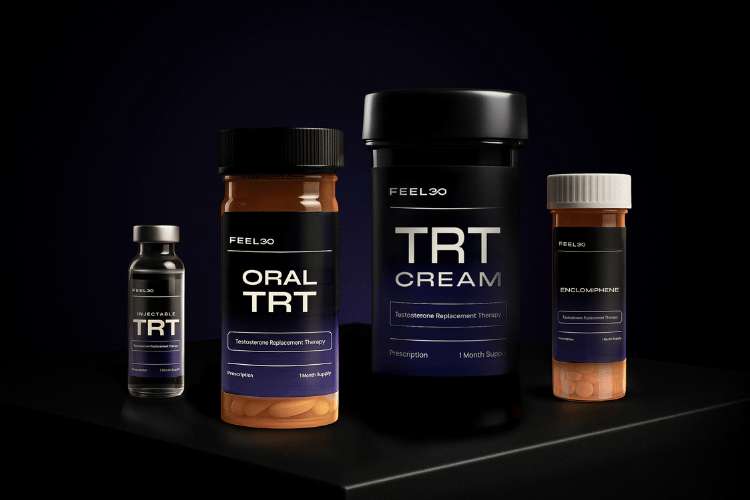
Treatment options may include Testosterone Cypionate or Oral TRT when clinically appropriate. Some men prefer enclomiphene, which, unlike traditional TRT, encourages the body to produce its own testosterone through pituitary signaling. This may be relevant if you want to discuss fertility preservation or natural testosterone production with your provider.
Learn more about these effects in our guide: Understanding Testosterone Side Effects
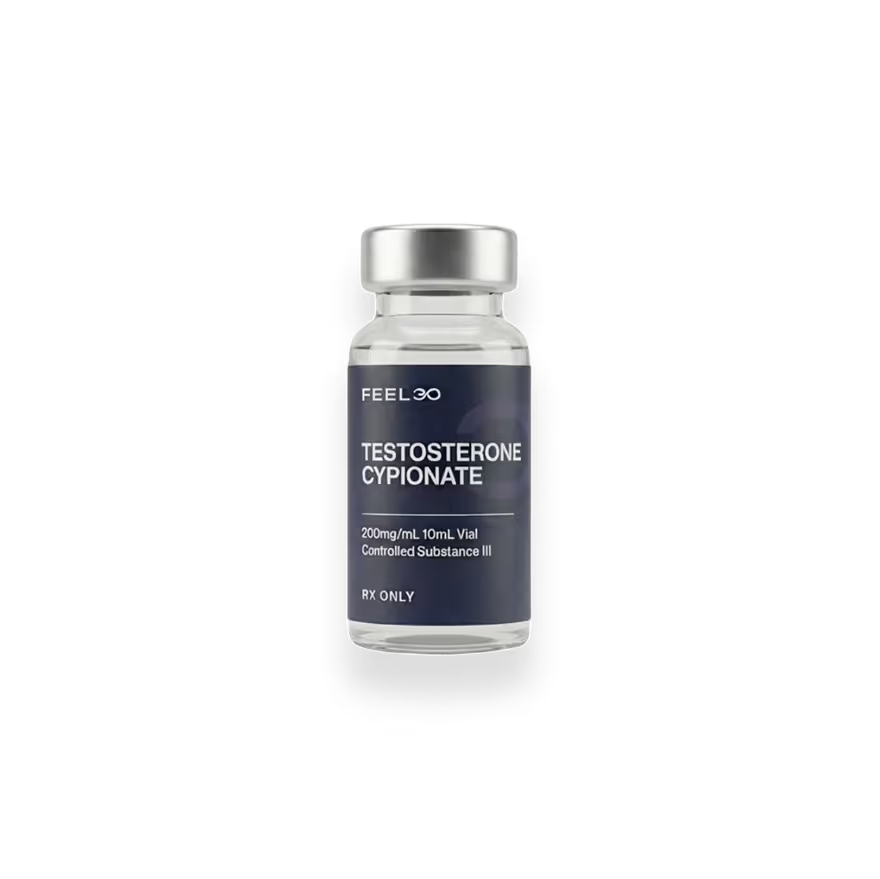
Supports energy, focus, sexual health, and overall wellbeing
Shop NowImportant: Ongoing monitoring is part of responsible hormone therapy. Depending on the treatment plan, providers may review testosterone levels, red blood cell count, symptoms, side effects, and other relevant health markers.
Serious side effects are less common, but they still matter. Contact your healthcare provider if symptoms worsen or if you notice new or unexpected side effects.

Symptoms that may prompt a hormone conversation include:
These symptoms can overlap. That’s why lab tests help clarify whether testosterone levels are low or whether a provider should evaluate other hormone levels.
A licensed provider may discuss sermorelin when evaluating growth hormone (HGH) levels, sleep quality, recovery, fat metabolism, or body composition goals.
Testosterone therapy may be considered when lab tests show clinically low testosterone and symptoms line up with low T. That may include low libido, low energy, muscle loss, fatigue, mood changes, or reduced sex drive.
In some cases, a licensed provider may discuss TRT and sermorelin together if symptoms, lab results, and health goals suggest that both the growth hormone pathway and testosterone levels need evaluation.
Research by Sattler et al. on testosterone and growth hormone supplementation in older men has shown potential additive effects on body composition and muscle performance, but those findings don’t mean combination therapy is appropriate for everyone. Treatment still needs to be individualized and medically supervised.
Potential reasons a provider may evaluate both pathways include:
If you use both therapies, monitoring becomes more important. The Endocrine Society recommends a monitoring plan that includes symptoms, adverse effects, serum testosterone, hematocrit, and prostate cancer risk during the first year of treatment.
Combination therapy may also increase the need to watch for overlapping side effects, including:
Bottom Line: Sermorelin and testosterone therapy together may be appropriate for some patients, but never treat it as a standard “stack” or shortcut. It requires baseline testing, a clear clinical reason, and ongoing provider-guided monitoring.
The right option depends on what your body is actually showing, not which therapy sounds more appealing. Symptoms can start the conversation, but testing and provider review help shape the plan.
Feel30 helps make that first step more efficient. An at-home testosterone test can provide initial testosterone level data, giving a licensed provider more context when reviewing symptoms, health history, and whether follow-up testing or treatment may be appropriate.
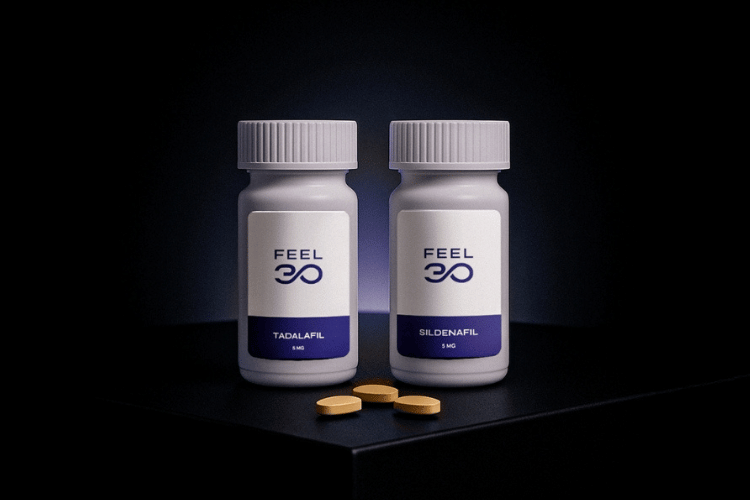
If results point to clinically low testosterone, provider-guided TRT options may be discussed. If sexual health is part of the picture, options like Sildenafil or Tadalafil may also be considered separately. They can support sexual performance, but they're not treatments for low testosterone. For growth hormone-related concerns, a provider may evaluate whether additional testing or a different treatment pathway is appropriate.
The goal is simple: get the right information first, then build the right plan.
Sermorelin does not directly raise testosterone levels. It works through the growth hormone pathway. Some hormone systems can influence each other, but sermorelin should not be viewed as a replacement for TRT.Sermorelin does not directly raise testosterone levels; instead, it works through the growth hormone pathway. Sermorelin isn’t a replacement for TRT.
Learn more about this in our guide: Does Sermorelin Increase Testosterone
No, sermorelin cannot replace TRT because sermorelin and testosterone therapy serve different purposes. TRT addresses clinically low testosterone, while sermorelin supports growth hormone release.
No, sermorelin is not Human Growth Hormone (HGH). It’s a synthetic version of Growth Hormone-Releasing Hormone (GHRH), a signal that tells your pituitary gland to release growth hormone naturally. HGH, on the other hand, is a synthetic peptide that introduces growth hormone directly into your body.
In some cases, combining sermorelin and TRT may be discussed with a provider. It should only be considered with lab results, medical review, and appropriate monitoring.You should discuss whether you can use sermorelin and TRT together with a provider. This is because that decision will depend on what your lab results and medical review suggest, and you’ll need appropriate monitoring.
No, this is not always the case. Low libido may be caused by testosterone, sleep, stress, medication, relationship factors, metabolic health, or other issues. Proper testing and a review of your health by a healthcare professional will help clarify what low libido means for you.
Sermorelin and testosterone are not the same. Sermorelin works through the growth hormone pathway by signaling your body to produce growth hormone naturally. Testosterone therapy directly addresses clinically low testosterone by raising testosterone levels when labs and symptoms support treatment.
Both may play a role in conversations around improving energy, recovery, libido, body composition, mental clarity, and overall vitality. However, symptoms overlap, so guessing which fits your body can be misleading. Medical supervision is non-negotiable. The right plan depends on lab results, health goals, medical history, and ongoing monitoring.
If you’re ready to stop guessing, start with an at-home testosterone test or speak with a Feel30 provider about your options.
Take the first step toward renewed energy and confidence with Feel30’s expert care.




4.9 out of 5 · 2,400+ reviews


Always Tired, Gaining Weight? Low T Was the Real Reason
Is Low T Hurting Your Relationship?
This gaming laptop is a powerhouse, equipped with the latest graphics card and a high-refresh-rate display.
Jane Smith
Feel30 has completely changed the game for me. I feel more energized, focused, and confident like I did years ago.
Emily Johnson
This smartphone offers an exceptional camera experience, with stunning low-light performance and vibrant colors.
John Doe
What are you waiting for?
Take the first step toward renewed energy and confidence with Feel30’s expert care.


Feel 30 again with physician-supervised treatment that restores the energy, confidence, and performance you remember. No hassle or hidden fees.