Stay informed with expert insights on testosterone therapy, men's health, and performance optimization.
When energy dips, motivation fades, or libido slows down, many men chalk it up to stress or getting older. But often, there's a deeper reason: hormones.
Yes, men have hormones. And not just testosterone. These internal messengers help regulate everything from mood to sleep and sex drive. If you’ve ever wondered what hormones men have or how to handle an imbalance, this guide explains it.
Men and women share many of the same hormones, but they show up in different levels and affect each sex in different ways.
Hormones are messengers that move through your blood to tissues and organs. They help control important functions such as metabolism, mood, and sexual function. These key hormones are crucial for maintaining optimal health and performance. Even small shifts in these levels can affect how you feel and perform.
Men's hormones generally fluctuate over a 24-hour period.
Hormones are produced in glands such as the pituitary gland, adrenal glands, and testes. These make up your endocrine system. When there's an imbalance in this system, symptoms can show up gradually or all at once.
If your pituitary gland doesn’t release enough luteinizing hormone (LH), your testosterone production drops. This can lead to fatigue, low sex drive, and some extra weight.
Follicle-stimulating hormone (FSH) is a hormone made by the pituitary gland. It helps control sperm production in men. The pituitary gland produces prolactin, which plays an important role in overall reproductive function in men. If your body is under constant stress, your adrenal glands churn out too much cortisol, which can make things worse.

Men and women have the same types of hormones (testosterone, estrogen, cortisol) but in different amounts. Testosterone is the dominant hormone in men, while estrogen and progesterone are more prominent in women. However, women also produce testosterone, and depending on where they are in their menstrual cycle, testosterone levels can temporarily exceed estrogen or progesterone.
Men have much higher levels of testosterone compared to women, which drives male characteristics. Women produce higher levels of estrogen, which is essential for reproductive health and regulating the menstrual cycle.
For example, men need estrogen for healthy bones, mood stability, and cardiovascular and neuroprotection. Extra body fat can increase estrogen levels in men. This can upset the balance and cause side effects like water retention and irritability. This article explains the Symptoms of Low Testosterone in more detail.
Women experience monthly hormonal cycles tied to the menstrual cycle, typically lasting around 28 days. While estrogen is their dominant hormone, women also need testosterone. It supports libido, bone strength, and mood, similar to its role in men. When testosterone levels are too low in women, it can lead to fatigue, reduced sex drive, and decreased muscle tone.
Testosterone might get most of the attention, but other hormones also impact health and performance.
Several hormones control the male reproductive system. These include follicle-stimulating hormone (FSH) and luteinizing hormone (LH). FSH and LH help manage sperm and testosterone production.
Testosterone supports:
Luteinizing hormone (LH) stimulates the testes to produce testosterone. Testosterone is primarily produced in the testicles and is essential for the development of male growth and masculine characteristics.
Testosterone starts to decline around age 30. Stress, poor sleep, or extra body fat can speed this up. For some men, levels drop low enough to need medical treatment.
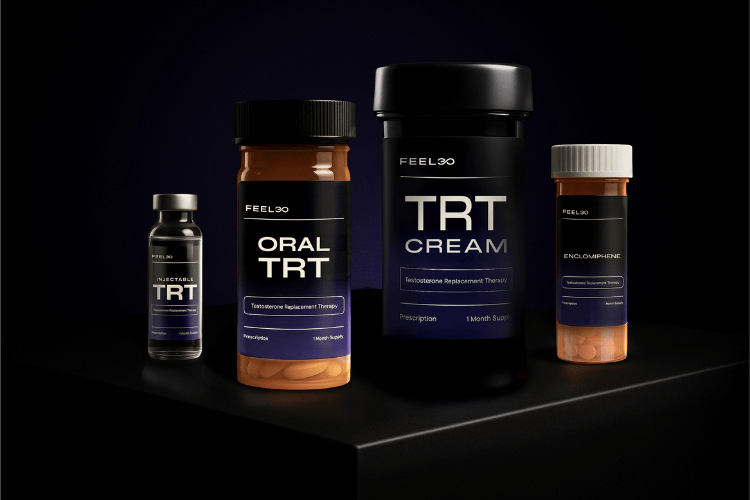
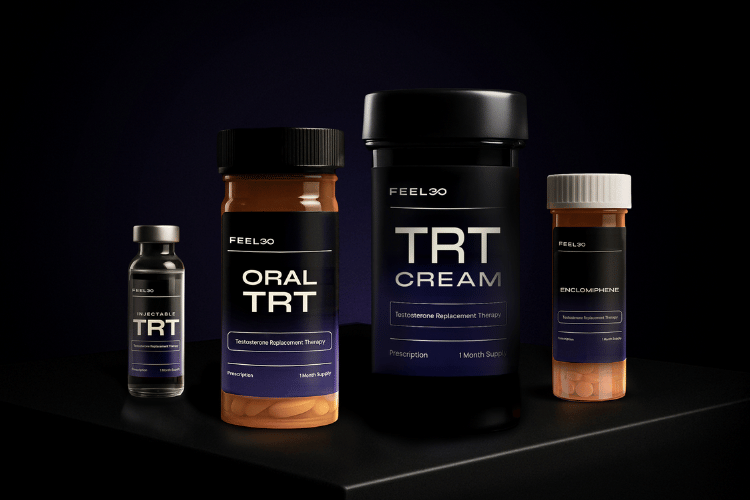
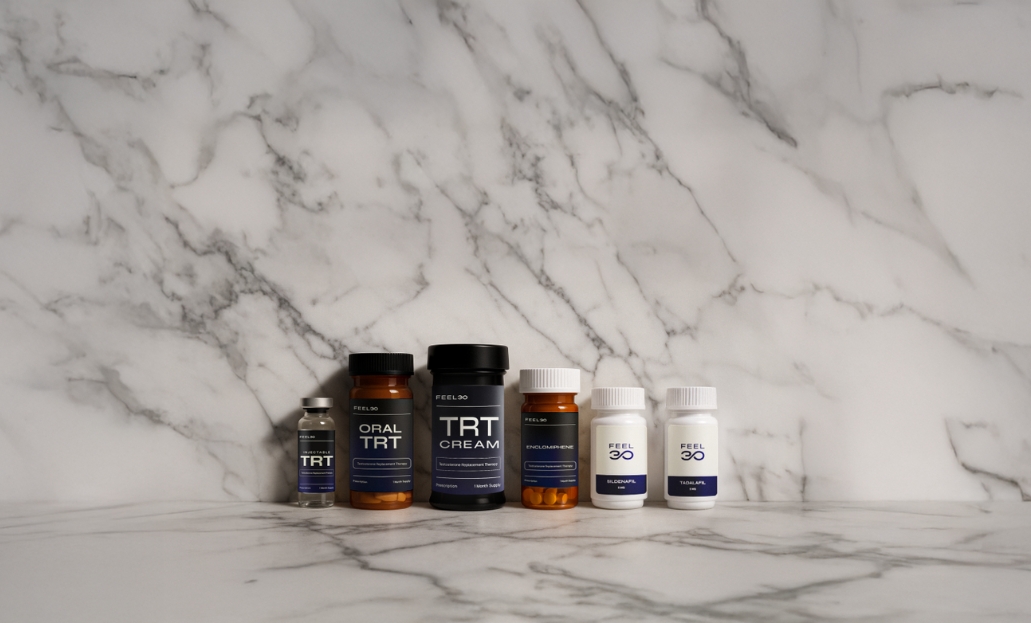
Feel 30 offers medically guided solutions for men with clinically low testosterone.
Hormones influence everything from strength to how sharp your mind feels. Testosterone, in particular, is responsible for developing male characteristics such as body hair and libido.
Balanced hormones are vital for cardiovascular health and osteoporosis prevention.
Testosterone, LH, and FSH work together to support sex drive, erections, fertility, and sexual health. An imbalance can lead to issues such as low libido, weak erections, or low sperm count.
Hormonal imbalances, such as high prolactin, can lower important reproductive hormones. This can lead to low sperm count and fertility problems in men. Erectile dysfunction can be a signal that your hormones or heart health need attention.
Low testosterone can leave you tired, unmotivated, and moody. High cortisol from stress makes it worse and affects sleep. Hormonal imbalances can also impact mental health, leading to symptoms such as mood disturbances, depression, and fatigue. Quality sleep is essential for maintaining healthy testosterone levels in men.
Hormonal imbalances often cause brain fog, poor focus, and irritability, problems that are easy to miss or attribute to something else.
Both estrogen and testosterone help keep bones strong. Men also produce estrogen, but in smaller amounts, which supports bone health and modulates libido. When these hormones drop, bones weaken, and injury risk climbs. This is especially true after age 50.

You might not notice right away, but a hormonal imbalance can chip away at your performance and well-being. Maintaining hormonal balance is crucial for overall health, as it supports normal body functions and reduces health risks. For example, low testosterone is linked to increased visceral fat, which raises the risk of type 2 diabetes.
Watch for:
These symptoms may show that there is a testosterone deficiency. This means the body makes less testosterone than normal. Testosterone deficiency is associated with aging and hormonal imbalances and can impact both physical and mental health. If you notice these symptoms, it is important to seek medical advice for proper diagnosis and potential treatment options.
Chronic stress raises cortisol levels and can:
Maintaining balanced cortisol levels is important for overall health. Cortisol, known as the stress hormone, helps your body respond to stress and regulates blood pressure. Additionally, alcohol consumption can negatively affect testosterone production in men.
High levels of SHBG can lower the amount of free, active testosterone in the body. While elevated estrogen isn’t inherently harmful in men, sudden fluctuations or imbalances can contribute to mood disturbances. Unlike in women, increased estrogen in men doesn’t typically lead to a redistribution of body fat; age-related changes in fat patterning are more complex and not solely hormone-driven.
Testosterone and blood proteins, such as albumin, show that only some testosterone is free. Most of it is bound and inactive. As men get older, the testosterone in their blood goes down. This happens partly because SHBG increases. SHBG binds more testosterone and reduces the active amount. This results in less testosterone, which can impact libido, bone strength, and overall health.

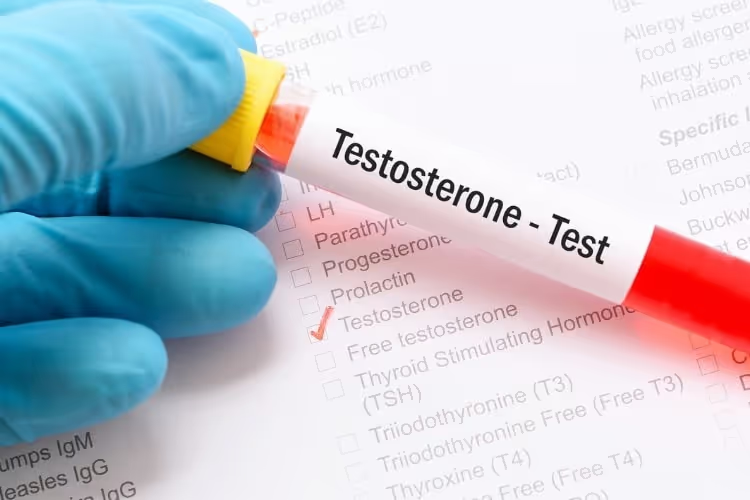
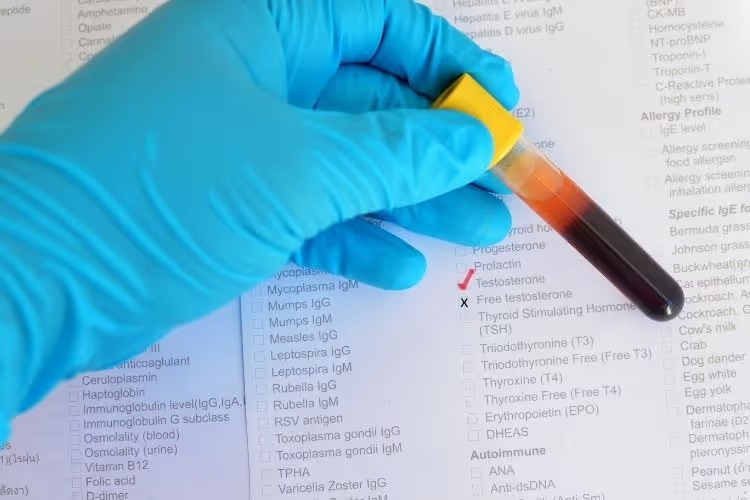
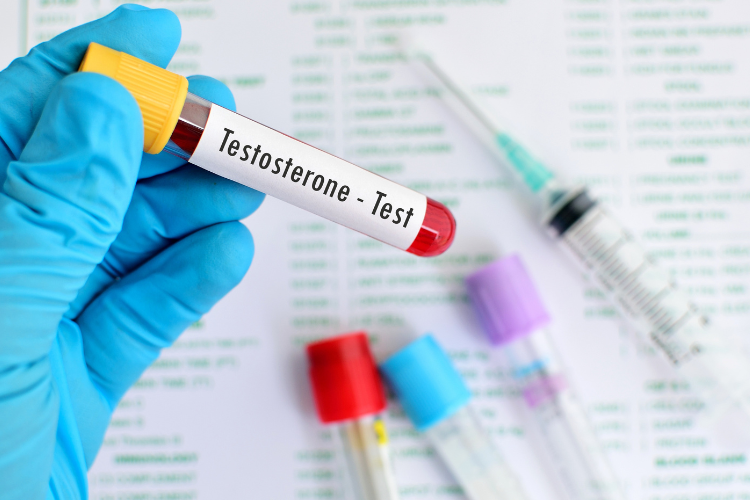
A blood test is the standard way to measure hormone levels in men, including testosterone and other key hormones. The results are compared to the normal range to assess hormonal health and identify any imbalances.
Ask your doctor for a full panel. Key labs to check:
Morning tests are best as hormone levels are at their peak.
See a medical professional if you're always tired, moody, gaining weight, or losing sex drive. These symptoms are common and treatable when linked to hormones.
You can do a lot with small daily habits. Lifestyle factors, such as diet, sleep, and stress, play a major role in hormone balance.
Practice stress management techniques such as yoga, meditation, and deep breathing to help regulate hormones and lower cortisol levels.

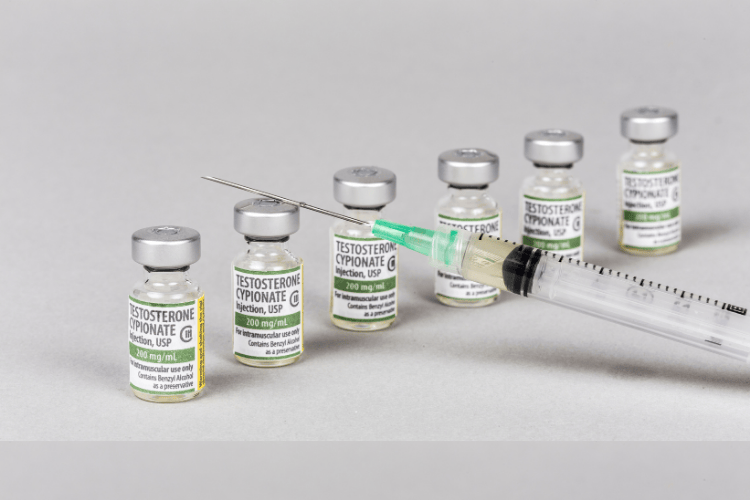
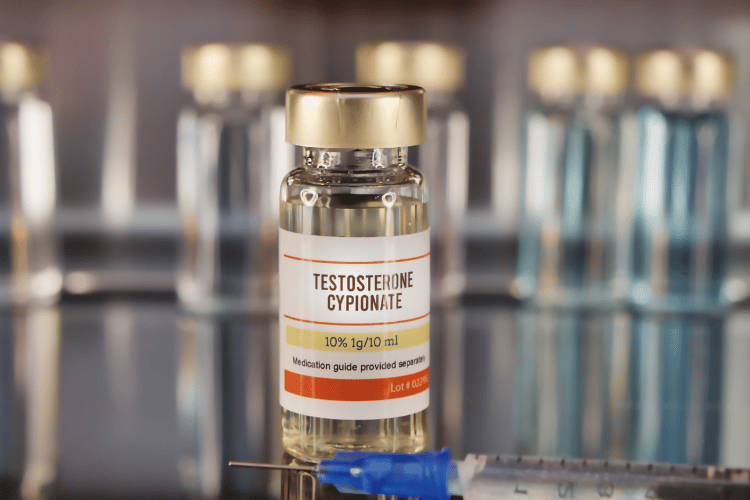
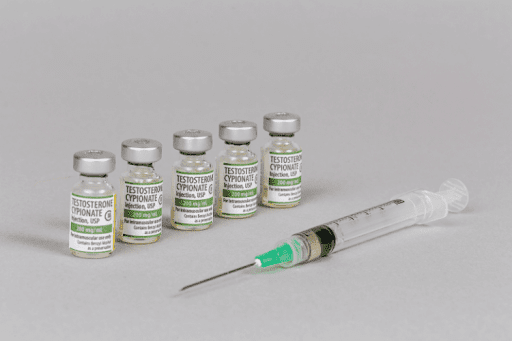
Sometimes lifestyle changes aren’t enough. That’s when treatment comes in. Medical options for men with low testosterone include testosterone replacement therapy (TRT), which can help improve energy, libido, and energy levels. The decision to begin testosterone replacement therapy should involve a careful conversation with a doctor.
Testosterone starts to drop around 30 and declines slowly each year. The rate of change can be faster with stress, poor sleep, or weight gain.
Andropause refers to the gradual drop in testosterone that occurs as men age.
Yes. Low testosterone or high cortisol can interfere with sexual performance and interest, contributing to erectile dysfunction.
Total testosterone should fall between 300 and 1,000 ng/dL, which is considered the normal range used to assess hormone levels. This is often referred to as 'normal testosterone levels.' But “free testosterone” (the usable kind) is also important.
Stress raises cortisol. High cortisol lowers testosterone, blocks sleep, and increases belly fat. Practicing stress management techniques such as yoga, meditation, and deep breathing can lower cortisol. These methods also support healthy hormone levels.
Lift weights, eat well, sleep enough, and limit alcohol. Focus on reducing stress.
Only if tests show a deficiency and your symptoms match. Testosterone therapy can help improve energy, libido, and body composition, but it isn’t for everyone. The decision to begin testosterone replacement therapy should involve a careful conversation with a doctor.
Yes. Low testosterone or cortisol can cause an increase in stubborn fat, especially around the midsection.
SHBG binds to testosterone in your blood. If it's too high, your free testosterone may be too low.
Start checking around age 35, or earlier if symptoms show up. It's smart to check your hormonal health once a year.
Hormones influence how you feel, think, and perform every day. While testosterone gets most of the attention, it’s just one part of a larger system that keeps your body and mind in sync.
If you're experiencing low energy levels, mood shifts, or physical changes, it’s worth looking at your hormone health. Testing gives you clarity. From there, you can make smart choices to change your lifestyle. You can also explore support options like the medically guided help from Feel 30.
Take the first step toward renewed energy and confidence with Feel30’s expert care.




4.9 out of 5 · 2,400+ reviews


Always Tired, Gaining Weight? Low T Was the Real Reason
Is Low T Hurting Your Relationship?
This gaming laptop is a powerhouse, equipped with the latest graphics card and a high-refresh-rate display.
Jane Smith
Feel30 has completely changed the game for me. I feel more energized, focused, and confident like I did years ago.
Emily Johnson
This smartphone offers an exceptional camera experience, with stunning low-light performance and vibrant colors.
John Doe
What are you waiting for?
Take the first step toward renewed energy and confidence with Feel30’s expert care.


Feel 30 again with physician-supervised treatment that restores the energy, confidence, and performance you remember. No hassle or hidden fees.