Stay informed with expert insights on testosterone therapy, men's health, and performance optimization.
The word “hypogonadism” sounds like it belongs in a dusty medical textbook. But it actually describes something that affects men every single day. Simply put, it means your body isn't making enough testosterone. With this low testosterone level, sperm may be affected too.
We know what testosterone plays a role in so many parts of how the body feels and functions, and low levels quietly change life in ways that are hard to ignore. Testosterone isn't just about sex drive. It helps with energy, muscle strength, focus, mood, confidence, and bone health.
Too many men think that feeling tired, moody, fatigued, or less interested in sex is just about getting older. Yes, that can be true. But sometimes it's male hypogonadism. The tricky part is that hypogonadism doesn't always look the same in every man, so diagnosing it is a challenge.
This guide uncovers what hypogonadism is, the signs and symptoms, and the treatment options available.
Hypogonadism is when the male sex glands, or testes, don't make enough of the sex hormones that drive growth, fertility, and overall health and well-being. The most important of these hormones is, of course, testosterone. Testosterone plays a big role in growth, fertility, energy, muscle strength, mood, and well-being. When the levels drop too low, the body can't function at its best.
Testosterone also helps guide male development from early life (in the womb) to adulthood. When the testes don't produce enough testosterone, the effects are not just limited to one part of the body.
Doctors break down hypogonadism into two main types based on where the problem starts:
When the testicles can't make enough testosterone, the brain sends the right signals, but the testes can't respond properly. Genetic conditions, injury, infection, cancer treatment, or illness can cause this. With primary hypogonadism, the issue starts at the source of testosterone production.
This happens when the brain doesn't send the right signals to tell the testicles what to do. The brain normally sends signals through the hypothalamus and pituitary gland to tell the testicles to produce testosterone. When those signals are weak or missing, the testes don't receive the proper instructions due to pituitary problems, brain tumors, chronic illness, obesity, stress, or aging. In secondary hypogonadism, the testes do work, but they are not being properly directed.
In some cases, men can have both types. And no matter the cause, the result is always the same: low testosterone and a long list of symptoms that affect the body as well as other aspects of life, such as relationships, work, and confidence.
The most important thing to understand is that hypogonadism is not a personal failure or something that should just be accepted. It is a very real medical condition that requires proper testing, diagnosis, and treatment. Understanding the basics of hypogonadism is the first step in finding a treatment option and taking control of your health, energy, and well-being.

The signs and symptoms of male hypogonadism depend on when it shows up in a man's life. Testosterone plays different roles at different stages, so low levels can look very different depending on age. If testosterone levels drop before or during puberty, the body won't develop in the usual way, and puberty will start late or move very slowly. When low testosterone develops in adulthood, the signs will feel subtle at first. Here's how male hypogonadism affects men at each stage of life:
When hypogonadism starts before birth, in the womb, it affects how male sexual traits develop later on. Testosterone is vitally important during early development, and without enough of it, a baby may be born with ambiguous genitals or underdeveloped male features.
Puberty is when testosterone really matters. It deepens the voice, increases muscle mass, drives body hair growth, and supports sexual development. When hypogonadism appears during puberty, the changes might be delayed or incomplete, and boys would have a few symptoms, such as:
Early diagnosis and treatment at this stage are important for future health and development.
Most men encounter male hypogonadism in adulthood, and the symptoms sneak up slowly. Common adult symptoms include the following:
If you’re experiencing these symptoms, it’s important that you speak to your physician so you can get tested for hypogonadism.

Understanding why hypogonadism happens is just as important as knowing the symptoms. The cause is also what determines the best treatment plan.
Primary hypogonadism is also called primary testicular failure. In simple terms, the testicles can't make enough testosterone, even when the brain sends the right signals.
This is a rare genetic condition where a male is born with an extra X chromosome. This extra chromosome interferes with normal testicular development and results in low testosterone and fertility issues.
Mumps is a childhood illness. But when it affects the testicles, it causes long-term damage. This condition, called mumps orchitis, affects normal testosterone production permanently.
Any trauma to the testicles, such as from an accident, sports injury, or surgery, can damage the tissue responsible for making testosterone.
Yes, treatments for cancer save lives, but they can harm healthy tissues in the process. Radiation and chemotherapy can reduce testicular function.
Infections, autoimmune diseases, and chronic illnesses can damage the testicles over time and lead to reduced hormone production.
Secondary hypogonadism starts in the brain. With this type of hypogonadism, the testicles are capable of making testosterone, but the brain isn't sending the right instructions. Secondary hypogonadism is treatable once the underlying issue is identified. Targeted treatments like Testosterone Replacement Therapy from brands like Feel30 make a big difference.

The pituitary gland acts like a control center for hormones. Tumors in or even near this area disrupt hormone signals, including those that control testosterone production.
The pituitary gland may also not work properly due to disease, injury, or genetic conditions.
The hypothalamus releases gonadotropin-releasing hormone, which tells the pituitary gland what to do. When this signal is weak or missing, testosterone production drops.
Luteinizing hormone and follicle-stimulating hormones play a big role in testosterone and sperm production. If either of these is low, testosterone follows.
Chronic inflammation caused by diseases like sarcoidosis interferes with hormone signaling in the brain.
The long-term use of opiates suppresses hormone production. Research published in Endocrine Reviews shows that this is more common than many men realize.
Excess body fat converts testosterone into estrogen, which, in turn, lowers testosterone levels.
Testosterone naturally declines with age, but in some men, the drop is steep enough to cause real symptoms of hypogonadism.

Your lifestyle plays a huge role in hormone health. Research published in Reproductive Biology and Endocrinology shows that your lifestyle can directly affect your testosterone and hormone levels. Making a few important lifestyle changes might not fix hypogonadism, but it can support the treatment and prevent future issues.
A few of the risk factors affecting testosterone production are:
But, there is light at the end of the tunnel, and you can make a few simple changes to improve your hormone health:
Yes, these are small changes, but they add up over time. Hormones ultimately respond to how you live.
Diagnosing male hypogonadism is more than just asking how you feel - it's a step-by-step process. Doctors use a mix of looking at the symptoms, doing blood tests, and ordering imaging to get a clear picture of what's going on. Correct diagnosis is important because treating the wrong cause leads to poor results.
The process usually starts with symptoms. Men will often visit a doctor because they feel tired all the time, lose interest in sex, struggle with erections, gain weight, lose muscle mass and strength, or just feel down or foggy. Others will also feel unmotivated, have poor focus, and be weaker when working out. These symptoms raise a red flag, but they are not enough on their own to diagnose hypogonadism.
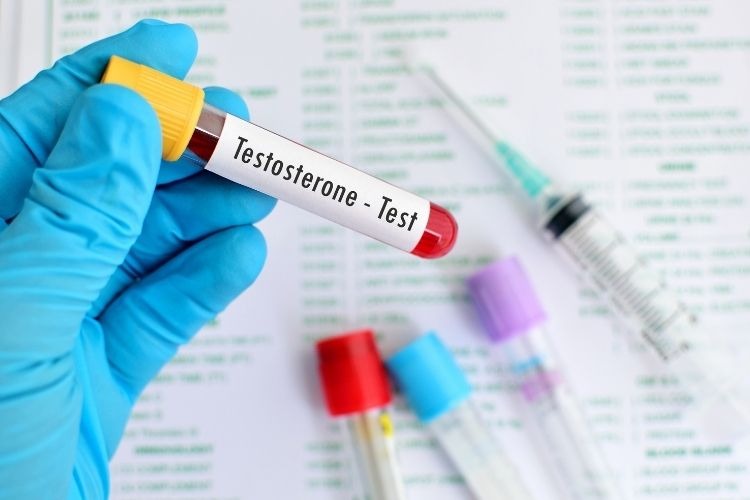
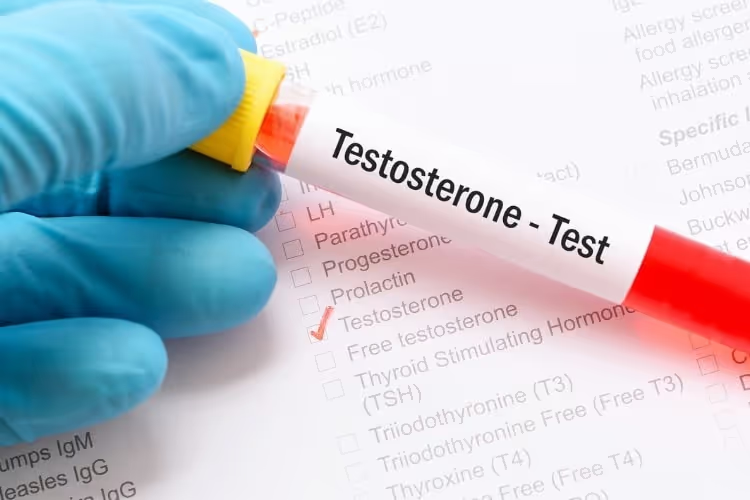
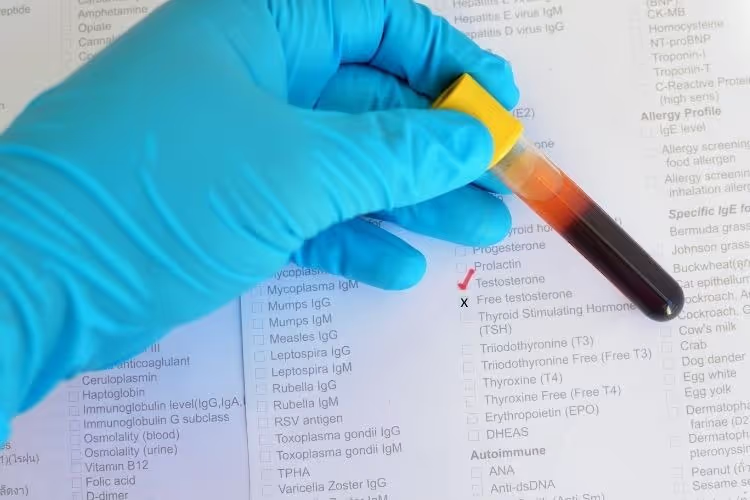
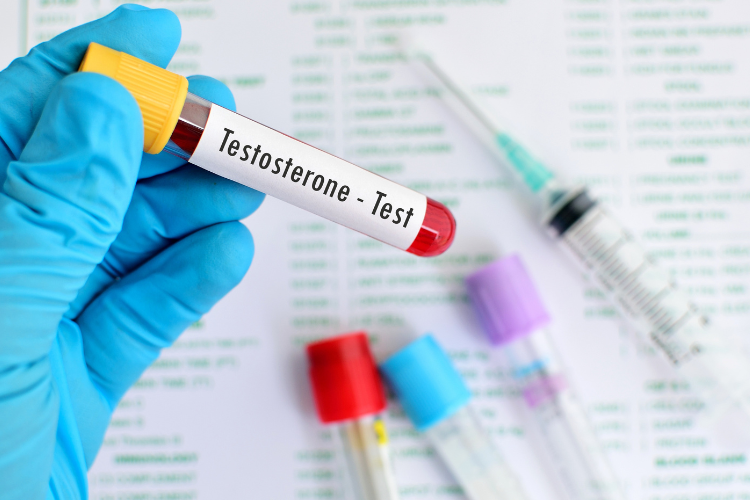
Doctors measure testosterone levels using a blood test. This test must happen early in the morning, as testosterone levels drop naturally during the day. There are two separate blood tests on different days. One low reading on its own is not enough to make a diagnosis.
These blood tests measure:
By looking at hormone levels, doctors can confirm low testosterone, figure out the cause, and decide if treatment like TRT is needed. Low testosterone with high LH and FSH often indicates primary hypogonadism. Low testosterone with low or normal LH and FSH indicates secondary hypogonadism.
A proper diagnosis of male hypogonadism also includes ruling out the temporary causes of low testosterone. This requires additional testing.
Doctors often order additional tests to get the full picture and make sure nothing serious is being missed. These tests help identify any underlying issues or conditions that might be causing low testosterone.
One of the most important is imaging, such as MRI. An MRI can show pituitary gland problems or brain tumors, which would affect the brain's ability to send the right signals to the testicles to produce testosterone.
Doctors will also perform other blood tests to check for thyroid issues, as the thyroid helps regulate metabolism and hormone levels. If the thyroid is underactive or overactive, it can indirectly lower testosterone. Iron levels are also checked to make sure you don't have anaemia or other conditions that could affect energy and hormone production.
Finally, doctors also review overall health markers, including blood sugar, cholesterol, and liver function. Metabolic health is closely linked to hormonal balance, so addressing underlying issues is important to improve hormone levels naturally.

Testosterone treatment therapy (TRT) for hypogonadism sounds serious, but the idea behind it is actually very simple. TRT helps men whose bodies are not making enough testosterone get their levels back into a healthier range. When testosterone levels drop too low, it affects energy, mood, strength, sex drive, and quality of life. TRT exists to help fix that imbalance.
One of the best things about testosterone therapy is that many men start noticing the changes fairly quickly (some as early as 21 days into their treatment). Energy levels usually improve first. Mood also lifts, and brain fog begins to clear soon after. Over time, muscle strength improves, body fat decreases, and sex drive returns. For many men, TRT feels like getting a missing piece back.
But TRT isn’t for everyone. Doctors' checklists include the following before they consider prescribing testosterone therapy:
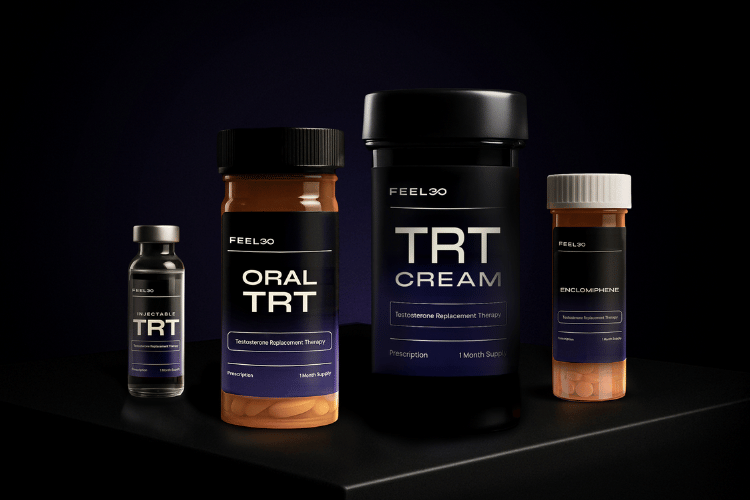
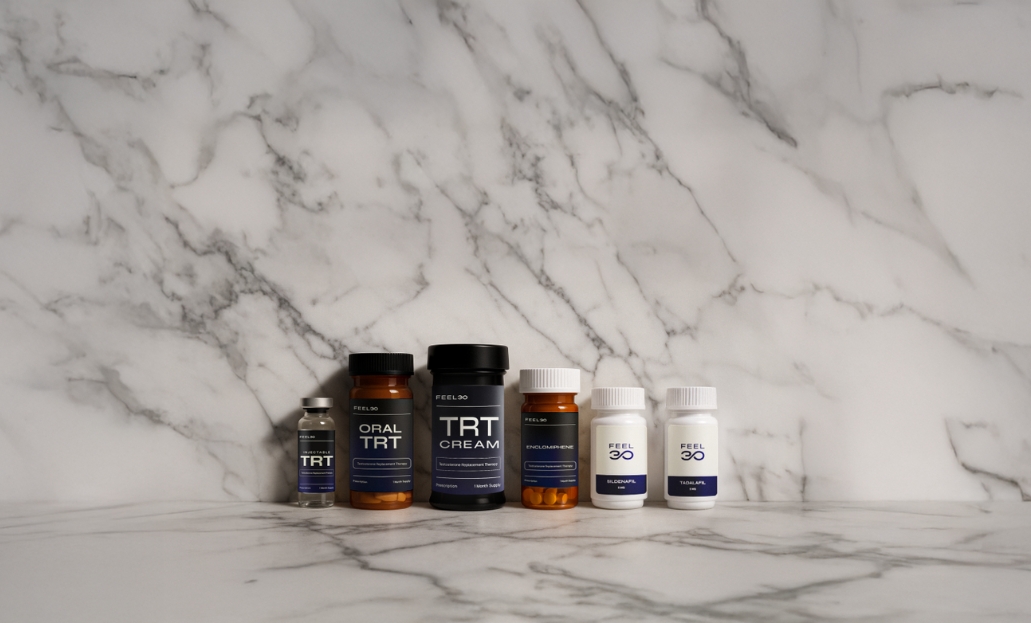
Brands like Feel30 have a wide variety of TRTs that help increase testosterone levels and relieve the symptoms of male hypogonadism.

There are several testosterone-increasing treatments available, including:
Testosterone gel or testosterone cream is easy to use and is applied to the skin daily. It keeps hormone levels steady. Our testosterone cream is formulated with pharmaceutical-grade free testosterone and delivers consistent and reliable results.
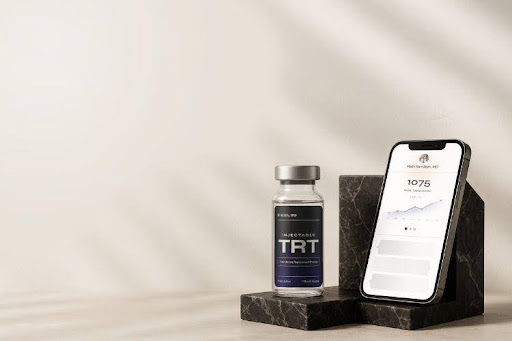
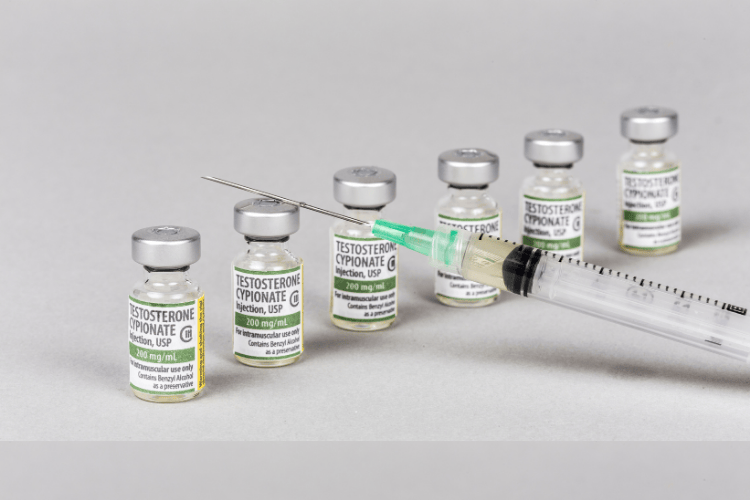
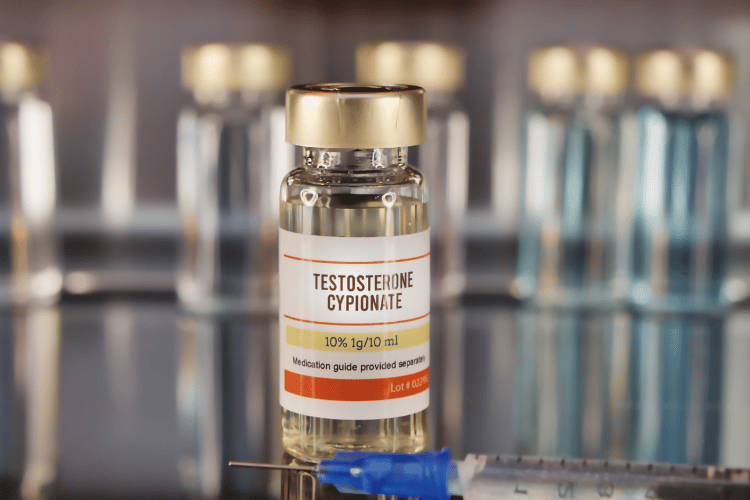
Hormone injections like testosterone cypionate or testosterone enanthate are given weekly or biweekly. Our testosterone cypionate contains pharmaceutical-grade testosterone and is self-administered in the comfort of your own home.
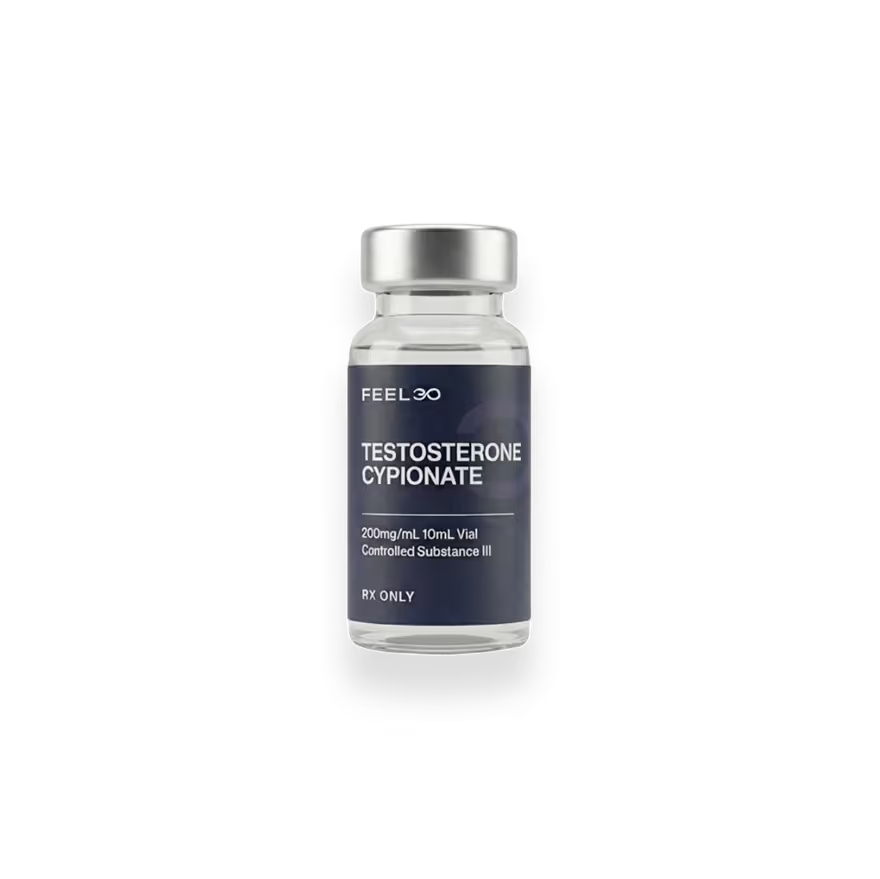
Supports energy, focus, sexual health, and overall wellbeing
Shop NowOral testosterone treatments like testosterone undecanoate are newer options that help treat the symptoms of hypogonadism without affecting the liver. Our oral TRT contains pharmaceutical-grade testosterone undecanoate made in registered US facilities under strict quality control standards.
These tablets are a simple option that requires taking one tablet daily. Enclomiphene has two main ingredients: enclomiphene and citric acid, which combine to form enclomiphene citrate. Enclomiphene is a selective estrogen receptor modulator (SERM). It works by enhancing the body’s own hormone signaling rather than replacing testosterone.
TRT isn't for everyone. What works for one person may not work for another. Men with prostate cancer or heart conditions may also need other options. Testosterone therapy can also lower sperm count, so fertility plans should be discussed before starting treatment.
Testosterone therapy can make a real difference for men with low testosterone and sexual dysfunction. The goal is not to change who you are, but rather to help get your body back to a healthier balance. Here's how TRT helps:
TRT helps many men feel better, but it's still a medical treatment. Like any other treatment, it has potential risks. Here are the risks of testosterone replacement therapy:
It helps to take a step back and look at the full picture when it comes to testosterone replacement therapy and male hypogonadism. TRT is not a quick fix to regulate your testosterone levels, but rather a medical treatment designed to help men whose bodies aren't making enough testosterone on their own. Like any treatment, it has clear benefits and real risks. The most important thing is understanding both and finding the right balance.
For men with hypogonadism, low testosterone affects almost every part of daily life. TRT helps by restoring testosterone to a healthy range. The benefits of testosterone therapy go beyond how you feel today.
At the same time, TRT is not something to start without careful thought and under the advisement of a doctor. There are real risks to consider, and they require proper medical guidance.
This is where the bigger picture becomes important. TRT works best when doctors diagnose hypogonadism correctly, rule out reversible causes, and personalize the treatment. Regular monitoring also helps catch issues early and allows adjustments before problems develop. In many cases, the risks stay low when doctors manage testosterone therapy carefully.
For men with hypogonadism, it's about their quality of life. TRTs restore balance, confidence, and vitality.

Male hypogonadism means your body doesn't make enough testosterone. Testosterone is the hormone that helps control energy, mood, sex drive, muscle mass, and focus. When testosterone levels drop too low, men feel tired, less motivated, and not like themselves. Male hypogonadism is common and very treatable once it's properly diagnosed.
Most men will notice the symptoms of male hypogonadism first. Things like low energy, low sex drive, and erectile dysfunction are common, along with brain fog and loss of strength. Doctors will first confirm male hypogonadism with blood tests done in the morning. If the symptoms and lab results line up, testosterone replacement therapy might be an option.
TRT and other testosterone therapy is safe when a doctor prescribes and monitors them correctly. Doctors will check blood levels, prostate health, and other risk factors regularly. TRT is not something you guess at or do without guidance. When it's done properly, many men use it safely for years and feel much better. Primary hypogonadism is lifelong and requires treatment to increase testosterone levels. Unlike primary hypogonadism, secondary hypogonadism can be reversed if there is some other cause, like a pituitary tumor.
For many men, yes, it can. TRT improves mood, energy, focus, confidence, and, most importantly, sex drive. It doesn't turn you into a different person, but rather helps bring you back to your normal self again. Most men describe it as feeling clearer, steadier, and more engaged with life again.
Yes, in some cases, it can, and this is a big deal. TRT can lower sperm production, which then affects fertility. If you want children in the future, it's important to talk to your doctor before starting testosterone therapy. There are other treatment options that protect your fertility while helping to regulate hormone levels.
Male hypogonadism is more common than many men realize. Often, its reach is far beyond low energy or an annoying drop in sex drive. For many men, it affects mood, focus, strength, and quality of life. Recognizing the signs early and getting a proper diagnosis is the first step towards feeling better and regaining that balance. Luckily, hypogonadism is treatable. In fact, many men see huge improvements with the right approach.
Once you have a diagnosis, the important conversation around testosterone replacement therapy starts. TRT offers life-changing benefits for men who truly need it. Many men notice more energy, better focus, improved mood, and a healthier sex drive in as little as three weeks of starting TRTs.
By getting a proper diagnosis, understanding treatment options, and choosing products from a reputable brand such as Feel30, men can reclaim their lives. Taking control starts with recognizing the problem and seeking the right care.
Take the first step toward renewed energy and confidence with Feel30’s expert care.




4.9 out of 5 · 2,400+ reviews


Always Tired, Gaining Weight? Low T Was the Real Reason
Is Low T Hurting Your Relationship?
This gaming laptop is a powerhouse, equipped with the latest graphics card and a high-refresh-rate display.
Jane Smith
Feel30 has completely changed the game for me. I feel more energized, focused, and confident like I did years ago.
Emily Johnson
This smartphone offers an exceptional camera experience, with stunning low-light performance and vibrant colors.
John Doe
What are you waiting for?
Take the first step toward renewed energy and confidence with Feel30’s expert care.


Feel 30 again with physician-supervised treatment that restores the energy, confidence, and performance you remember. No hassle or hidden fees.