Stay informed with expert insights on testosterone therapy, men's health, and performance optimization.

Men, have you been feeling off lately? We're talking lower energy, low libido, reduced motivation, and loss of muscle mass? Chances are, you've started wondering about your testosterone levels. Once you start looking into testosterone support, one name keeps coming up: enclomiphene citrate.
But what is enclomiphene, really? Is it the same as testosterone replacement therapy? Is it safer? More natural? Better for fertility? Or is it just another hormone trend that makes big promises and doesn't actually deliver?
In this guide, we discuss what enclomiphene does, how it works, who it's for, and how it compares to traditional testosterone replacement therapy (TRT).
Enclomiphene citrate is a medication used in men with secondary hypogonadism. This is a type of male hypogonadism in which the testicles are capable of functioning, but the signal from the brain is weak or inconsistent. It belongs to a class of medications called a selective estrogen receptor modulator, also known as an estrogen receptor modulator or SERM.
According to research published in the Archives of Endocrinology and Metabolism, enclomiphene blocks estrogen receptors in the brain. Enclomiphene therapy is not about flooding your body with synthetic testosterone. It is about helping your body restart its own natural testosterone production if the problem is coming from the signaling between your brain and testicles.
When estrogen binds to estrogen receptors, it creates a loop. That loop tells your body that testosterone levels are fine, which reduces luteinizing hormone and follicle-stimulating hormone production.
Enclomiphene blocks estrogen receptors at the hypothalamic pituitary gonadal axis. When this happens, the brain interprets that estrogen levels are lower than they actually are. The pituitary gland responds by increasing luteinizing hormone (LH)and follicle-stimulating hormone (FSH).
Those signals, LH and FSH, stimulate the testicles to increase testosterone production and support sperm production. So enclomiphene therapy doesn't replace testosterone. It stimulates natural testosterone production by correcting signaling.

Many people confuse enclomiphene citrate with clomiphene citrate. Yes, they're related, but they're not identical. A study published in The Journal of Urology found the following differences:
Clomiphene citrate has been used for decades in reproductive medicine, but primarily for female infertility. It contains two isomers:
Zuclomiphene citrate has a much longer half-life and causes side effects like mood swings and other estrogenic side effects.
Enclomiphene citrate, on the other hand, isolates the isomer responsible for increasing LH and FSH levels. It also causes far fewer estrogenic side effects and fewer mood swings for men.
To understand how enclomiphene stimulates testosterone production, it's important to first understand how the body regulates hormone levels. Estrogen receptors in the brain help regulate the hypothalamic pituitary gonadal axis. And when estrogen binds to those receptors, it signals that enough testosterone is present. In turn, that lowers LH and FSH levels.
Researchers at Mayo Clinic found that, in some men with secondary male hypogonadism, LH and FSH are low or appear within the normal range even though the total testosterone is low. By blocking estrogen receptors, enclomiphene stimulates the pituitary gland to increase LH and FSH. Higher LH and FSH levels lead to increased testosterone production and support sperm production.
Simply put, enclomiphene therapy supports natural production and does not replace testosterone.
Enclomiphene citrate is typically considered for men with secondary hypogonadism.
Men with secondary hypogonadism may have:
Most importantly, it is for men whose testicular function is still intact. In their case, the issue lies in signaling and not structural failure or testicular atrophy. Men with primary hypogonadism - where the testicles can't respond properly to LH and FSH - may not benefit from enclomiphene therapy.
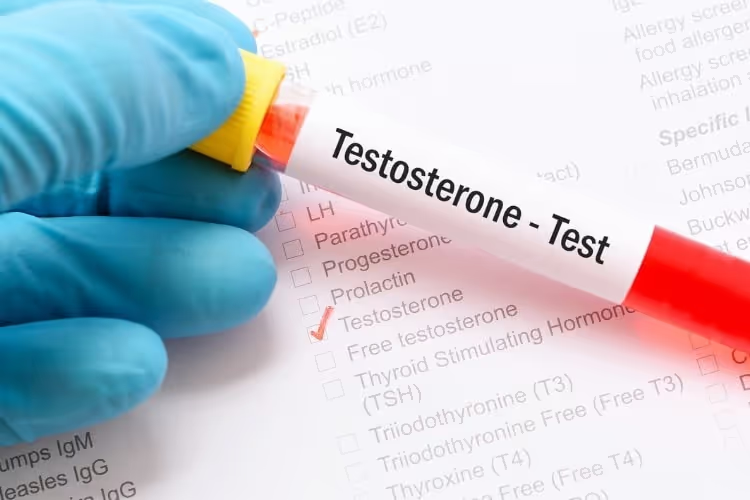
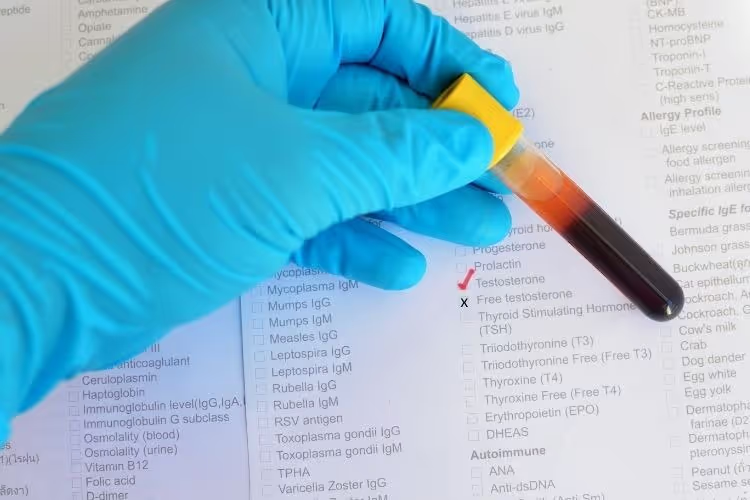
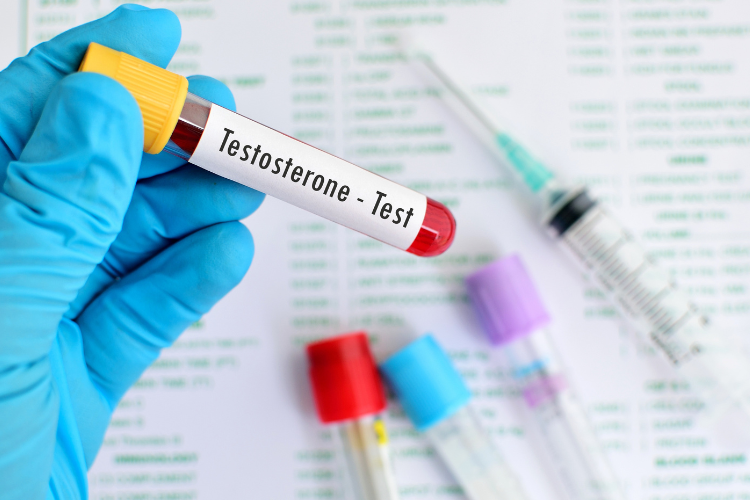
This is why blood tests matter. Total testosterone, serum testosterone, LH and FSH levels, and other hormone levels should be evaluated carefully before starting any therapy.

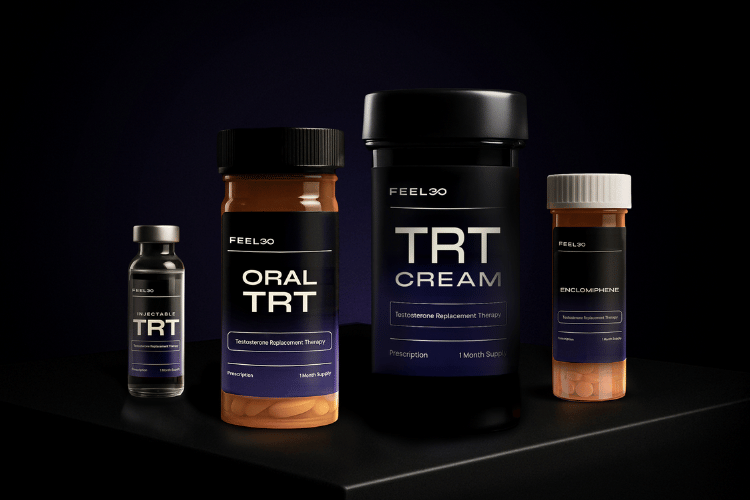
Traditional testosterone therapy (TRT) works a bit differently. There are a few different forms of TRT, like:
All of these replace testosterone directly. When you introduce synthetic testosterone into the body, the brain reacts by detecting high hormone levels. That suppresses LH and FSH levels. Suppressed LH levels reduce natural testosterone production and lead to decreased spermatogenesis.
This may cause:
Enclomiphene therapy increases LH and FSH levels rather than suppressing them. It also supports sperm production and helps maintain fertility, which is one of the biggest benefits for men with secondary hypogonadism.
A clinical study published in BJU International showed that enclomiphene citrate can raise total testosterone and serum testosterone levels in men with secondary hypogonadism. What makes this important is how it does it. Instead of shutting down your body’s own system, enclomiphene helps stimulate it. That means LH and FSH levels are maintained or even increased, rather than suppressed. For many men with secondary hypogonadism, that shift makes a real difference.
Men often report improvements in low libido and sexual function. They may notice better energy throughout the day instead of that constant drained feeling. Some see positive changes in body composition, such as improved muscle tone or less stubborn fat. Mood can stabilize. Motivation can return. Overall, there’s often noticeable symptom improvement when testosterone levels move back into a healthy range.
One of the biggest advantages is that enclomiphene therapy keeps the hypothalamic pituitary gonadal system functioning. In simple terms, your brain and testicles continue communicating the way they’re supposed to. Research conducted at Mayo Clinic in 2024 found that it’s very different from traditional testosterone replacement therapy, which can suppress LH and FSH and slow down natural testosterone production.
It’s also important to understand that dosing is dose-dependent. More is not always better. Higher doses don’t automatically mean better results and can increase the risk of side effects. That’s why regular blood tests are essential. Monitoring hormone levels helps ensure total testosterone, LH, and FSH stay within the normal range and that treatment is working safely and effectively.

No, not yet. Enclomiphene is considered off-label use. This means that the medication is used for a specific condition, population, or dosing schedule that’s not specifically listed on the FDA-approved labeling, even though clinical evidence supports its use.
Clomiphene citrate (Clomid) is FDA-approved for female infertility and has been used safely for many years in women who are trying to conceive. Enclomiphene citrate is related to clomiphene, but it’s a more targeted version. While enclomiphene has been studied extensively in men with secondary hypogonadism, it is not currently FDA-approved specifically for male hypogonadism.
That doesn’t mean it hasn’t been evaluated. Enclomiphene has gone through clinical research and has been reviewed by regulatory groups that assess certain medications and compounded treatments to make sure they meet safety and quality standards. These reviews look at how the drug works, how it’s made, and whether it can be used responsibly under medical supervision.
Still, because it isn’t FDA-approved specifically for male hypogonadism, it’s especially important that you don’t try to source or use it on your own. Hormone therapy isn’t something you want to experiment with.
That’s why working with a licensed medical provider such as Feel30 matters. They use proper blood tests, review your hormone levels carefully, and monitor your progress to make sure treatment is safe, appropriate, and tailored to you.
Testosterone replacement therapy is not something you just jump into. But it's not the only one for men suffering from low testosterone levels or hypogonadism. Feel30 is a brand focused on helping men by evaluating their hormone levels carefully before recommending any therapy. They don't treat anyone who asks, and treatment is only prescribed when blood tests confirm testosterone deficiency.
Here are a few other options:
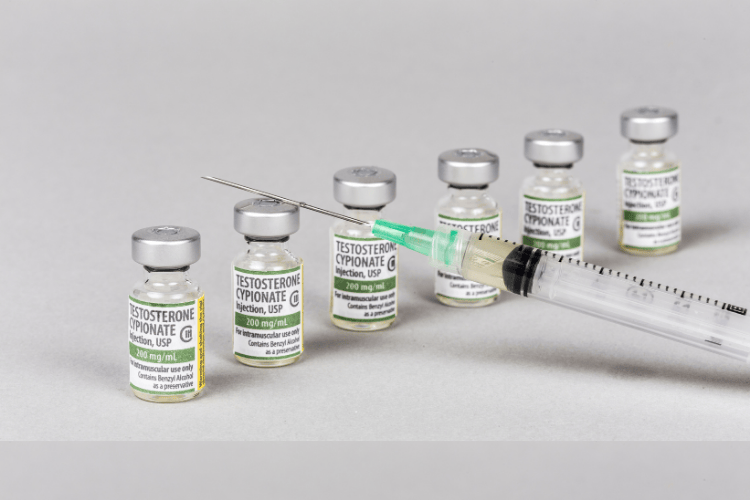
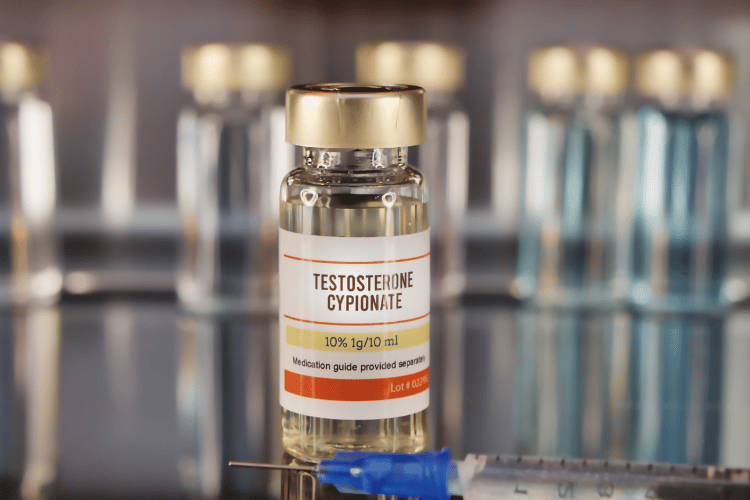
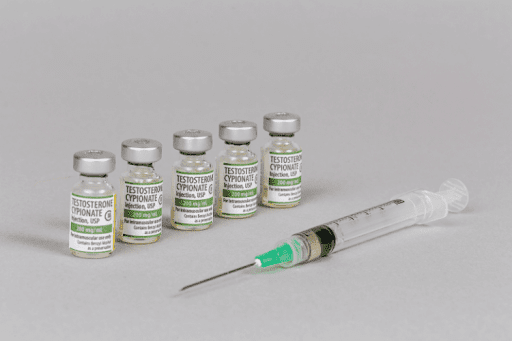
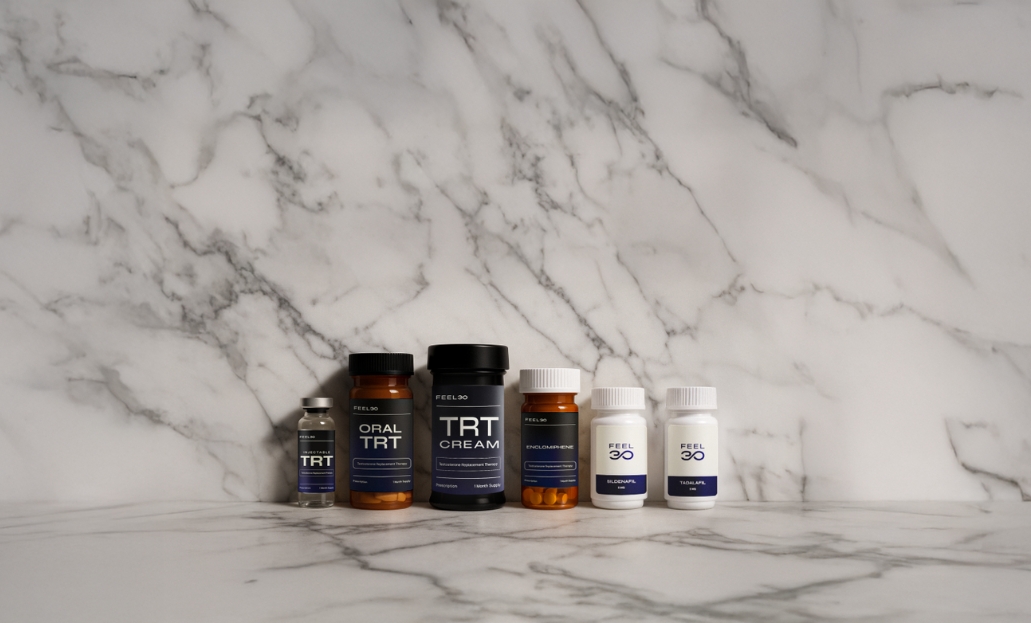
Testosterone cypionate is an injectable form of testosterone replacement therapy. It increases total testosterone directly and is often used for men with primary hypogonadism or more severe male hypogonadism. Because it replaces testosterone, it can suppress LH and FSH levels and reduce sperm production, so it might not be a good option for men who are focused on preserving fertility.
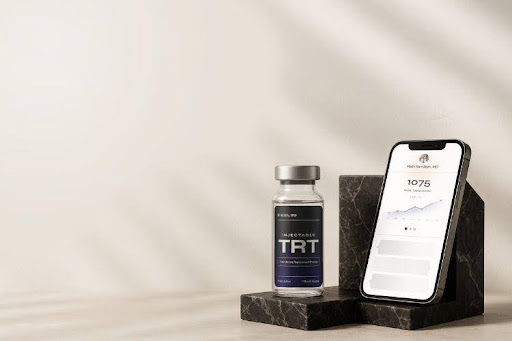
Testosterone cream is a transdermal testosterone option that works similarly to testosterone gel and topical testosterone. It can improve low libido, energy, sexual function, and muscle mass. Like other forms of traditional testosterone replacement therapy, it replaces testosterone and may suppress natural production over time.
Oral TRT is an option for men who prefer not to use injections or skin applications. It increases testosterone levels systemically and may help men with confirmed testosterone deficiency. Again, it replaces testosterone and may affect sperm production, so it's not recommended for men who want to preserve their fertility.
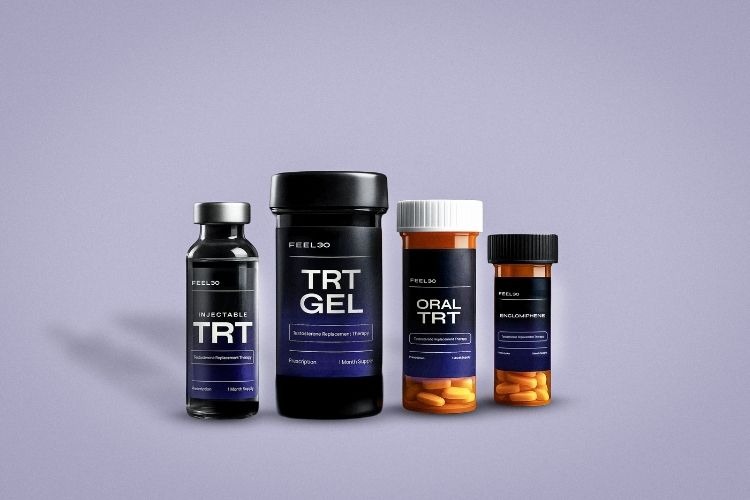
There is really no one-size-fits-all answer. But, it's a strong option for men with secondary hypogonadism who want to maintain fertility and preserve their sperm production because it stimulates natural testosterone production.
For men with primary hypogonadism, TRT might be better because the body can't produce testosterone on its own. The right answer ultimately depends on blood tests and your long-term health and fertility goals.
Yes, in many cases it does. Enclomiphene increases LH and FSH levels and supports sperm production rather than shutting it down. Traditional TRT often suppresses LH and FSH, which lowers sperm count.
Some men have reported mild mood swings or mood changes, especially early on. But, compared to enclomiphene citrate, enclomiphene causes fewer fluctuations because it doesn't include zuclomiphene citrate. Proper dosing and monitoring reduce the risk of adverse effects.
Enclomiphene is generally safe when it's prescribed appropriately and monitored with regular blood tests. Like any medication, it can have side effects. But working with a medical provider and monitoring hormone levels is important.
If you're dealing with low testosterone, low libido, reduced muscle mass, constant fatigue, or mood swings that just don’t feel like you, guessing isn’t the solution - testing is.
The only way to really understand what’s going on is through proper blood tests. Looking at your total testosterone, serum testosterone, LH and FSH levels, and other hormone levels gives you real answers. It shows whether you're dealing with primary hypogonadism, secondary male hypogonadism, or something else entirely. Without that information, you’re just chasing symptoms without knowing the root cause.
For men with secondary hypogonadism, enclomiphene therapy can help support natural testosterone production while preserving sperm production and maintaining fertility. For others, traditional testosterone replacement therapy may make more sense. The key is getting the right diagnosis first.
At Feel30, treatment isn’t based on guesswork. It’s based on blood tests, symptoms, and proper medical evaluation. The goal isn’t just to raise your numbers. It’s to restore balance safely and responsibly.
Take the first step toward renewed energy and confidence with Feel30’s expert care.




4.9 out of 5 · 2,400+ reviews


Always Tired, Gaining Weight? Low T Was the Real Reason
Is Low T Hurting Your Relationship?
This gaming laptop is a powerhouse, equipped with the latest graphics card and a high-refresh-rate display.
Jane Smith
Feel30 has completely changed the game for me. I feel more energized, focused, and confident like I did years ago.
Emily Johnson
This smartphone offers an exceptional camera experience, with stunning low-light performance and vibrant colors.
John Doe
What are you waiting for?
Take the first step toward renewed energy and confidence with Feel30’s expert care.


Feel 30 again with physician-supervised treatment that restores the energy, confidence, and performance you remember. No hassle or hidden fees.