







Low testosterone levels suppress libido and sexual function. Starting TRT can help restore your sexual performance and confidence.
Testosterone deficiency may cause constant feelings of exhaustion. If taking days off doesn't fully recharge you, your hormone levels may be out of balance. TRT can help.
Low testosterone can affect your body composition and fat distribution. It may make it harder to maintain normal muscle mass, leaving you feeling weaker despite hard labor.

Board-certified physicians design and adjust your protocol based on your bloodwork and medical history, not generic algorithms.
Bloodwork, medication, doctor consultations, and ongoing care team support included in one flat monthly rate.
Discuss your health concerns or schedule changes with your doctor by video, whether you’re at home or at your mining site.
A personal patient advisor guides you through every step of your treatment, from your initial consultation to ongoing refills.
You shouldn't have to spend your day off sitting in a crowded clinic waiting room just to check your hormone levels. We make testing easy so you can get clear answers about your health privately, between swings, and on your own time.

A licensed nurse visits your home or wherever you prefer, at a time you choose, and collects your sample in 5 minutes.
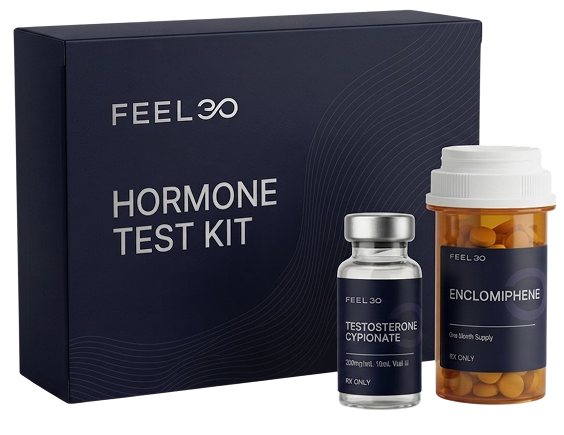
Live somewhere remote or prefer privacy? We ship an at-home testosterone kit straight to your door so you can take your own sample whenever it suits you and send it back.
Every at-home test kit includes Tasso technology. The device attaches to your upper arm and collects your sample automatically in under 5 minutes. No painful needles or traditional phlebotomy. Zero fuss.
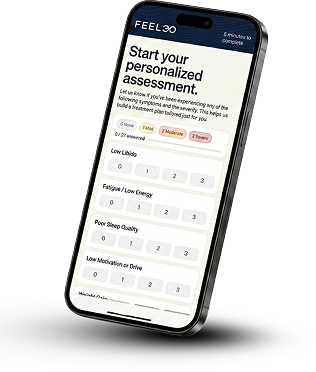
Fill in a 5-minute intake form on your symptoms, sleep, shifts, and medical history. Then choose between an at-home kit or a nurse visit for your bloodwork.
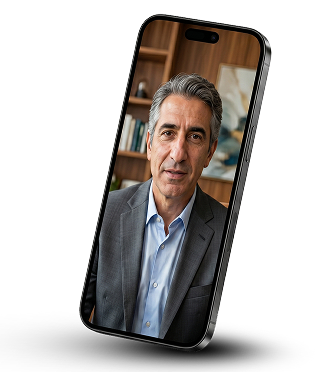
Your clinician reviews your lab results and health history with you over video and discusses whether TRT is appropriate for your health goals.
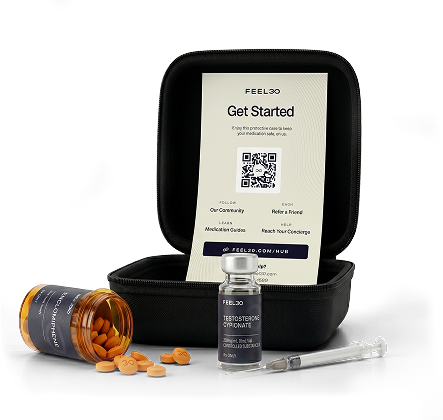
Receive your custom protocol delivered straight to your door, backed by ongoing bloodwork monitoring and regular doctor check-ins.
/mo

A full lab panel covering total testosterone, free testosterone, SHBG, estradiol, and a full blood count. Collect your sample with an at-home test kit, or book a concierge nurse to do it for you. A doctor reviews your results with you and decides if TRT is necessary, with no obligation to start treatment.
Your monthly subscription covers physician-guided testosterone therapy for men diagnosed with hypogonadism (low testosterone), medication, quarterly bloodwork, follow-up care, and medication delivery coordinated around your swing schedule.
Planning a family? Testosterone therapy can reduce sperm production, so your options matter. Here’s how they compare.


Proven, reliable results

Family planning
I've been into health optimization for years — tracking recovery, training consistently, dialing in nutrition — but my energy and drive had been quietly declining and I knew my testosterone levels were part of the issue. The problem was every clinic I looked at either had a 3-week wait, charged hidden fees on top of hidden fees, or made me feel like I was just a number.
Super easy process and dealt with real people within 24 hours
Since turning 40 last year, I've felt very lethargic and I'd have crazy afternoon burnout. Also, I had very little interest in being intimate with my wife. Thankfully, I came across Feel30 and got my blood work checked. It turns out that my testosterone levels were insanely low, and I have no idea how I was functioning. The doctor was shocked how I was functioning at the level I was at. He said I was running at the levels of a 70 year old male.







FEEL30 works with board-certified specialists in hormone health and preventive medicine. You'll have a dedicated, licensed U.S.-based physician who reviews your medical history, symptoms, medications, bloodwork, and health goals to determine whether TRT is right for you. They also monitor your response, review potential risks, and adjust treatment as needed, with video consultations available even during long rosters.
Testosterone replacement therapy, also called androgen replacement, describes a medical treatment for hypogonadal men (men with confirmed testosterone deficiency).
Male hypogonadism is a medical condition where the body doesn’t produce enough testosterone. It is typically diagnosed when a person has symptoms such as fatigue and low libido and their testosterone levels are lower than 300ng/dL, the cut-off used in the American Urological Association (AUA) guideline. The Endocrine Society also states that a diagnosis requires symptoms plus consistently low testosterone levels.
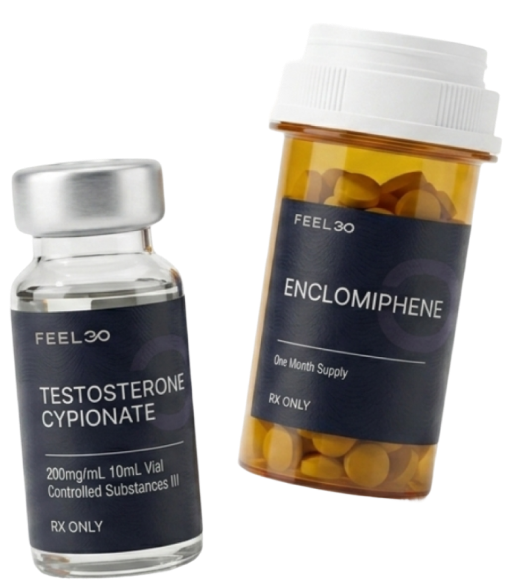
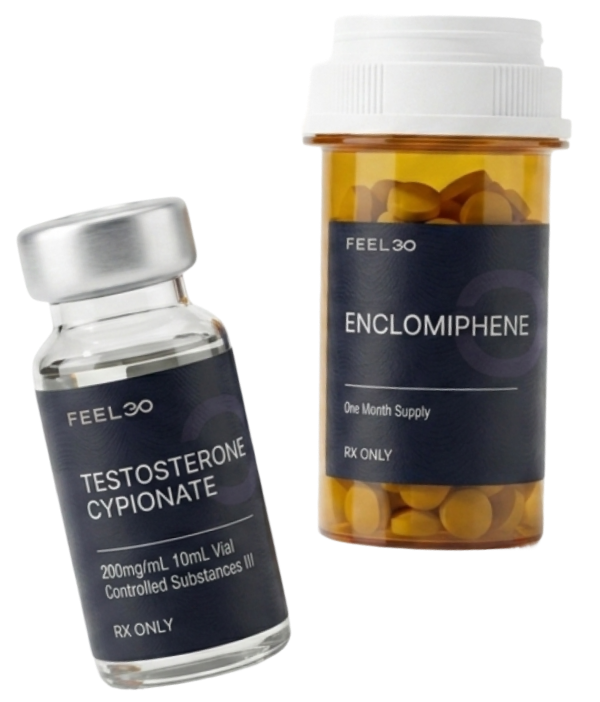
The aim of TRT is to raise low testosterone levels back into the normal range of 300-1,000 ng/dL, using exogenous testosterone (testosterone that comes from outside the body). FEEL30 offers injectable testosterone cypionate and oral enclomiphene, depending on your bloodwork and treatment goals (e.g., family planning).
Generally, low testosterone can develop because of aging, testicular injuries, certain medical conditions, and previous anabolic steroid use. When it comes to former athletes, years oMining itself doesn’t cause low testosterone levels, but the working conditions and lifestyle behind it can contribute to it.
Miners commonly run long shifts, which can mean they don't get enough sleep and may not have time to eat a healthy diet. When you also consider the high physical stress of the job, these habits can suppress natural hormone production.
One study of miners on 12-hour shifts found workers averaged about 6 hours of sleep on shift days compared to 7.4 hours on days off.¹ Furthermore, a study comparing copper and cobalt miners to non-mining controls found lower free testosterone levels and higher rates of erectile dysfunction among the miners.²
Aside from the mining lifestyle of chronic sleep deprivation and irregular shifts, factors such as normal aging, underlying health conditions, some medical treatments like chemotherapy, excess body fat, and injury to the testicles can also cause a gradual reduction in testosterone levels.
The best way to know for sure whether your symptoms are due to general work burnout or an actual testosterone deficiency is with a blood test.
¹Ferguson SA, Baker AA, Lamond N, Kennaway DJ, Dawson D. Sleep in a live-in mining operation: the influence of start times and restricted non-work activities. Appl Ergon. 2010;42(1):71-75.
²Obadia PM, Kitenge JP, Kuhangana TC, et al. Erectile dysfunction in copper and cobalt miners: a cross-sectional study in the former Katanga province, Democratic Republic of the Congo. Sex Med. 2023;11(5):qfad052.
f intense training and inadequate intake of calories can result in hormonal changes that affect testosterone levels. Some former athletes may also experience the following conditions:
Recovery from these conditions varies from one person to another. Some men may experience persistent symptoms. It’s important to identify the underlying cause of low testosterone levels, because low T doesn’t always require replacement therapy. A licensed provider may consider other approaches such as enclomiphene, which stimulates natural production of testosterone.
Common signs of low testosterone include:
Some of these low T symptoms are similar to those of work burnout, which makes it hard to tell what is causing the problem. Your FEEL30 provider will review your bloodwork and symptoms to determine whether low testosterone may be contributing to your concerns before recommending treatment.
In men with confirmed low testosterone, the most common benefit of TRT is improved sexual health, including erectile function and higher libido. It can also lead to improvements in mood and cognitive focus, which is essential for miners who work under pressure.
There are other potential health benefits as well. Research suggests TRT may improve bone density in older men, which supports bone health.¹ One major trial found that testosterone treatment combined with a lifestyle program focused on diet and physical activity reduced progression to type 2 diabetes by 40% in at-risk men.²
Low testosterone does contribute to low energy, but testosterone treatment isn't a quick fix for general tiredness caused by shift rotations and sleep loss. You can expect it to restore your hormone health, but it isn’t a replacement for proper sleep.
¹Snyder PJ, Kopperdahl DL, Stephens-Shields AJ, et al. Effect of testosterone treatment on volumetric bone density and strength in older men with low testosterone: a controlled clinical trial. JAMA Intern Med. 2017;177(4):471-479.
²Wittert G, Bracken K, Robledo KP, et al. Testosterone treatment to prevent or revert type 2 diabetes in men enrolled in a lifestyle programme (T4DM): a randomised, double-blind, placebo-controlled, 2-year, phase 3b trial. Lancet Diabetes Endocrinol. 2021;9(1):32-45.
Yes, testosterone therapy is an FDA-approved treatment. It is generally safe for men who are confirmed to have low testosterone levels, especially when the therapy is properly prescribed and monitored by a licensed medical provider.
The largest clinical study on TRT safety (the TRAVERSE trial) found that testosterone replacement didn't increase the risk of major heart attacks or strokes. But it did cause small increases in secondary risks like blood clots and irregular heart rhythms (atrial fibrillation). The researchers also observed acute kidney injury in some men.
These findings are why doctors consider each man's health risks before prescribing TRT and why they monitor potential side effects closely.
Your FEEL30 provider will look at your lab results and symptoms, in addition to your medical history and lifestyle as a miner, to determine whether TRT is safe for you. Once you're on a treatment plan, your provider will review your bloodwork periodically and adjust your treatment as needed.
One side effect to monitor during TRT is erythrocytosis, an increase in red blood cell count. It occurs more frequently with injectable testosterone than with some other formulations. Heat and heavy physical exertion can cause dehydration, which can further thicken your blood.
FEEL30 follows general clinical guidelines that recommend checking hematocrit levels before starting TRT, with regular monitoring at 3 to 6 months and yearly after that. If your red blood cell count goes above safe limits (54%), your protocol will be adjusted or paused.
Other potential side effects of testosterone use include slight blood pressure increases, fluid retention, oily skin or acne, skin reactions at the injection site, breast tenderness, suppressed sperm production, and worsened sleep apnea.
Initial and ongoing monitoring is essential here at FEEL30. It helps us monitor your testosterone levels while evaluating your risk for potential side effects before and during treatment.
Testosterone replacement therapy isn't recommended for men with active prostate cancer or male breast cancer, an elevated red blood cell count, severe untreated sleep apnea, a recent heart attack or stroke, severe heart failure, or uncontrolled high blood pressure.
Standard injectable TRT suppresses sperm production and affects fertility, so miners in their 30s and 40s who want children must let their provider know so they can consider other alternatives. If this is the case for you, your FEEL30 provider may recommend enclomiphene, which can raise your testosterone levels without affecting your fertility.
If you're a miner on a fly-in-fly-out (FIFO) roster, rest assured that your FEEL30 TRT plan will be built entirely around your swing schedule. You won't need to take time off work or travel to a clinic for bloodwork, because we come to you.
All you need to do is fill in the 5-minute free assessment, then either choose a nurse to visit you at home or use an at-home kit on your days off. A licensed provider reviews your lab results, and if eligible, you will receive a personalized protocol with medication delivered in 3 to 5 days.
Every three months after starting treatment, your testosterone levels are rechecked with quarterly bloodwork and follow-up consultations to review risk factors and adjust your protocol as needed. You can also schedule a video consultation anytime to discuss symptoms or health concerns.
Note: Your FEEL30 provider may ask about your site’s occupational health requirements. Policies are different for every employer, so make sure to check your site's guidelines and share your prescription details with your workplace medical team, if needed to do so.
Yes. We will ship your medication in discreet packaging to your preferred address. You can expect to receive it within 3 to 5 business days of your prescription approval.
We strongly recommend using your home address instead of a mine site or camp mailroom to prevent your order from sitting in hot transit hubs or site reception. Notify your FEEL30 provider early if your swing schedule or roster dates change so they can adjust your protocol accordingly.
Low testosterone reduces sex drive and directly contributes to erectile dysfunction (ED). But ED is multifactorial, which means that it can be caused by a mix of different factors. If you're experiencing ED, it may be driven by blood flow issues, stress, sleep deprivation, medications, and long shift rotations.
TRT has consistently been shown to improve sexual desire and activity in men with low T, but its impact on erectile function alone is different from one person to another.
Your FEEL30 provider is a specialist in hormone optimization and sexual medicine; they'll assess your full sexual health and hormone levels. If your testosterone is low, TRT may help improve sexual desire. If your levels are normal, your provider will discuss other targeted treatments for ED, including sildenafil and tadalafil.
Pausing your testosterone treatment plan is a decision that should be made together with your provider, not on your own. Stopping and restarting your TRT leaves your hormone levels fluctuating wildly and skews the data from your ongoing blood monitoring.
If your roster or swing schedule makes it difficult to keep up with treatment, let your FEEL30 provider know early so they can adjust your dosage schedule or delivery method to seamlessly match your site rotation.