








Feeling exhausted even after getting enough sleep, with little energy left at the end of the day

Losing your train of thought, forgetting small details, or struggling to concentrate

A decline in sexual desire, less interest in intimacy, or fewer spontaneous erections

A board-certified physician will review your symptoms, results, and medical history to determine whether treatment is appropriate for you, then monitor your progress and adjust your plan as needed.
One flat monthly rate covers your bloodwork, medication, physician consultations, and ongoing care. No hidden fees or unexpected charges!
Speak directly with your provider about your treatment and progress without fitting another in-person appointment around your duty schedule.
A dedicated patient advisor will help you navigate your treatment journey, from start to finish.

Police work rarely follows a predictable schedule. That’s why we offer convenient testing options so you don’t have to wait for your days off to visit a clinic. Choose what works best for you.


A licensed medical professional can visit your home or any other appropriate location and collect your blood sample in minutes.

If you prefer to do it yourself, we’ll send you an at-home testosterone test kit so you can collect your sample without scheduling a nurse visit.
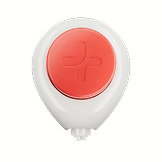
Our at-home kit includes Tasso, a small blood-collection device that doesn't require a conventional blood-draw needle or a phlebotomist appointment. Less hassle, less discomfort.
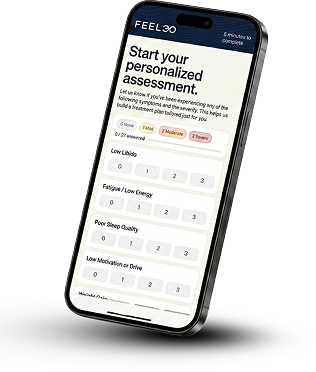
Answer a few quick questions about your symptoms, health history, medications, and daily routine. It only takes a few minutes.
Have a nurse collect your blood sample, use an at-home collection kit, or visit a nearby lab if you prefer to do so. Once your results are available, a licensed medical provider will review them alongside your symptoms and health history to see if TRT may be right for you.
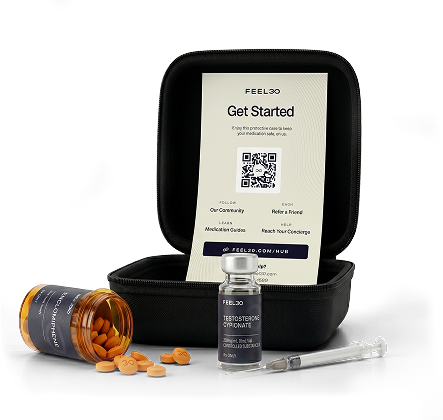
If a provider approves you for TRT, we’ll ship your medication discreetly to your address. Your provider will check in on your progress, review follow-up lab results, and adjust your treatment as needed.
Answer a few quick questions about your symptoms, health history, medications, and daily routine. It only takes a few minutes.
Have a nurse collect your blood sample, use an at-home collection kit, or visit a nearby lab if you prefer to do so. Once your results are available, a licensed medical provider will review them alongside your symptoms and health history to see if TRT may be right for you.
If a provider approves you for TRT, we’ll ship your medication discreetly to your address. Your provider will check in on your progress, review follow-up lab results, and adjust your treatment as needed.


/mo
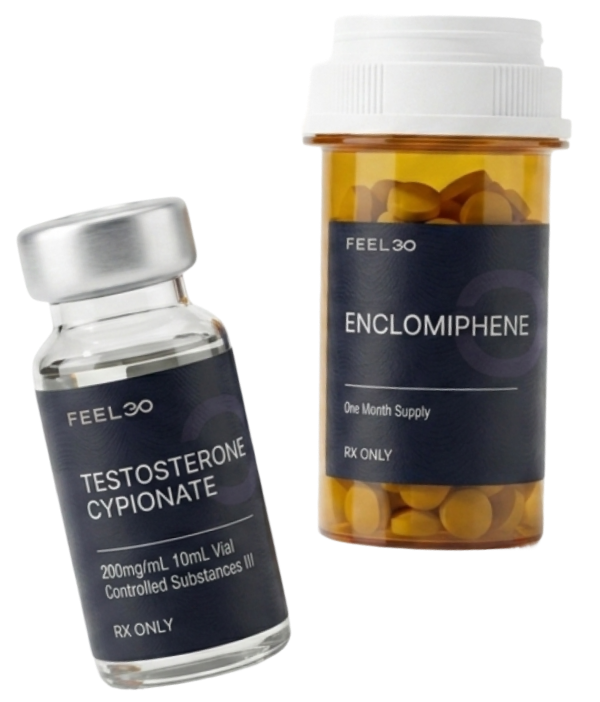
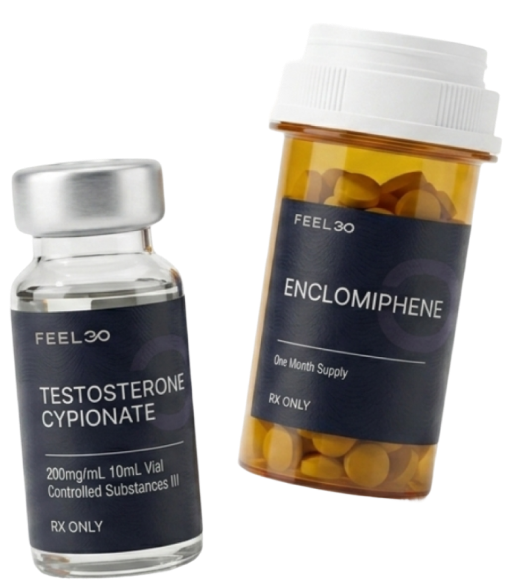
Check your testosterone levels on your schedule. Choose a concierge nurse visit or our convenient at-home test kit. A licensed provider will review your symptoms and results to determine whether TRT is appropriate for you.
Save yourself the hassle of paying separate bills for medication, bloodwork, and doctor visits. With Feel30, your monthly plan covers prescribed treatment, scheduled labs, consultations, delivery, and ongoing medical support with one all-inclusive fee. No hidden charges!
Not sure which treatment is right for you? Here’s how they compare.


Proven, reliable results

Family planning

I've been into health optimization for years — tracking recovery, training consistently, dialing in nutrition — but my energy and drive had been quietly declining and I knew my testosterone levels were part of the issue. The problem was every clinic I looked at either had a 3-week wait, charged hidden fees on top of hidden fees, or made me feel like I was just a number.
Super easy process and dealt with real people within 24 hours
Since turning 40 last year, I've felt very lethargic and I'd have crazy afternoon burnout. Also, I had very little interest in being intimate with my wife. Thankfully, I came across Feel30 and got my blood work checked. It turns out that my testosterone levels were insanely low, and I have no idea how I was functioning. The doctor was shocked how I was functioning at the level I was at. He said I was running at the levels of a 70 year old male.





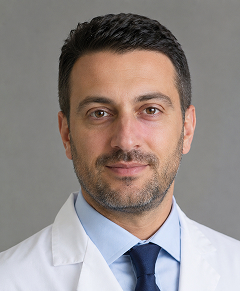

Police work life can make it hard to keep consistent healthcare appointments, especially when duty schedules change. Here at FEEL30, we work with board-certified specialists in hormone health, longevity, and preventive medicine. Throughout your treatment, you'll have a dedicated, licensed U.S.-based physician who’ll review your symptoms, medical history, current medications, bloodwork, health goals, and determine whether TRT is appropriate for you. Your physician will also review potential risks, monitor your response, and adjust your treatment when necessary to reflect your changing needs.
Feel 30 again with physician-supervised treatment that restores the energy, confidence, and performance you remember. No hassle or hidden fees.