








You’ve started pushing chores to tomorrow because you’re spent by late afternoon. Low testosterone can cause persistent tiredness, and poor sleep and stress can make it worse. TRT may help.

Does working on your farm feel harder than it used to? Testosterone deficiency may contribute to reduced muscle mass and strength. TRT can help support better body composition and stamina.

Low libido is a common sign of low testosterone, but it’s easy to blame tiredness or farm stress. A blood test shows if low T is behind it, and TRT may restore your sexual desire and function.

Board-certified physicians review your labs and symptoms, then design and adjust your TRT care plan over time.
One monthly rate covers your treatment, quarterly labs, consultations, and shipping. No hidden fees, ever.
Talk with your provider by video from the field or your kitchen table. No clinic, no waiting room.
A patient advisor helps you navigate your care journey, from answering your questions to scheduling your consultations.

A round-trip hour to a clinic can cost half a day when crops or livestock need you, and it costs even more in a busy season. That's why we've made it easier for you to check your testosterone from your comfort zone.
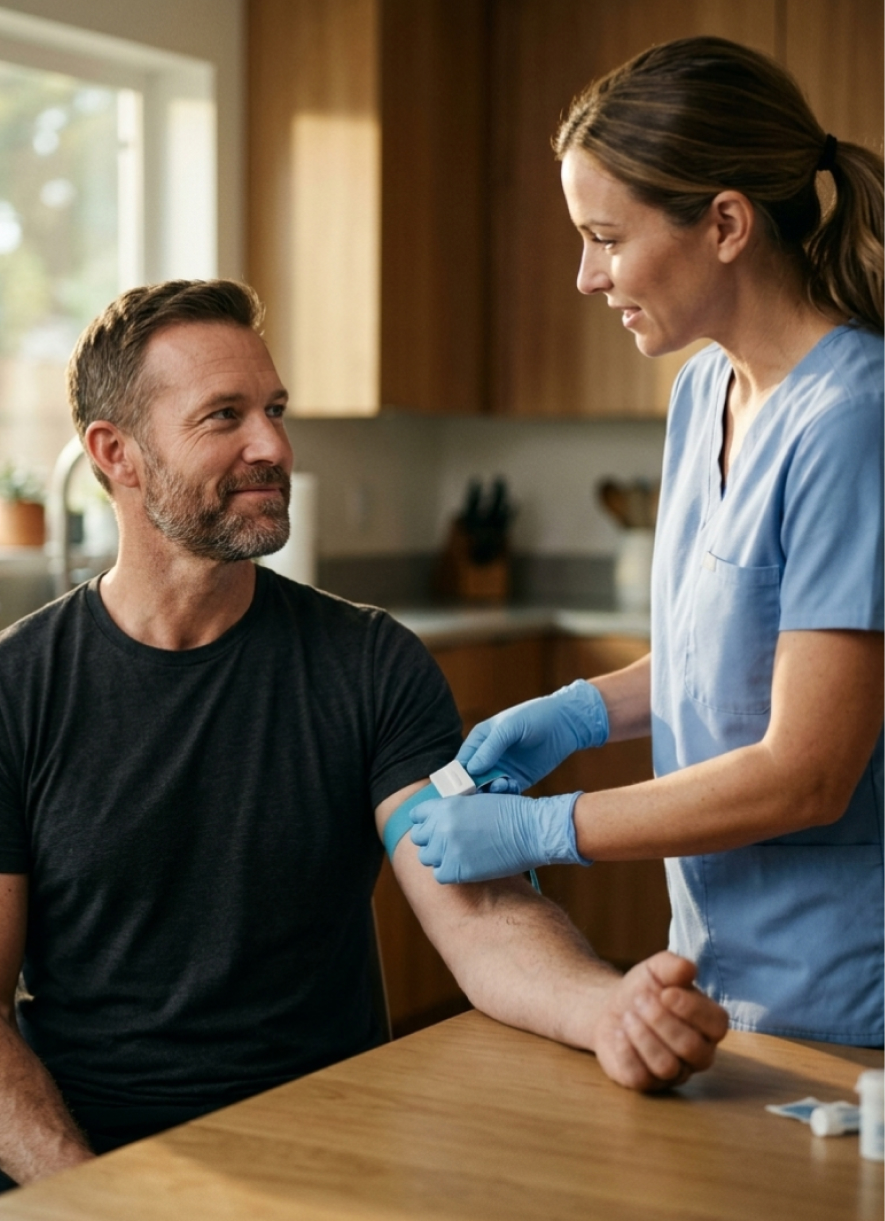

A licensed nurse meets you at your farm or wherever you’re working and collects your blood sample in minutes. Testosterone peaks in the morning, so an early visit gives us the most reliable reading.

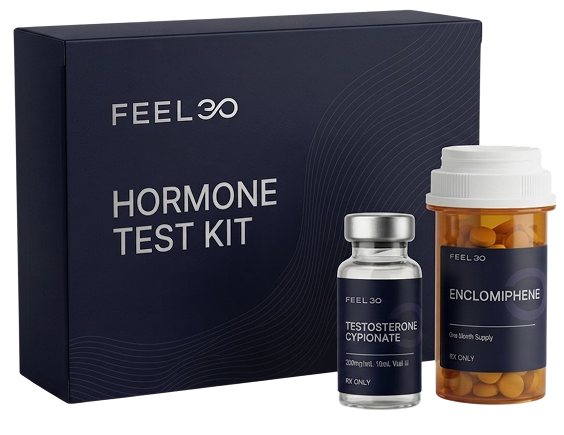
Prefer your privacy? We will mail you a hormone test kit so you can collect your sample whenever your schedule allows and send it back to us for review.
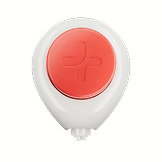
Tasso comes with our at-home hormone test kit, so collecting your sample is quick and virtually painless. It’s a small device that attaches to your arm and collects your blood at the push of a button.
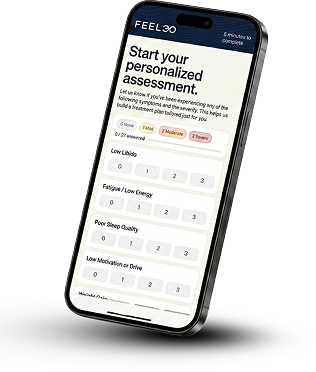
Fill in a 5-minute intake form covering your symptoms, health history, current medications, and goals. Then book a nurse visit or order a mailed kit.
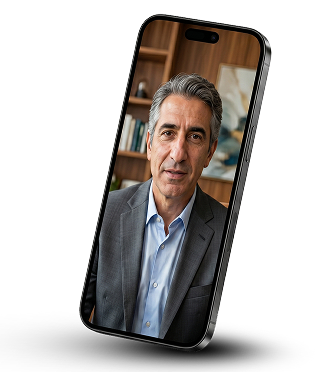
Your blood sample is collected in the way that works best for your schedule and lifestyle. Within 24 to 48 hours, you will meet a provider by video to go over your results and decide if TRT is right for you.
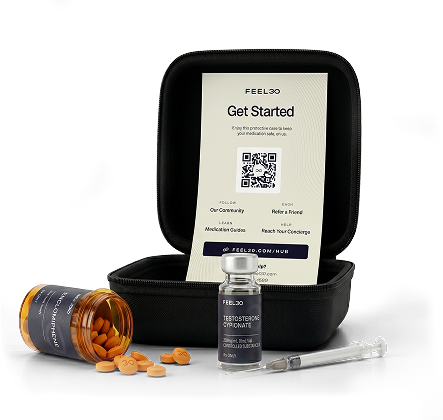
If you qualify, your medication will arrive at your door in 3 to 5 days. Your provider will check your T levels 30 days in, then quarterly, and adjust your dose as needed.
Fill in a 5-minute intake form covering your symptoms, health history, current medications, and goals. Then book a nurse visit or order a mailed kit.
Your blood sample is collected in the way that works best for your schedule and lifestyle. Within 24 to 48 hours, you will meet a provider by video to go over your results and decide if TRT is right for you.
If you qualify, your medication will arrive at your door in 3 to 5 days. Your provider will check your T levels 30 days in, then quarterly, and adjust your dose as needed.


/mo
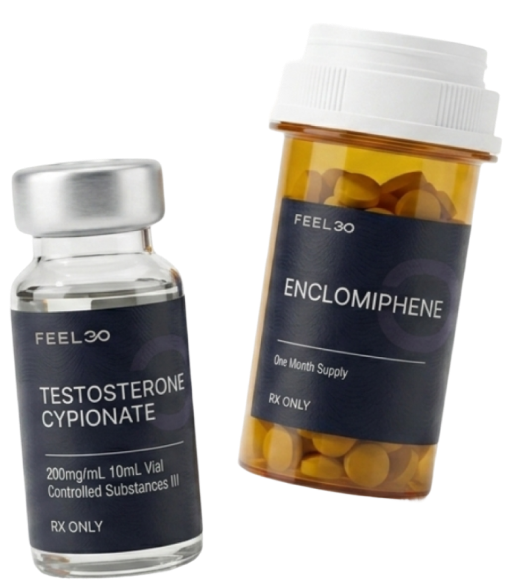
Choose a concierge nurse visit or an at-home test kit. A licensed provider reviews your symptoms and results and tells you whether low T is behind your fatigue and low sex drive, and whether TRT is right for you.
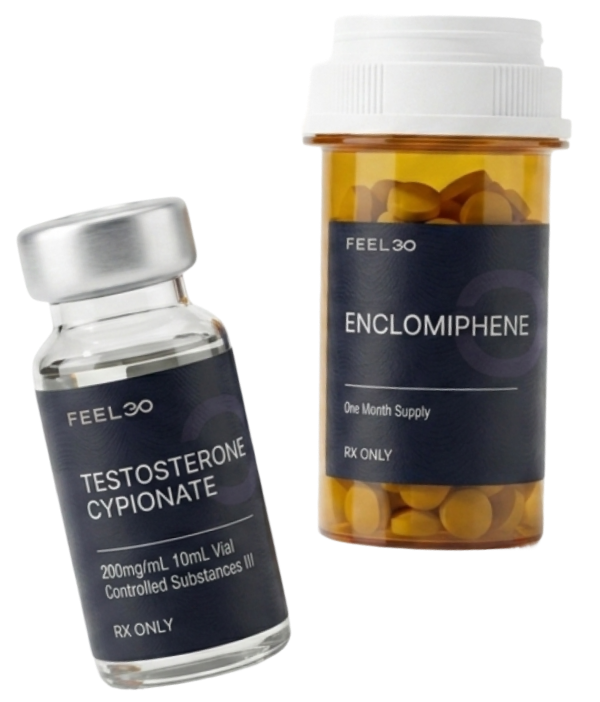
If your bloodwork and symptoms confirm low testosterone, your Feel30 provider creates a TRT protocol tailored to your results and lifestyle, and they will adjust your dose or timing as your body responds. Your monthly fee covers your medication, bloodwork, consultations, discreet shipping, and ongoing care/monitoring.
Not sure which treatment is right for you? Here's how they compare.

Proven, reliable results

Family planning

I've been into health optimization for years — tracking recovery, training consistently, dialing in nutrition — but my energy and drive had been quietly declining and I knew my testosterone levels were part of the issue. The problem was every clinic I looked at either had a 3-week wait, charged hidden fees on top of hidden fees, or made me feel like I was just a number.
Super easy process and dealt with real people within 24 hours
Since turning 40 last year, I've felt very lethargic and I'd have crazy afternoon burnout. Also, I had very little interest in being intimate with my wife. Thankfully, I came across Feel30 and got my blood work checked. It turns out that my testosterone levels were insanely low, and I have no idea how I was functioning. The doctor was shocked how I was functioning at the level I was at. He said I was running at the levels of a 70 year old male.





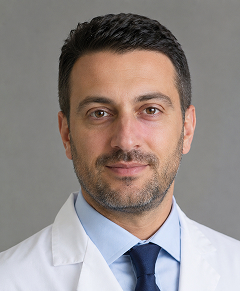

The nearest hormone specialist may be hours from your farm. With FEEL30, you can access care through video consultations. We work with board-certified specialists in hormone health, longevity, and preventive medicine. Throughout treatment, you'll have a dedicated, licensed U.S.-based physician who reviews your symptoms, medical history, medications, bloodwork, and health goals to determine whether TRT is appropriate for you. Your physician will also explain potential risks, monitor your response, and adjust your treatment as your needs change.
Feel 30 again with physician-supervised treatment that restores the energy, confidence, and performance you remember. No hassle or hidden fees.