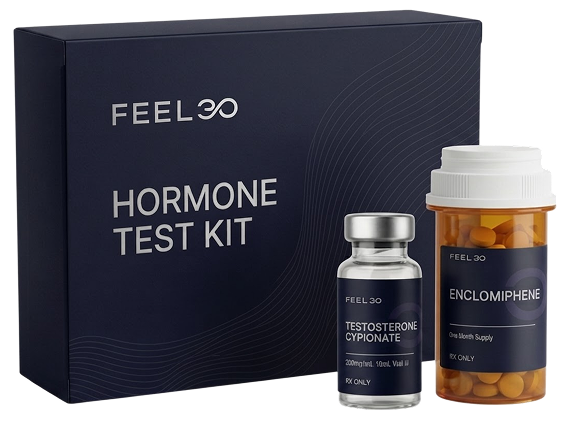









Exhausted even after a full night's sleep? Constant fatigue and low energy can signal low testosterone.

The muscle and strength you spent years building are harder to maintain, even when you stick to your training routine.

Noticing a drop in your sex drive? Reduced libido is a common symptom of low testosterone.

A board-certified physician designs and adjusts your treatment based on your bloodwork, symptoms, and history.
Our all-inclusive pricing covers your bloodwork, medication, physician consultations, and any ongoing care. No hidden fees, ever!
You can speak directly with your provider about your symptoms and progress.
A dedicated patient advisor helps you navigate your treatment journey, from start to finish.

Choose how you get tested. A licensed medical professional can come to you, or you can collect your own sample with an at-home kit.
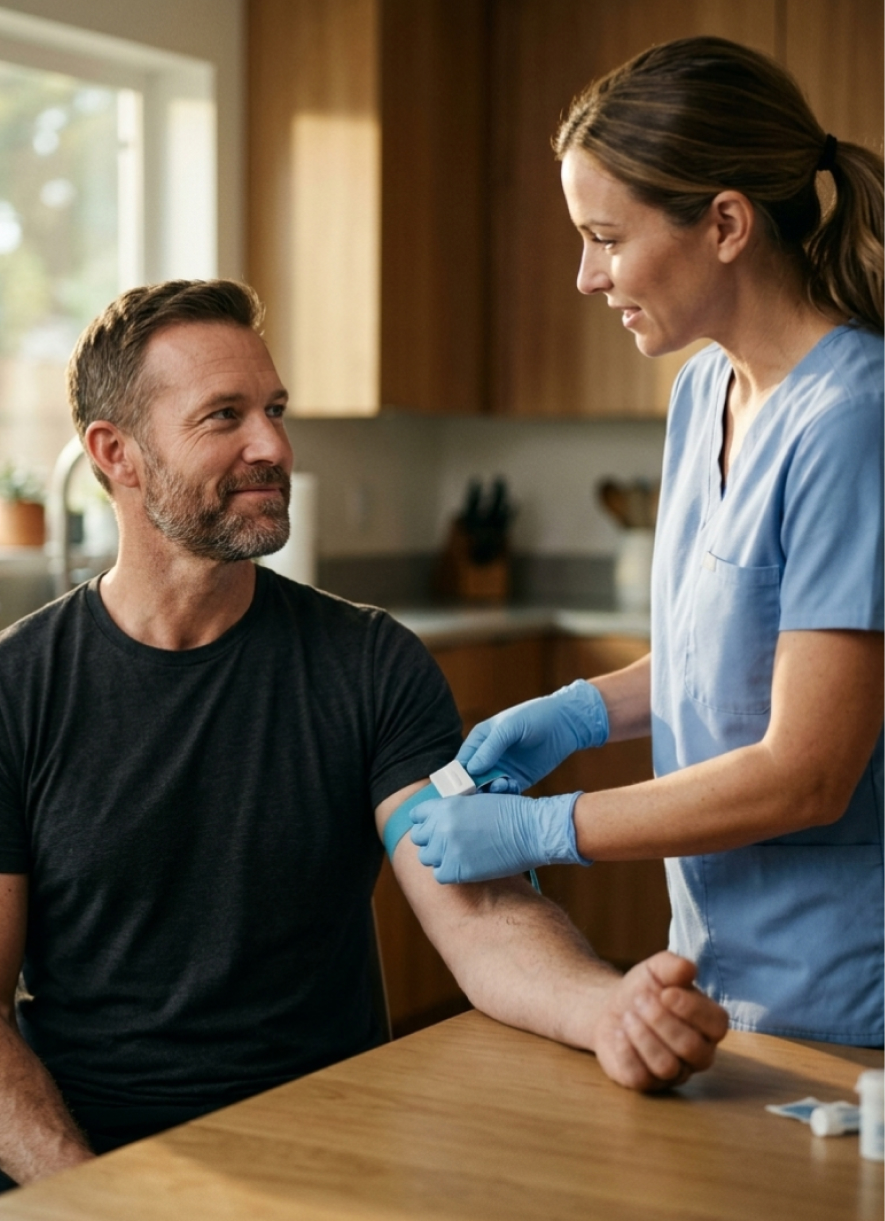

Get your bloodwork done at home, at work, or wherever you prefer. A licensed medical professional handles the collection in minutes.

Order an at-home test kit and collect your own sample in under five minutes.
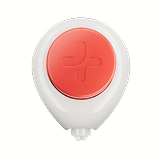
Tasso is a small at-home blood collection device included in our at-home hormone test kit to give our patients the best experience. No more painful needles or phlebotomy.
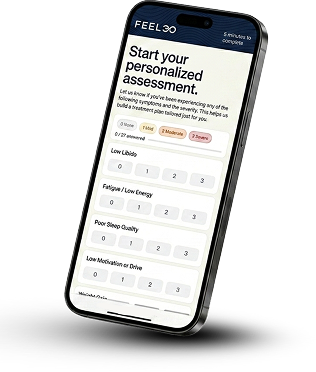
Tell us about your symptoms, lifestyle, training history, recovery, sleep, and any past anabolic steroid use, then schedule your bloodwork.
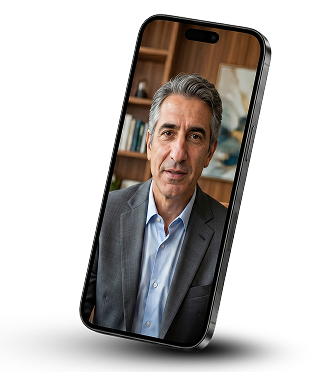
Choose a concierge nurse visit or an at-home test kit. Your provider will review your labs to determine whether treatment is right for you.
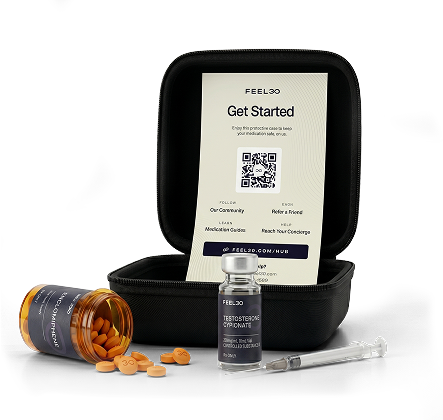
If approved, we ship your prescribed medication fast & discreetly to your door. Your provider will monitor your progress over time and make adjustments where necessary.
Tell us about your symptoms, lifestyle, training history, recovery, sleep, and any past anabolic steroid use, then schedule your bloodwork.
Choose a concierge nurse visit or an at-home test kit. Your provider will review your labs to determine whether treatment is right for you.Your clinician analyzes biomarkers and discusses whether TRT or optimization therapy is appropriate.
If approved, we ship your prescribed medication fast & discreetly to your door. Your provider will monitor your progress over time and make adjustments where necessary.


/mo
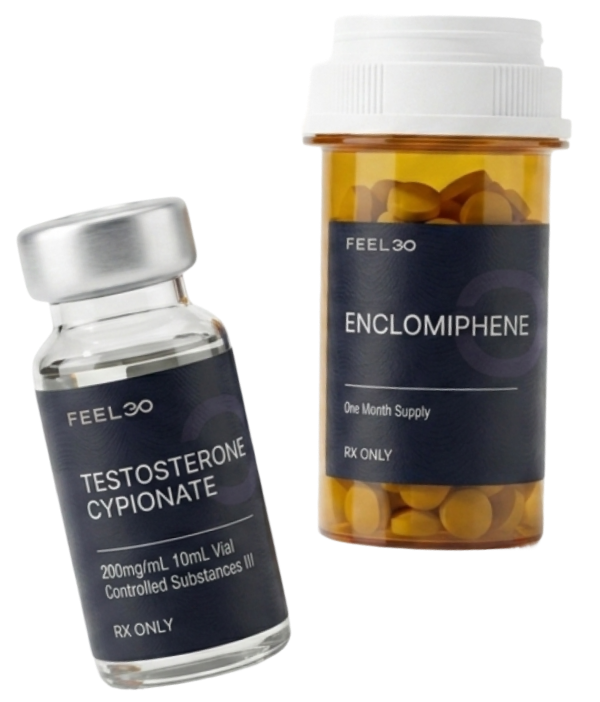
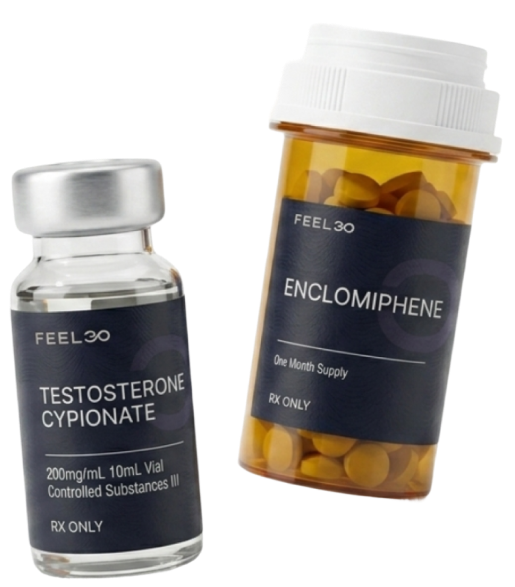
Get a clearer picture of your hormone health without the hassle of clinic visits. Choose at-home testing or a concierge nurse visit, then have a licensed provider review your results to determine whether TRT is right for you.
Get physician-led TRT tailored to your hormone levels, training history, lifestyle, and health goals. Your monthly plan includes medication, bloodwork, consultations, discreet shipping, and ongoing care, with no hidden fees.
Not sure which treatment is right for you? Here's how they compare.
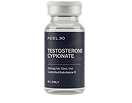
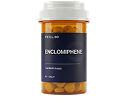

Proven, reliable results

Family planning

I've been into health optimization for years — tracking recovery, training consistently, dialing in nutrition — but my energy and drive had been quietly declining and I knew my testosterone levels were part of the issue. The problem was every clinic I looked at either had a 3-week wait, charged hidden fees on top of hidden fees, or made me feel like I was just a number.
Super easy process and dealt with real people within 24 hours
Since turning 40 last year, I've felt very lethargic and I'd have crazy afternoon burnout. Also, I had very little interest in being intimate with my wife. Thankfully, I came across Feel30 and got my blood work checked. It turns out that my testosterone levels were insanely low, and I have no idea how I was functioning. The doctor was shocked how I was functioning at the level I was at. He said I was running at the levels of a 70 year old male.

I've been into health optimization for years — tracking recovery, training consistently, dialing in nutrition — but my energy and drive had been quietly declining and I knew my testosterone levels were part of the issue. The problem was every clinic I looked at either had a 3-week wait, charged hidden fees on top of hidden fees, or made me feel like I was just a number.
Super easy process and dealt with real people within 24 hours
Since turning 40 last year, I've felt very lethargic and I'd have crazy afternoon burnout. Also, I had very little interest in being intimate with my wife. Thankfully, I came across Feel30 and got my blood work checked. It turns out that my testosterone levels were insanely low, and I have no idea how I was functioning. The doctor was shocked how I was functioning at the level I was at. He said I was running at the levels of a 70 year old male.





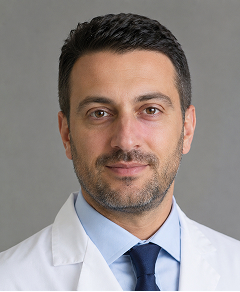

You'll be assigned a dedicated, US-based Feel30 physician who will personally manage your care from day one. The physician will tailor your treatment plan to your labs, medical history, lifestyle, and individual health goals, and provide continuous, one-on-one medical oversight. Your physician will also adjust your treatment when necessary, so your plan continues to reflect your changing health needs and goals.
Feel 30 again with physician-supervised treatment that restores the energy, confidence, and performance you remember. No hassle or hidden fees.