Stay informed with expert insights on testosterone therapy, men's health, and performance optimization.
Woman looking down thoughtfully at a pregnancy test.
If your husband takes testosterone injections, you might be wondering if starting or growing your family is still an option. The short answer is yes, but it’s not always that straightforward. Testosterone therapy (TRT) can affect fertility, and understanding how it works will empower you to make the best decisions for your relationship and your future family.
TRT's impact on fertility varies, with some men experiencing rapid changes and others a more gradual decline in sperm production, depending on their body's response. We've created this guide to help you navigate family planning while exploring treatment for low testosterone.
Testosterone replacement therapy can help men who are dealing with low testosterone levels (low T). It can improve energy levels, libido, mood, and mental clarity. But testosterone has side effects: it can also interfere with male fertility.
When men start TRT, they're more focused, leaner, and have the energy to take on the world. But when couples are trying to conceive, some find they have lower sperm production. TRT helps to restore quality of life for men who have the symptoms of low testosterone, but it also suppresses the body's natural processes that produce sperm.
Testosterone therapy suppresses the body's natural production of testosterone in the testes, which can lead to reduced sperm production (Ramasamy et al., 2014). For couples, this can make getting pregnant very difficult. Taking testosterone supplements can also reduce sperm production significantly, making conception less likely.
If you're still thinking about testosterone use and want to have a family, it's best to discuss your long-term plans with your healthcare provider.
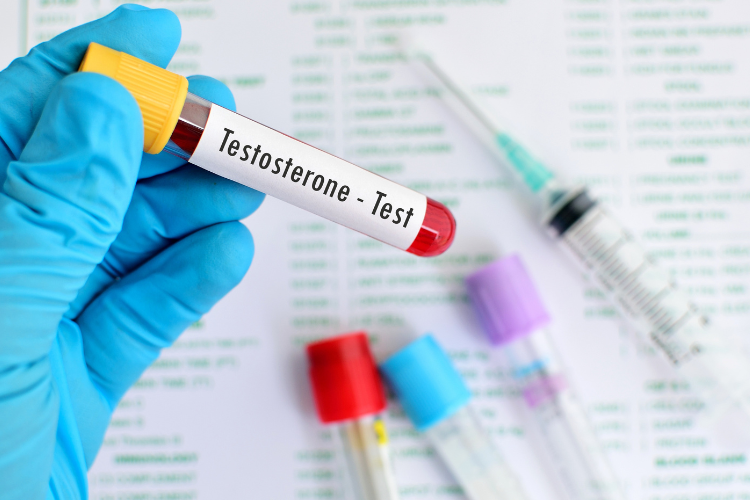
To create testosterone, the brain releases follicle-stimulating hormone (FSH) and luteinizing hormone (LH). These are messengers that signal the testes to make testosterone and sperm. However, when a man takes testosterone injections (or exogenous testosterone), the brain recognizes elevated testosterone levels and doesn't release FSH and LH. Without FSH and LH, there can't be any sperm production (Coviello et al., 2005; Thirumalai et al., 2021).
What this means is that testosterone treatment can decrease sperm count, potentially leading to infertility. Clinically, this condition is called azoospermia, and it's a common side effect for men on testosterone therapy. It doesn't affect every man to the same extent, but for many, TRT can reduce fertility. On the positive side, these effects can usually be reversed when the man stops treatment.
TRT can sometimes act as a form of male birth control in the way it shuts down important reproductive hormones. This isn't its intended purpose, but couples should be aware that their ability to conceive could be impacted, even to the point of temporary infertility.
For the majority of men, stopping testosterone allows the body to restart natural testosterone production, but it can be a slow process. It may take months, sometimes up to a year or longer, for sperm counts to return to pre-TRT levels (Liu et al., 2016).
The recovery process from TRT will depend on factors such as your husband's age, the duration of testosterone treatment, and whether medical interventions are used.
Your healthcare provider can help you navigate this process. He or she will monitor hormone levels and the weaning period to stop TRT. Sometimes your healthcare professional may recommend an alternative that preserves fertility.

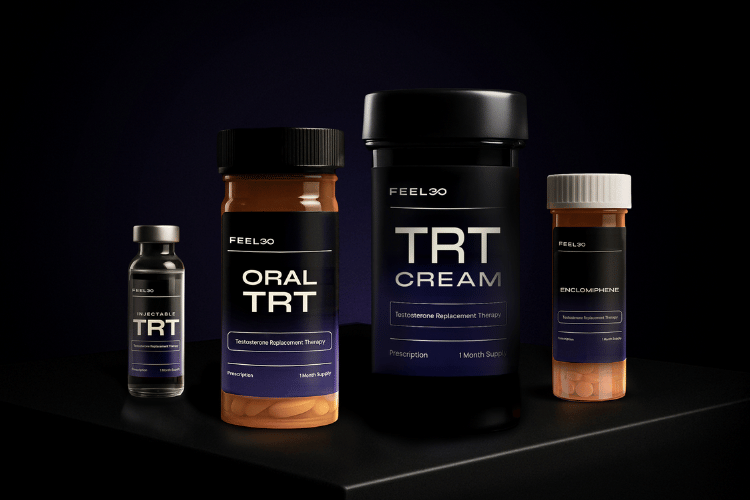
Men who want to maintain their fertility and get the benefits of testosterone have other options. These are some alternatives to support testosterone production and sperm count while managing the symptoms of low T:
This is an oral medication that makes it seem as though testosterone levels are low. This encourages the body to produce more follicle-stimulating hormone and luteinizing hormone. Clomiphene citrate helps to stimulate sperm production while increasing testosterone levels (Taylor & Levine, 2010).
Human chorionic gonadotropin hormone (hCG) behaves like LH: by encouraging the testicles to produce testosterone and sperm. It can stimulate sperm production in men whose fertility has been affected by testosterone therapy. It’s often used alongside clomiphene or as a standalone therapy for men who want to preserve fertility (Coviello et al., 2005; Wenker et al., 2015).
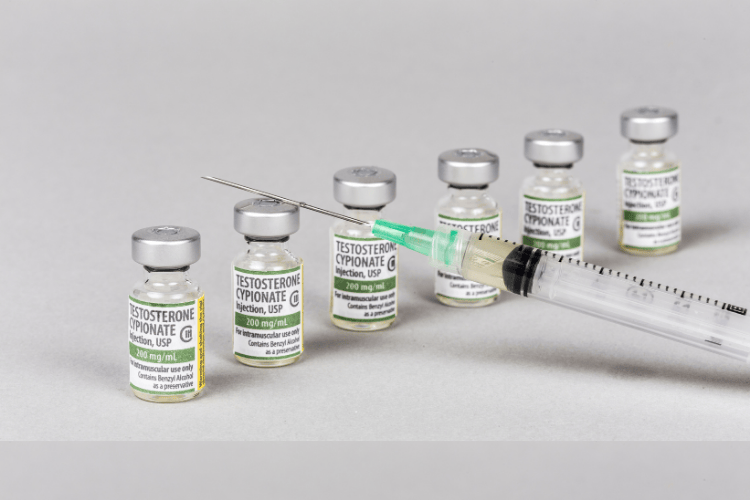
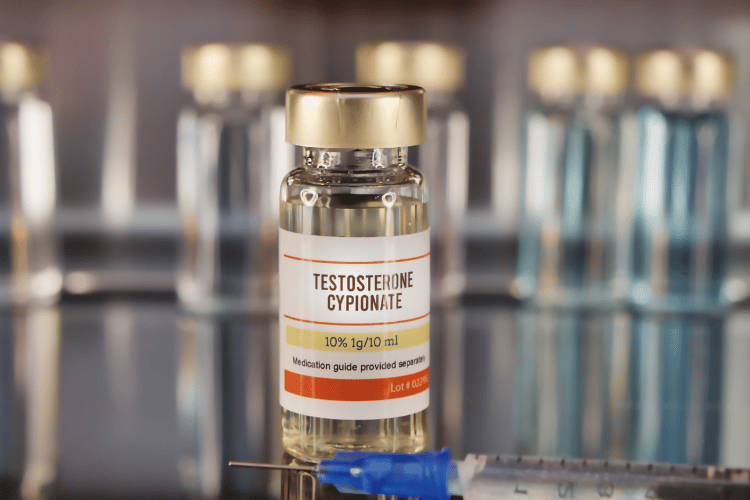
Men who have been taking injectable testosterone, such as testosterone cypionate, may benefit from the combined effects of clomiphene citrate and hCG. Combination therapy has an added advantage: it may also prevent testicular atrophy and protect testicular function, another long-term side effect of testosterone therapy (Hsieh et al., 2013; Kaminetsky et al., 2015).

If you and your partner want to have kids in the future, it's best to speak to your doctor before starting testosterone therapy. Here are some tips to help you:
If your husband has been taking injectable testosterone, you may have concerns about conception, but don't worry, there are other options available:
Remember: sperm count is just one aspect of conception. Sperm motility (how they move), morphology (shape), and DNA integrity also influence conception (Evenson & Wixon, 2006; WHO, 2010). Getting a semen analysis can tell you about sperm count and quality when your medical professional evaluates your partner's fertility.
Another common concern among couples is whether testosterone therapy can impact pregnancy after conception has taken place.
The current research scope is limited, but there's no strong evidence to suggest TRT directly causes birth defects (Ramasamy & Stahl, 2016; Salonia et al., 2021). Other studies in clinical endocrinology have focused on the effects of testosterone therapy on reproductive health, including fertility and pregnancy outcomes. However, because TRT may lower sperm quality, some believe there could be indirect effects (Ramasamy et al., 2014; Parris et al., 2023).
When you work with your healthcare provider, you can monitor and manage any potential risks.

It depends. Some men resume sperm production three to six months after stopping TRT, but for others, full recovery may take 12 to 18 months or longer. Speak to your healthcare provider for advice specific to your situation.
Generally, no, because TRT suppresses sperm production. Taking an alternative such as clomiphene citrate and hCG therapy (or a combination of the two) may provide testosterone support while maintaining fertility.
It is possible, but it's rare. The majority of men on TRT experience lower sperm count or azoospermia, which can make natural conception difficult. Having a sperm analysis will show if TRT has impacted your husband’s fertility.
So far, the research indicates that testosterone therapy doesn't directly affect fetal development, but studies are ongoing. It's best to discuss your concerns with your healthcare provider.
If your husband takes testosterone injections, you may be able to get pregnant. Ask your healthcare provider about fertility-friendly treatments before starting TRT. While testosterone therapy can lead to low sperm counts, there are ways to reduce TRT's impact on fertility. If your partner is already on testosterone therapy, discuss your options with your healthcare professional.
Take the first step toward renewed energy and confidence with Feel30’s expert care.




4.9 out of 5 · 2,400+ reviews


Always Tired, Gaining Weight? Low T Was the Real Reason
Is Low T Hurting Your Relationship?
This gaming laptop is a powerhouse, equipped with the latest graphics card and a high-refresh-rate display.
Jane Smith
Feel30 has completely changed the game for me. I feel more energized, focused, and confident like I did years ago.
Emily Johnson
This smartphone offers an exceptional camera experience, with stunning low-light performance and vibrant colors.
John Doe
What are you waiting for?
Take the first step toward renewed energy and confidence with Feel30’s expert care.


Feel 30 again with physician-supervised treatment that restores the energy, confidence, and performance you remember. No hassle or hidden fees.