Stay informed with expert insights on testosterone therapy, men's health, and performance optimization.
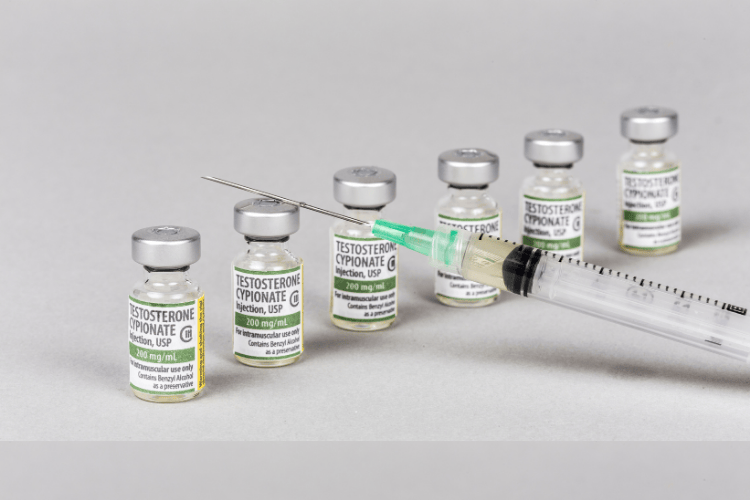
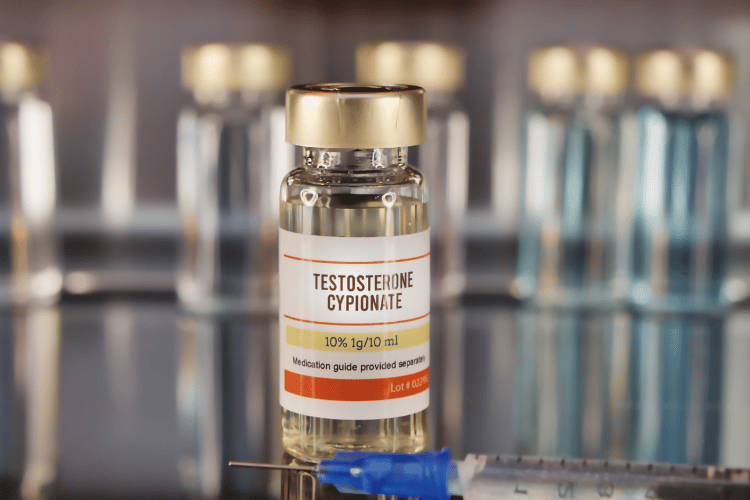
Testosterone Replacement Therapy (TRT) is a medical treatment that helps men with low testosterone. It improves energy, libido, and overall vitality. Testosterone helps with many body functions. It keeps bones strong, helps make red blood cells, and controls sexual function.
But there’s a question some men have before starting testosterone therapy: Can you have kids while on TRT? And the follow-up: Does TRT cause infertility?
If you care about your health, this guide is for you. It will help you plan for having a family or growing your family while on TRT.
Male fertility is complex, and it doesn’t just rely on testosterone to work. Healthy sperm production needs balance across different systems, which include:
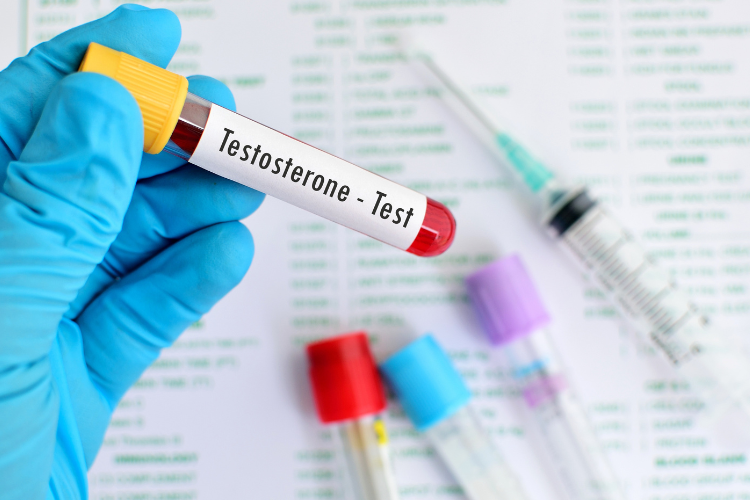
Low testosterone, also known as hypogonadism or low T, can cause a lower sex drive. It can also lead to erectile dysfunction and lower sperm quality. If you have low T, your healthcare provider may do a semen analysis to check for male infertility. Knowing your sperm count helps your healthcare provider understand your fertility potential before starting treatment.
Your healthcare provider will also check your body mass index (BMI), as it can impact your reproductive health.
It's important to know that low testosterone levels don't always cause infertility or sexual problems. Also, high testosterone levels don't always mean the best fertility. Your testosterone levels are just one aspect of your fertility.
When you use testosterone replacement therapy (TRT), your body knows it's getting enough testosterone from outside. As a result, your brain reduces the signals it usually sends to your testicles to produce testosterone and sperm. These signals are hormones called LH (luteinizing hormone) and FSH (follicle-stimulating hormone) released by the pituitary gland. When TRT lowers these hormone levels, it can lead to reduced or even completely stop sperm production.
Testosterone replacement therapy can lead to temporary infertility by lowering or even stopping sperm production. But in many cases, this is reversible. When you stop TRT, your hormone production can normalize, and sperm production may resume. Many men can restore sperm production and fertility after discontinuing TRT with medical guidance. However, it could take up to a year to return.
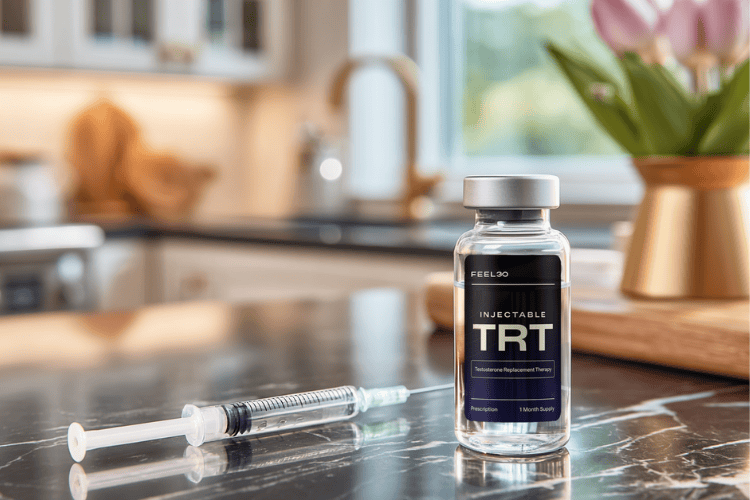
Yes. Different ways of taking testosterone can have different effects:
Every man’s body responds differently to TRT. That’s why your healthcare provider will monitor your hormone levels. Always let your doctor know about your future plans, so he or she can balance your TRT treatment with your fertility goals.
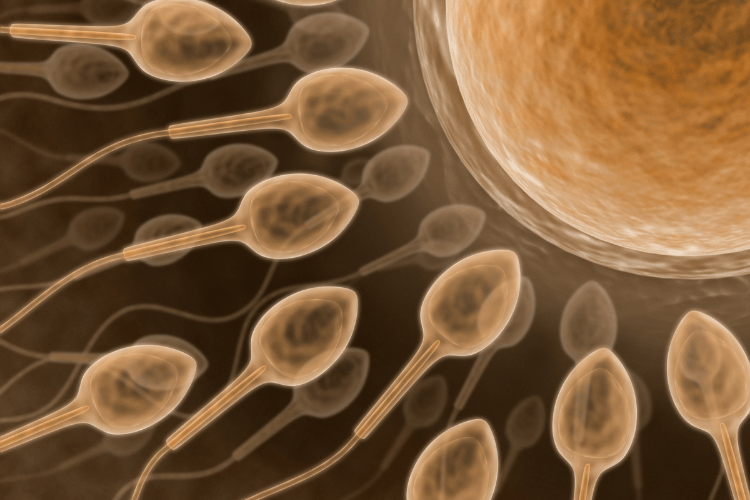
If you're considering or currently on testosterone replacement therapy (TRT) and planning to have children now or in the future, consult a reproductive endocrinologist or medical professional. An endocrinologist will discuss different fertility preservation strategies with you if you want to have kids.
Freezing your sperm before starting testosterone replacement therapy is a reliable way to preserve fertility. It’s best to check your sperm count beforehand to ensure you can produce the highest quality sample. If your sperm count is adequate when you bank it, you have a better chance of conceiving later on.
Human Chorionic Gonadotropin (hCG) is a hormone. It acts like luteinizing hormone (LH). hCG can be used with medical testosterone. This helps keep sperm production going. It supports natural testosterone production and protects testicular function. hCG therapy can be helpful for men who have low sperm counts as a result of testosterone therapy.
Clomiphene citrate can be used as a standalone treatment or as part of a fertility preservation plan. It stimulates your body’s natural testosterone production and may help maintain sperm health. This approach can help your body produce more testosterone naturally while preserving fertility.
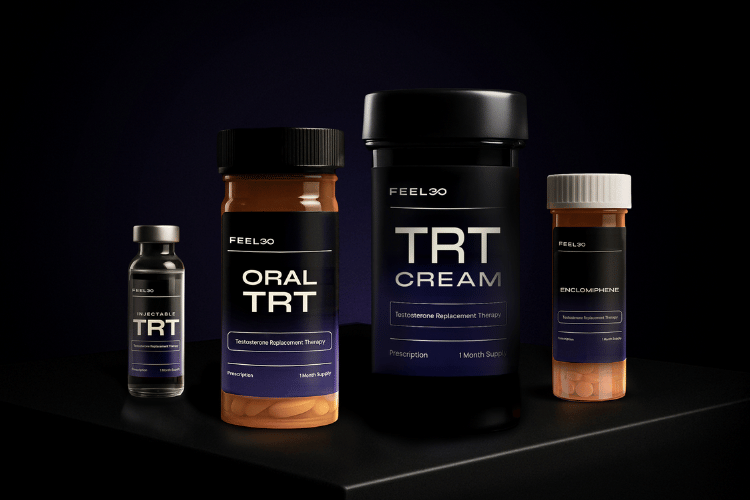
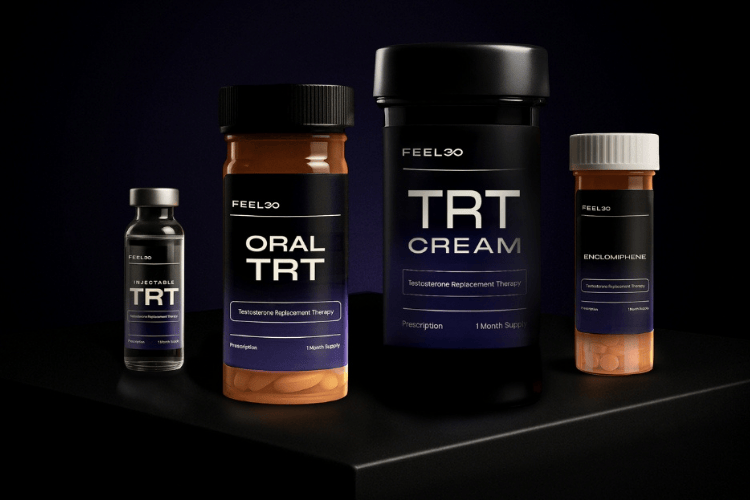
Enclomiphene is a specific type of selective estrogen receptor modulator (SERM) from clomiphene citrate. It helps your body use its own hormonal signals instead of providing outside testosterone. It blocks estrogen receptors in the brain and helps release luteinizing hormone (LH) and follicle-stimulating hormone (FSH).
Unlike traditional TRT, which can lower sperm production, enclomiphene can increase testosterone levels. It does this while helping to maintain or even boost sperm production and overall fertility. Find out more about the benefits of enclomiphene in this blog article.
In vitro fertilization (IVF) and intrauterine insemination (IUI) are good fertility treatments. They help couples when the male partner has a low sperm count. These procedures are types of assisted reproductive technology. They can help couples get pregnant when they cannot conceive naturally. IVF and IUI have higher success rates when the male partner has an adequate sperm count.
For men who produce ejaculate without sperm, testicular sperm extraction (TESE) may be an option. This procedure helps doctors get sperm directly from the testes. This is for men who cannot produce sperm in their ejaculate. This can happen due to TRT or other reasons. This is often combined with intracytoplasmic sperm injection (ICSI) to achieve fertilization.
When you stop TRT with a doctor’s help, your body can start making testosterone and sperm again.
Low testosterone can affect your confidence, your drive, and your relationships. A lower sex drive is a common sign of low testosterone. It can also affect intimacy in your relationship and your sexual function.
TRT can:
If you’re on testosterone replacement therapy and not trying for kids, discuss birth control with your partner. TRT isn’t a guaranteed contraceptive. While TRT can lower sperm count and affect fertility, some couples may still get pregnant after stopping treatment. Pregnancy can still occur while you are actively on TRT, as well as after stopping treatment.
However, if you’re planning to start a family, get proactive:

Here are some other ways you can support testosterone production. These lifestyle changes may help you naturally increase testosterone levels and support your overall reproductive health.
These strategies can help you naturally increase testosterone levels and increase sperm production.
TRT can lead to reduced or even stopped sperm production, making it harder to conceive. However, in most cases, this effect is temporary. With proper medical guidance, sperm production often resumes after men stop taking exogenous testosterone. Permanent infertility is rare. However, it can happen if treatment is not managed well. It can also occur if there are other fertility issues.
Yes. There are several strategies to protect fertility while using TRT:
Sperm production can start to recover a few months after stopping TRT. However, full recovery may take six to 12 months or longer, depending on the person. Recovery time depends on how long you were on TRT. It also depends on your age and overall health. Fertility-preserving measures used during treatment can affect recovery, too.
Some men can still conceive while on TRT. However, it is not a safe or reliable choice for those trying to have children. TRT often suppresses sperm production, and couples may have trouble conceiving. If you want to get pregnant, talk to your doctor. They can help you decide if you should stop TRT for a while or use it with treatments like hCG that support fertility.
So, can you have kids on TRT?
Yes, it’s possible, but it takes planning. Testosterone replacement therapy can reduce or even halt sperm production, but this doesn’t always mean permanent infertility. TRT helps restore low testosterone levels and can significantly improve energy, mood, and libido. However, it’s important to understand how this treatment can affect your fertility.
If fatherhood is in your future plans, it’s worth exploring fertility-preserving strategies alongside your treatment. Medications like clomiphene citrate and enclomiphene offer alternatives that may help maintain or even stimulate natural testosterone and sperm production. With the right help from a skilled healthcare provider, many men can balance hormone therapy and their fertility goals.
Take the first step toward renewed energy and confidence with Feel30’s expert care.




4.9 out of 5 · 2,400+ reviews


Always Tired, Gaining Weight? Low T Was the Real Reason
Is Low T Hurting Your Relationship?
This gaming laptop is a powerhouse, equipped with the latest graphics card and a high-refresh-rate display.
Jane Smith
Feel30 has completely changed the game for me. I feel more energized, focused, and confident like I did years ago.
Emily Johnson
This smartphone offers an exceptional camera experience, with stunning low-light performance and vibrant colors.
John Doe
What are you waiting for?
Take the first step toward renewed energy and confidence with Feel30’s expert care.


Feel 30 again with physician-supervised treatment that restores the energy, confidence, and performance you remember. No hassle or hidden fees.