Stay informed with expert insights on testosterone therapy, men's health, and performance optimization.

There’s a claim that cold showers can boost your testosterone levels. This is an appealing idea, but is it actually true? And if showering with cold water doesn’t directly raise testosterone, is it still worth adding to your routine?
In this blog, we’ll explain why so many people think cold showers are good for men and what scientific evidence actually says about this.
Let’s get started with a quick overview of testosterone.
Testosterone is the primary male sex hormone, produced mainly in the testes, and it’s involved in reproductive health as well as metabolism, mood, and overall energy. Yes, it’s present in both men and women, but men produce higher testosterone amounts.
A 2025 study in Cureus explains that testosterone influences spermatogenesis, erectile function, and male reproductive health in general. It helps regulate libido, muscle mass and strength, bone mass, and even distribution of fat.
Note that your levels of testosterone naturally reach a peak in early adulthood, and they decline gradually with age. This process is associated with a reduction in muscle mass, an increase in body fat, low energy, and generally poorer wellbeing.
There are different reasons why testosterone levels reduce other than natural aging, and these include poor sleep, excess body fat, chronic stress, a sedentary lifestyle, and even eating a poor diet. If you intend to raise your levels of testosterone, knowing these reasons will help you make better lifestyle choices.
There are some men who believe that when you shower with cold water, it can help you to naturally increase your testosterone. One reason for this is testicular temperature and its role in sperm health. This leads some men to hypothesize that cooling the testes might increase production of testosterone. Some other men also associate cold showers with resilience and vitality, which is why some fitness enthusiasts may assume showering with cold water enhances performance. These are all interesting claims; let’s demystify them using evidence.
Supports energy, focus, sexual health, and overall wellbeing
Shop NowAccording to the study by Hoekx et al., being in a cold environment for prolonged periods or repeatedly can trigger your body to release norepinephrine, which activates your adipose tissue and increases circulation to generate heat and keep the temperature in your body stable. However, these bodily responses don’t translate into an increase in testosterone production.
Another study in the American Journal of Men's Health (2021) examined the effects of hot thermal stress in young adult men, followed by cold showers, and found a reduction in levels of cortisol, and according to Brownlee et al. (2005), low cortisol levels are associated with lower testosterone. Note that the cold showers were part of a contrast protocol.
These studies suggest that cold showers don’t directly increase testosterone. So, what are the benefits of showering with cold water for men?
We’ve established that showering cold doesn’t raise testosterone levels; however, this habit has other benefits for your body.
Hame (2023) notes that showering with cold water is one of the most common ways athletes recover after physical activity. This study explains that cold showers help to reduce inflammation and also ease sore muscles. On top of that, they improve perceived recovery after an intense workout.
The study by Kunutsor et al. (2024) found that cold exposure can cause your blood vessels to constrict, and this may help reduce inflammation. Interestingly, this is the same principle behind the ice baths used in sports medicine for recovery after training.
Research published by Yankouskaya et al. (2023) explains that cold immersion triggers a spike in norepinephrine, a neurotransmitter associated with alertness, focus, and mood. Many men report a lift in mental clarity and levels of energy, particularly in the morning.
Cold water also reduces transepidermal water loss and can improve hydration in the skin compared to hot showers. This is because hot water tends to strip your skin of its natural oils.

You don’t need to jump straight into an ice-cold shower; here's a better approach:
Cold showers aren't for everyone, and there are situations where caution is warranted.
Cold showers, exercise, adequate sleep, stress management, and healthy fats in your diet are all worthwhile lifestyle choices that support hormone health. However, for some men, these measures simply aren't enough, and that's not a failure of discipline. It's biology.
If you're experiencing persistent symptoms of low testosterone, such as
Then, it may be time to look beyond lifestyle optimization. Note that these symptoms can be caused by other health issues and should be evaluated by a health care provider.
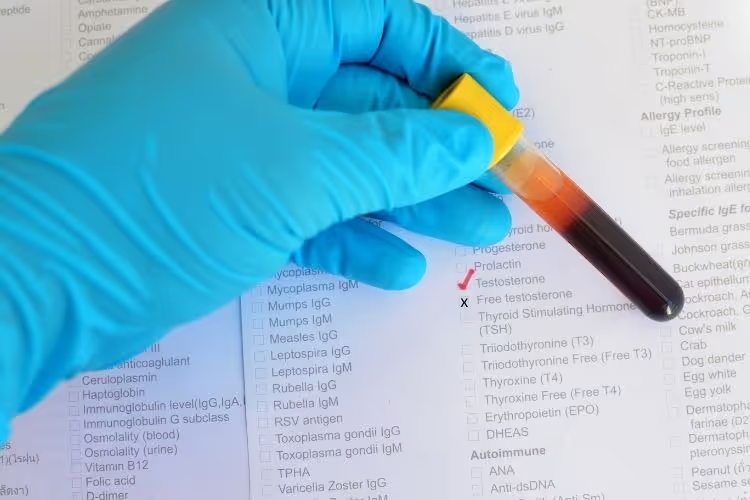
Testosterone replacement therapy is not something to take lightly, and it's not something every man needs. At Feel30, TRT is only prescribed to patients who clinically need it, based on blood test results. No guesswork. No one-size-fits-all protocols. Just an honest assessment of your hormone levels and a treatment plan built around your actual numbers.
If your testosterone levels are within a healthy range, TRT isn't the answer, and a good provider will tell you that. But if your bloodwork shows genuinely low testosterone, and your symptoms align, TRT can make a meaningful difference to your energy, body composition, mood, and overall health.
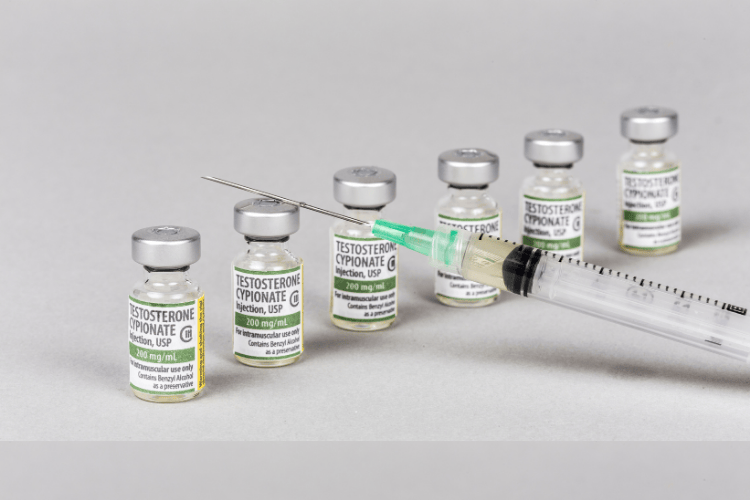
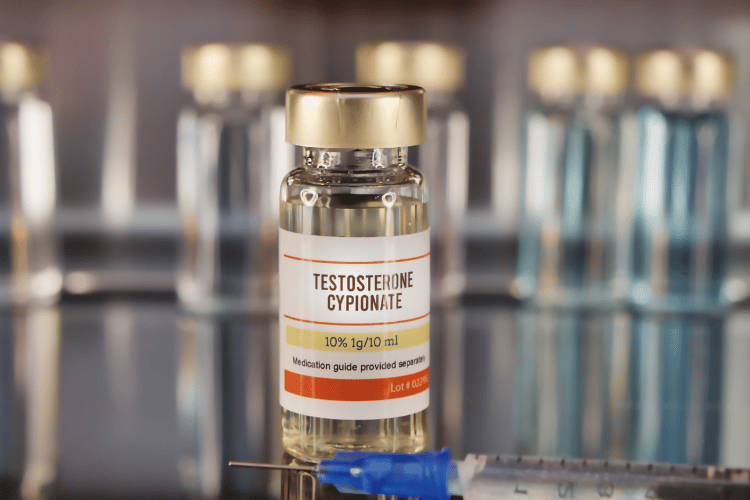
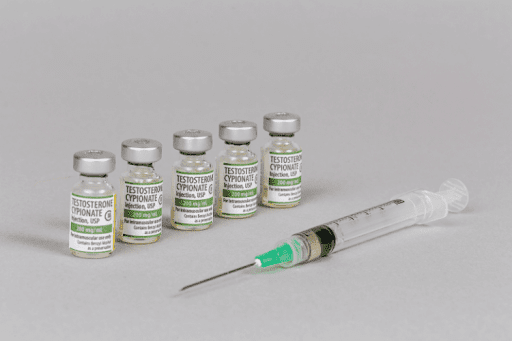
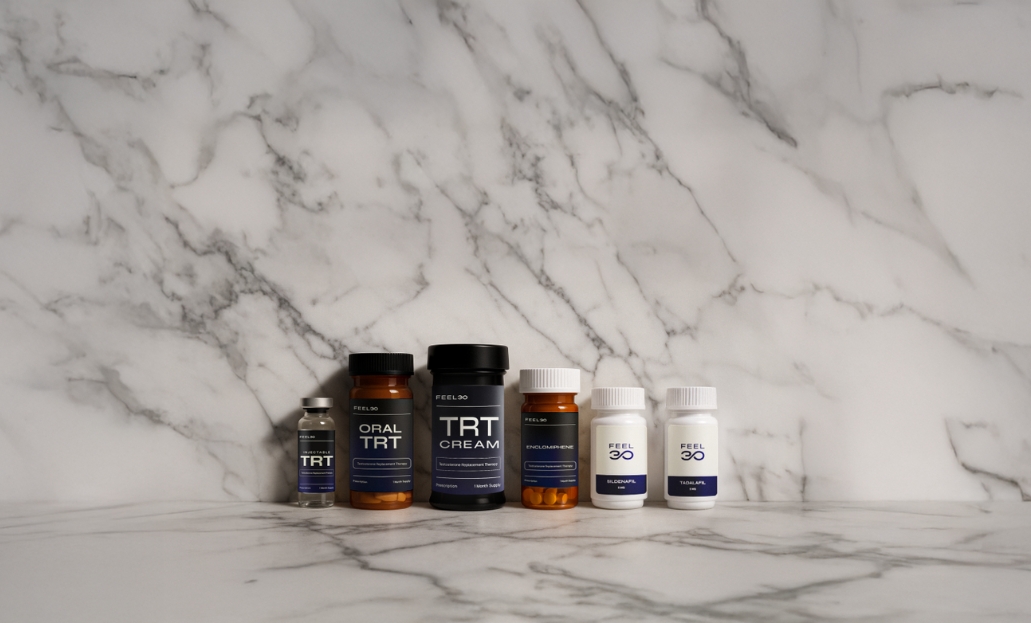
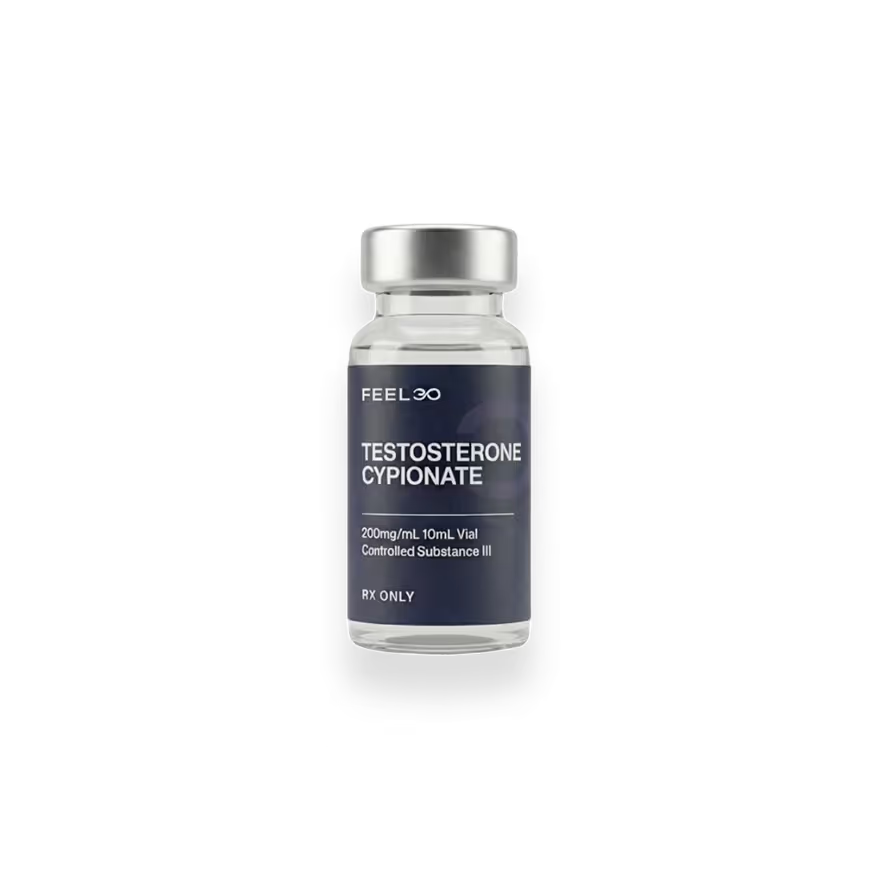
Feel30 offers a straightforward path to answers: a blood test, an honest assessment, and, where clinically warranted, a tailored protocol using treatments like Testosterone Cypionate and Sildenafil. You can also look at different options, like oral vs. injectable testosterone. Fast, discreet, and built around your schedule.

Current research does not support this. A small study conducted by Traylor, et al. (2026) observed temporary fluctuations in hormone levels following cold exposure, but these changes have not been shown to produce lasting effects on testosterone. Cold showers may support overall well-being for some individuals by increasing alertness and improving perceived resilience, but they are not an established method for optimizing hormone levels.
No. Cold showers are a useful lifestyle tool with genuine benefits for recovery and wellbeing. But they cannot correct a clinically low testosterone level. If your blood work shows low testosterone and you're experiencing symptoms, speak with a qualified provider about whether TRT is appropriate for you.
Beginning with 30–60 seconds of cooler water at the end of your usual shower, then gradually increasing the duration as tolerated, is a reasonable approach.
Cold showers are genuinely useful. Cold showers may improve alertness and are commonly used as part of recovery routines. Emerging evidence suggests they may offer additional wellness benefits for some individuals, although more research is needed to understand their long-term effects.However, based on current evidence, cold showers don't directly increase testosterone. If your testosterone levels are low, cold showers won't fix that. Think your testosterone might be low? Get started today.
Take the first step toward renewed energy and confidence with Feel30’s expert care.



4.9 out of 5 · 2,400+ reviews


Always Tired, Gaining Weight? Low T Was the Real Reason
Is Low T Hurting Your Relationship?
This gaming laptop is a powerhouse, equipped with the latest graphics card and a high-refresh-rate display.
Jane Smith
Feel30 has completely changed the game for me. I feel more energized, focused, and confident like I did years ago.
Emily Johnson
This smartphone offers an exceptional camera experience, with stunning low-light performance and vibrant colors.
John Doe
What are you waiting for?
Take the first step toward renewed energy and confidence with Feel30’s expert care.


Feel 30 again with physician-supervised treatment that restores the energy, confidence, and performance you remember. No hassle or hidden fees.