Stay informed with expert insights on testosterone therapy, men's health, and performance optimization.

If you've read anything about hormone optimization, you've probably seen discussions about testosterone. Estrogen is the hormone that often gets overlooked in conversations about men’s health.
Some think testosterone is the only hormone to influence energy, growth, libido, and performance. However, testosterone and estrogen work together to support many body functions. These functions help men feel and perform at their best.
In this article, you’ll learn how testosterone and estrogen affect men’s health. You’ll also learn how medically supervised treatment can help assess hormone levels.
Testosterone and estrogen are both sex hormones. Testosterone is the primary male hormone, and estrogen is often associated with women's health. In reality, men and women produce both hormones throughout their lives.
Men's and women’s bodies use the hormones differently. In women, estrogen helps regulate the menstrual cycle and supports ovarian follicles. It also promotes normal breast development. Testosterone also affects libido, bone health, and overall well-being in women.

The testes produce most testosterone in men. The adrenal glands produce smaller amounts. Testosterone influences many aspects of male health, including:
For many men, testosterone contributes to the way they feel day to day. When testosterone levels decrease, it can affect different systems in the body.
If you’re experiencing age-related testosterone decline, you may notice:
Men produce estrogen through a process called aromatization. This is when the body converts a portion of testosterone into estradiol. Estradiol is the primary form of estrogen. (Miller et al., 2018; Falahati‑Nini et al., 2000)
Healthy estrogen levels support:
(Miller et al., 2018)
Estradiol also affects cardiovascular physiology, however the clinical implications of high or low levels in men can vary.
Testosterone and estrogen work together. When either hormone is too high or too low, symptoms can appear. That’s why healthcare providers focus on balance and not just maximizing one hormone.

One of testosterone's most recognized contributions is to muscle mass.
Men with low testosterone may report
(Bhasin et al., 2018)
Estradiol also contributes to men’s musculoskeletal health, including bone density and connective tissue function.
Some men think testosterone is the only hormone fix for sexual symptoms. But estrogen also supports normal sexual function.
Low testosterone levels can lower libido (Bhasin et al., 2018). Research suggests that estradiol contributes to libido, sexual function, and other aspects of reproductive health. Low estradiol levels may result in symptoms that overlap with low testosterone.
Testosterone and estrogen contribute to brain function and neurological health. The current literature suggests they influence processes involved in mood regulation, motivation, cognition, and mental well-being.
When hormone levels are imbalanced, some men may have cognitive symptoms. These can include:
Fat tissue is metabolically active. It participates in hormone regulation. One example is aromatase, an enzyme in fat tissue, that converts testosterone into estradiol (Simpson, 2004; Kelly & Jones, 2015).
As body fat levels increase, especially visceral abdominal fat, aromatase activity may increase. This can change hormone levels and contribute to changes in testosterone and estradiol balance. Excess body fat is also associated with inflammation, insulin resistance, and metabolic dysfunction. All of these may influence hormone signaling and testosterone production.
Hormonal imbalances tend to develop gradually. Some men may spend months or years blaming their symptoms on aging, stress, poor sleep, or a demanding job. They may later learn that hormone levels are also involved.
Disclaimer: Symptoms alone cannot diagnose a hormone imbalance. Many of these symptoms are not specific. They may be affected by sleep quality, stress, medications, and metabolic health. They may also be affected by mental health conditions, nutritional deficiencies, and other medical conditions. Lab testing and clinical evaluation are necessary for a diagnosis.
Hormone health is influenced by several factors:
Testosterone levels decrease as you get older. The extent of change and side effects varies between people. Not every man develops symptoms either. However, many start noticing changes in energy levels, recovery, body composition, and sexual health.
Excess body fat, especially visceral (abdominal) fat, is associated with inflammation, insulin resistance, and changes in hormone signaling that can influence testosterone production.
Sleep influences hormone production. If your sleep is poor regularly, it can lower your testosterone levels and harm your overall hormonal health.
Chronic stress can affect hormone regulation in several ways. It can change cortisol levels, sleep quality, recovery, and health habits.
Certain health conditions may affect hormones, including:

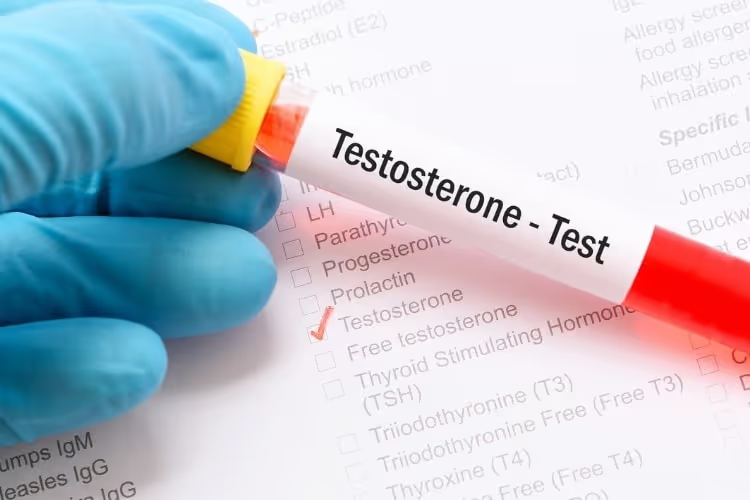
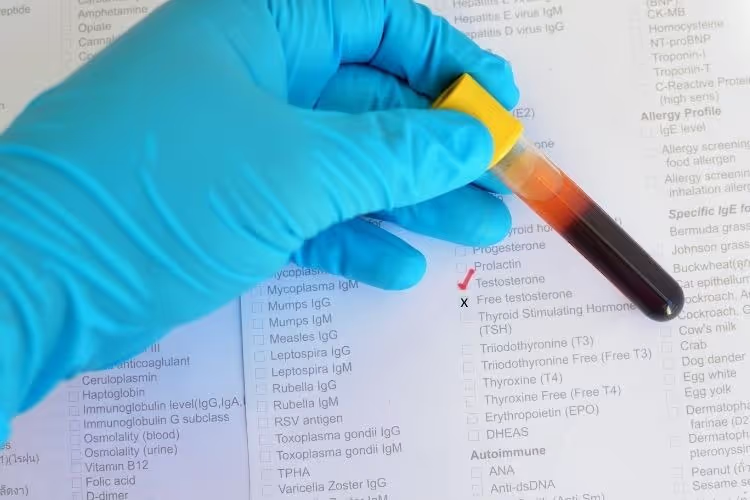
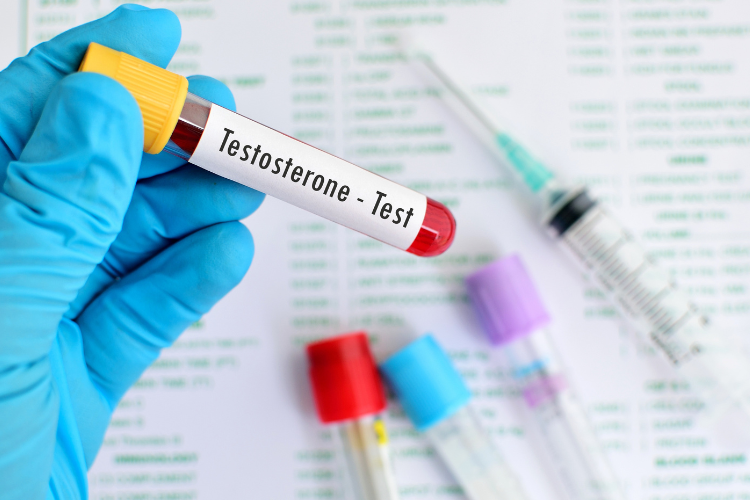
The first step toward understanding your hormone health is getting tested.
A hormone assessment typically includes testing
Total testosterone measures the amount of male sex hormone circulating throughout the body. Free testosterone measures the portion available for immediate use.
Some men have normal levels on testosterone tests. But they still have symptoms. This can happen when free testosterone is lower than expected.
Estradiol is the most commonly measured form of estrogen in men. Testing estradiol helps physicians understand your testosterone-to-estrogen ratio and identify potential hormonal imbalances.
Hormone optimization isn't based only on numbers. Two men can have similar lab results and experience very different symptoms.
That's why experienced providers evaluate both laboratory findings and symptoms before recommending treatment.
For busy professionals, convenience matters. Feel30 offers at-home nurse visits for blood draws, making it easier to complete comprehensive testing without rearranging your entire schedule.

Providers make treatment recommendations based on your symptoms, goals, health history, and laboratory findings.
Lifestyle changes often provide meaningful benefits, including:
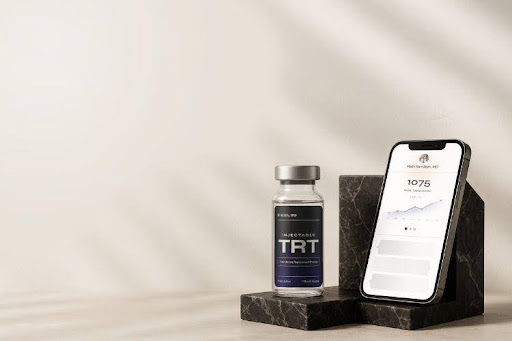
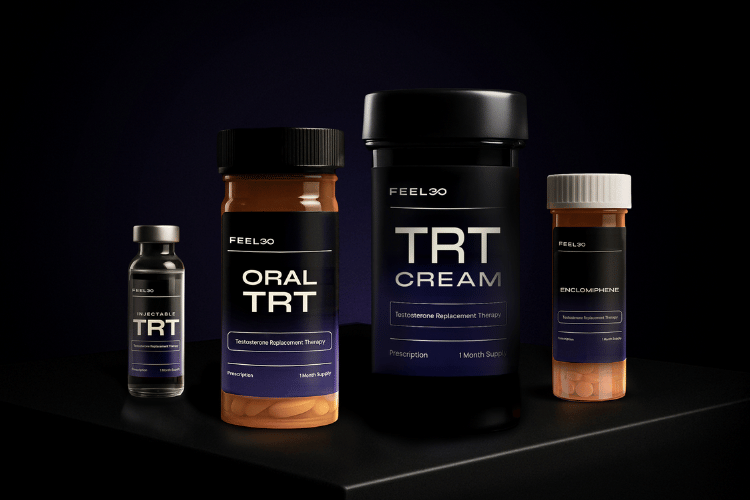
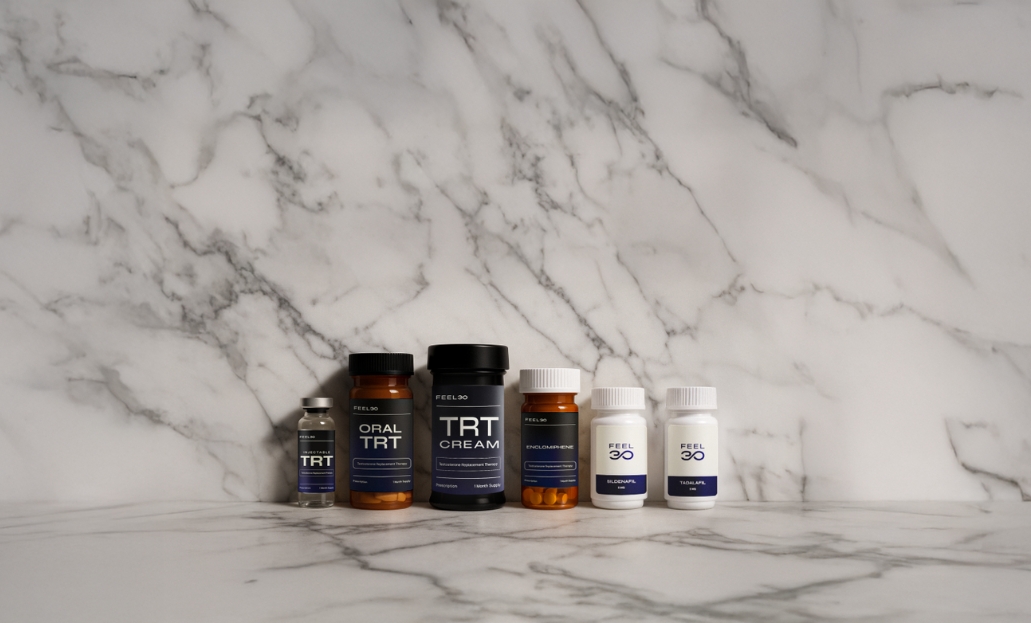
For men with clinically low testosterone levels and persistent symptoms, hormone replacement therapy, such as TRT, may be recommended.
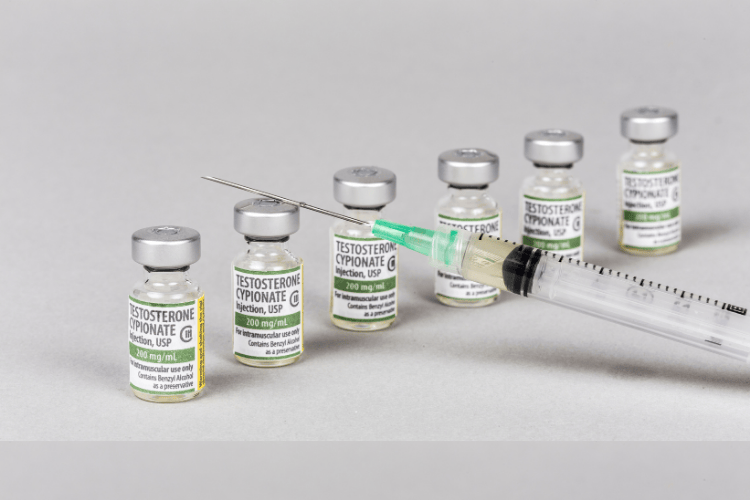
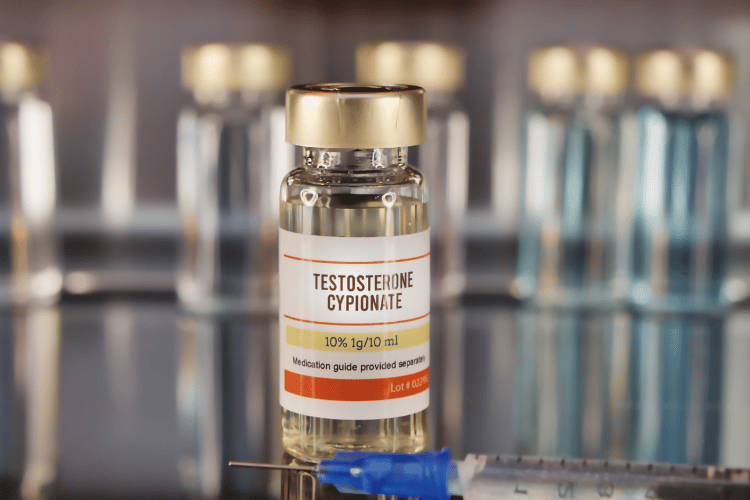
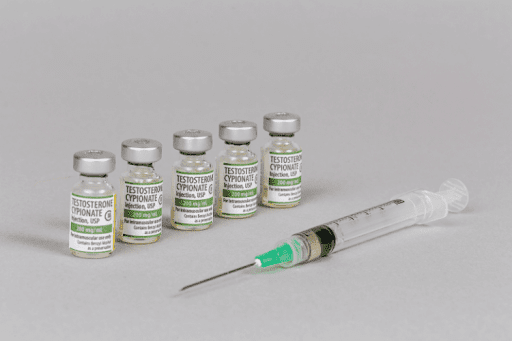
In men with confirmed hypogonadism, testosterone therapy, such as testosterone cypionate, may improve symptoms. These symptoms include low libido, low energy, mood changes, and reduced muscle mass. This may happen when it is prescribed and monitored properly.
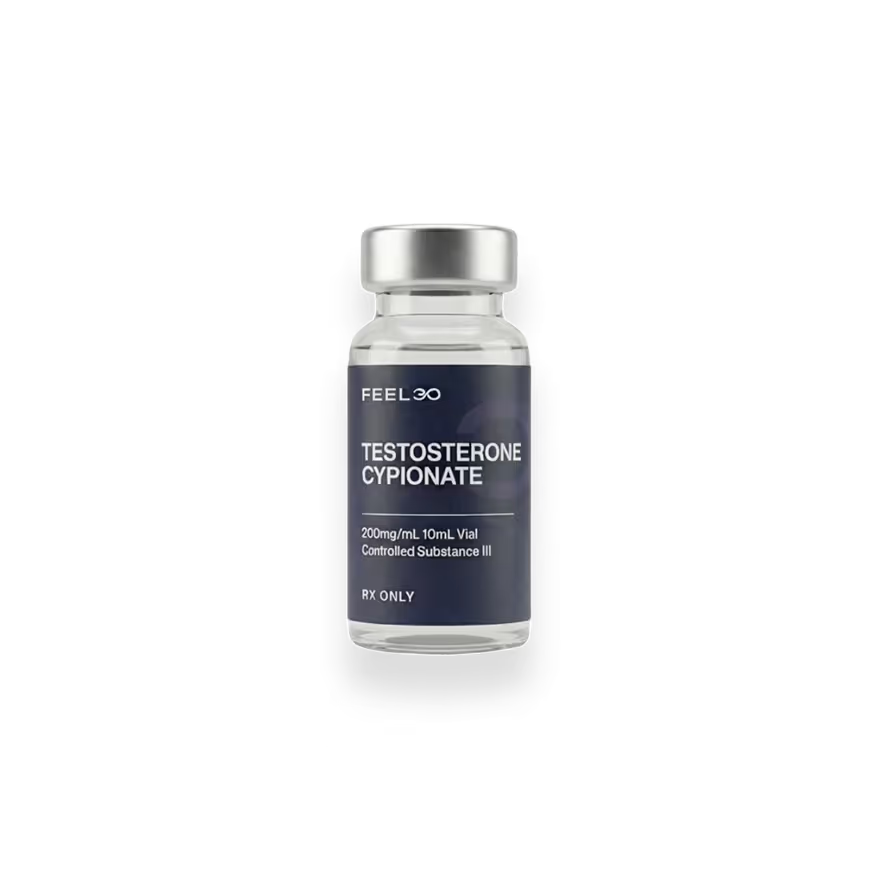
Supports energy, focus, sexual health, and overall wellbeing
Shop NowNot every patient needs traditional testosterone replacement therapy. Enclomiphene may help boost the body’s natural testosterone production. It may be a good option for some men who want children (Hsieh et al., 2021).
Hormonal changes often affect sexual performance and confidence.
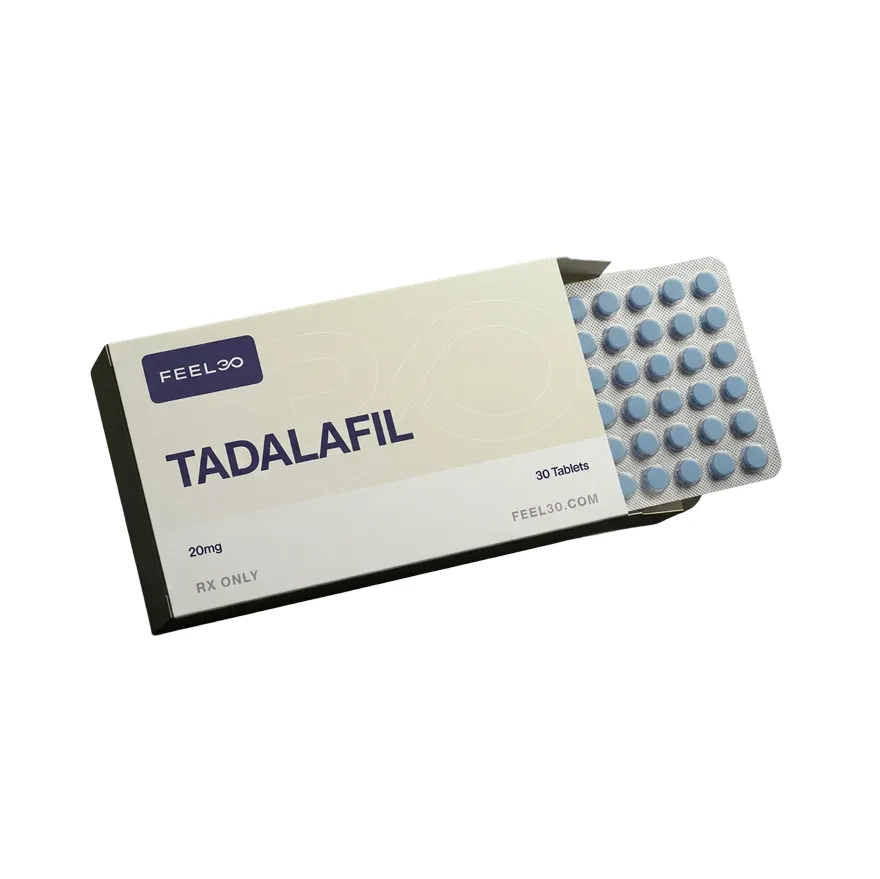
When appropriate, medicines like tadalafil or sildenafil may be added to a wider treatment plan. They can help support erectile function, sexual arousal, and sexual health.
Hormone optimization isn't a one-time decision. Your hormone levels, symptoms, lifestyle, and goals can change over time. Regular monitoring allows physicians to adjust treatment when necessary and maintain healthy hormone levels safely.
Feel30 provides ongoing clinical oversight and personalized treatment plans throughout the process.
There isn't a single ratio that applies to every man. Healthcare professionals evaluate hormone levels and symptoms to develop a treatment plan that will work for the patient.
No. Estrogen supports bone density, cardiovascular function, brain function, and sexual function. Problems may arise when estrogen levels become too high or too low.
Common causes include excess body fat, aging, certain medications, excessive alcohol consumption, and some medical conditions.
Yes. Testosterone therapy can increase estrogen production through aromatization (Simpson 2004; Kelly & Jones 2015). This is why regular monitoring is important during treatment.
Medical providers test estrogen through blood testing. Estradiol is the primary marker that is tested in men.
In many cases, yes. Weight loss can improve hormone balance and support healthier testosterone levels.
If you have symptoms like fatigue or low libido, you may need a professional evaluation. Other symptoms include less muscle mass, poor recovery, or lower performance. It can help determine if treatment is right for you.
Normal testosterone levels can vary based on age, laboratory reference ranges, and individual health factors. More importantly, a "normal testosterone" result doesn't always tell the whole story. Some men experience symptoms of low testosterone despite having testosterone levels that fall within a laboratory's normal range. That's why physicians often evaluate total testosterone, free testosterone, symptoms, and overall health together when assessing hormone status.
Yes. Testosterone can affect mood, motivation, and some parts of thinking. Some symptoms can also come from non-hormonal causes.
Hormone imbalances may contribute to symptoms such as brain fog, reduced motivation, irritability, mood swings, and difficulty concentrating. Because many factors can affect mental health, comprehensive testing is often needed to determine whether hormones may be contributing.
When comparing testosterone and estrogen, the key point is simple. Both hormones support a healthy body and mind. Testosterone supports muscle mass, energy, sperm production, and sexual desire. Estrogen supports bone density, cardiovascular health, brain function, and sexual function.
If you've noticed declining energy levels, reduced libido, slower recovery, or changes in body composition, professional testing can provide valuable answers.
Feel30 offers full hormone testing and at-home blood tests with a nurse. It also provides physician-guided care and a personal hormone plan made for your needs.
Book a consultation today and take the first step toward understanding your hormone health.
Take the first step toward renewed energy and confidence with Feel30’s expert care.




4.9 out of 5 · 2,400+ reviews


Always Tired, Gaining Weight? Low T Was the Real Reason
Is Low T Hurting Your Relationship?
This gaming laptop is a powerhouse, equipped with the latest graphics card and a high-refresh-rate display.
Jane Smith
Feel30 has completely changed the game for me. I feel more energized, focused, and confident like I did years ago.
Emily Johnson
This smartphone offers an exceptional camera experience, with stunning low-light performance and vibrant colors.
John Doe
What are you waiting for?
Take the first step toward renewed energy and confidence with Feel30’s expert care.


Feel 30 again with physician-supervised treatment that restores the energy, confidence, and performance you remember. No hassle or hidden fees.