Stay informed with expert insights on testosterone therapy, men's health, and performance optimization.
Testosterone is undoubtedly one of the most important hormones in the male body. And, it affects more than just strength or sex drive. It also helps support steady energy levels, healthy muscle mass, clear thinking, mood, and overall well-being.
One of the reasons testosterone can feel confusing is that a single number doesn't always tell the full story. Men see a blood test showing "normal" total testosterone and assume everything is fine. But testosterone travels through the bloodstream in different forms, and only a small portion is actually ready for the body to use. This portion is known as free testosterone.
In this guide, we make it simple to understand by uncovering just what free testosterone is, how it affects testosterone levels, and the 10 things all men should know about free testosterone. Let's dive in.
Free testosterone is the small portion of testosterone in the bloodstream that is not attached to proteins. Most testosterone in the body is bound to proteins such as sex hormone-binding globulin (SHBG) or loosely bound to albumin. While this bound testosterone is still part of the total hormone level, it is not immediately available for the body to use.
Free testosterone, on the other hand, is the biologically active form. Because it is unbound, it can move into cells and support the processes that influence energy levels, muscle mass, mood, focus, and normal sexual function. This is why free testosterone levels often have a closer connection to real symptoms than total testosterone alone.
When free testosterone drops too low, men may begin to notice fatigue, reduced strength, low motivation, or changes in libido - even if a blood test still shows their total testosterone within the normal range. Understanding what free testosterone is helps explain why proper testing looks at more than one number and why true hormone balance depends on how much usable testosterone, or free testosterone, the body actually has.

Many people think of testosterone only in terms of libido. But the free testosterone available to the body influences nearly every major system. As the usable form of the main male sex hormone, it has a crucial role in how men feel day-to-day. When free testosterone levels are within a normal range, men have steady energy levels, solid muscle mass, and the motivation that makes every day feel more manageable.
Testosterone is primarily produced in the testes, with smaller amounts coming from the adrenal glands. But only free testosterone can easily enter cells to support tissue repair, fat balance, bone density, mood, and focus. And because testosterone affects so many systems, even slightly low free testosterone can impact more than just sexual function.
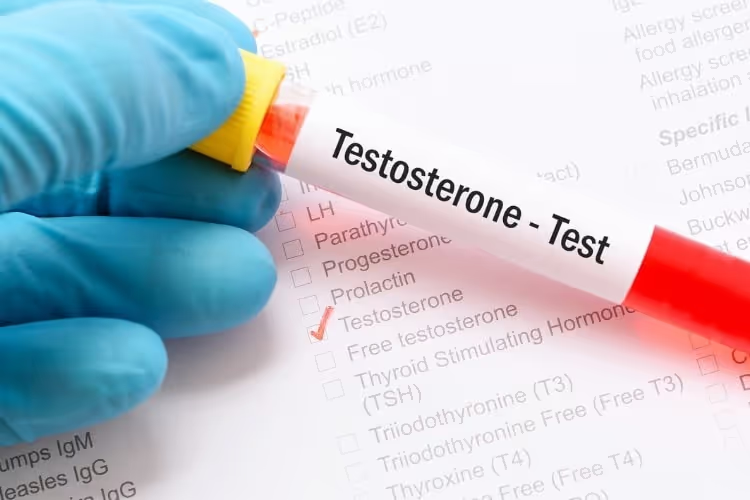
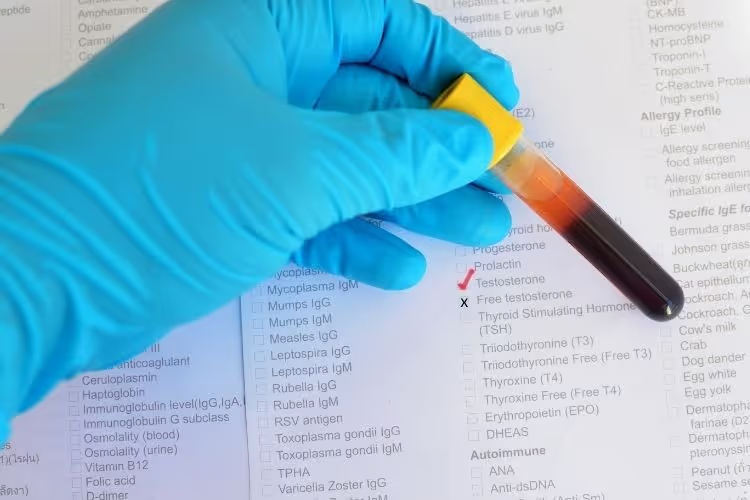
A standard blood test first measures total testosterone. Many men are told that this number alone determines if their hormone health is normal. But total testosterone levels only reflect the full amount of testosterone circulating in the bloodstream, including testosterone that is bound to proteins and not immediately available for the body to use.
Most testosterone in the body is attached to proteins such as sex hormone-binding globulin or carried as an albumin-bound testosterone. Only a small amount actually exists as free testosterone, which is the form the body can actually use.
Men can still feel the symptoms of low testosterone - like tiredness, lower energy levels, and reduced muscle mass - when their total testosterone levels appear normal on a lab report.
That's why doctors look at total and free testosterone together, along with SHBG levels, to get a more accurate view of hormonal balance. A fuller picture can help explain symptoms that total testosterone numbers on their own can't.
Total testosterone shows how much of the hormone is present in the bloodstream, but it doesn't reveal how much is actually available to the body. Only a small portion exists as free testosterone, which means it isn't bound to proteins and can move easily into cells. Free testosterone is the biologically active form responsible for many of the effects men feel every day.
Healthy free testosterone levels help steady energy levels, improve muscle mass, increase clear thinking, and contribute to normal sexual function. When low free testosterone develops, symptoms such as fatigue, reduced strength, mood changes, or low libido start to appear - even if total testosterone levels fall within what's considered the lab's normal range.
This active portion plays such an important role, and measuring free testosterone with total testosterone gives us a more complete picture of overall hormonal health. Understanding the difference helps explain why some men feel the symptoms of low testosterone despite being told their total levels are normal.

Sex hormone binding globulin, or SHBG, controls how much testosterone is actually available for the body to use - or how much stays bound and how much is free. When the SHBG levels are higher, free testosterone levels drop, even if the total testosterone stays normal.
Because of this, a man might have normal total testosterone levels but still experience the symptoms of low testosterone. Symptoms like low energy, reduced muscle mass, mood changes, and low libido appear when free testosterone levels drop.
As a result, clinicians often look at total and free testosterone together to calculate bioavailable testosterone or the free androgen index. Looking at testosterone SHBG, and albumin in context provides a much clearer view of true hormone availability and hormonal status.
SHBG, too, is an important part of hormone testing because it reveals the hidden low free testosterone levels.
One of the most confusing parts of hormone testing is understanding what counts as "normal." There isn't a single universal number for normal free testosterone levels, because the healthy range changes with age, overall health, and even the lab doing the testing.
Results of lab testing are reported in nmol l or pg/mL, and each lab provides its own normal range. This means a value that looks acceptable on paper might still feel low for a particular person, especially if they have symptoms of low testosterone.
A study published in The Journal of Steroid Biochemistry and Molecular Biology showed that factors such as changing hormonal status, underlying medical conditions, or shifts in SHBG levels can influence how much usable hormones the body actually has. For this reason, doctors don't rely on a single result. Medical professionals recommend confirming low levels with repeat blood test measurements and considering real-world symptoms alongside test results.
Looking at the full picture helps determine if free testosterone levels fall outside a healthy range.
There is no single universal number for normal free testosterone levels.
When men start to notice changes in how they feel, the cause is not always immediately obvious. A blood test could show total testosterone within the lab's normal range, while the real symptoms still point to low testosterone. It happens when free testosterone levels are lower than they should be.
The symptoms of low testosterone are so easy to blame on aging, busy schedules, or chronic stress rather than a hormonal imbalance. It's also important to remember that these symptoms can be caused by insulin resistance, poor sleep, or liver disease, which is why careful testing matters.
Looking at free testosterone, SHBG, and symptoms together helps identify true testosterone deficiency and separates hormone imbalances from stress, sleep issues, or other health conditions.

Testosterone levels don't change for just one reason. In most cases, it's a mix of lifestyle habits, aging, and underlying medical conditions that can affect free testosterone levels or change how testosterone circulating in the body is actually available to use.
Aging is one of the most common factors that lowers testosterone levels and the levels of free testosterone. But it's not the only one. Weight gain, insulin resistance, poor sleep, and chronic stress can all hinder testosterone production over time. Medications and hormone signaling changes, such as shifts involving follicle-stimulating hormone, also play a role. Conditions that affect the endocrine system - like polycystic ovary syndrome in women - or metabolic and liver disease disrupt normal hormonal balance.
Understanding what is lowering free testosterone levels is vital before considering treatment, since some causes are reversible through a few lifestyle changes or medical care.
A single result very rarely gives the full picture when checking testosterone levels. A blood test usually looks at more than just total testosterone, because hormone balance ultimately depends on how much testosterone is available for the body to use and not just how much is present overall.
A complete evaluation includes:
Some of these values are measured directly, while others are calculated to better understand the relationship between free and total testosterone and how much hormone is truly active in the body.
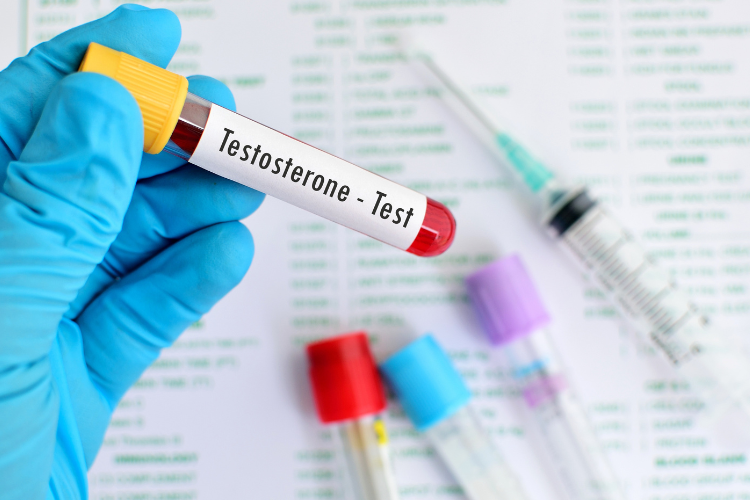
Timing also matters. Testing is typically done in the morning when testosterone production and free testosterone levels are naturally at their highest. If the results are borderline or the symptoms continue, repeat blood tests are needed to confirm how much free testosterone is present and whether low testosterone or a testosterone deficiency is present.
A broader set of test results helps create a clear, more accurate understanding of hormone health and total testosterone before treatment decisions are made.

Did you know that daily lifestyle habits play a bigger role in free testosterone production than many people realize? It's helpful to look at these habits before considering medical treatment, because healthy lifestyle choices support more balanced testosterone levels.
Exercise is one of the most important factors. According to a study published in the Journal of Clinical Biochemistry and Nutrition, regular exercise, such as strength and resistance training, helps maintain muscle mass, supports metabolism, and helps increase free testosterone levels naturally.
Nutrition matters too. A balanced diet that includes enough protein, whole foods, and healthy fats gives the body the building blocks it needs for steady hormone function. Nutrients such as vitamin D play a role in maintaining a healthy hormone balance.
Sleep and stress are just as important. Bad sleep habits and chronic stress disrupt the body's normal rhythm and contribute to low testosterone levels and low free testosterone.
Lifestyle changes won't necessarily solve testosterone deficiency, but they are the first and most important step.
It's quite a challenge to properly diagnose testosterone deficiency because stress, sleep problems, and other medical conditions can also cause the symptoms of low testosterone.
A study published in The Practitioner found that clear confirmation of testosterone deficiency comes with two key findings: ongoing symptoms of androgen deficiency and repeat blood test results showing consistently low free testosterone and low testosterone levels.
The goal of testosterone therapy is not to push testosterone levels beyond the normal range, but rather to restore healthy free testosterone levels that support strength, mood, muscle mass, and sexual function.
Feel30 is a brand that helps men understand their hormones and get real medical answers about testosterone. Instead of guessing or giving treatment right away, Feel30 starts with a blood test to measure total testosterone, free testosterone levels, and SHBG. This helps doctors see the full picture of hormone health before recommending anything.
Feel30 is different from many other supplement brands, and it doesn't sell random pills or boosters. All their support and products to increase testosterone are part of a medical plan that uses real lab results and doctor guidance.
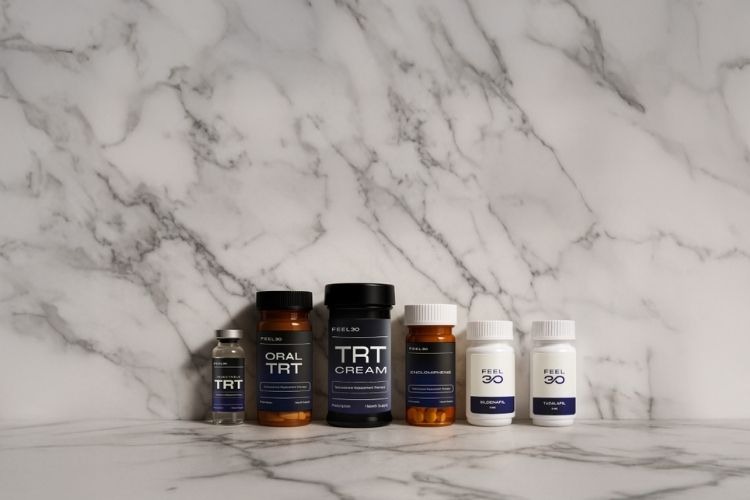
Feel30's products and services are a great fit if you:
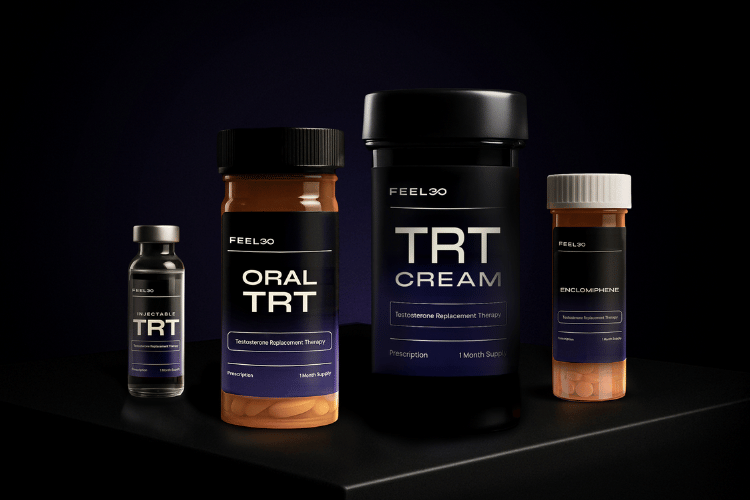
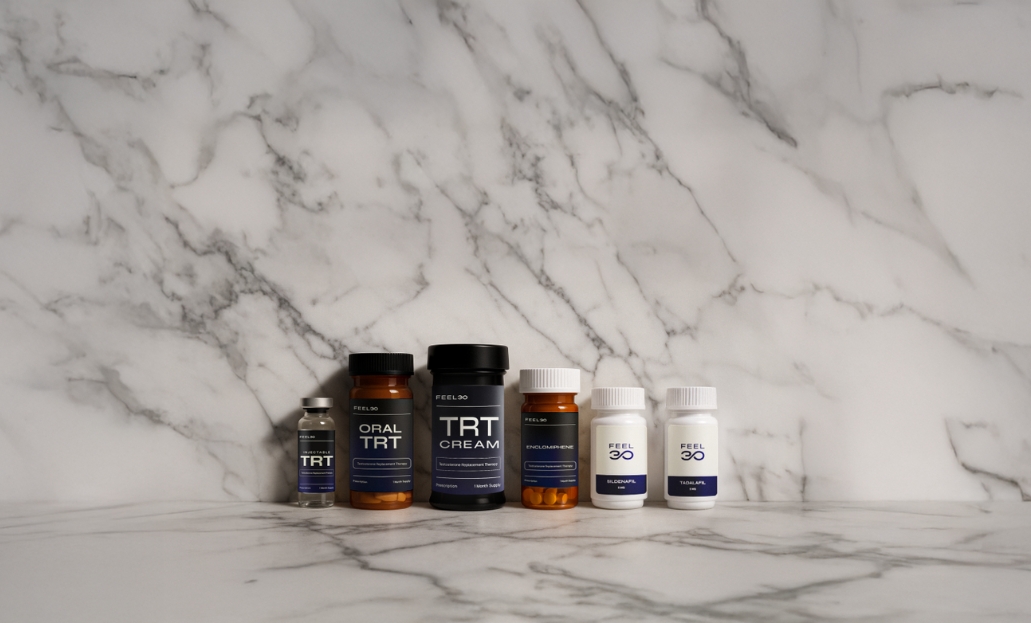
Here are a few of the best testosterone therapy products from Feel30:
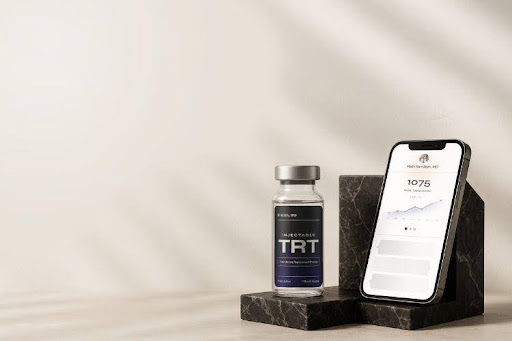
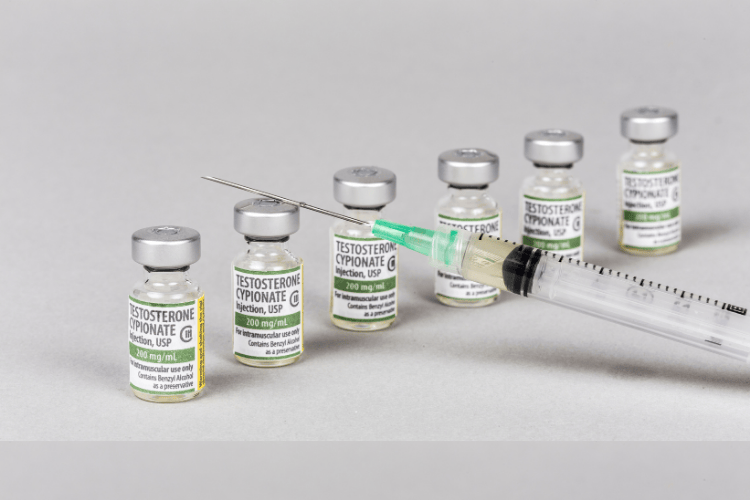
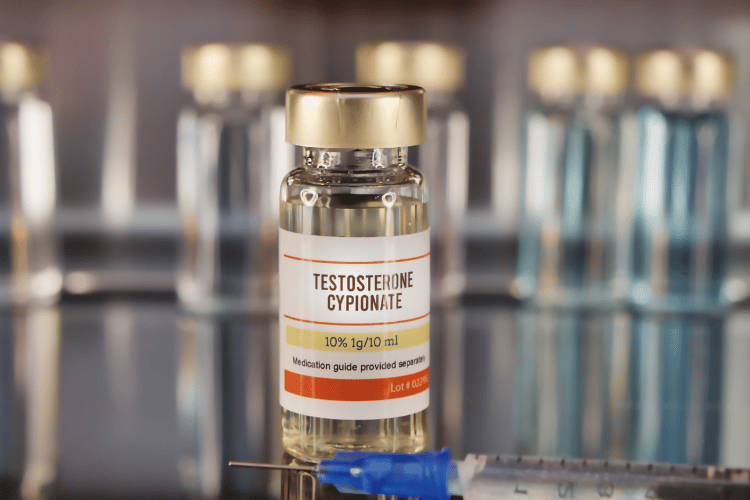
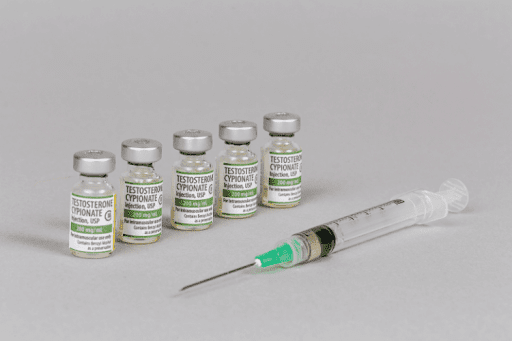
This is a long-acting form of testosterone given by injection. It's good for men whose blood tests show low testosterone and who have clear symptoms like ongoing tiredness, weak muscle mass, or low libido.
The benefits of testosterone cypionate include:
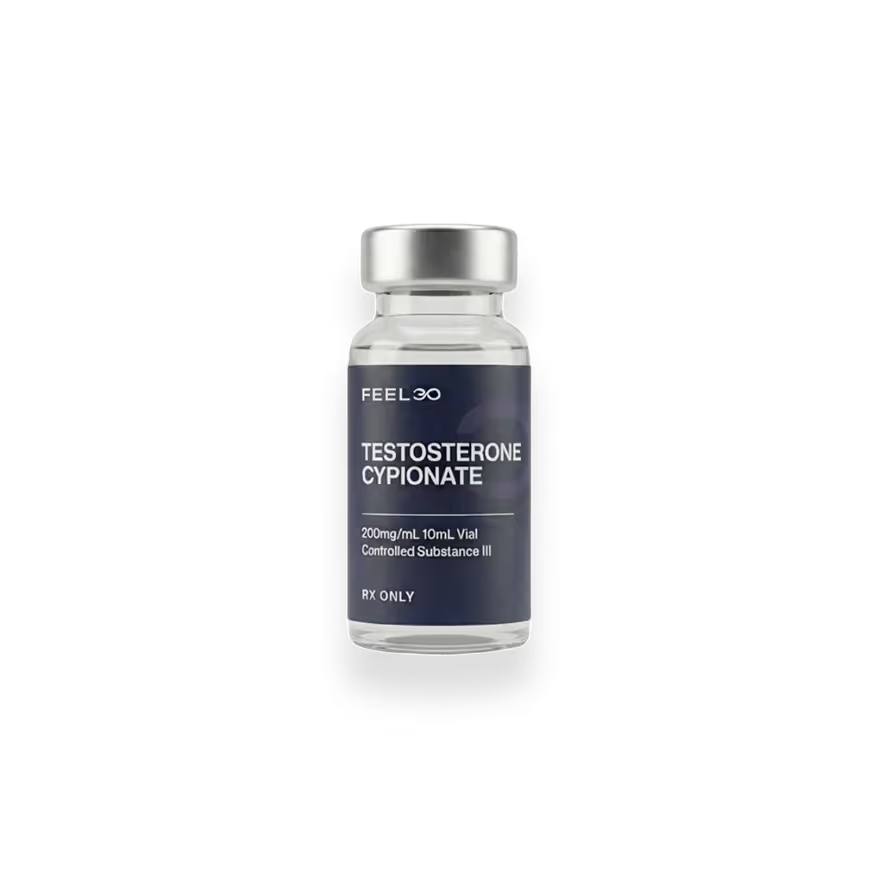
Supports energy, focus, sexual health, and overall wellbeing
Shop NowTestosterone cream is a topical cream that's applied to the skin, allowing testosterone to be absorbed gradually. It's great for men who prefer non-injection hormone support.
The benefits of testosterone cream include:
Oral TRT is a pill that's good for men who have had low hormone readings and need treatment but prefer something they can take orally.
The benefits of oral TRTs are:
Enclomiphene is a medication that helps the body increase its own testosterone production rather than replacing testosterone. It's the preferred option for men whose hormone tests suggest they might still be able to restore natural testosterone production, like younger men.
The benefits of enclomiphene include:
Disclaimer: Feel30 takes a careful, medical approach to hormone care. They don’t offer testosterone therapy to everyone who asks. Instead, treatment is only considered after a detailed blood test confirms true testosterone deficiency and symptoms clearly match the results.

Free testosterone is the small portion of testosterone not bound to proteins, making it the biologically active form the body can actually use. Low free testosterone levels can cause symptoms even when total testosterone appears completely normal on a blood test.
Yes! High sex hormone-binding globulin reduces free testosterone, so symptoms like low energy, reduced muscle mass, low mood, and low libido can appear.
Testosterone therapy is only considered when the symptoms of a testosterone deficiency are present and repeat blood test results confirm low testosterone levels or low free testosterone.
In some cases, yes. Regular exercise, good quality sleep, stress management, a balanced diet, and nutrients such as Vitamin D support healthy testosterone production.
Feel30 offers testosterone therapy only when a blood test confirms low testosterone levels, after which the correct treatment will be prescribed. A follow-up blood test is done 30 days after starting treatment to adjust dosage if needed.
Understanding what free testosterone is helps explain why hormone health is about more than a single lab number. Real balance depends on the relationship between total testosterone, free testosterone levels, binding proteins, symptoms, and overall well-being.
For men experiencing ongoing fatigue, reduced strength, or low libido, the most important first step is accurate blood test evaluation, and not quick treatment. A careful, medical approach ensures that any testosterone therapy is truly needed and safely guided.
That’s the focus behind Feel30: clear answers, responsible care, and support designed to restore healthy testosterone levels only when the body genuinely requires it.
Take the first step toward renewed energy and confidence with Feel30’s expert care.




4.9 out of 5 · 2,400+ reviews


Always Tired, Gaining Weight? Low T Was the Real Reason
Is Low T Hurting Your Relationship?
This gaming laptop is a powerhouse, equipped with the latest graphics card and a high-refresh-rate display.
Jane Smith
Feel30 has completely changed the game for me. I feel more energized, focused, and confident like I did years ago.
Emily Johnson
This smartphone offers an exceptional camera experience, with stunning low-light performance and vibrant colors.
John Doe
What are you waiting for?
Take the first step toward renewed energy and confidence with Feel30’s expert care.


Feel 30 again with physician-supervised treatment that restores the energy, confidence, and performance you remember. No hassle or hidden fees.