Stay informed with expert insights on testosterone therapy, men's health, and performance optimization.
Testosterone Replacement Therapy (TRT) can help men with low testosterone levels by increasing energy, mood, and even a low libido. However, there’s one issue many don’t expect: its impact on sperm count. If you are thinking about TRT and you want to start or grow your family, this article is for you.
Consulting a medical professional early on is important if you want children.

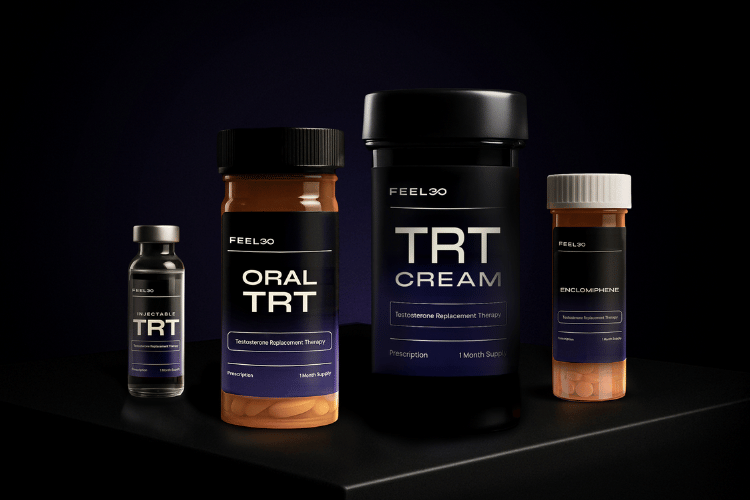
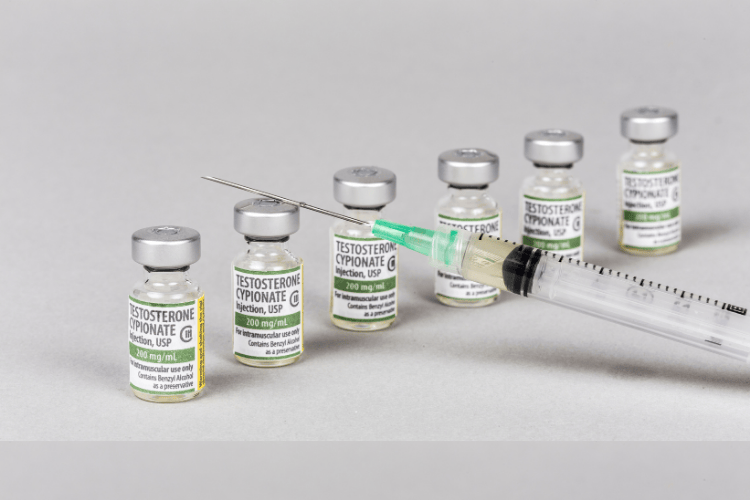
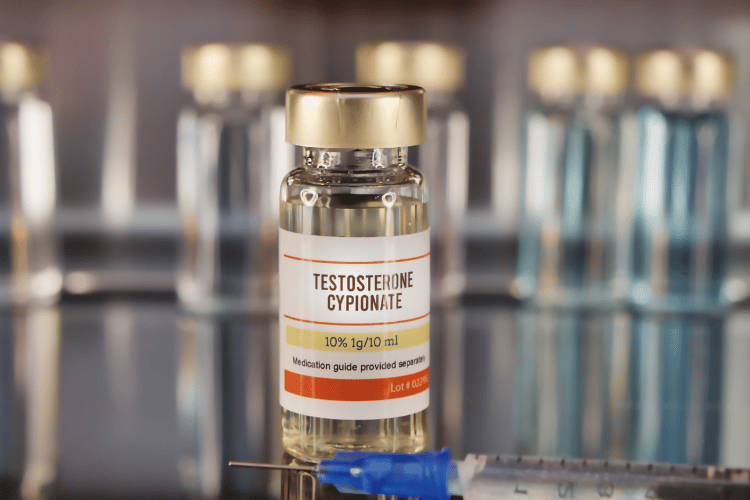
TRT, or testosterone replacement therapy, is a hormone treatment. Doctors often use it to treat men with low testosterone levels, a condition known as male hypogonadism. Testosterone can be taken in different forms. These include:
TRT can help restore energy, mood, sexual function, and more. Some men investigate TRT when they feel tired all the time. They may also have a low sex drive, trouble concentrating, or gain more body fat.
For some, testosterone replacement therapy is a medical necessity to address their hypogonadal symptoms. For others, it’s a way to maintain performance, confidence, and vitality as they age. We’ve dedicated an article to the benefits of testosterone.
That said, many people overlook one significant side effect: testosterone therapy’s impact on sperm, which can contribute to male factor infertility.
Fertility issues don't just affect females. In 30 to 50% of infertility cases, there’s a male factor involved (Agarwal et al., 2021).
Causes of male fertility issues may include:
Other risk factors include advanced age, obesity, untreated medical conditions, infections, past surgeries, and exposure to environmental toxins. These factors can impact fertility by negatively affecting hormone levels, sperm production, or overall reproductive health.
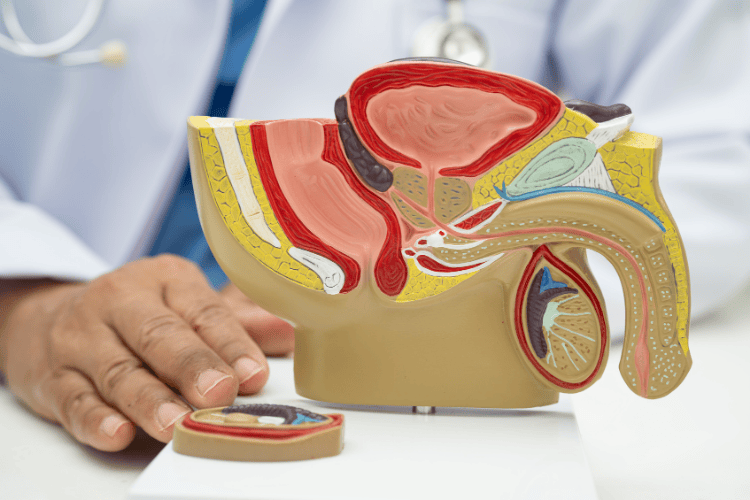
Your brain and testicles work together to keep your natural testosterone production and spermatogenesis (sperm production) in balance.
It starts in the brain:
This process involves what's known as the hypothalamic-pituitary-gonadal (HPG) axis. It controls your testosterone levels and sperm production. It operates through a negative feedback loop to regulate hormone levels.
Intra-testicular testosterone is essential for sperm production and maintaining the testicular environment. Intra-testicular (localized) testosterone is the amount of testosterone made and kept inside the testes. It's different from the testosterone found in the bloodstream. Localized testosterone facilitates spermatogenesis (the process of producing sperm).
Even if your blood testosterone levels are high due to TRT, the intra-testicular testosterone levels may be low. This can shut down sperm production and lead to infertility. Maintaining adequate intra-testicular testosterone is essential for healthy sperm development.
Testosterone replacement therapy increases the testosterone levels in your blood. But your brain doesn’t know it’s exogenous testosterone. It sees the increase and assumes your body has enough, so it stops sending signals to make more.
Here’s what happens next:
When sperm production is reduced, your sperm count and sperm concentration can go down quickly – sometimes even to zero. Doctors refer to this condition as azoospermia. Having an adequate sperm count is important for fertility, so azoospermia can negatively affect your ability to father children.
This side effect can start within weeks of beginning testosterone replacement therapy. It's an important reason for your healthcare provider to do a semen analysis. The longer you use it, the more your sperm production may decrease.
Studies show that even short-term use of testosterone therapy can lower sperm count. It may make men temporarily infertile. Some healthcare providers may not communicate this clearly when men begin treatment.
For some men, stopping TRT allows their natural hormone system to restart. But recovery can take months or longer. In some cases, especially after long-term use, full recovery doesn’t happen.
Your age, genetics, and how long you were on testosterone replacement therapy all play a role. Some men need medical help to recover their natural sperm production.
Men should monitor their sperm count recovery with regular semen analysis. Options for recovery may include fertility medications or even assisted reproductive technologies, depending on the degree of suppression and your overall health. If natural recovery does not occur, fertility treatments are available to help achieve pregnancy.
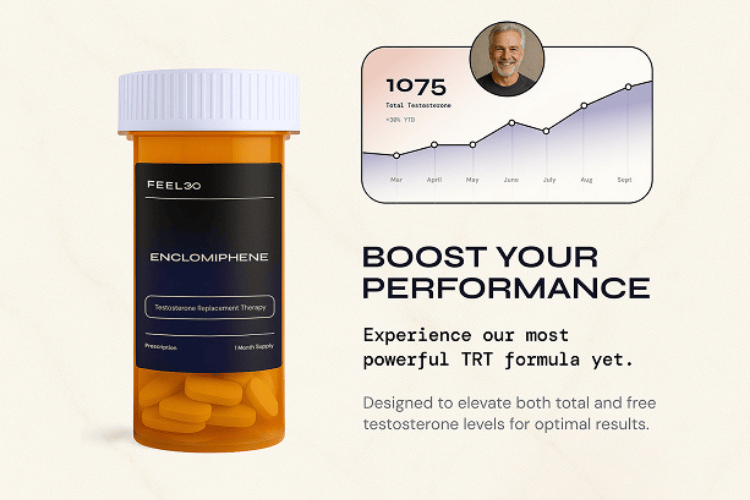
If your testosterone is low but you still want kids, there are treatments available that don’t shut down your sperm production. These options can help naturally increase testosterone levels while preserving fertility.
Medications like clomiphene citrate and hCG help your body produce more testosterone. They can be better choices than using injectable testosterone. They also promote sperm development instead of reducing it.
These medications help increase your body’s own testosterone levels without turning off sperm production. Clomiphene is one example, but there are others, too. Research into newer SERMs is ongoing, and they may provide even more effective options in the future.
This oral medication helps your pituitary gland produce more LH and FSH. That boosts natural testosterone and keeps sperm production going. Many men respond well to clomiphene, which is why doctors often use it as a first-line treatment.
One alternative form of this medication is enclomiphene, which is available as a standalone therapy. Unlike regular clomiphene citrate, which has a mix of isomers, enclomiphene is a pure version. It provides more focused action. It stimulates LH and FSH to boost testosterone while minimizing unwanted side effects.
hCG acts like LH and stimulates the testicles to produce testosterone. Some providers combine it with testosterone replacement therapy to protect fertility.
Doctors sometimes use hCG to "jumpstart" sperm production in men coming off TRT who want to reverse azoospermia. It's also helpful for younger men looking to optimize hormone levels without compromising their fertility.

Here’s the good news: simple changes can make a difference. Your daily routine can help balance hormones, improve sperm quality, increase bone density, and support male reproductive health. You don’t need to be ready for medication or hormones to make a difference.
Other helpful habits include managing your blood sugar and staying hydrated. Avoid tight-fitting underwear that increases testicular temperature. Also, reduce screen time before bed to protect melatonin and improve sleep quality.
These steps may not fix all cases of low testosterone. However, they can help your overall reproductive health.
Yes. Testosterone replacement therapy can lower the natural hormone signals your body needs to make sperm.
It might. Your body's ability to resume testosterone production depends on how long you were on TRT and your unique biology.
Yes. Clomiphene, hCG, and SERMs are often used for that purpose.
If you are not sure about having kids in the future, consider sperm banking. It's a good idea if you want to start testosterone replacement therapy.
They can. Exercise, sleep, nutrition, and cutting toxins all support hormone health and can have a positive effect on testosterone levels.
In some cases, yes. With close monitoring and the addition of medications like hCG, it’s possible to maintain fertility while on TRT.
For men not concerned with fertility, long-term testosterone replacement therapy may be safe under supervision. But regular lab testing and medical oversight are essential.
Testosterone replacement therapy can greatly help men with low testosterone. It can boost energy, mood, sexual function, and overall well-being. However, its effects on fertility are often misunderstood or underestimated. TRT increases blood testosterone levels, but it can lower sperm production. This happens because it disrupts the hormones needed for sperm creation. Sometimes, this can lead to very low sperm counts or temporary infertility.
The good news is that fertility does not have to be an afterthought. With proper planning and medical support, many men can maintain healthy testosterone levels. They can do this without affecting their ability to have children. Options like SERMs, enclomiphene, hCG, fertility preservation, and lifestyle changes can really help.
If fatherhood is part of your future, the most important step is an informed one. Speak with a knowledgeable medical professional before starting TRT to fully understand your options and protect your reproductive health.
We help men improve their hormones, performance, and longevity. If you’re considering testosterone therapy, our fertility specialist will help you choose the safest, most personalized path forward.
Take the first step toward renewed energy and confidence with Feel30’s expert care.




4.9 out of 5 · 2,400+ reviews


Always Tired, Gaining Weight? Low T Was the Real Reason
Is Low T Hurting Your Relationship?
This gaming laptop is a powerhouse, equipped with the latest graphics card and a high-refresh-rate display.
Jane Smith
Feel30 has completely changed the game for me. I feel more energized, focused, and confident like I did years ago.
Emily Johnson
This smartphone offers an exceptional camera experience, with stunning low-light performance and vibrant colors.
John Doe
What are you waiting for?
Take the first step toward renewed energy and confidence with Feel30’s expert care.


Feel 30 again with physician-supervised treatment that restores the energy, confidence, and performance you remember. No hassle or hidden fees.