Stay informed with expert insights on testosterone therapy, men's health, and performance optimization.
Testosterone is a hormone that drives male health, including bone strength, mood, energy, and reproductive function. For men over 30, testosterone levels naturally decrease. However, diet and lifestyle can slow this process down or speed it up. Knowing how certain foods impact testosterone levels can change how you feel.
Low testosterone (low T) can change your weight, confidence, and mental clarity. It can affect cognitive function, impacting your ability to think clearly and process information. It can also lead to decreased libido. And yet, few men realize that what they eat every day could be quietly lowering their testosterone levels.
Let’s take a closer look at the worst offenders in your diet and how they could be sabotaging your hormone balance. Maintaining a balanced diet is essential for supporting healthy testosterone levels and overall hormonal health.
Low testosterone levels, or hypogonadism, affect millions of men, especially over 30. The symptoms of low testosterone include low libido, depression, fatigue, an increase in body fat, difficulty concentrating, reduced bone density, and even infertility. Many men brush off these signs, assuming they’re just part of aging, but they’re not.
Testosterone levels drop by about 1% each year after age 30. However, factors such as the environment, weight gain, and diet can speed this up. Excessive stress, lack of sleep, and nutritional deficiencies all contribute to decreased testosterone levels.
The good news? Food is one of the easiest and most controllable ways to support testosterone levels naturally. That’s why identifying and avoiding foods that lower testosterone is so important.
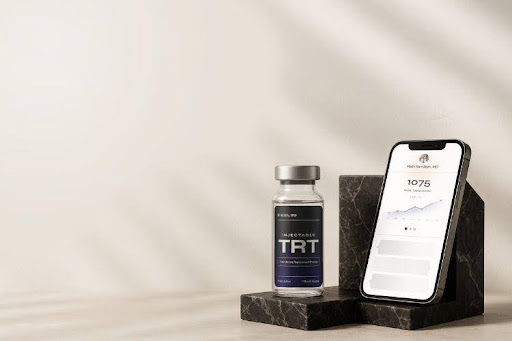
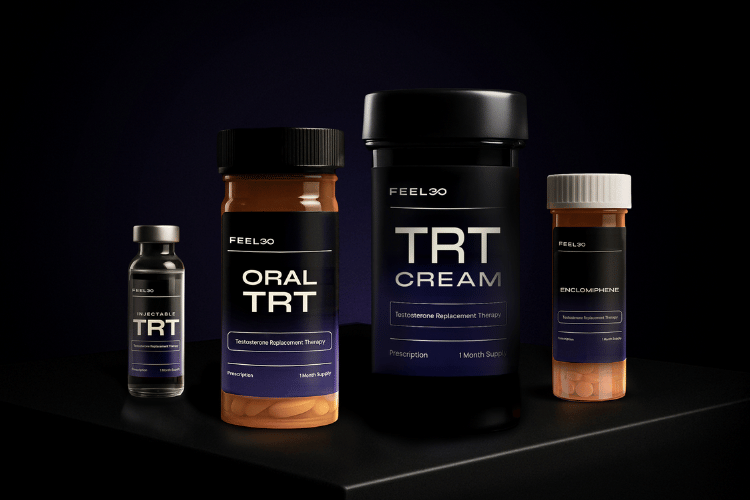
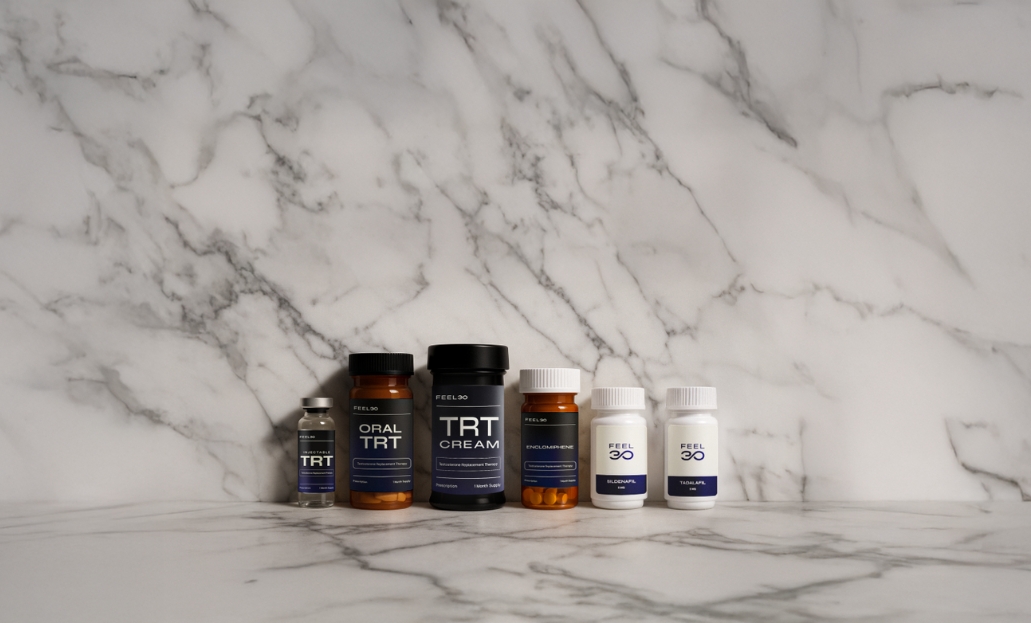
We specialize in helping high-performing men rebalance their hormones through testosterone replacement therapy, such as oral TRT, testosterone cream, and enclomiphene.
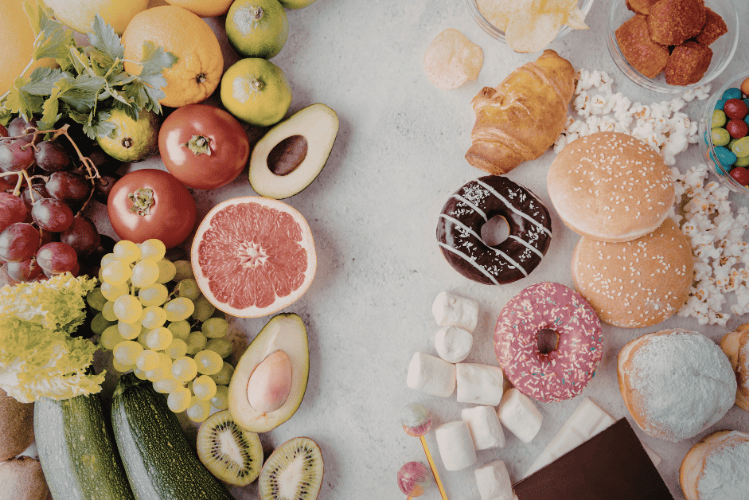
Healthy testosterone production relies on a consistent intake of nutrients, such as zinc, vitamin D, cholesterol, and healthy fats. These help form the raw materials your body needs for producing testosterone in the Leydig cells of your testes.
Some foods can disrupt this process and decrease testosterone levels. These foods can negatively impact testosterone production by promoting inflammation or hormonal imbalance. They may increase sex hormone-binding globulin (SHBG), which binds free testosterone and reduces free testosterone levels. Other foods may contain hormone-disrupting compounds, such as phytoestrogens and xenoestrogens, which also affect male reproductive hormones.
Foods lower testosterone by interfering with your body's hormonal balance.
Emerging research has identified specific dietary patterns that are consistently linked to testosterone levels. While animal studies have provided some insights, human research has shown that diets high in red and processed meats, fried foods, sugary snacks, and refined grains are associated with significantly lower testosterone levels. This pattern is associated with lower total testosterone, reduced free testosterone, and an increased risk of metabolic disorders.
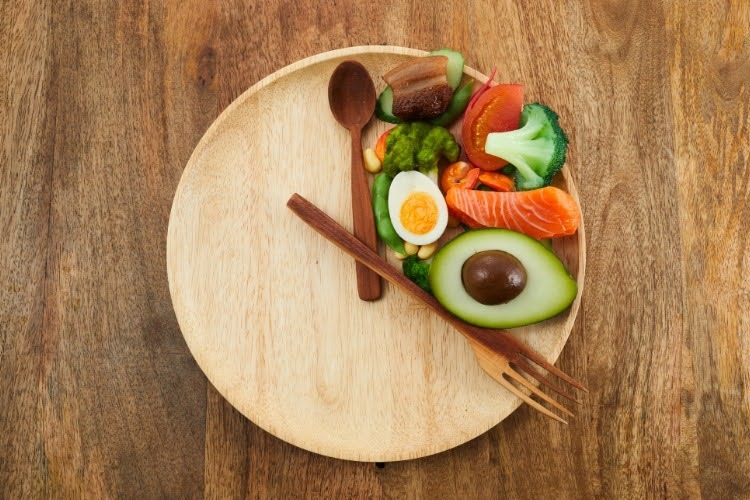
Diets that include whole foods, such as fruits, vegetables, lean proteins, healthy fats, and whole grains, are linked to higher testosterone levels. They also support better overall hormone health. These diets help maintain healthy testosterone levels.
To boost testosterone naturally, avoid diets that lower testosterone. Instead, choose a nutrient-rich, anti-inflammatory eating style. This may be one of the best lifestyle changes you can make.
Here are the top four foods that kill testosterone and what you should know about each one.
Burgers, chips, and frozen meals are ultra-processed options that are packed with trans fats, sodium, and additives. Trans fats, in particular, are linked to decreased testicular function and lower testosterone levels. Trans fatty acids, commonly found in artificial trans fats and partially hydrogenated oils, have been shown to negatively impact hormone levels and testicular health. These unhealthy fats interfere with cholesterol metabolism, which is necessary to increase testosterone and hormone production.
In one study, men with high trans fat intake had 15% lower testosterone than those who ate less (Healthline, n.d.). These foods also spike inflammation, contribute to obesity, and disrupt insulin sensitivity, which all impair testosterone production. High trans fat intake can also reduce testicular volume, especially in young healthy men, and is associated with increased body fat.
Alternative: Stick to whole, minimally processed foods such as vegetables, fruits, lean, hormone-free meats, and whole grains. Drink water and iced tea instead to reduce your sugar-sweetened beverage intake.
Alcohol reduces testosterone by impairing testicular function. Beer is a double offender because it contains phytoestrogens from hops. Chronic alcohol use can lead to a significant drop in testosterone and an increase in estrogen levels.
Alcohol raises cortisol, which is the stress hormone that competes with testosterone. Alcohol can also impact the adrenal glands. These glands make hormones such as cortisol and testosterone. This can disrupt hormone balance even more and harm liver function. The damage affects your body’s ability to control hormones.
Alternative: Enjoy alcohol in moderation or opt for red wine occasionally, which may have protective antioxidants such as resveratrol. Better yet, take alcohol-free weeks or months to see how your body responds.
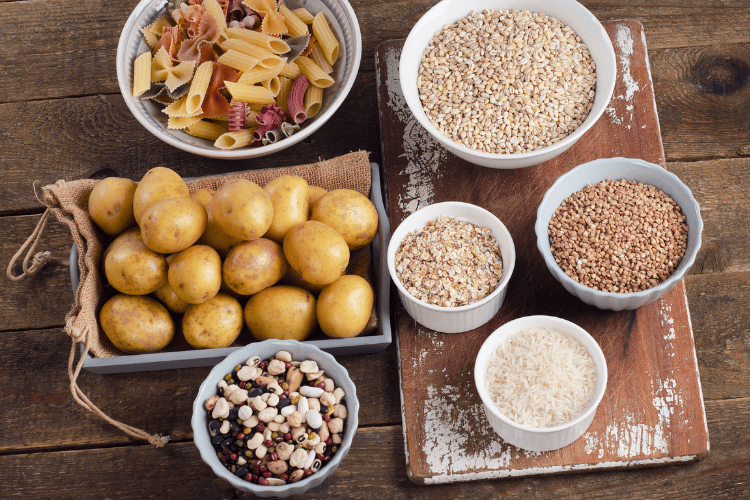
Foods such as white bread, pastries, and sugary snacks spike insulin levels and contribute to metabolic syndrome. It leads to weight gain, more body fat, and higher aromatase activity. Aromatase is the enzyme that changes testosterone into estrogen.
Insulin resistance is one of the most common drivers of low testosterone in men today. Refined carbs also lack the fiber, minerals, and nutrients needed to support healthy testosterone levels. These nutrients are also essential for maintaining lean muscle mass.
Alternative: Swap for complex carbs such as quinoa, oats, sweet potatoes, and brown rice. They keep blood sugar stable and fuel workouts that stimulate testosterone production.
Omega-3s are beneficial for overall health. However, the modern Western diet tends to be overloaded with omega-6 oils, often found in restaurant foods and packaged snacks. Oils like soybean, corn, and sunflower are high in omega-6 polyunsaturated fats (PUFAs), which oxidize easily. This can increase inflammation and oxidative stress in the body.
While the direct impact on testosterone levels hasn’t been definitively established, chronic inflammation and oxidative stress may, over time, interfere with hormone health and damage testicular cells.
Alternative: Cook with avocado oil, coconut oil, or ghee for stable, hormone-supportive fats.
Resistance training and high-intensity interval training (HIIT) can boost testosterone better than just cardio.
Poor sleep and chronic stress elevate cortisol, which reduces testosterone production. Aim for 7–9 hours of quality sleep and daily stress-reduction practices.
Especially belly fat, which is hormonally active and can convert testosterone into estrogen through aromatase enzymes. This is especially important for overweight and obese men. They often have more visceral fat, which can affect their hormonal balance more.
These chemicals are found in plastics, personal care products, and pesticides. They can mimic estrogen and disrupt hormone production.
The symptoms of low testosterone include fatigue, low sex drive, erectile dysfunction, depression, brain fog, loss of muscle mass, and increased belly fat.
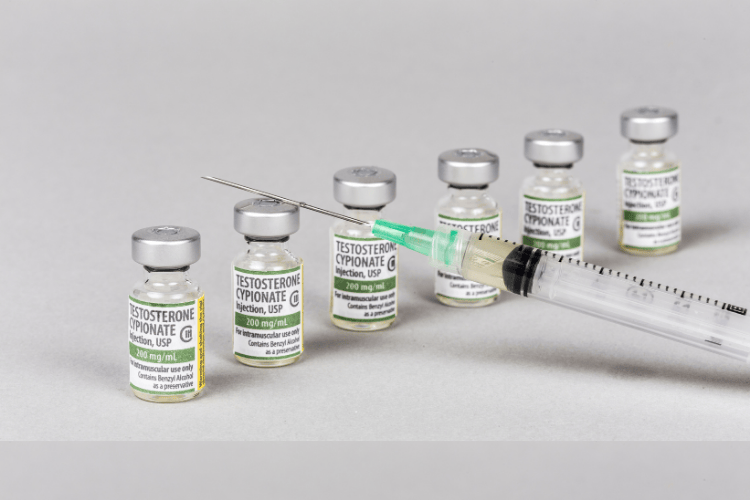
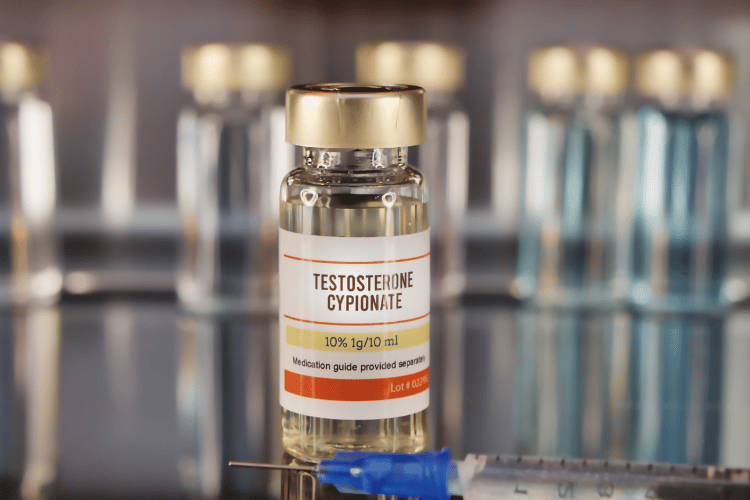
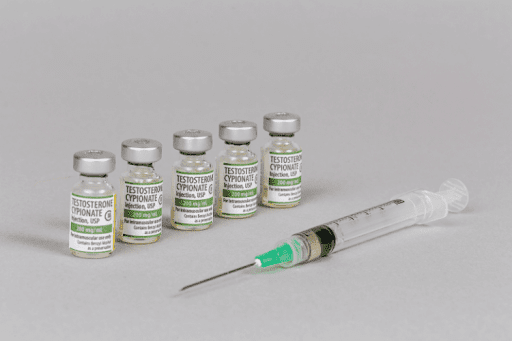
For some men, diet and lifestyle changes can make a significant impact on lower testosterone levels. However, others may need testosterone replacement therapy (TRT) under medical supervision. It's helpful to think of it to support healthy testosterone production. Your provider may recommend testosterone treatment if your levels are low.
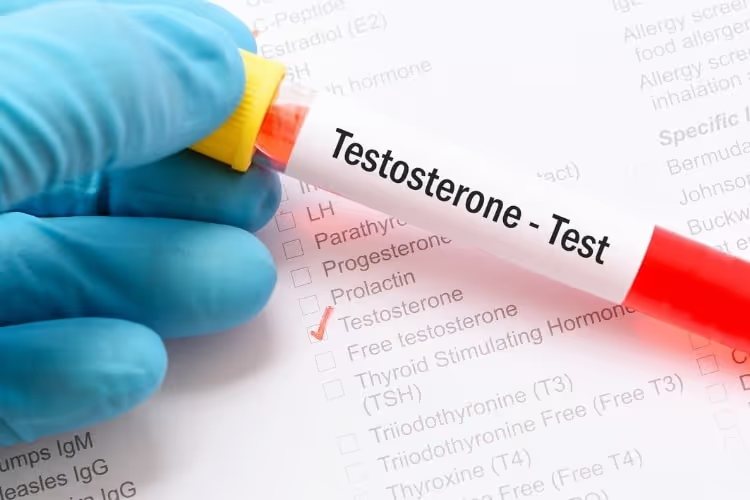
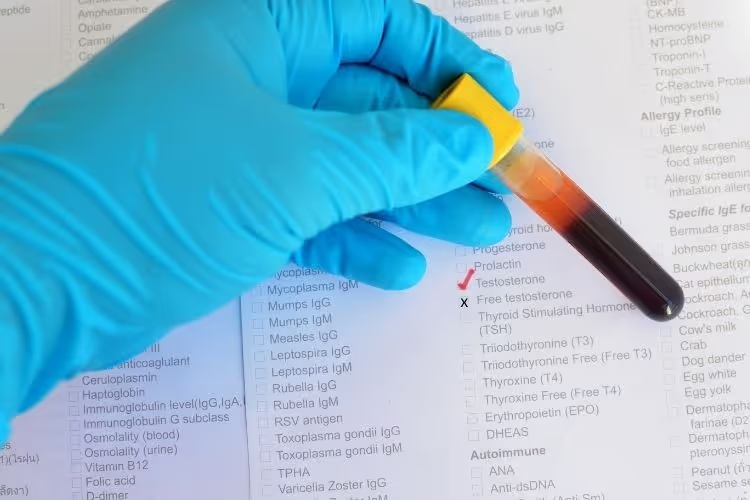
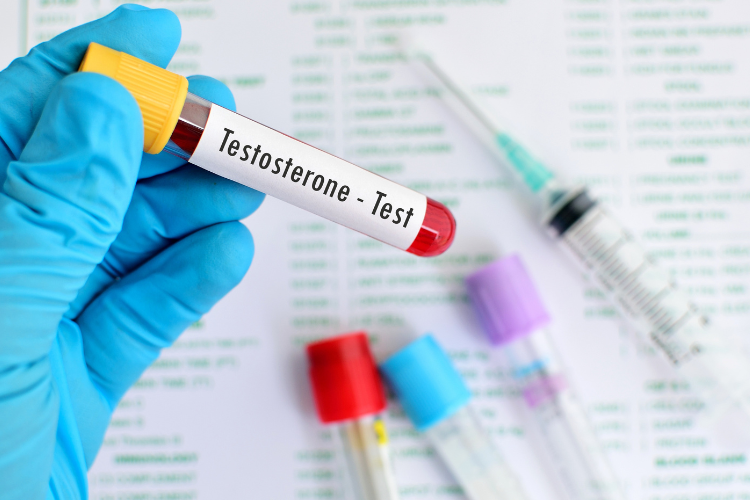
A simple blood test can confirm your levels. Morning tests are most accurate. Talk to a hormone specialist if you’re experiencing symptoms.
Clinicians typically focus on measuring total testosterone, which includes both the active and bound forms circulating in the bloodstream. A more focused evaluation may look at bioavailable testosterone. This is the part that is not tightly bound to sex hormone-binding globulin (SHBG) and is easy for the body to use. In some cases, tests may check serum testosterone levels. It is a standard measurement of the liquid part of clotted blood.
If you’re over 30 and struggling with low energy, libido, or mood, your diet could be contributing to the problem.
The journey to balanced hormones starts with small, informed changes: removing processed foods or switching up your cooking oil. Over time, these adjustments can translate into better sleep, clearer thinking, and a renewed sense of confidence.
Take the first step toward renewed energy and confidence with Feel30’s expert care.




4.9 out of 5 · 2,400+ reviews


Always Tired, Gaining Weight? Low T Was the Real Reason
Is Low T Hurting Your Relationship?
This gaming laptop is a powerhouse, equipped with the latest graphics card and a high-refresh-rate display.
Jane Smith
Feel30 has completely changed the game for me. I feel more energized, focused, and confident like I did years ago.
Emily Johnson
This smartphone offers an exceptional camera experience, with stunning low-light performance and vibrant colors.
John Doe
What are you waiting for?
Take the first step toward renewed energy and confidence with Feel30’s expert care.


Feel 30 again with physician-supervised treatment that restores the energy, confidence, and performance you remember. No hassle or hidden fees.