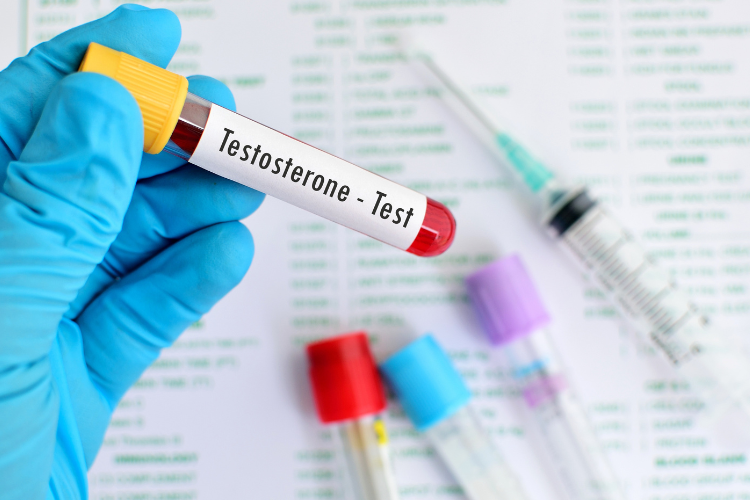
Stay informed with expert insights on testosterone therapy, men's health, and performance optimization.
Ashwagandha has quickly become one of the most talked-about herbal supplements in men's health today. More and more people are using it to treat stress, get better sleep, improve their gym performance, boost their fertility and mood, and even increase their testosterone levels. Now, because of that, one question keeps coming up: Does ashwagandha increase testosterone?
The honest answer is much more than a simple yes or no. Research published in Advances in Nutrition shows that ashwagandha and testosterone are linked, but the effect varies by individual.
To understand just what ashwagandha can do, what the clinical trials actually show, and how it affects the body, it's important to go back to the beginning. Let's dive right in.
Ashwagandha, also known by its scientific name Withania somnifera, is a small plant that's been used in ayurvedic medicine for strength, vitality, fertility, and overall physical and mental health. Some people call it indian ginseng, even though it's a different species.
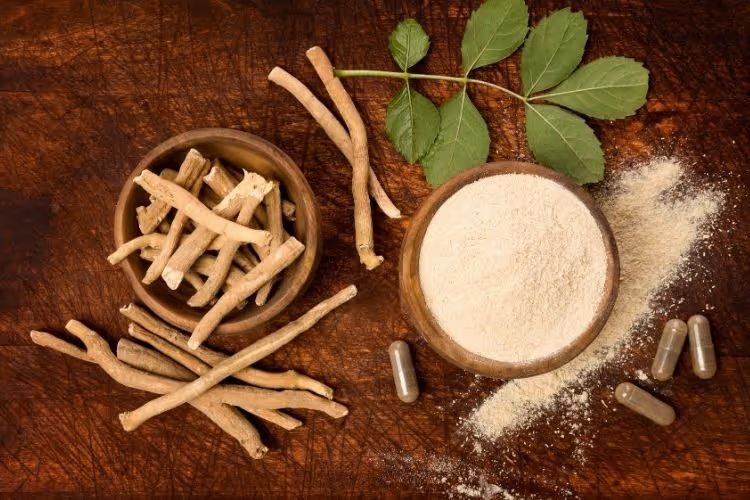
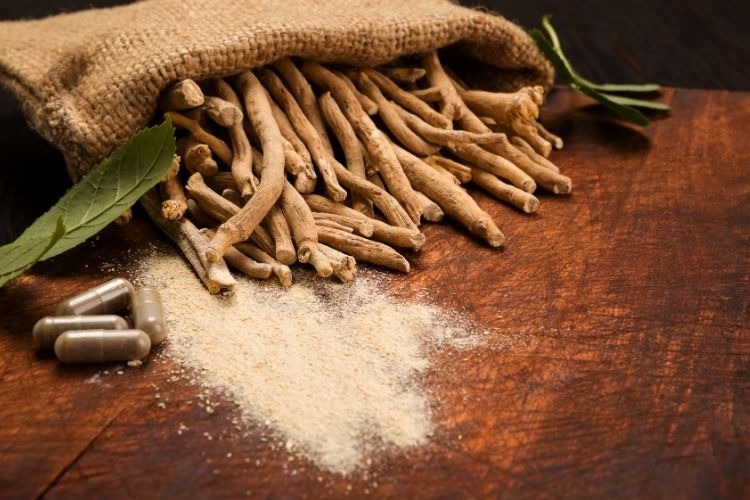
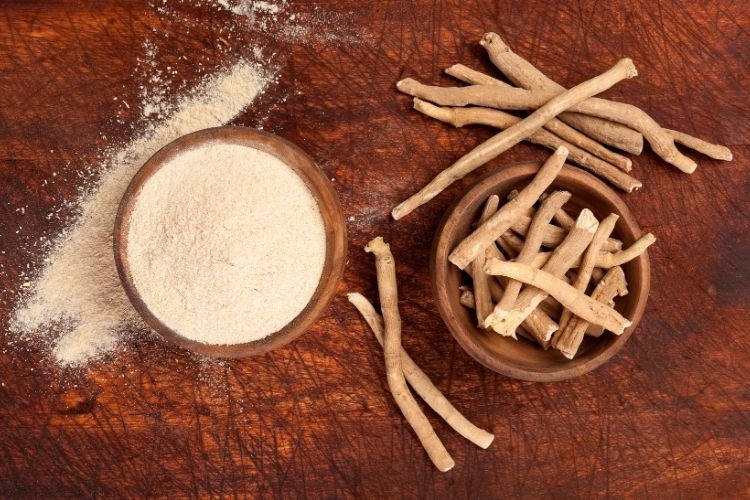
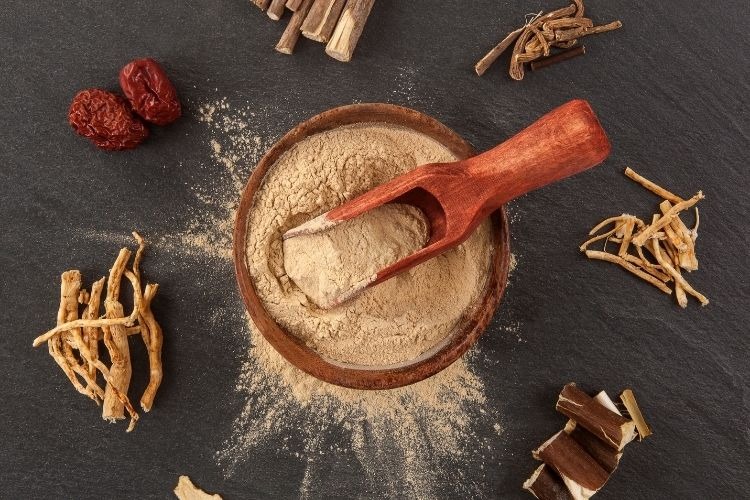
The most commonly used part is the ashwagandha root, which is dried and turned into powders, capsules, or ashwagandha root extract. Modern ashwagandha supplements usually contain a standardized root extract, meaning the amount of active compound stays consistent. A study published in the American Journal of Men’s Health showed these compounds' hormonal and vitality effects, including how they can support:
Today, science is exploring whether those traditional uses still hold up under modern testing. And, spoiler alert, in many cases they do.
To fully understand the connection between ashwagandha and testosterone, you first need to understand stress. When the body experiences chronic stress, it produces more cortisol. Cortisol is the main stress hormone, and elevated cortisol levels interfere with recovery, sleep, mood, and testosterone production. High cortisol can also:
This is where ashwagandha can help.
Research published in EXPLORE shows that ashwagandha supplements can reduce stress, lower cortisol levels, and support a healthier hormone balance. Instead of directly forcing testosterone levels higher, ashwagandha creates better conditions for supporting testosterone levels naturally. Simply, it supports the environment around hormones rather than replacing them.
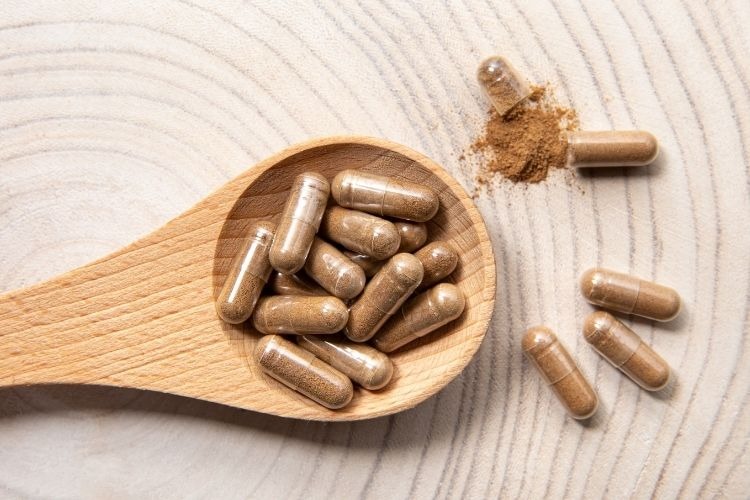
Researchers have been studying the effects of ashwagandha on testosterone for years. This includes conducting randomized controlled trials and double-blind, placebo-controlled research. In simpler terms, these studies, published in the American Journal of Men’s Health, compare men taking ashwagandha supplements with a placebo group taking an inactive substance. The results? Scientists can see whether real changes happen in the body - or whether people just feel better because they expect to.
But across different clinical trials, a few clear patterns show up:
First, a study published in Advances in Nutrition showed significant increases in testosterone levels, especially in men dealing with chronic stress, fertility challenges, and already-low hormone levels. This doesn't seem to happen because ashwagandha forces testosterone production higher, but rather because it works by lowering cortisol levels (the main stress hormone). When cortisol levels drop, the body can shift its attention back to recovery, fertility, and balanced reproductive hormone levels, which, in turn, helps enhance testosterone levels.
Second, research published in BioMed Research International involving infertile males shows a big improvement in sperm quality, sperm motility, semen quality, and even seminal plasma health. This indicates that ashwagandha supports the reproductive system in a measurable manner.
Third, when men combine ashwagandha root extract with resistance training, a study published in the Journal of Functional Morphology and Kinesiology shows better muscle strength, more muscle growth, and an increase in muscle mass. Some men reported better recovery, higher energy levels, and an improvement in their athletic performance.
It's important to remember that the results aren't identical for everyone. Some men notice clear hormonal changes, but others will feel calmer, sleep better, or handle stress better.
All of this leads us to the most important takeaway: Ashwagandha seems to work best when stress, fatigue, or hormonal imbalance is already part of the picture.
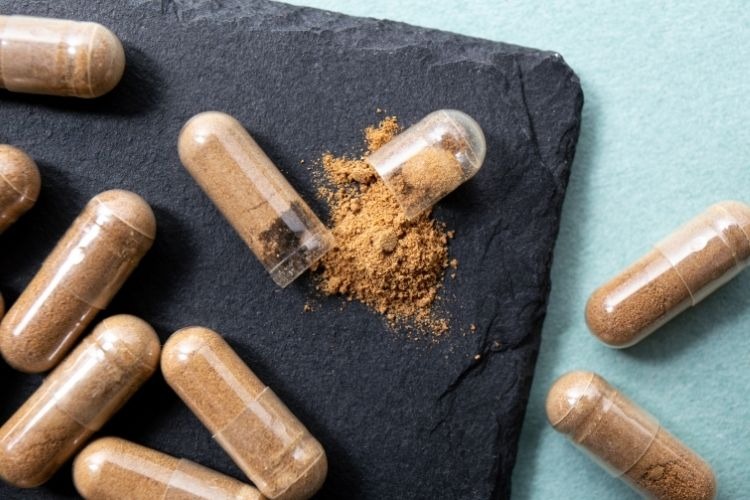
One of the most researched areas of ashwagandha supplementation is male fertility. A study published in BioMed Research International explored how Withania somnifera affects the reproductive system, especially in infertile males and men dealing with stress-related male fertility problems. This focus makes sense because stress, poor sleep, and hormone imbalances all interfere with normal reproductive hormone levels and overall men's health.
A study in Pharmaceutics reported that men taking ashwagandha root extract showed significant improvements in fertility markers. This suggests the potential support of male reproductive health, but larger studies are needed to confirm. Keep in mind that improvement in sperm and motility doesn’t mean live births.
There's also evidence found in a 2024 study published in Frontiers in Nutrition that ashwagandha root helps reduce oxidative stress inside the reproductive organs. Oxidative stress happens when harmful molecules damage healthy cells, including sperm. When sperm cells are damaged, fertility decreases. Ashwagandha helps protect these cells. Scientists see significant increases in certain placebo-controlled studies.
Chronic stress can disrupt reproductive hormone signaling, and strategies that reduce stress may support overall hormonal health. Clinical studies show that ashwagandha can lower stress markers and may improve certain semen parameters, though more large-scale research is needed to confirm its effects on fertility outcomes.
Another area where ashwagandha supplementation receives considerable attention is sports nutrition. A lot of men hear about Withania somnifera, or ashwagandha, from someone at the gym - maybe a coach, or maybe someone who's mentioned its effects on their recovery and performance. No matter where they hear about it, the fact remains that it's popular, helpful, and can be beneficial to some.
That's because clinical trials, including those published in Complementary Therapies in Medicine, have looked at how ashwagandha root extract affects men who are doing resistance training.
Some studies show that men taking ashwagandha supplements have greater muscle strength, more muscle growth, and increased muscle mass than those in a placebo group. Another benefit is better athletic performance, meaning those in the group taking ashwagandha could train harder, recover faster, and maintain higher intensity during their workouts.
What's interesting is how this happens. Ashwagandha doesn't work like anabolic steroids. It isn't meant to force testosterone production beyond its natural limits. Instead, the effects of ashwagandha come from improving the body's overall health and wellness.
Many placebo-controlled studies show the same basic result: lower cortisol levels. When cortisol stays high for too long, your body struggles to recover properly. When elevated cortisol comes down, the body finally relaxes and focuses on healing and rebuilding.
Better recovery means muscles repair themselves more easily after workouts. That helps support muscle mass, strength, and overall performance. Lower stress can also improve sleep, which is very important for hormonal health and balanced testosterone levels.
Ashwagandha root also helps the body deal with the stress caused by hard exercise. Tough workouts put pressure on muscle cells and slow recovery. By helping the body recover better, ashwagandha is why researchers see significant improvements in strength, endurance, and recovery time in randomized double blind placebo studies.
The main idea is simple: ashwagandha supplementation doesn't replace good training, healthy food, or proper rest. But it helps the body handle stress better, recover faster, and keep hormonal health in a better place.
That extra support helps make steady progress and better athletic performance feel easier for men who train often.

Another big reason people look into Ashwagandha supplementation has to do with how they feel day to day. Researchers who study Withania somnifera focus on certain health conditions, but also look at mental health, sleep, and cognitive function, because stress affects all these areas too.
One of the most common findings in placebo-controlled and double blind placebo controlled studies is lower cortisol levels. When stress levels are lower, there are positive changes in a few other areas. People taking ashwagandha report better sleep quality, meaning they fall asleep more easily and wake up feeling more rested. It's no secret that sleep matters more than most people realize. It is, after all, the time when the body repairs itself, resets the brain, and supports hormonal health - including testosterone levels. Poor sleep causes elevated cortisol, drains energy levels, and makes it harder for the body to keep hormones balanced.
Lower stress, on the other hand, leads to improved mood, higher energy levels, and reduced anxiety. Instead of feeling constantly tense or mentally overwhelmed, people taking ashwagandha supplements describe feeling calmer and steadier. This calmer state also helps with clearer thinking, better focus, and stronger cognitive function during work, training, and everyday tasks.
Ashwagandha supplementation doesn't fix everything, but there are many ashwagandha benefits for men.
Here's what you need to know:

Yes, ashwagandha supplements from companies like Feel30 have benefits, but it's important to keep expectations realistic and also be aware of the limitations of a health supplement. Ashwagandha supports men's health, but it's not a cure-all. Here's what you need to know:
If you're thinking about trying ashwagandha supplements, one of the first questions you likely have is: How much should I take, and how do I take it safely?
According to the Office of Dietary Supplements, only a small daily amount is required to experience the benefits of ashwagandha. The most common dose is 250 mg to 600 mg per day.
People take ashwagandha at different times depending on their goal:
Ashwagandha comes in a few different forms:
Capsules are the easiest way to keep track of the dose.
Research published by the National Center for Complementary and Integrative Health shows that ashwagandha supplements are safe when used in normal amounts. But it's still important to know the possible side effects.
Here are a few of the most common side effects of ashwagandha:
People with thyroid, immune, and hormone-related health conditions should be cautious when taking ashwagandha. Always speak with a healthcare professional before starting new supplements and choose trusted, medically guided sources.
Feel30 emphasizes safe, evidence-based care rather than quick fixes.
Ashwagandha is helpful, but it's not a cure-all. It's important to remember that supplements alone don't solve every hormone problem. Look out for symptoms like:
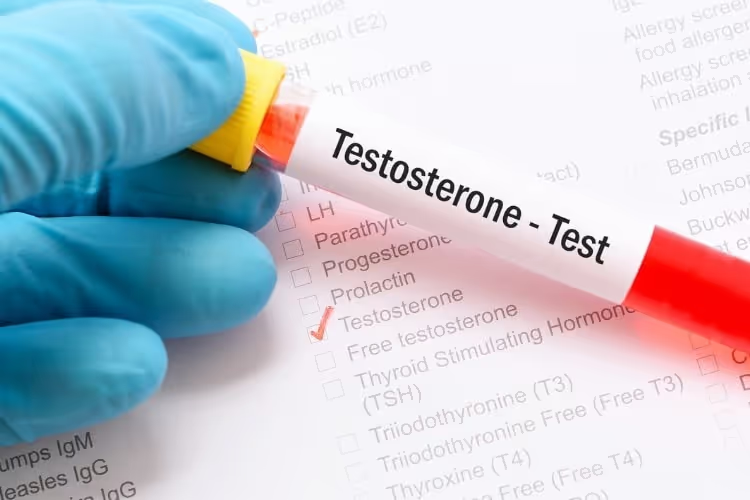
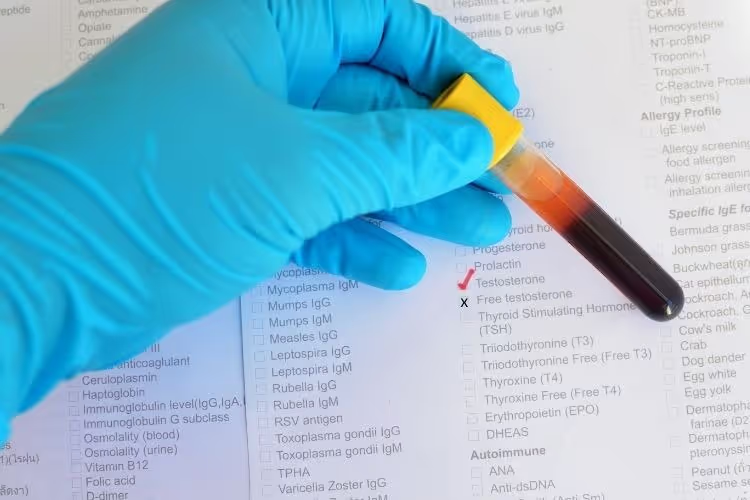
If you notice any of these, test your hormone levels instead of guessing. Medically supervised testosterone therapy is often the most effective option. Yes, supplements like ashwagandha root extract support men's health, but they can't fix a severe imbalance on their own.
Supports energy, focus, sexual health, and overall wellbeing
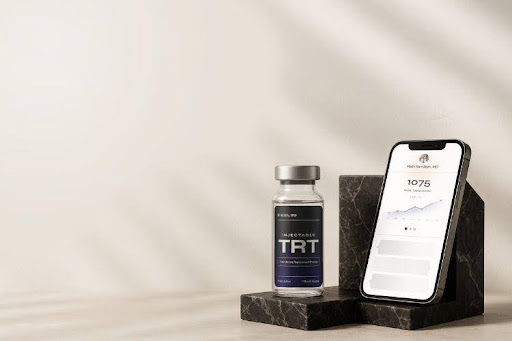
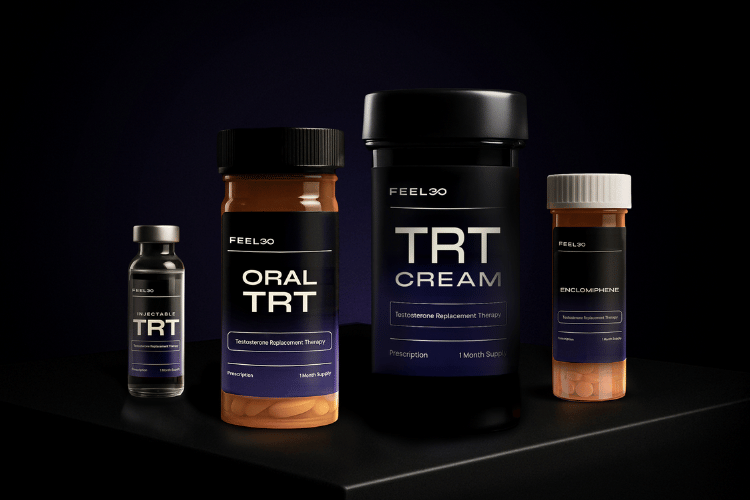
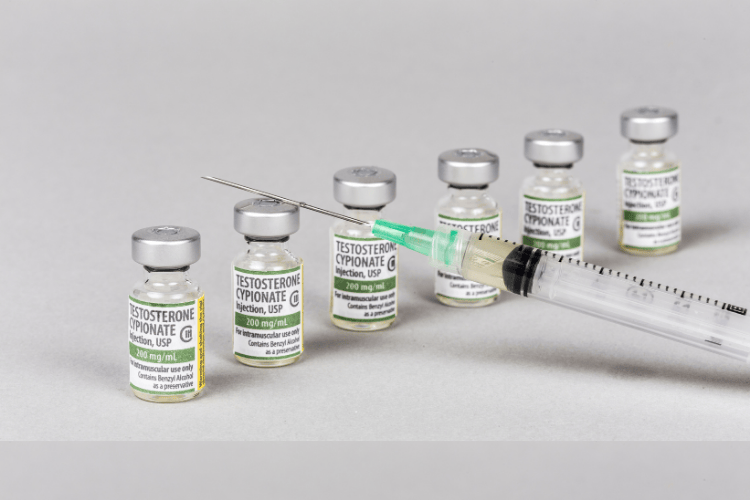
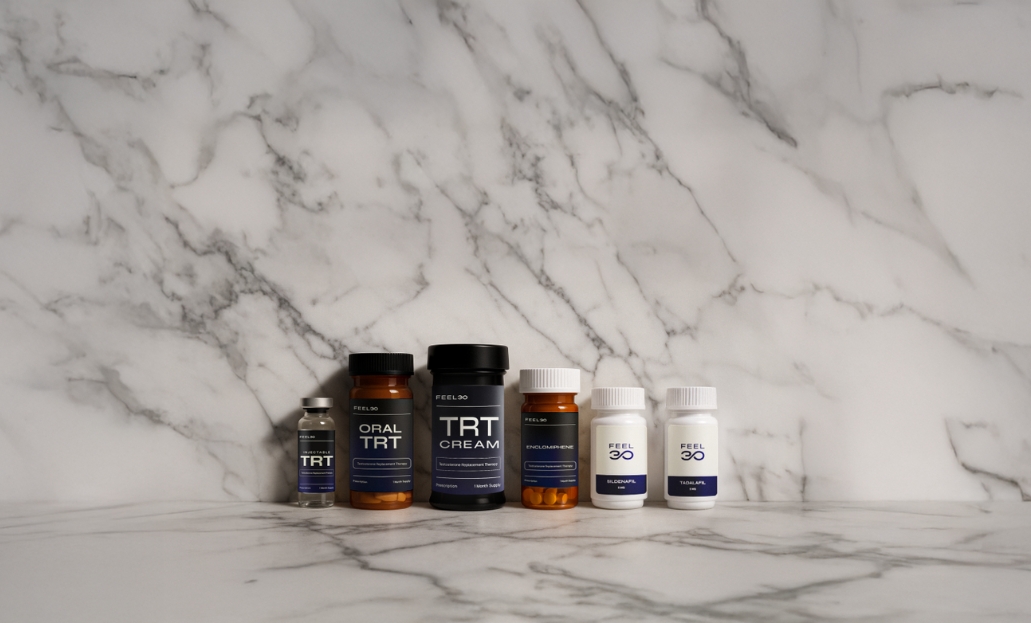
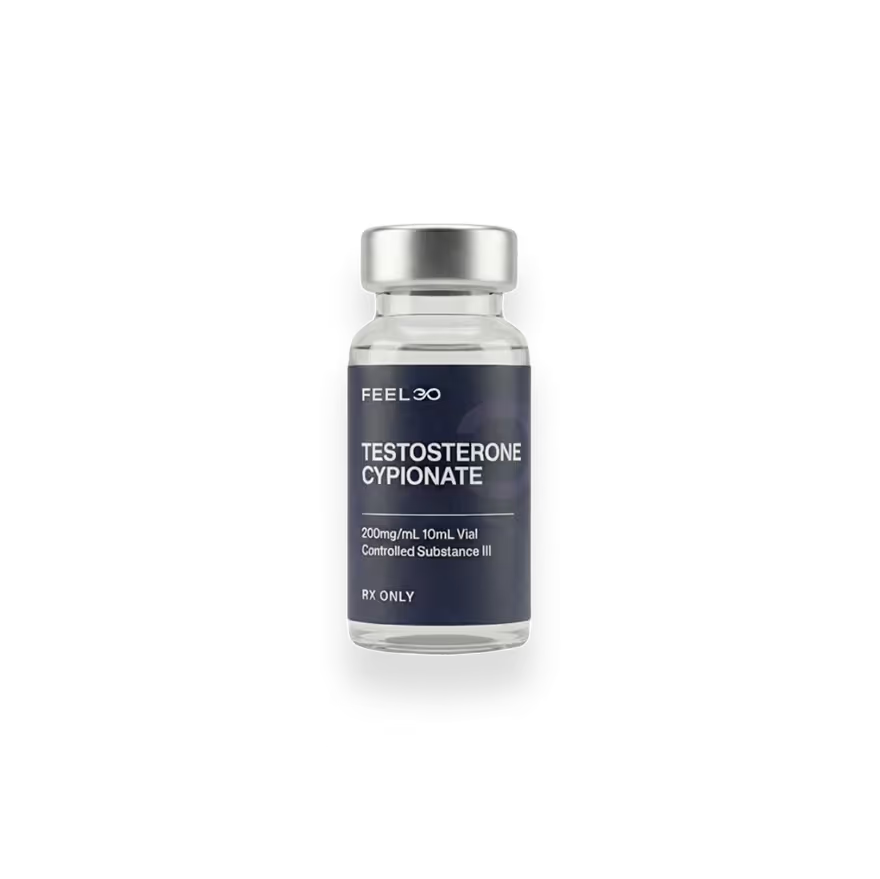
Shop NowFeel30 only provides testosterone replacement therapy (TRT) when blood tests confirm that testosterone levels are low and it is truly needed. Feel30 has several options to help with low testosterone levels, including:
With Feel30, there's no unnecessary treatment, no guessing with hormones, and a focus on safe, personalized care that boosts energy levels and hormonal health.
Sometimes, yes. A clinical trial published in Translational Psychiatry showed small but statistically significant increases in testosterone levels, especially in men dealing with chronic stress or lower testosterone levels. Ashwagandha works by lowering cortisol levels and supporting hormone health rather than by directly forcing testosterone production higher. Healthy men with balanced hormones might notice stress relief or better sleep, more than major testosterone changes. However, it’s important to note that the small improvement in testosterone may not be enough to improve symptoms in men with hypogonadism.
A study published in the Journal of Medicinal Food found that ashwagandha supplementation begins to show an effect after approximately six to 12 weeks of daily use. The first changes people notice are usually:
Changes in testosterone levels, muscle mass, or reproductive hormone levels may take longer. Ashwagandha works slowly with the body, so patience and consistency are important.
For some men, it may support hormonal health and increased sperm quality. Research published in Evidence-Based Complementary and Alternative Medicine regarding infertile males and stress-related male fertility showed:
These improvements support the reproductive system and may help increase the chance of pregnancy. Ashwagandha is not a magic cure for infertility, but it may offer helpful support alongside medical care.
For most healthy adults, ashwagandha supplements are safe when taken in normal doses.
Some people may feel:
Because ashwagandha can affect hormonal health, cortisol levels, and certain health conditions, it’s best to talk with a healthcare professional before starting - especially if you take medication or have a chronic illness.
No. If blood tests show very low testosterone levels, medical testosterone therapy from brands like Feel30 is usually the most reliable treatment. Ashwagandha supplementation may help with stress, sleep, and overall men's health, but it usually cannot fix true hormone deficiency on its own. That’s why proper testing and advice from a healthcare provider are important. Feel30 has a variety of TRT products available to suit your needs and your pocket.
The Office of Dietary Supplements recommends 300 to 600 mg of ashwagandha root extract per day. Some people take it once daily, while others split the dose between morning and evening.
The right dose depends on:
Starting with a smaller dose and checking with a healthcare professional is the safest choice.
Ashwagandha isn’t magic, but it also isn’t hype. It sits somewhere in the middle. The research shows real, helpful benefits, especially when it comes to lowering stress, improving sleep, supporting recovery, and helping the body stay balanced. For some men, that balance can also support healthier testosterone levels, better fertility markers, and steady progress in the gym. But the keyword here is support. Ashwagandha works gently and gradually, and the changes are usually modest rather than dramatic.
That’s why it helps to think of ashwagandha as one piece of a bigger picture. Good sleep, smart training, solid nutrition, and stress control still matter the most. And if symptoms of low testosterone continue, guessing with supplements alone isn’t the best move. Real answers come from proper testing and medical guidance.
Take the first step toward renewed energy and confidence with Feel30’s expert care.




4.9 out of 5 · 2,400+ reviews


Always Tired, Gaining Weight? Low T Was the Real Reason
Is Low T Hurting Your Relationship?
This gaming laptop is a powerhouse, equipped with the latest graphics card and a high-refresh-rate display.
Jane Smith
Feel30 has completely changed the game for me. I feel more energized, focused, and confident like I did years ago.
Emily Johnson
This smartphone offers an exceptional camera experience, with stunning low-light performance and vibrant colors.
John Doe
What are you waiting for?
Take the first step toward renewed energy and confidence with Feel30’s expert care.


Feel 30 again with physician-supervised treatment that restores the energy, confidence, and performance you remember. No hassle or hidden fees.