Stay informed with expert insights on testosterone therapy, men's health, and performance optimization.

Can you really drink alcohol while taking sermorelin? Will it affect the results you’re looking for or interact negatively with sermorelin?
This is one of the concerns that some people who drink have while on sermorelin therapy. In this article, we’ll talk about the effect of alcohol consumption on sermorelin, and when to be cautious.
Let’s begin by understanding how sermorelin works.
Sermorelin is a synthetic version of growth hormone-releasing hormone (GHRH). This is a signal that triggers your pituitary gland to release growth hormone in its own natural way. Sermorelin mimics this signal, and that’s why it’s called a growth hormone secretagogue.
Ho et al. in the Journal of Endocrinology explain that growth hormone has a role in metabolism, body composition, repair of tissues, and more processes linked to general health. This is why some licensed healthcare professionals may consider sermorelin therapy in appropriate individuals with health goals such as:
Sermorelin therapy doesn’t guarantee any of the above outcomes. Results will vary, and they’ll depend on your health history, nutrition, training, and lifestyle in general. A healthcare provider should evaluate your goals and medical profile, so you can know whether sermorelin fits your goals and, if so, how.
Here’s more on this growth hormone secretagogue: What Is Sermorelin? Uses, Safety, Benefits, and What to Know
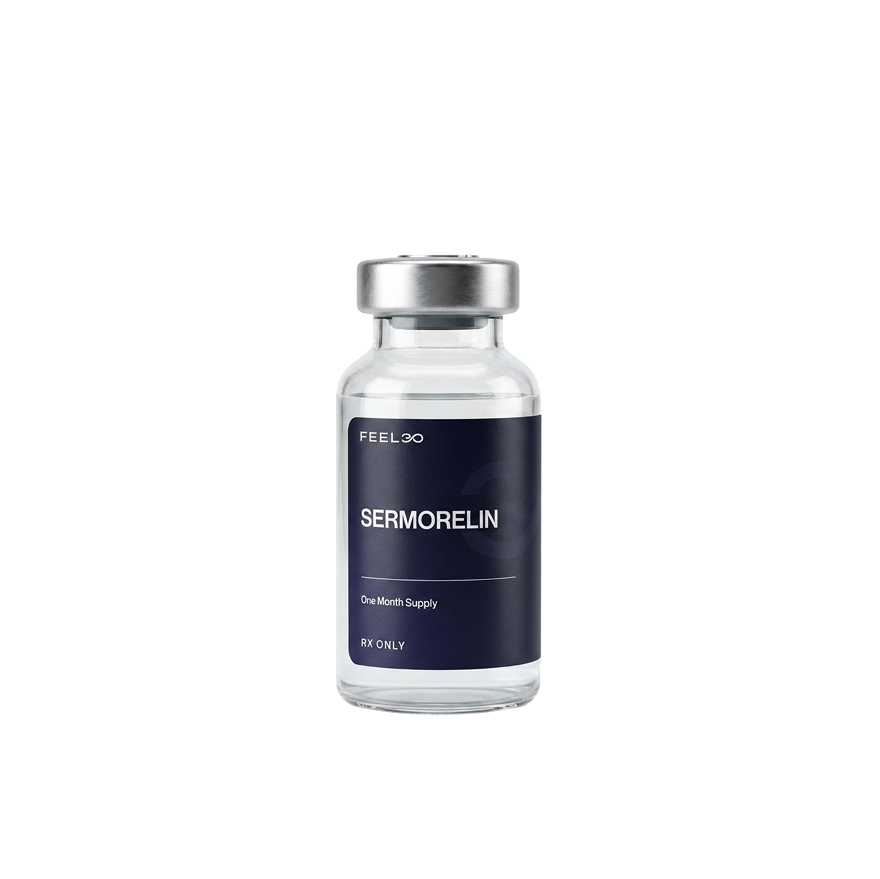
Helps support lean muscle and fat metabolism
Shop NowFirst, there’s no direct drug-alcohol interaction that’s widely established between alcohol and sermorelin. A quick search on Drugs .com reveals no interactions between the two; however, it notes that the lack of a listed interaction doesn’t rule out all possible risks.
If you’re on sermorelin therapy, talk to your provider about alcohol consumption because interactions can still happen with certain compounded medications. More so, if you use alcohol frequently and heavily, it can work against your health goals. This is because heavy use is completely different from drinking occasionally, as it can affect your sleep, training, performance, and recovery.
So what you need to know is this:
Alcohol is not automatically forbidden for every person taking sermorelin, but it may reduce the quality of your results.
Speak with a licensed healthcare provider before combining sermorelin and alcohol, especially if you have:
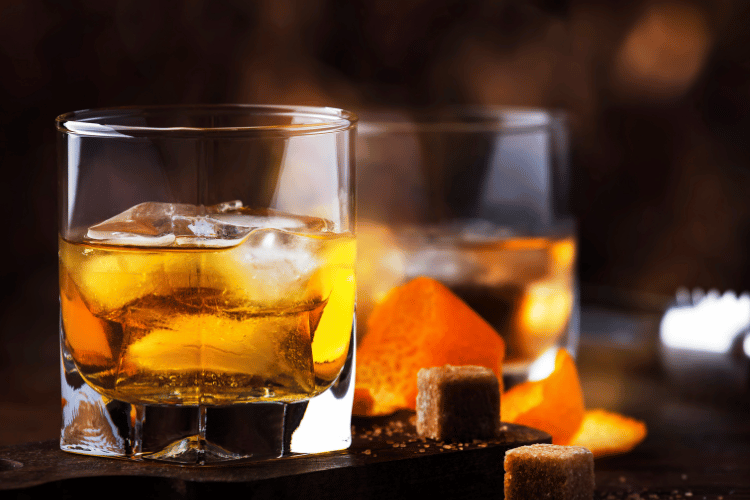
As noted earlier, alcohol can interfere with the same systems that influence growth hormone levels, recovery, fat metabolism, and sleep quality. It does so in the following ways:
Sermorelin signals your pituitary gland to release growth hormone, and alcohol can disrupt that signaling and reduce its production at night. Your body doesn’t release growth hormone at the same rate all day. Instead, it releases it in pulses, with a major portion tied to deeper stages of sleep.
Different studies about sermorelin and alcohol have confirmed that it affects growth hormone release. A study by Prinz et al. found that alcohol reduced the peaks of growth hormone production at night by 70% to 75%. This is a meaningful drop, and if it happens consistently, it implies that you won’t be able to support your body’s natural growth hormone release pattern, as alcohol will temporarily change the hormonal environment that sermorelin relies on.
Reviews by Dees et al. and Rachdaoui & Sarkar on alcohol and endocrine function further discuss how drinking interferes with communication between the brain, glands, and pathways involving the hypothalamus and pituitary gland, where sermorelin works through.
So, if you’re using sermorelin therapy to support recovery and your body composition, alcohol is not just empty calories because it can affect the release rhythm that treatment is trying to support. Be cautious with intake and always seek your provider’s guidance.
We noted earlier that your body releases more growth hormone during deep sleep. This is also when it handles a lot of repair work. In some cases, alcohol will make you feel sleepy at first; however, it may fragment your sleep stages, reduce restorative sleep, and even leave you feeling flat the next day.
If you sleep poorly, this can work against:
If you’re on sermorelin, protecting your sleep is important. Providers often prescribe sermorelin at night to align with your body’s nighttime release of growth hormone. Drinking alcohol close to bedtime will rarely help that cause.
Alcohol can make your body composition goals harder to achieve because of a few reasons:
On top of all these, alcohol intake can also affect your consistency in training and eating healthy. If you’re unable to keep up with your workouts and diet the day after you drink, it becomes harder to achieve your goals.
Your recovery will depend on hydration, your quality of sleep, tissue repair, training readiness, and nervous system balance. Alcohol can worsen hydration and reduce your next day’s performance. It can also make it harder to keep up with training and the nutrition habits that support lean muscle and fat metabolism.
After your pituitary gland releases growth hormone, the liver helps produce downstream signaling molecules and translates some signals into IGF-1 activity. The study “Acute Effects of Growth Hormone in Alcohol-Fed Rats” by Lang et al. found that alcohol disrupted downstream signaling of growth hormone and reduced IGF-1-related activity. Note that IGF-1 is a hormone-like growth factor involved in tissue repair, metabolism, and other growth hormone-related effects.
If you have underlying liver disease, a history of heavy alcohol use, abnormal liver enzymes, or abnormal metabolic lab results, don’t guess your way through treatment. Speak with a licensed healthcare provider and get the right guidance for your sermorelin therapy.

Dosing and timing are individualized. Treatment plans vary based on labs, goals, symptoms, and medical history. A licensed healthcare provider may give you specific instructions about alcohol, food, sleep, and timing based on your situation.
If you’re unsure whether to drink alcoholic beverages while taking sermorelin, ask your provider these questions:
Sermorelin therapy works best when the rest of your lifestyle supports the same goals. Alcohol is one of those variables.
Light social drinking may be less disruptive than excessive alcohol. The problem is usually frequency, timing, and quantity. If you drink alcohol while taking sermorelin, pay attention to patterns:
Avoid “saving drinks” for binge-style weekends. That pattern can hit sleep, recovery, appetite, and general health harder than you’d expect.
Sleep is central to hormone balance, growth hormone release, and recovery. Support restorative sleep in the following ways:
Use sermorelin acetate injections exactly as prescribed by your provider. Don’t change your dose, timing, frequency, or routine without medical guidance. Don’t use unverified sources, and don’t self-direct sermorelin peptide therapy based on online advice.
Many treatment plans include specific instructions around timing, food, and monitoring, but those instructions vary. Your provider should explain what applies to you.
Learn more about dosage in our guide: How Much Sermorelin Per Day? A Clear Guide to Sermorelin Dosage
Many people generally tolerate sermorelin well, but side effects can happen. Possible issues may include:
Contact a licensed healthcare professional to review rare and more concerning symptoms promptly. These may include difficulty swallowing, changes in vision, severe headaches, allergic-type symptoms, or any symptoms that worsen over time.
Monitor sermorelin use and any broader hormone therapy over time. Your provider may evaluate growth hormone-related markers, thyroid function, metabolic health, testosterone levels, and other factors, depending on your case. If you're not seeing any results, alcohol may be one factor, but it's rarely the only one.
Providers may not prohibit light, occasional alcohol use for every person taking sermorelin. However, alcohol may affect your sleep, how your body releases growth hormone, recovery, and body composition. Ask your healthcare provider what’s appropriate for your treatment.
Alcohol may make sermorelin less effective indirectly. It can disrupt deep sleep, affect hormone levels, and interfere with recovery. Since sermorelin works by signaling the body to release growth hormone, poor sleep and frequent alcohol use may work against your desired outcomes.
There's no universal timing rule for this. Some providers may advise you to avoid drinking near the treatment window. Follow your provider’s instructions rather than using general online timing advice.
One drink is unlikely to erase your progress; the bigger issue is the pattern. Frequent alcohol intake, late-night drinking, or excessive alcohol use can affect sleep, training, nutrition, and recovery over time.
Alcohol suppresses secretion of growth hormone during sleep. That matters because natural growth hormone release is closely tied to deep sleep and recovery.
Yes, alcohol can make fat loss harder. It adds calories, may affect appetite, can disrupt sleep, and often reduces training consistency. Those effects can work against fat-burning and lean muscle goals.
Follow your prescribed treatment plan and contact your provider if you're unsure. If you drank heavily or feel unwell, don’t make your own dosing decisions based on internet advice.
Contact your provider if you experience worsening side effects, severe headache, changes in vision, difficulty swallowing, allergic-type symptoms, unusual swelling, blood sugar concerns, or any new symptoms that feel concerning.
It’s generally not safe to drink alcohol while taking sermorelin. Light use might not create a known dangerous interaction, but it can still interfere with how your body releases growth hormone, with fat metabolism, quality of sleep, energy levels, and your overall well-being.
If you’re serious about sermorelin therapy, keep alcohol consumption occasional, protect your sleep, and track how your body responds. Most importantly, follow guidance from a licensed healthcare provider.
Dees, W. L., Hiney, J. K., & Srivastava, V. K. (2017). Alcohol and puberty: Mechanisms of delayed development. Alcohol Research: Current Reviews, 38(2), 231–237.
Ho, K. K., O’Sullivan, A. J., & Burt, M. G. (2023). The physiology of growth hormone (GH) in adults: translational journey to GH replacement therapy. Journal of Endocrinology, 257(2).
Lang, C. H., Fan, J., L’Amdouni, R., & Cooney, R. N. (2000). Acute effects of growth hormone in alcohol-fed rats. Alcohol and Alcoholism, 35(2), 148–158.
Prinz, P. N., Roehrs, T. A., Vitaliano, P. P., Linnoila, M., & Weitzman, E. D. (1980). Effect of alcohol on sleep and nighttime plasma growth hormone and cortisol concentrations. The Journal of Clinical Endocrinology & Metabolism, 51(4), 759–764.
Rachdaoui, N., & Sarkar, D. K. (2017). Pathophysiology of the effects of alcohol abuse on the endocrine system. Alcohol Research: Current Reviews, 38(2), 255–276.
Take the first step toward renewed energy and confidence with Feel30’s expert care.



4.9 out of 5 · 2,400+ reviews


Always Tired, Gaining Weight? Low T Was the Real Reason
Is Low T Hurting Your Relationship?
This gaming laptop is a powerhouse, equipped with the latest graphics card and a high-refresh-rate display.
Jane Smith
Feel30 has completely changed the game for me. I feel more energized, focused, and confident like I did years ago.
Emily Johnson
This smartphone offers an exceptional camera experience, with stunning low-light performance and vibrant colors.
John Doe
What are you waiting for?
Take the first step toward renewed energy and confidence with Feel30’s expert care.


Feel 30 again with physician-supervised treatment that restores the energy, confidence, and performance you remember. No hassle or hidden fees.