Stay informed with expert insights on testosterone therapy, men's health, and performance optimization.

If you've looked into hormone optimization, you've probably come across two names: Sermorelin and HGH. HGH and Sermorelin are used to address declining growth hormone levels. Both can deliver real, noticeable results, but they're not the same.
Below, we're going to look at:
This breakdown and comparison will allow you to make an informed decision for your needs.
Sermorelin is a synthetic peptide that mimics growth hormone-releasing hormone (GHRH), a hormone your body produces naturally to signal the pituitary gland to release growth hormone.
In simple terms, it's a prompt. It tells your body to do something it already knows how to do, but has been doing less of as you've gotten older.
Unlike direct HGH administration, Sermorelin works within your body's natural regulatory mechanisms. Your pituitary gland receives the signal, responds, and releases growth hormone within your body's natural rhythms and feedback loops.
This is why Sermorelin peptide therapy has gained traction as a more measured approach for appropriate candidates experiencing symptoms associated with hormonal changes. It doesn't flood your system with external hormones. It encourages your body's natural growth hormone production to resume.
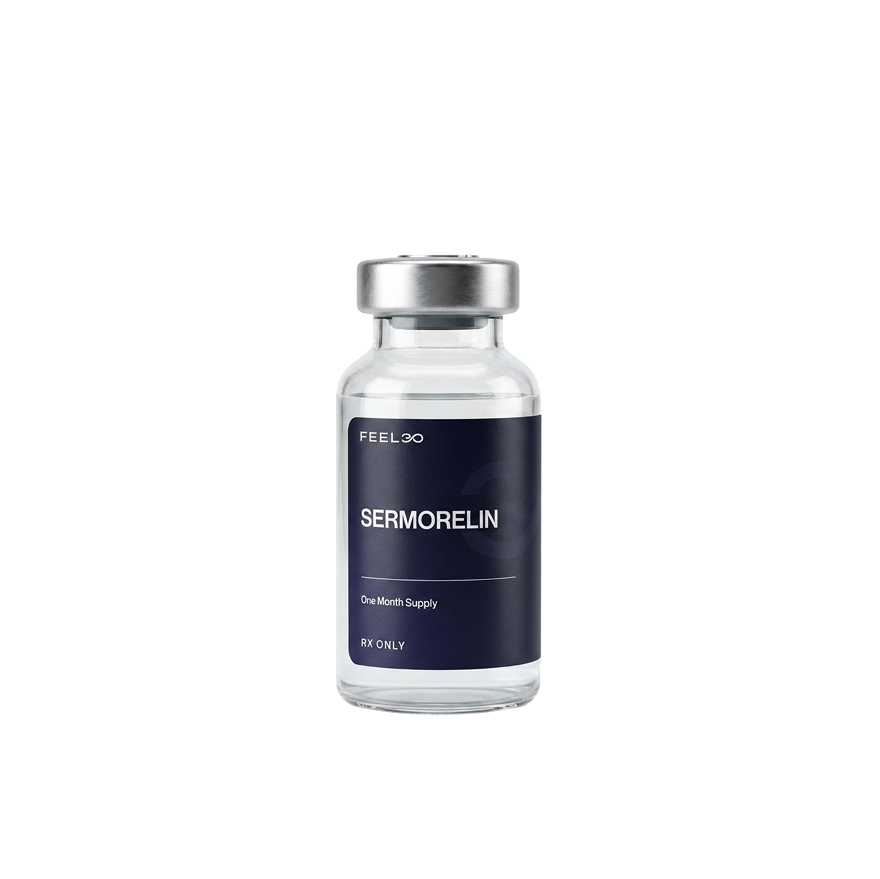
Helps support lean muscle and fat metabolism
Shop NowThe pituitary gland produces human growth hormone, a protein found naturally in the body. It plays a role in metabolism, muscle growth, bone density, tissue growth, and overall body composition. During your 20s, levels are at their peak. By your 40s, natural HGH production typically declines significantly, a process sometimes referred to as somatopause.
Research published in Mayo Clinic Proceedings (2021) shows that growth hormone levels decline by approximately 15% per decade after age 30, contributing to increased body fat, reduced muscle mass, lower energy levels, and poorer sleep quality.
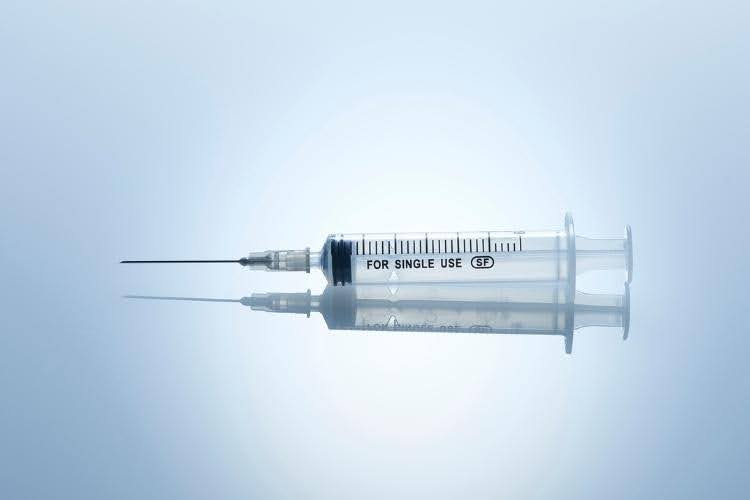
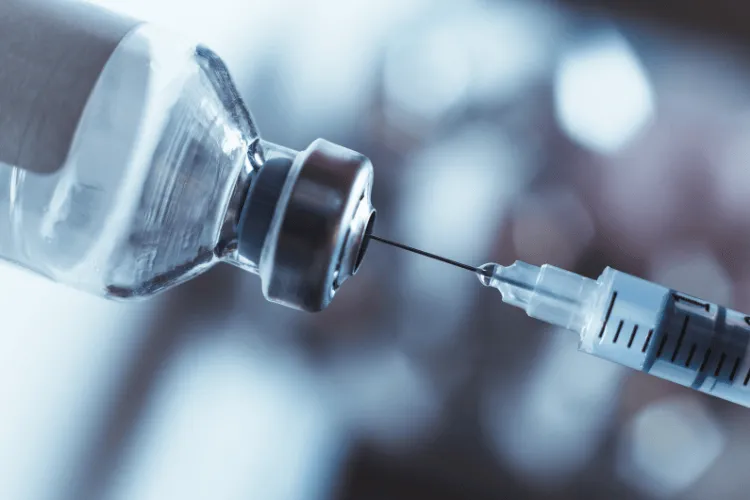
HGH therapy involves directly administering synthetic human growth hormone via injection. Rather than stimulating your body to produce more growth hormone, it introduces growth hormone directly into your system.
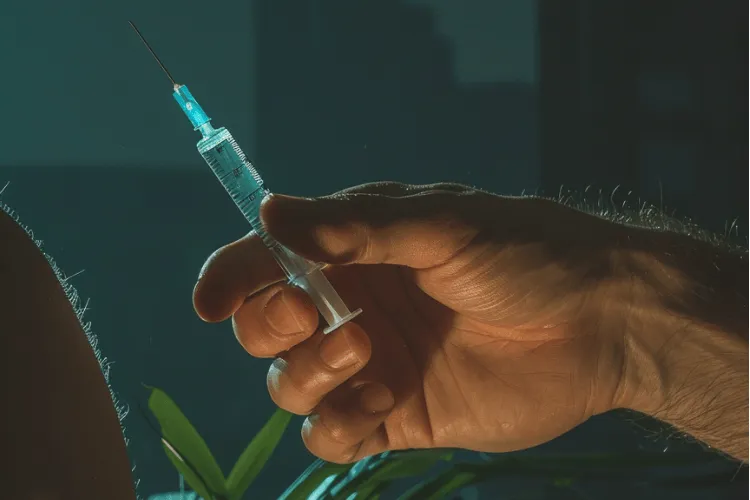
Patients deliver synthetic HGH via subcutaneous injection, typically daily. It's a direct intervention than Sermorelin, and for that reason, treatment is monitored to manage risks and optimize treatment. Feel30's Sermorelin protocol is also a medically guided treatment tailored to each patient's personalized experience.

Both Sermorelin and HGH are used to influence growth hormone activity. However, how they get there is quite different. This table shows the main differences between Sermorelin and HGH.
When used correctly and under proper medical supervision, Sermorelin therapy offers several potential benefits, including:
Because Sermorelin stimulates your own pituitary gland rather than replacing its output, your body continues to regulate hormone production naturally. Research published in Clinical Interventions in Aging (2006) found that this maintains normal feedback regulation mechanisms that prevent hormone levels from going unchecked.
Research published by Sinha and colleagues (2020) found that nightly subcutaneous Sermorelin in older adults increased lean body mass and insulin sensitivity in men, along with improvements in skin thickness and general well-being.
Research published by Van Cauter et al. (2000) found that growth hormone is predominantly released during deep sleep. Researchers have explored whether therapies that influence growth hormone signaling may affect sleep. A peer-reviewed study published in 2023 in Frontiers in Endocrinology found a relationship between growth hormone and sleep in children, showing that sleep parameters and GH physiology are closely linked. Improvements in children doesn’t directly establish the same benefits in adults, but the results are encouraging.
Research conducted by Sattler (2013) on GHRH analogs reported improvements in visceral fat, triglycerides, and intima-media thickness (an ultrasound measurement of the two innermost layers of an artery wall), which are meaningful markers of long-term cardiovascular health. Although study populations may differ (comparing healthy to study populations), these findings contribute to our understanding of how growth hormone signaling can influence metabolism, fat distribution, and overall health.
Since Sermorelin operates within your body's natural regulatory mechanisms, the risk of overcorrection or supraphysiological hormone levels is reduced compared to direct HGH administration. However, it's important that users have clinical support when taking Sermorelin (or any other hormone therapy). Feel30's clinical team will provide ongoing monitoring and help identify and address concerns during treatment.

For men with a confirmed growth hormone deficiency, HGH therapy may offer several benefits.
Research published by Giavoli et al. (2003) found that direct HGH administration produces faster, more pronounced changes in growth hormone levels, which has been shown to improve energy, muscle mass, and body composition for men with severe growth hormone deficiency.
HGH therapy is FDA-approved for adults with diagnosed growth hormone deficiency, and its efficacy is well-documented. A randomized placebo-controlled trial in adults with GH deficiency published in Annals of Internal Medicine (1996) found that GH therapy in men with adult-onset GH deficiency increased bone density, decreased body fat, increased lean mass, and was associated with a low incidence of side effects when dosed appropriately.
A study conducted with adults with GH deficiency by Bex and Bouillon (2003) found significant associations between GH replacement therapy and increased bone mineral density of the spine, femoral neck, and total body in growth hormone-deficient adults — an important consideration for long-term structural health.
For men with clinically low growth hormone, HGH therapy can produce meaningful improvements in lean muscle mass. Research published by Reed et al. (2013) confirms that appropriately dosed GH replacement improves most of the physical alterations observed in growth hormone deficiency, including reduced muscle mass and exercise capacity.
While both therapies are effective and are sometimes used alongside testosterone replacement therapy, neither is without risk. Understanding the safety profile of each is part of making an informed decision. If TRT is part of your plan, see our guide on testosterone side effects for a full breakdown of what to monitor.
Most patients tolerate Sermorelin well when it's prescribed and managed by a healthcare professional. The most commonly reported side effects are mild and localized. Some of the side effects include injection site redness, occasional headaches, and, in some cases, mild flushing. The risk of developing abnormally high hormone levels is low because it works within the body's natural feedback mechanism, though monitoring is still required.
HGH therapy requires careful management because, at higher doses, synthetic HGH can contribute to:
A clinical review published in Frontiers in Aging (2025) noted that adverse effects, including fluid retention, hyperglycemia (high blood sugar), increased blood pressure, and carpal tunnel syndrome, were observed across multiple clinical trials.

Both Sermorelin and human growth hormone (HGH) aim to support growth hormone activity, but they are not interchangeable therapies. In some cases, clinicians may evaluate whether hormone changes are contributing to a patient's symptoms and discuss whether therapies that influence growth hormone signaling are appropriate as part of an individualized treatment plan.
Sermorelin is often considered for men with age-related decline in growth hormone production who still retain some natural pituitary function. It stimulates the body's own growth hormone release; it may be an option for patients seeking an approach that stimulates their own GH release.
HGH therapy, by contrast, is typically reserved for patients with confirmed growth hormone deficiency diagnosed through laboratory testing and clinical evaluation. In many cases, physicians assess insulin-like growth factor 1 (IGF-1) levels, metabolic markers, body composition changes, recovery patterns, and symptom severity before recommending treatment.
Patients commonly administer Sermorelin as a subcutaneous injection before bedtime, aligning with the body's natural nocturnal growth hormone pulse. Dosage protocols may vary based on treatment goals and laboratory findings.
Synthetic growth hormone is also administered via subcutaneous injection, and dosing is typically tightly controlled because the hormone is being replaced rather than naturally stimulated.
Ongoing monitoring is a core part of responsible hormone therapy. Physicians typically track IGF-1 levels, glucose metabolism, lipid markers, and patient-reported symptom changes throughout treatment.
In some cases, clinicians may evaluate whether therapies affecting multiple hormonal pathways are appropriate based on symptoms, laboratory findings, and overall health status. You can check out our TRT before and after blog to read some results, but note that individual experiences may vary.
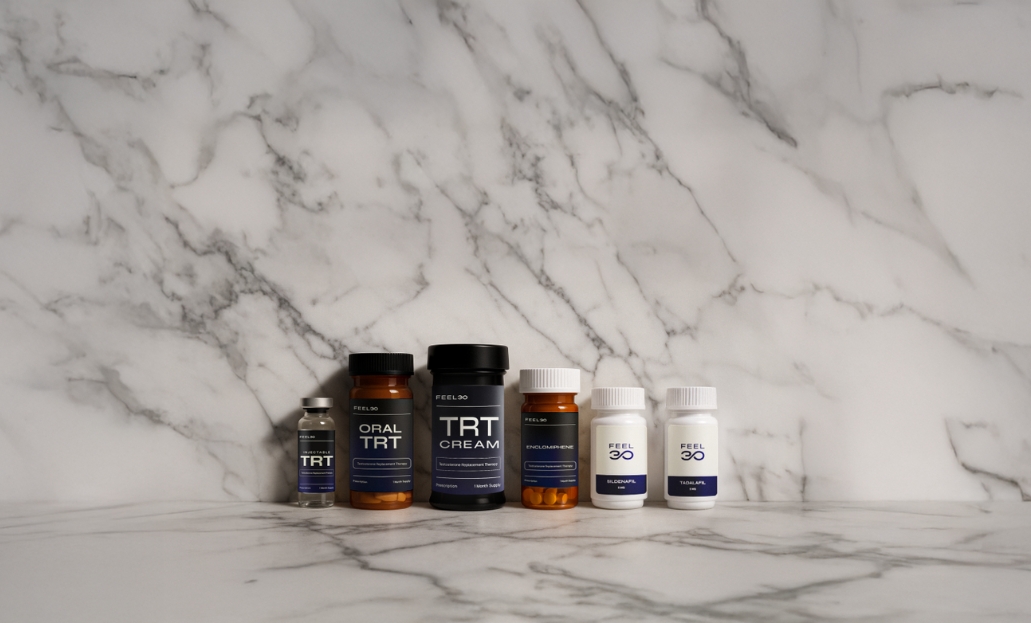
Feel30 has a smart, medical-first approach to treating low testosterone.
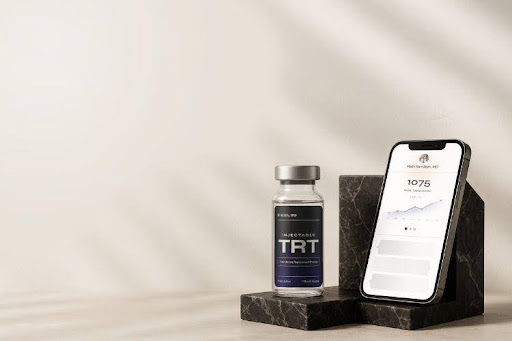
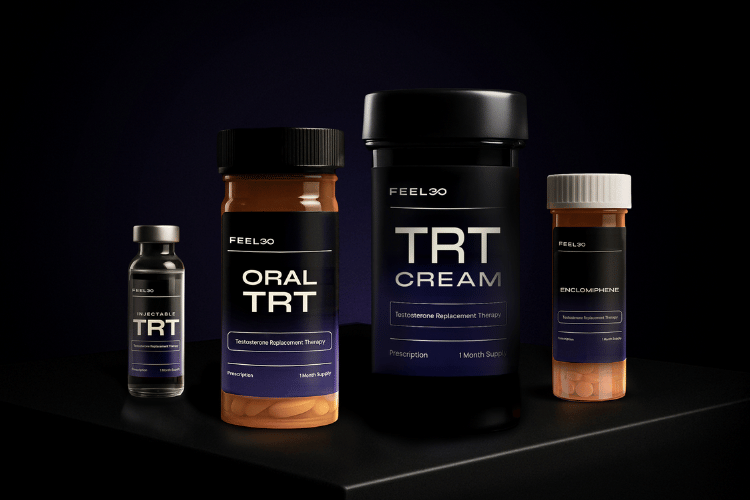
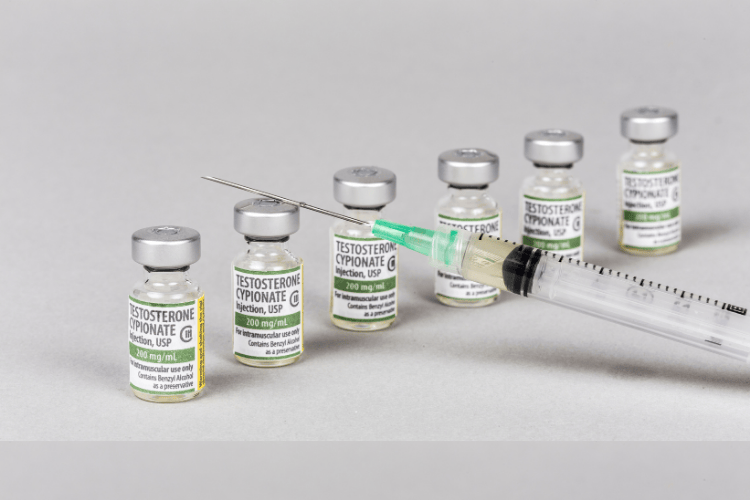
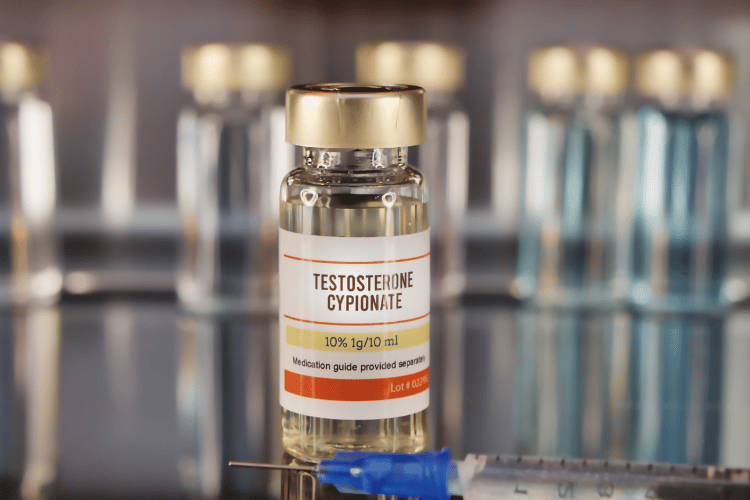
Testosterone Cypionate is an injectable testosterone replacement therapy designed for men with low natural testosterone production. It's used to increase testosterone levels, which may support libido, energy, mood, muscle development, and overall strength. Treatment plans are personalized to each individual, with follow-up blood work performed after 30 days to evaluate hormone levels and progress.
Testosterone cream is a topical therapy applied directly to the skin, allowing testosterone to be absorbed gradually into the bloodstream. Many men prefer this method because it offers a needle-free alternative. Routine monitoring helps keep hormone levels balanced and within a healthy range.
Oral TRT offers a simple and convenient option for men seeking testosterone support. Its controlled delivery system helps promote stable testosterone levels throughout the day. Ongoing medical supervision is recommended to ensure safe and effective treatment.
Enclomiphene works differently from standard testosterone replacement therapy by encouraging the body to produce more of its own testosterone naturally. This approach may help improve total and free testosterone levels while also supporting fertility preservation in appropriate candidates.
Disclaimer: Feel30 only gives TRT to patients who need it based on a blood test.

The answer depends on your medical history, treatment goals, and clinical team. Sermorelin is well-suited for men experiencing age-related hormone decline who are considered appropriate candidates. HGH therapy is more appropriate for men with a clinically diagnosed growth hormone deficiency. The right choice is the one that matches your hormone levels, health history, and goals.
According to Khorram et al. (1997), some men may begin noticing improvements in sleep quality, energy levels, and recovery within two to 12 weeks. More visible changes in body composition and lean muscle development typically become apparent between three and six months of consistent therapy. However, this was a small study, and individual responses may vary.
As with most medications, legality depends on jurisdiction, indication, and source of supply. Both are legal when prescribed by a licensed provider. HGH is FDA-approved specifically for diagnosed growth hormone deficiency in adults. rhGH is a controlled prescription product in many countries, and it's illegal to possess it without a prescription. Peptides sourced from unregulated vendors may be illegal or higher risk. Neither should be sourced or used without a valid prescription and proper medical oversight. Ensure you only use licensed providers and appropriately licensed pharmacies.
Sermorelin and HGH are two approaches used to influence growth hormone activity, each with unique benefits, limitations, and clinical considerations. One works by stimulating your body's own production. The other replaces it directly. Both have a place, but the right one depends on where you are, what you need, and what you're working with.
For HGH and Sermorelin, results require the right protocol, proper oversight, and a provider who takes your goals seriously.
At Feel30, you get all of that, without the wait, the guesswork, or the hidden costs. You also get all-inclusive pricing and a team that moves at your pace. Most patients start feeling better in 21 days. Ready to find out which therapy is right for you? Start here
Take the first step toward renewed energy and confidence with Feel30’s expert care.




4.9 out of 5 · 2,400+ reviews


Always Tired, Gaining Weight? Low T Was the Real Reason
Is Low T Hurting Your Relationship?
This gaming laptop is a powerhouse, equipped with the latest graphics card and a high-refresh-rate display.
Jane Smith
Feel30 has completely changed the game for me. I feel more energized, focused, and confident like I did years ago.
Emily Johnson
This smartphone offers an exceptional camera experience, with stunning low-light performance and vibrant colors.
John Doe
What are you waiting for?
Take the first step toward renewed energy and confidence with Feel30’s expert care.


Feel 30 again with physician-supervised treatment that restores the energy, confidence, and performance you remember. No hassle or hidden fees.