Stay informed with expert insights on testosterone therapy, men's health, and performance optimization.

Photo by Minerva Studio, Canva
Your libido, or sex drive, is not only about sex. It's also linked to several other factors, including your overall energy levels, confidence, mental health, and more.
A dip in desire can affect everything, from your relationships to your self-esteem. The great news is that you don't have to simply accept it – there are solutions to get back on track.
If you find your desire starting to fade, along with your sex life, and your vitality, motivation, and sexual performance have fizzled out, it may be time to boost your libido.
The first step is understanding the underlying cause of a low sex drive. Sometimes, implementing a few lifestyle changes and accessing the correct medical support is all that's needed to boost libido. But if you’ve been diagnosed with a hormone deficiency, such as hypogonadism (when testicles do not produce enough testosterone), testosterone replacement therapy can help restore healthy sexual desire and make you feel powerful again.
Libido is the desire for sexual activity. It's natural for it to fluctuate through different stages of your daily life, but if you're concerned that your sexual desire is continuously declining, it could be time to take action.
Contrary to popular belief, low libido and erectile dysfunction (ED) do not automatically go hand in hand; they are two separate conditions, although sometimes they can occur together. You could be physically able to achieve an erection and simultaneously have no interest in sex; similarly, you could experience erectile dysfunction even though you have a healthy sex drive. Learn more about common erectile dysfunction symptoms.
If sexual desire remains low for a significant time (weeks to months), and it's causing relationship problems and affecting your quality of life, it should be addressed.
Low sexual desire (LSD) is much more common than people realize. According to the European Association of Urology (2026), approximately 3-28% of men experience low sexual desire. The probability increases as men age, although that doesn't mean that younger men don't experience it. A total of 6-19% of men between the ages of 18 and 29 report low sexual desire.
Once men reach their 30s-50s, factors such as a demanding career, poor-quality sleep, weight gain, changes in hormones, long-term stress, and underlying health conditions can all contribute to reduced libido (Nicol & Chung, 2023).
When it comes to high-performing, successful men who are focused on their careers and families, low libido tends to creep in gradually. You might just wake up one day and realize you're no longer feeling your best.
Low libido is not usually caused by one single thing; several factors can contribute to a reduction in sexual desire. It's important to understand the root cause of low libido, as this would determine the treatment plan.
These are the most common causes (National Health Service, 2022):
Supports energy, focus, sexual health, and overall wellbeing
Shop NowCertain health conditions can have an adverse effect on sexual desire.
It's well known that testosterone plays an important role in male sexual desire, and persistently low testosterone levels can contribute to a reduced libido.
Testosterone acts directly on androgen receptors in the part of the brain that controls motivation and desire (the hypothalamus). When testosterone drops below baseline, your sexual drive can diminish.
Low testosterone doesn’t just affect desire; it can also manifest as brain fog, fatigue, low mood, poor recovery, weight gain, reduced muscle mass, and an increase in visceral fat (around the organs) accumulation (Nicol & Chung, 2023).
Diabetes doesn't affect sexual health in just one way. Over time, high blood sugar can damage the nerves involved in sexual arousal, reduce healthy blood flow to the genitals, and increase the risk of low testosterone (Holloway, 2022). Together, these changes can contribute to a lower sex drive, erectile dysfunction, and other sexual health concerns.
Sleep apnea is the continuous disruption of restorative sleep. According to Nikjou et al. (2024), sleep disruption and an irregular sleep schedule can disrupt the hypothalamic-pituitary-gonadal (HPG) axis (the hormone signaling system that controls testosterone production). When you sleep well, especially when you’re in a deep state of sleep, your brain signals the pituitary gland, and then the pituitary gland signals the testes to make more testosterone. If your sleep is repeatedly disturbed or irregular, these signals get weaker, and less testosterone can be produced.
When the body has excess adipose tissue (fat), especially visceral fat (around the organs), high concentrations of aromatase (an enzyme that converts testosterone into estradiol) are released.
These heightened estrogen levels send messages to the hypothalamus (which regulates your hormones) and the pituitary gland to produce less hormones. Your body then releases luteinizing hormone (LH), the hormone that stimulates the testes to produce testosterone, leading to lower natural testosterone levels.
Simultaneously, visceral fat releases inflammatory proteins, which can impair the function of the Leydig cells (cells in the testes that produce testosterone). Over time, this leads to a cycle: more visceral fat causes more inflammation; testosterone production is reduced, and sexual desire decreases (Crocetto et al., 2026).
Healthy blood flow is important for good sexual health. People with heart disease and circulation issues often experience both libido and performance problems. Leemans et al. (2025) found that cardiovascular conditions can impair sexual functioning because of impaired endothelial function (ability of the blood vessel lining to relax and improve blood flow), which led to lower reported levels of sexual desire. Because blood flow and the blood vessels’ ability to widen properly are important for physical arousal, when blood flow is reduced, it can mean sexual activity becomes more difficult. This could then lead to performance anxiety, which could further impact desire.
Common cardiovascular medications (certain beta-blockers and thiazide diuretics) can also lower libido.
The brain is considered the most powerful sexual organ in the body. It makes sense, then, that your mental health can powerfully influence your libido. When it comes to arousal, the hormones, testosterone and estrogen, are the fuel, but the brain is the steering wheel. This means that a person's psychological framework must function optimally to sustain desire.
The system known as the Dual Control Model of Sexual Response (Janssen & Bancroft,2023) supports this theory that sexual desire is controlled by a continuous neurological balancing act between sexual excitation, which responds to stimuli, and sexual inhibition, which works as a brake. When your mental health is not optimal, especially if you are permanently in a state of stress, it will likely put the brakes on your sex drive too.
Mental health factors that contribute to low libido:
Chronic stress leads to prolonged activation of the body's stress response and can increase cortisol production. Over time, this may interfere with the hormones involved in sexual function while also affecting mood, sleep, and energy, all of which can contribute to a reduced sex drive (Mbiydzenyuy & Qulu, 2024).
A common side effect of depression is losing interest in all aspects of life that used to feel satisfying and rewarding, including sex.
Anxiety around performance and generalized anxiety are considered psychological disruptors when it comes to libido (Bahnsen et al., 2022).
Low libido can show up in different ways. Some men will feel a drastic shift in how they feel, while others will notice a slow decline in vitality over time. When low libido is associated with low testosterone, some men have trouble building muscle, and they experience an increase in body fat coupled with a decrease in motivation.
For most men, low libido usually presents as a lack/reduction of the following (Nicol & Chung, 2023):

Photo by Minerva Studio, Canva
When it comes to improving your libido, you, of course, want to increase it, but you also want to improve the body's systems that support sexual desire. We're not talking about major life changes – just a few simple steps that will make a notable difference.
These habits can also support hormone health. Learn more about how to raise testosterone through evidence-based lifestyle changes.
Testosterone production mostly happens during deep and rapid eye movement (REM) sleep, so don't skimp; a comprehensive review confirmed that sleep deprivation depresses testosterone concentrations in healthy males (Su et al., 2021). Aim for seven to nine hours of good sleep and adopt healthy sleep habits, such as reducing screen time and maintaining a consistent sleep schedule.
If you want to maintain solid testosterone levels, invest in your strength-training routine, focusing on compound exercises and weights (Tu et al., 2026). Our guide on does exercise increase testosterone explains what the research shows.

Photo by Pixelshot, Canva
It's simple: A moderate amount of weight loss can improve your testosterone levels and enhance libido, while carrying excess weight can cause testosterone levels to decrease.
Crocetto et al. (2026) showed that structured weight loss programs substantially elevate total testosterone levels in overweight men.
The saying "you are what you eat" applies here. Your hormones are affected by what you fuel your body with, so stick to lean proteins; healthy fats like those found in nuts, salmon, and mackerel; wholegrain carbs; and plenty of vegetables.
This type of anti-inflammatory diet reduces inflammation and oxidative stress, allowing for healthy hormone production (Barone et al., 2025).
Certain meds, such as some antidepressants (Shen et al., 2026), opioids, and high blood pressure medications, can have side effects, so it's worth checking with your healthcare provider if any medication you're on is contributing to your low libido.
For example, a clinical study (de Vries et al., 2020) published in The Journal of Clinical Endocrinology & Metabolism showed that opioid use led to hypogonadism (low testosterone) in over 60% of long-term male users.
Treatment varies – some men notice improvements after implementing lifestyle changes, while others find it's not enough to restore their libido. If this resonates, you may benefit from medical intervention, especially if you have hormonal imbalances.
A medical professional will determine this based on the following:
For optimal results, it's best to focus on both psychological and physical factors.
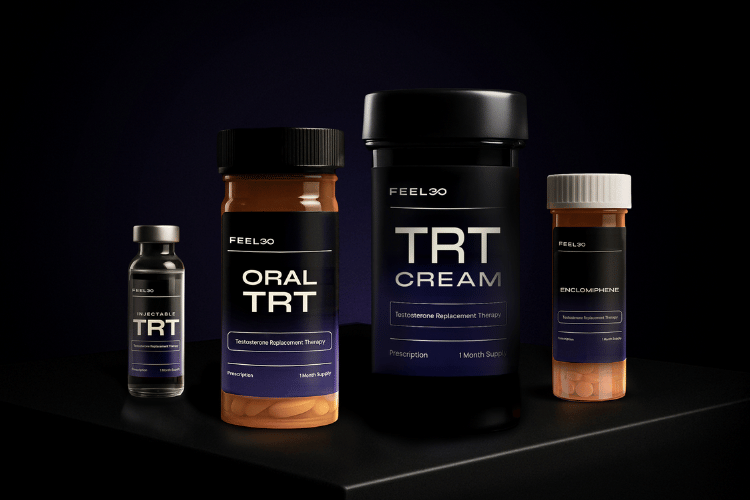
Testosterone replacement therapy (TRT): For men who have clinically low testosterone levels, TRT can improve sexual desire, mood, muscle mass, energy, and wellbeing. Read more about the potential benefits of testosterone for appropriately diagnosed men.
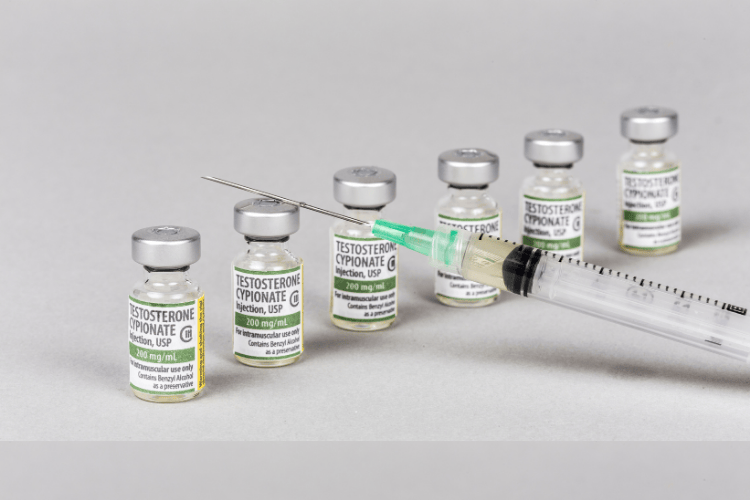
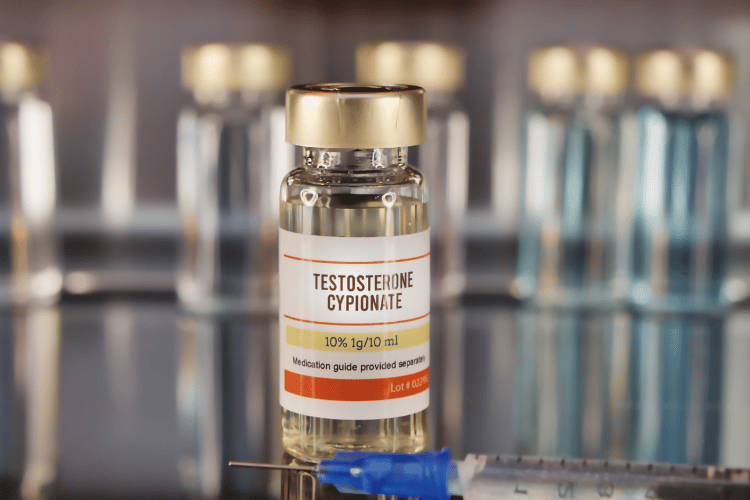
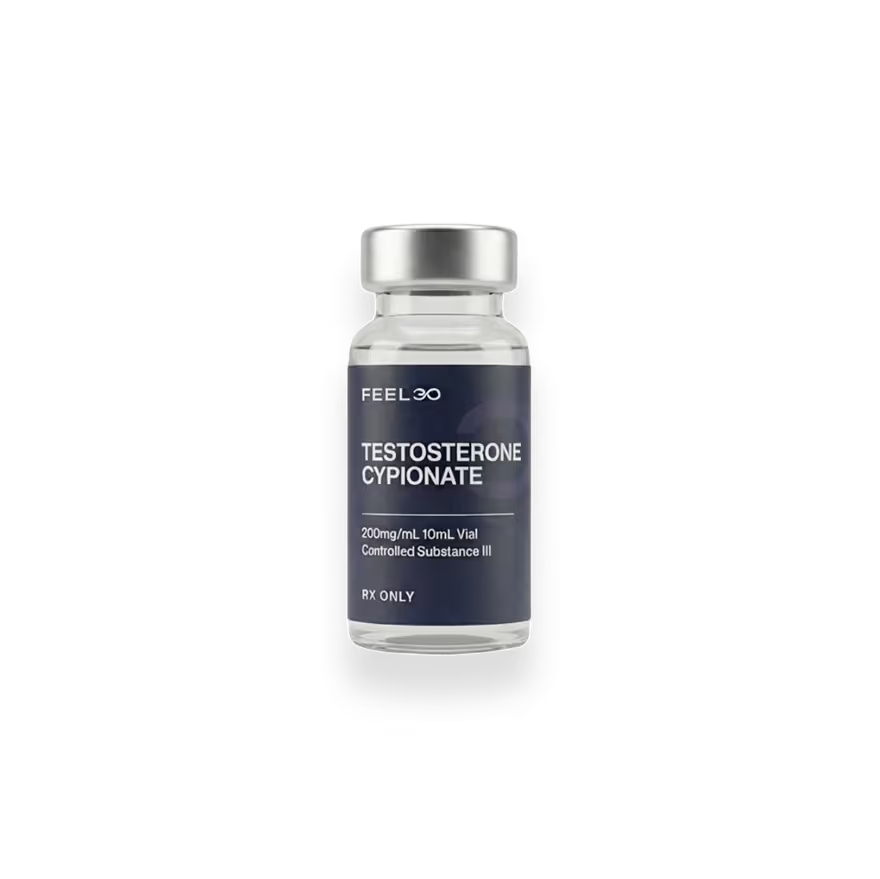
It's important to note that testosterone replacement therapy, like testosterone cypionate, must be prescribed and monitored by a qualified medical professional.
Hormone optimization programs: At Feel30, we provide hormone assessments and personal treatment plans, under the guidance of a healthcare professional, that can be accessed from the comfort of home. They are designed to address factors that may contribute to low libido, including low testosterone and hormonal imbalances. Treatment may include testosterone therapy and ongoing medical support to help restore sexual health and vitality.
Treating underlying conditions: Addressing issues such as sleep apnea, depression, obesity, or diabetes can often improve libido significantly.
Addressing immediate issues, such as sleep deprivation, chronic stress, alcohol overconsumption, and hormonal imbalances, is the quickest way to improve libido.
At What Age Is a Man's Libido Highest?
While libido and testosterone levels peak in the late teens and twenties, age is not a determining factor when it comes to sexual desire. Many men who prioritize their health, fitness, and overall well-being in their 40s and beyond have healthy libidos.
If you feel your libido, energy, and body are just not what they used to be, the first step towards change is identifying whether any underlying causes are affecting you. Once that's out of the way, assess your lifestyle and see where you can improve. Often, making a few small changes to how you eat, sleep, and exercise can make all the difference.
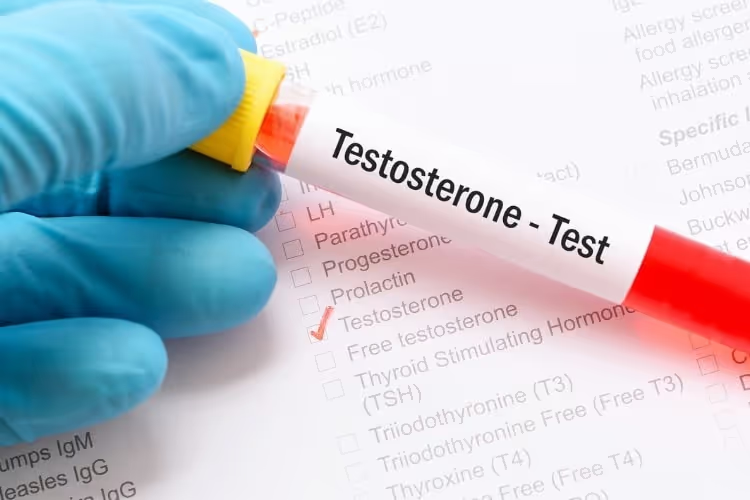
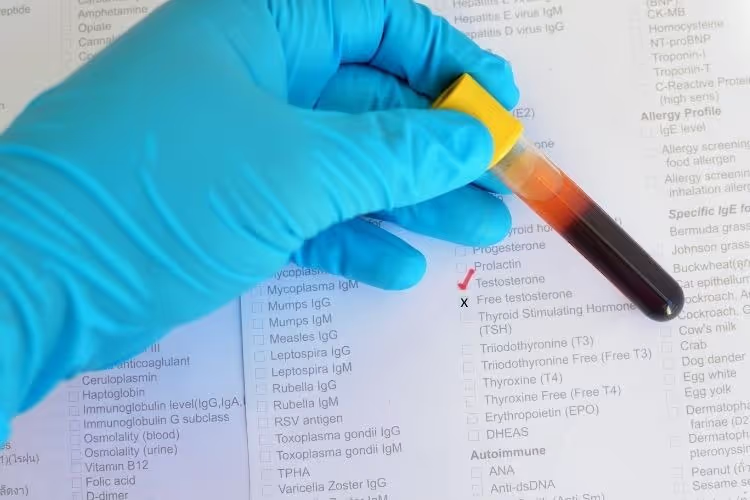
If you find that you need something more, you can try optimizing your hormones the healthy way. With a little help, you can restore your body to its former glory with the guidance and support of qualified medical professionals. If you’re unsure, you can always start with an at-home hormone test.
Take the first step toward renewed energy and confidence with Feel30’s expert care.




4.9 out of 5 · 2,400+ reviews


Always Tired, Gaining Weight? Low T Was the Real Reason
Is Low T Hurting Your Relationship?
This gaming laptop is a powerhouse, equipped with the latest graphics card and a high-refresh-rate display.
Jane Smith
Feel30 has completely changed the game for me. I feel more energized, focused, and confident like I did years ago.
Emily Johnson
This smartphone offers an exceptional camera experience, with stunning low-light performance and vibrant colors.
John Doe
What are you waiting for?
Take the first step toward renewed energy and confidence with Feel30’s expert care.


Feel 30 again with physician-supervised treatment that restores the energy, confidence, and performance you remember. No hassle or hidden fees.