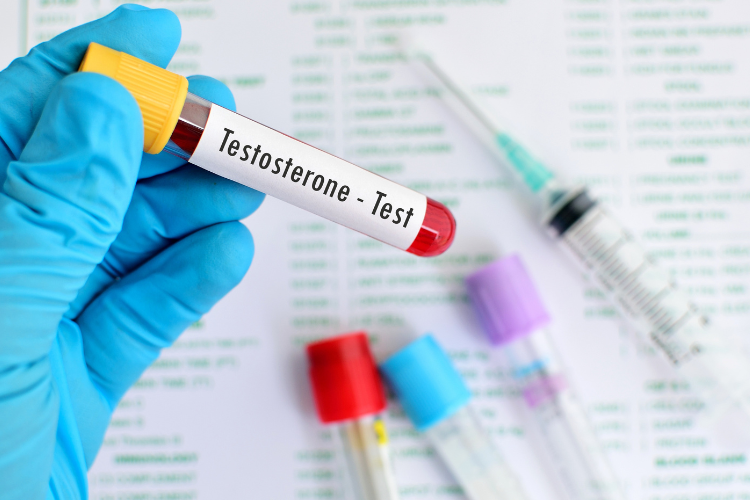
Stay informed with expert insights on testosterone therapy, men's health, and performance optimization.
After the age of 30, most of us notice a decrease in our energy and drive, but not everyone simply accepts it. Joe Rogan is one of those people who refuses to accept this gradual decline. He's nearly 60, but he still looks and moves like a man 20 years younger.
So, what's his secret?
Well, he doesn't have one.
The influential actor, UFC commentator, comedian, and host of one of the most-streamed podcasts in the world, The Joe Rogan Experience, is very open about the fact that he's on testosterone replacement therapy (TRT), and he attributes this, along with living a healthy lifestyle, to his strategy.
For the man looking to optimize his health and vitality, Rogan's method could be the answer.
To understand Rogan's strategy, you first have to understand the science behind TRT. It's a treatment, done under medical supervision, to restore hormone levels to their healthy physiologic levels while improving symptoms. It's used to treat clinical hypogonadism (low testosterone).
Testosterone levels naturally decline after the age of 30, dropping by around 1% every year (Matsumoto et al., 2022). It's not drastic or dramatic; it's more of a quiet decline. At first, men may notice persistent tiredness and an overall lack of energy at the end of the day. They might also notice a loss of muscle mass and strength, more body fat, and a drop in mood and drive. Another obvious symptom of low T is reduced libido and fewer morning erections. You might also struggle to maintain erections.
Hormone replacement therapy uses exogenous testosterone (external) to recalibrate the body, increase testosterone, and bring hormone levels back to their peak.
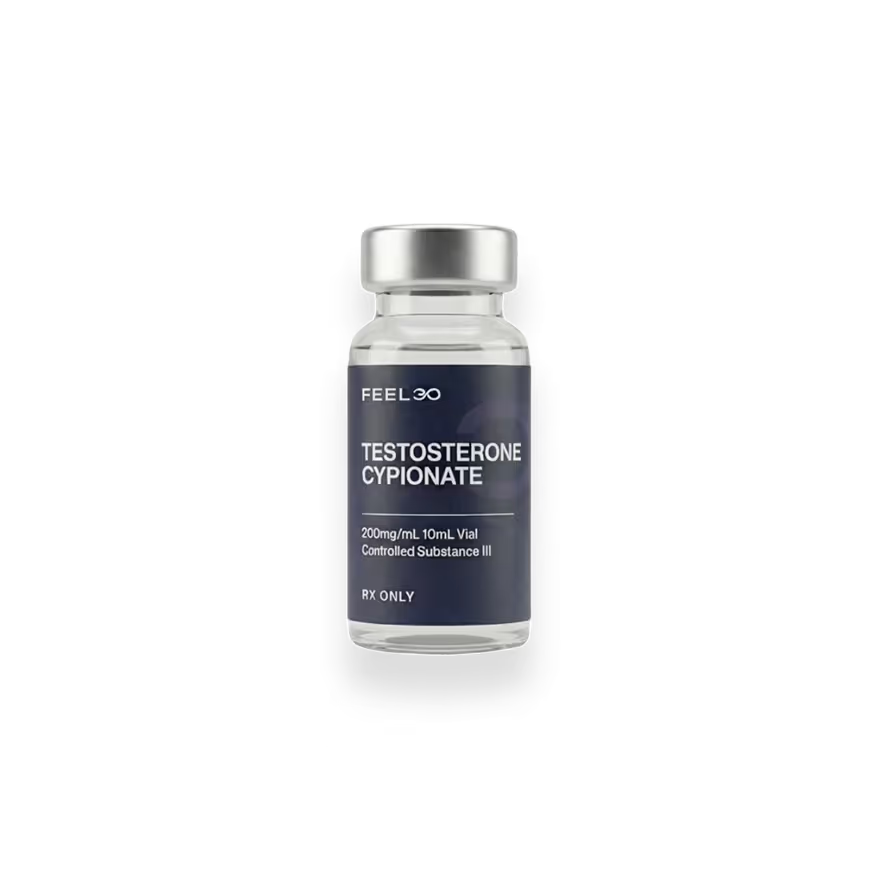
Supports energy, focus, sexual health, and overall wellbeing
Shop NowTRT needs to be handled carefully. When it's administered under the guidance of a professional, TRT may offer the following powerful benefits (Bhasin et al., 2018):
Conversely, when administered poorly, there are real associated risks. When TRT is not properly monitored, and protocols are not properly prescribed, it can result in cardiovascular health issues, erythrocytosis (blood disorder), hair loss (if genetically predisposed), and gynecomastia (male breast development), among other possibilities (Mulhall et al., 2018).
In effect, TRT has the power to both enhance and impair your well-being, so it must be handled with proper medical care.
Joe Rogan's journey with hormone optimization began almost two decades ago, when he was in his late 30s. Even though he was doing intense training, including jiu-jitsu and kickboxing, he noticed classic signs of low testosterone levels: he was taking longer to recover, and his baseline energy had significantly decreased.
On a podcast episode of The Joe Rogan Experience, he said:
As you get older, your body just stops producing hormones. It's really simple—it's preparing you for death. You can either choose to accept that and just let your body slowly deteriorate, or you can replace the hormones.
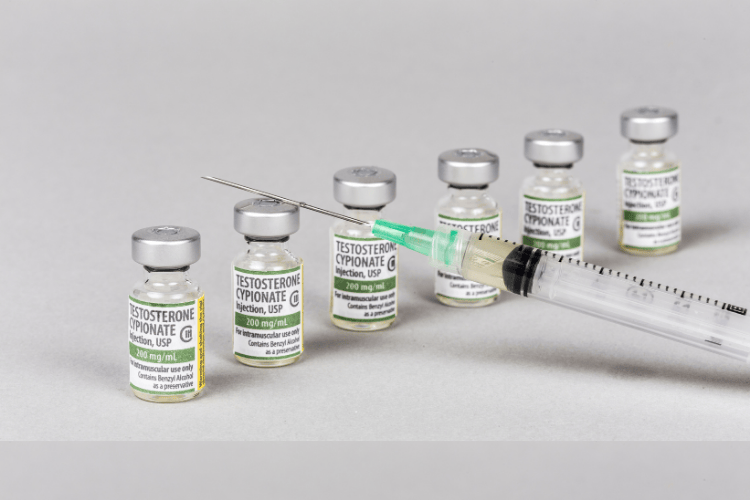
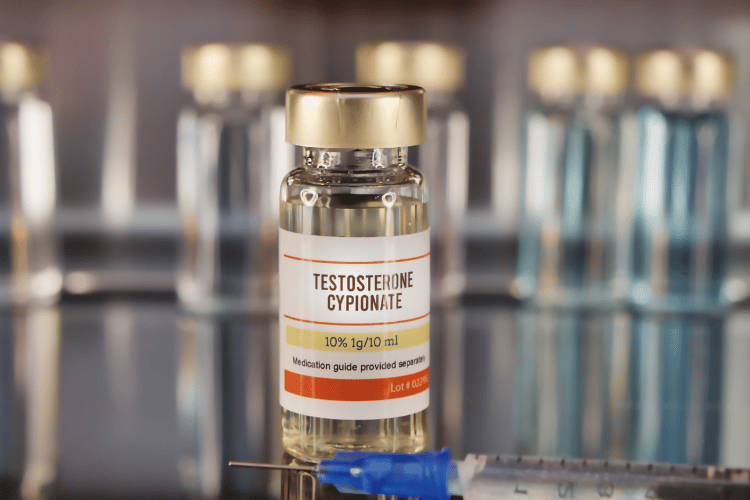
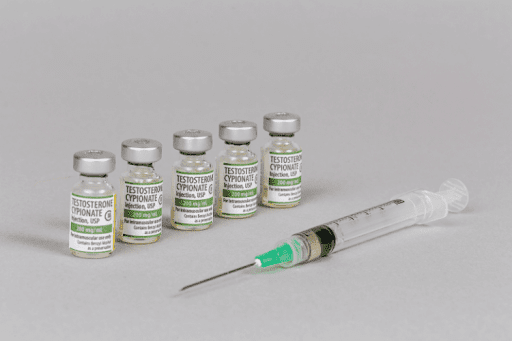
So Rogan decided to begin TRT under medical supervision. He began with topical testosterone creams and moved on to intramuscular injections.
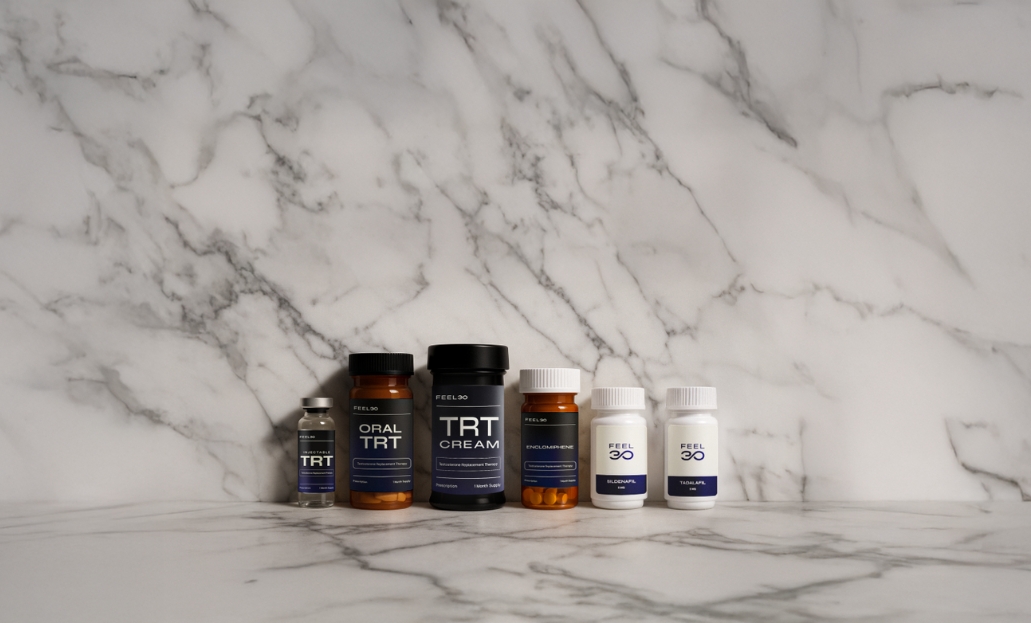
To discover more about the difference between TRT creams and injections, visit TRT Cream vs Injections.
Rogan's strategic approach to maintaining his well-being incorporates a mix of healthy testosterone levels, which act as the fuel of his engine, and cellular support (the fine-tuning of the engine), via peptide therapy.
Peptides are signal molecules that have varying effects, depending on the specific peptide, the receptor it targets, and the tissue. On his podcast, Rogan discusses using these three peptides (however, his exact regime has not been verified):
It’s important to note that the strength of evidence differs substantially between peptides, and many proposed benefits are based on animal studies, early human research, or limited clinical data. Treatment decisions should be based on informed discussions weighing up the potential benefits versus the uncertainties.
You can learn more about peptide therapy in Feel30’s guide Ipamorelin vs Sermorelin.
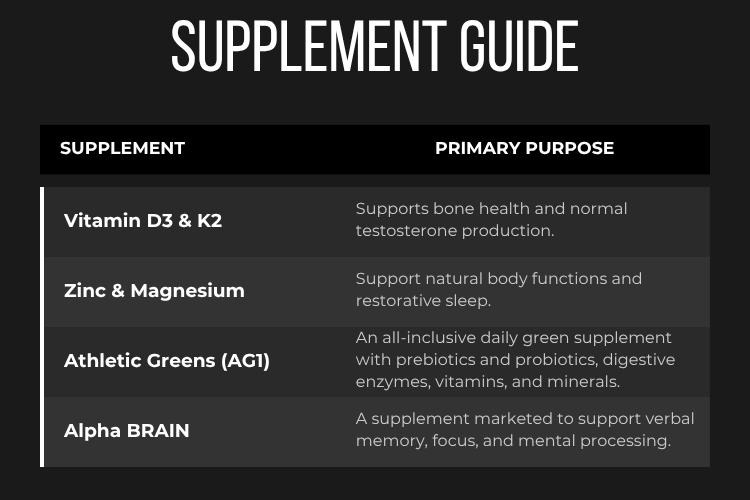
Supplements won't magically fix disrupted hormone levels, but they can help amplify the effects of TRT and improve your overall health (National Institutes of Health, 2025). Rogan talks about using supplements such as Alpha Brain for cognitive support and focus, on The Joe Rogan Experience (Episode 1513 with Dr. Andrew Huberman); although, there is no definitive evidence of what supplements he takes.
Yes, Joe Rogan spoke about taking HGH as part of his TRT regimen on The Joe Rogan Experience (Episode 1190). That's not to say he's using it excessively at high doses, as is often associated with bodybuilders and gym goers. Rogan uses low-dose HGH under medical supervision for its preservation benefits.
Human growth hormone is naturally secreted by the pituitary gland; it's one of the body's repair mechanisms, particularly playing an important role in growth, tissue repair, metabolism, and bone and muscle health. As bodies age, HGH output declines.
It's important to note that the clinical consensus is that using growth hormone only for "anti-aging" without a pituitary disease diagnosis is considered controversial and is heavily restricted in various regions (Renke et al., 2026).
Growth hormone plays an important role in normal physiology, including growth, body composition, bone health, protein synthesis, fat metabolism, and tissue repair. In adults with diagnosed growth hormone deficiency, replacement therapy has been shown to improve body composition, exercise capacity, bone health, and quality of life. However, many of the proposed benefits of HGH in healthy adults—such as anti-aging, enhanced recovery, or improved performance—remain controversial, and current evidence is limited. While growth hormone continues to be an active area of research, its use outside of approved medical indications should be considered carefully with a qualified healthcare provider.
Celebs that have publicly stated they use TRT, besides Joe Rogan, are Robbie Williams (BANG Showbiz, 2012); Sylvester Stallone (Time Magazine, 2008); Dax Shepard (Armchair Expert with Dax Shepard Episode 354, 2021); and Alan Ritchson (Men's Health UK, 2024).
The question of its effect on fertility is often something that puts men off undergoing testosterone replacement therapy, and the short answer is, yes, TRT can lower your sperm count.
TRT introduces external testosterone into your bloodstream, which tells your hypothalamus and pituitary gland that you have an abundance of fuel. As a result, the body shuts down its own production of luteinizing hormone (LH) and follicle-stimulating hormone (FSH), the signals that make your body produce natural testosterone and sperm. Mulhall (2018) says that because this process shuts that off, it can lead to testicular atrophy (shrunken testicles) and temporary infertility.
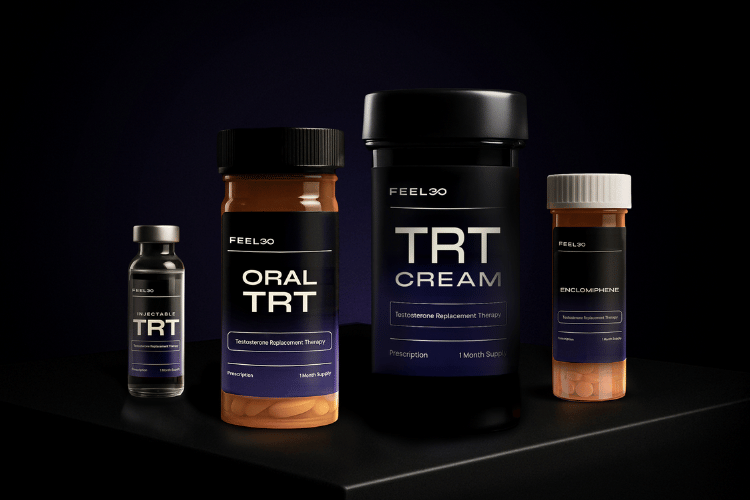
To counteract this, physicians prescribe compounds such as human chorionic gonadotropin (hCG) and selective estrogen receptor modulators (SERMs). Enclomiphene is one such SERM that you can try if you’re concerned about fertility. They mimic the brain's natural signals and protect fertility by stimulating the body’s own hormone production rather than replacing testosterone.
Joe Rogan has not publicly disclosed which brand of TRT he uses. He has said, though, that his treatment is prescribed and monitored by a physician.
Rogan has been saying that he's been on testosterone replacement therapy since he was in his late 30s, which means he's been having TRT for approximately 20 years.
HGH is not better than TRT, and vice versa. They treat different conditions and are not interchangeable, according to the Endocrine Society's Clinical Practice Guidelines (2018). TRT is used to treat clinically confirmed testosterone deficiency (hypogonadism) and help improve low energy, muscle loss, poor mood, and reduced libido.
HGH is used for men who have growth hormone deficiencies and some other medical conditions. Both hormones can affect your body composition and recovery, but HGH is not recommended for treating low testosterone and is not a substitute for TRT.
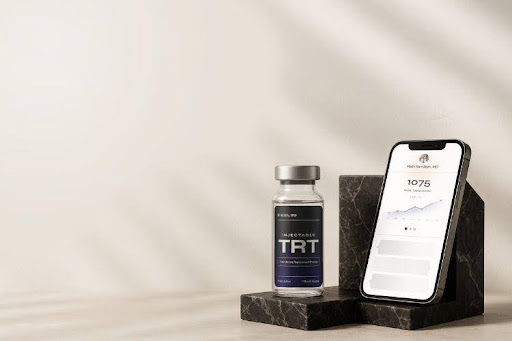
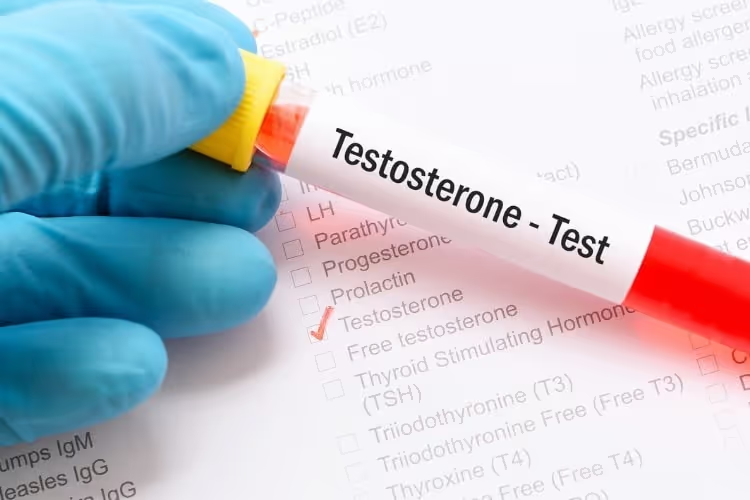
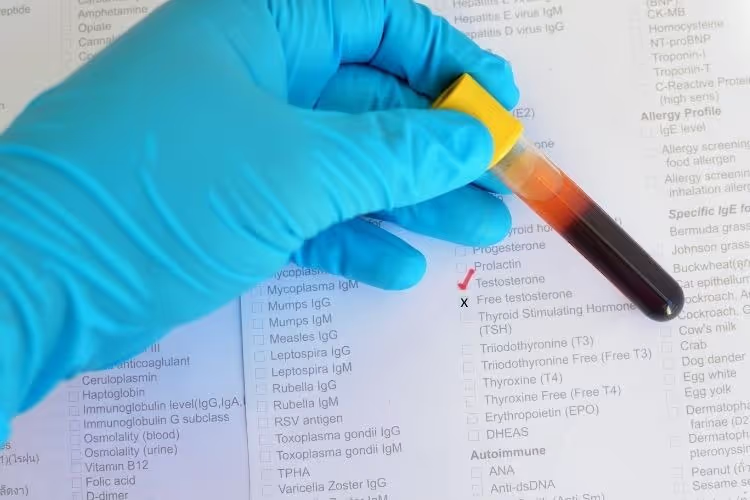
If you're experiencing symptoms of low testosterone, the first step is finding a top-quality healthcare professional from a reputable clinic to monitor your testosterone therapy journey. Professional supervision and monitoring definitely matters when it comes to TRT. At Feel30, we offer that: premium, physician-supervised TRT with clear pricing and no hidden fees. Our nurse comes to you, does an at-home testosterone test, and the whole process takes no more than three to five days.
The next step is doing comprehensive blood work and determining if you have any health conditions that could affect the outcomes of your treatment.
Rogan's regimen of TRT combined with HGH and peptide therapy reflects his personal goals and requirements, but it may not be appropriate for you. Testosterone therapy is unique, and the best approach is to find a protocol specifically tailored to your body composition, lifestyle, and health conditions.
Take the first step toward renewed energy and confidence with Feel30’s expert care.



4.9 out of 5 · 2,400+ reviews


Always Tired, Gaining Weight? Low T Was the Real Reason
Is Low T Hurting Your Relationship?
This gaming laptop is a powerhouse, equipped with the latest graphics card and a high-refresh-rate display.
Jane Smith
Feel30 has completely changed the game for me. I feel more energized, focused, and confident like I did years ago.
Emily Johnson
This smartphone offers an exceptional camera experience, with stunning low-light performance and vibrant colors.
John Doe
What are you waiting for?
Take the first step toward renewed energy and confidence with Feel30’s expert care.


Feel 30 again with physician-supervised treatment that restores the energy, confidence, and performance you remember. No hassle or hidden fees.