Stay informed with expert insights on testosterone therapy, men's health, and performance optimization.

Does fasting increase testosterone, or is it entirely fiction? Fasting, or intermittent fasting, has grown in popularity over recent years because of its weight loss benefits. But what is the link between fasting and testosterone, if any? And can fasting reduce symptoms of low testosterone, such as fatigue, brain fog, and low libido.
The honest answer isn't a simple one: it depends.
This article will break down everything you need to know, from what fasting can do for your hormone levels and what to do if you're experiencing symptoms of low T.
Fasting is where you abstain from eating (and sometimes drinking) for certain periods of time. This can be due to religious reasons (such as Ramadan) or for health benefits (such as weight loss). It's worth noting that fasting is not the same as starving your body. It's a controlled, voluntary metabolic shift that is said to have benefits for your health.
Testosterone is the primary male sex hormone (although both men and women have it). It belongs to a class of hormones called androgens (male hormones) and functions as a steroid hormone. Your body manufactures testosterone directly out of cholesterol.
Testosterone goes beyond reproductive health; it is highly anabolic, which means it helps tissue growth, and androgenic, meaning it causes men to develop masculine physical characteristics. Physiologically, testosterone is important for:
The biggest variable in whether fasting helps or hurts your testosterone is where you're starting from.
Fasting to drive fat loss can actually raise testosterone levels. The reason for this is simple. It's because fat tissue contains an enzyme called "aromatase," which converts testosterone into estrogen. This means the more fat you have, the more testosterone gets converted into estrogen, especially if you carry more weight around your midsection. If you lose weight, testosterone may decrease aromatase activity and improve the testosterone to estrogen balance.
In addition to this, medical research shows that losing weight also improves insulin sensitivity, which helps your Leydig cells (responsible for testosterone production) work better. To make testosterone, Leydig cells rely on a specialized transport protein called StAR (Steroidogenic Acute Regulatory protein) to move cholesterol into the mitochondria. However, metabolic inflammation and insulin resistance suppress StAR activity, which means the Leydig cells become unable to convert cholesterol into testosterone efficiently (Tsutsumi, 2025).
This is where we see different results. A study led by Dr. Tatiana Moro in 2016 took 34 resistance-trained, lean men and put them into two groups. Both groups performed the exact same heavy strength training program and ate the exact same amount of calories. One group ate as normal, while the other group used a 16:8 protocol (eating all daily calories between 1 p.m. and 8 p.m).
After 8 weeks, the group that was fasting experienced a drop in total and free testosterone, as well as IGF-1 (insulin-like growth factor 1, another anabolic hormone). A 2022 review published in the journal Nutrients came to the same conclusion across multiple studies: intermittent fasting reduced testosterone levels in lean, physically active, young males, although the long-term clinical significance remains unclear.
Fasting can have several effects on hormones; it doesn't just influence testosterone production. Whether you end up with positive or negative effects comes down to a range of factors and the hormone in question.
LH is important for testicular function. It's a signal your brain sends to your testes, which tells them to make testosterone. Research shows that fasting for a short time can raise LH temporarily. This is because the brain sends heavier, stronger signals to the testes when you're experiencing a minor acute stressor (lack of food). This is showcased in a classic 1989 study led by Röjdmark, which found a 67% increase in LH response and a 180% testosterone response after brief fasting in healthy men when injected with GnRH (the chemical signal the brain sends to the pituitary gland, telling it to kickstart testosterone production).
However, it's worth noting that these effects are short-lived. This study did not show that fasting alone increased baseline LH and testosterone long-term. It showed that fasting increased the pituitary response to injected GnRH, which is not the same as saying fasting boosts testosterone. There is no strong evidence that short-term fasting leads to sustained increases in baseline LH or testosterone levels.
If you fast for 16 hours or more, this can raise HGH. GH secretion increases during periods of low insulin and energy availability, which include overnight and during prolonged fasting. Human Growth Hormones support fat loss and preserve muscles, but despite some signaling overlap with testosterone, it doesn't actually raise your T in any meaningful way. Many health blogs out there will claim otherwise, but this is simply not true. Although they both manage recovery, bone density, and body composition, there is no strong evidence that increasing GH leads to meaningful increases in testosterone in healthy adult men.
As shown by the 2025 research paper above, chronically high insulin or insulin resistance actually suppresses testosterone.
Fasting lowers fasting insulin and improves how your cells respond to it. Over time, that helps your hormones, but mainly if you actually become more insulin-sensitive, which typically requires losing fat. Insulin naturally rises after eating; what matters most is reducing chronic insulin resistance, not avoiding normal post-meal fluctuations.

Aggressive or extreme fasting raises cortisol, which is your main stress hormone. Cortisol directly suppresses testosterone production, which is the reason why lean men often lose testosterone on fasting protocols: they don't lose weight, and they don't increase testosterone, either.
Extreme fasting can look like:
This type of fasting can lead to lots of negative and even life-threatening effects, such as lean tissue loss, brain fog and fatigue, electrolyte imbalances and kidney stress, gastrointestinal issues, and more.
Note that many people include intermittent fasting as part of their weight management plan. However, this is not the same as extreme fasting.
In a study published in The Journal of Translational Medicine (Moro, 2016), active young men were limited to eating within an 8-hour window for two months. This caused a ~21% decrease in total and free testosterone, even though they managed to maintain their muscle mass and strength.
Furthermore, a 2022 Nutrients Review found that intermittent fasting may modestly reduce androgen markers (like testosterone) in lean, physically active young men. This also rarely had an impact on muscle tissue.
When it comes to overweight men with metabolic dysfunction, excess visceral fat tissue overexpresses the aromatase enzyme, which permanently converts circulating testosterone into estradiol (estrogen). A study published in Med Hypothesis (Cohen) found that when these individuals used fasting protocols to lose weight, the reduction in fat mass directly reduced aromatase activity. This allowed the pituitary gland to recover and safely elevate baseline testosterone levels.
Another systematic review published in Food Science & Nutrition (Kalsekar) analyzed intermittent fasting data across small, controlled cohorts, including one subgroup of 10 male participants. It found that fasting windows effectively altered short-term metabolic pathways by lowering blood glucose and stabilizing insulin, causing no statistically significant changes to androgen markers, including total testosterone.
Supports energy, focus, sexual health, and overall wellbeing
Shop NowThere is a pattern in the data: for lean, resistance-trained men, some fasting protocols have been associated with modest reductions in total testosterone. In contrast, in men with overweight or obesity, fat loss (whether achieved through fasting or other dietary approaches) is often associated with increases in testosterone levels. Both groups can improve insulin sensitivity and body composition, which matters for maintaining hormonal balance in the long run.
However, it's worth noting that the sample sizes in these types of studies are only small, with roughly only 10 to 30 men participating. Furthermore, there is a wide variety of fasting protocols, and most trials run for under a year. Because of this, the long-term picture is unclear. Long-term effects remain unclear, and more high-quality research is needed.
Whether fasting is appropriate depends on your overall health, body composition, and goals. There is no one-size-fits-all approach. Sustainable improvements in testosterone are most strongly associated with long-term metabolic health, adequate nutrition, resistance training, sleep quality, and stress management. Because individual health histories differ, decisions about nutrition strategies and hormone optimization should be made in consultation with a qualified healthcare provider.
We also don't recommend fasting if:
If you are experiencing symptoms of low testosterone, the best thing to do is get treated by a medical professional. Fasting won't fix your problem; it can actually make things worse, by making symptoms worse. Symptoms of low T can include:
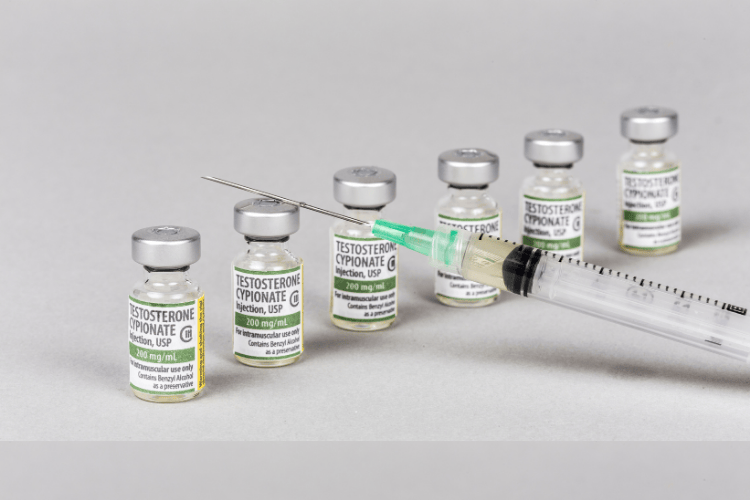
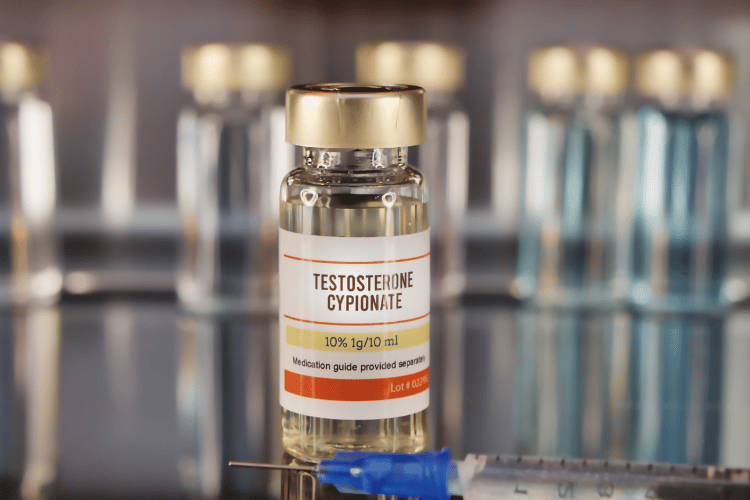
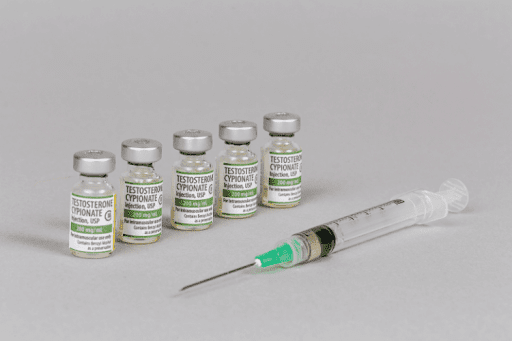
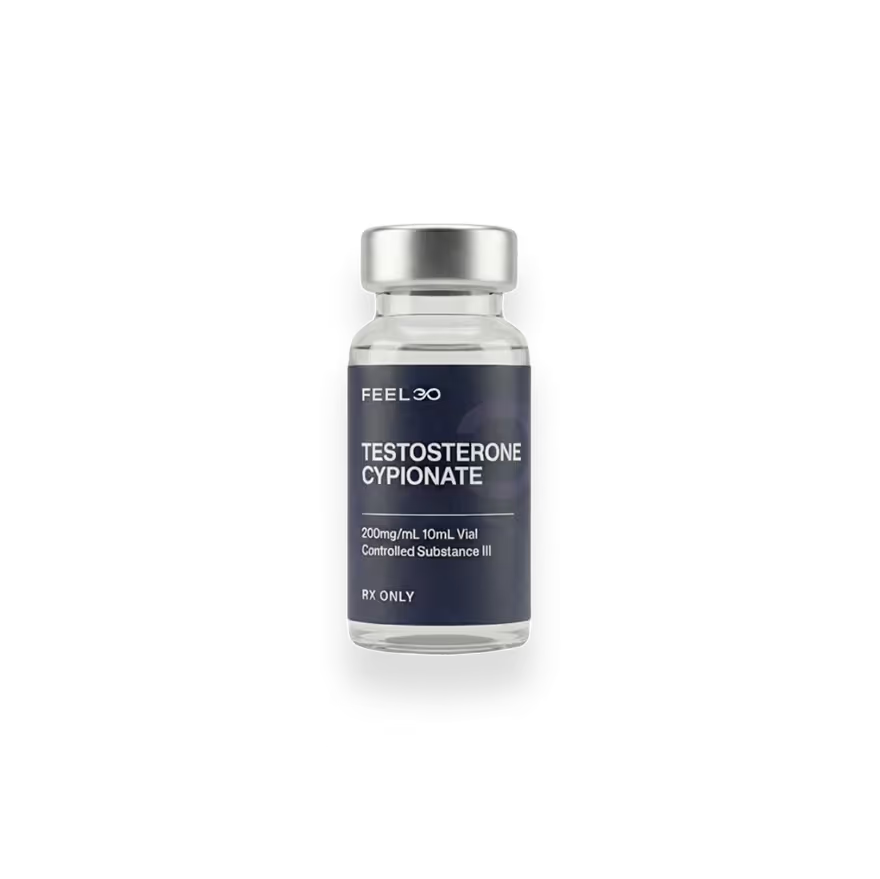
If you think you may be experiencing low testosterone, you may need testosterone replacement therapy, such as testosterone cypionate. Please note that testosterone cypionate is an FDA-approved medication available only with a valid prescription and after evaluation by a licensed healthcare provider. It's approved to treat low testosterone (hypogonadism) due to certain medical conditions and is not approved for enhancing athletic performance or building muscle.
The treatment you need will vary based on the individual, so ensure to speak to a healthcare professional who can recommend the right treatment for you.
Five common signs you may notice if you have low testosterone levels include:
If you have symptoms of low testosterone levels, such as low mood, low libido, or unexplained weight gain, then see your healthcare provider instead of fasting. This is because although fasting can cause changes in your T, the improvements in levels are nominal in comparison to what is needed for someone with clinically low testosterone.
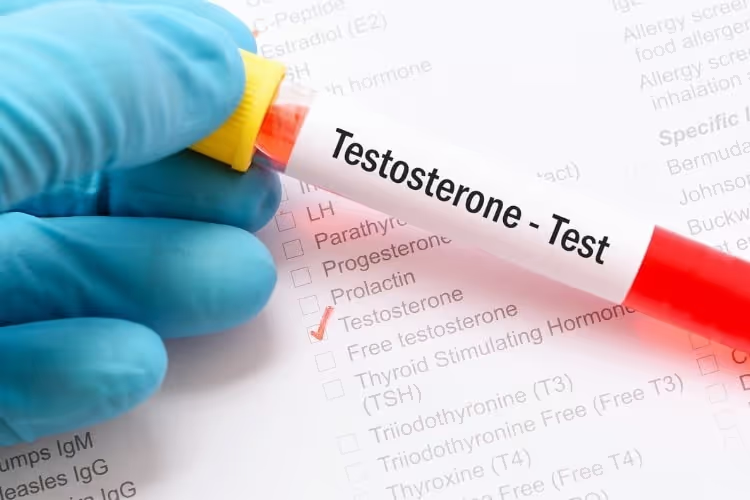
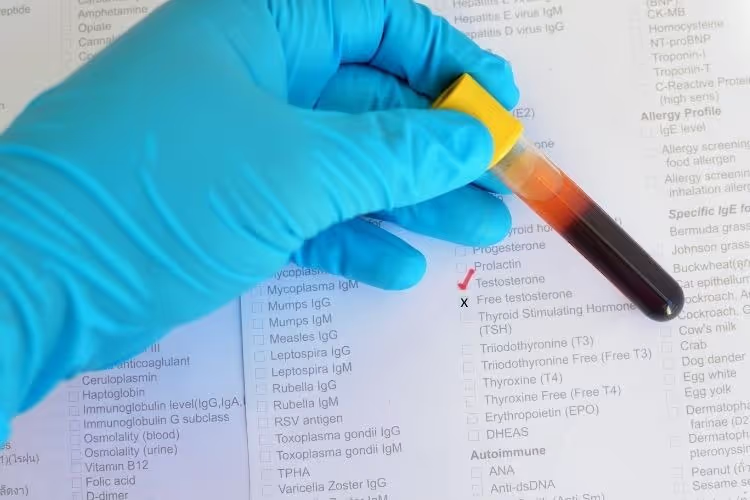
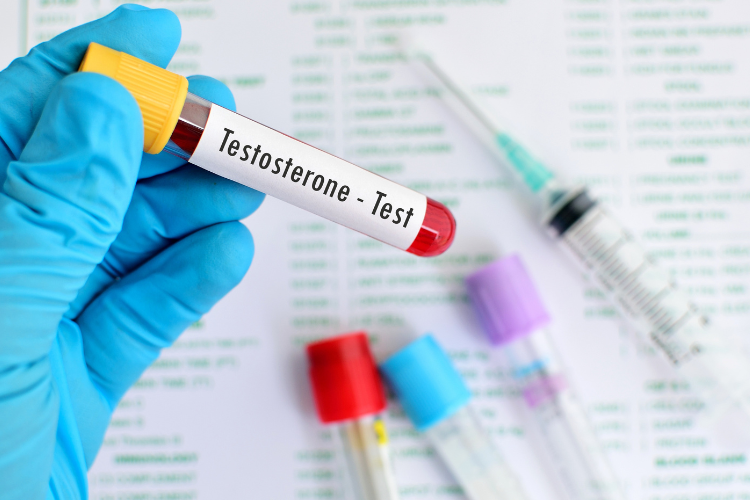
It's also important to see a doctor because these symptoms can have multiple causes. A blood panel will be able to tell you if you're suffering from low testosterone or if there's something else causing your symptoms.
The data suggest that fasting can lower testosterone levels in some men. The research mentioned in this article shows that when lean active men restricted their eating, this reduced their testosterone. The studies showed modest reductions in total and free testosterone, even when maintaining muscle mass and strength. However, these changes were not consistently associated with muscle loss or impaired performance.
Yes, fasting can cause low libido. In some men, significant calorie restriction or prolonged fasting may affect libido. This can occur if energy availability becomes too low, which may influence testosterone levels, cortisol, sleep quality, or overall stress load
If your testosterone levels are already clinically low and causing symptoms, fasting is unlikely to fix it. Getting enough protein and healthy fats, and strength training, can support hormonal health and overall health in general. However, if you have confirmed low T with symptoms, medical evaluation is the priority — not a stricter diet.
Yes, fasting does have metabolic health benefits. It can help restore insulin sensitivity, regulate your blood pressure, and switch from an exogenous energy state (burning the food you just ate) to an endogenous energy state (burning stored fat and recycling old cellular components). However, fasting is not a cure-all, and shouldn't be treated as such. Any effects it has are temporary, and this includes effects on your hormone balance.
Fasting may increase testosterone, but it may decrease it too, depending on your body type. In overweight and obese men, it may improve insulin resistance, which will then improve T. But this isn't the case if you're already fit and lean.
Fasting is never the answer when you're suffering from clinically low testosterone. This is a problem with hormone production that needs medical attention. The best thing you can do is to get a full picture of your testosterone levels through blood work.
Disclaimer: This article is for general educational and informational purposes only and does not constitute medical advice. It is not intended to diagnose, treat, cure, or prevent any disease or health condition, and it is not a substitute for professional medical advice, diagnosis, or treatment. Always seek the guidance of a qualified healthcare provider with any questions about your health, hormone levels, or before making changes to your diet, fasting routine, exercise, or treatment plan.
Take the first step toward renewed energy and confidence with Feel30’s expert care.




4.9 out of 5 · 2,400+ reviews


Always Tired, Gaining Weight? Low T Was the Real Reason
Is Low T Hurting Your Relationship?
This gaming laptop is a powerhouse, equipped with the latest graphics card and a high-refresh-rate display.
Jane Smith
Feel30 has completely changed the game for me. I feel more energized, focused, and confident like I did years ago.
Emily Johnson
This smartphone offers an exceptional camera experience, with stunning low-light performance and vibrant colors.
John Doe
What are you waiting for?
Take the first step toward renewed energy and confidence with Feel30’s expert care.


Feel 30 again with physician-supervised treatment that restores the energy, confidence, and performance you remember. No hassle or hidden fees.