Stay informed with expert insights on testosterone therapy, men's health, and performance optimization.

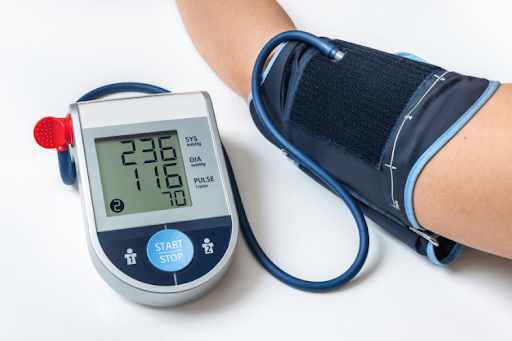
[Photo by Avanti Photo from Canva].
Stereotypes about anger and testosterone persist, but the connection between anger and male hormones is much more complex than you may think. It involves both physical and psychological components.
Testosterone plays an important role in many aspects of men's health, and if you're considering testosterone therapy but are worried it will make you aggressive, read on. We'll dismantle the myths and unpack the science of testosterone treatment and its link to aggression.
To understand testosterone's effect on your mood, we need to look in-depth into what testosterone is and the role it plays in the body. According to a comprehensive, up-to-date review of male physiology by Yassin et al. (2025), testosterone is not simply a rage hormone; it's an important hormone that supports men's health, including energy and muscle mass as well as mood and sexual function.
Testosterone is the main male sex hormone (androgen), which is made in small amounts by the adrenal glands but is mostly produced in the testes. During puberty, testosterone is well known for deepening your voice and helping increase height and muscle mass, but it actually has many important roles throughout adult life (Cleveland Clinic, 2022).
Testosterone plays an important role in:
Testosterone works best when it's within a healthy range. If you have too little testosterone in your system, it can adversely affect your energy, body composition, and mood; conversely, if you have too much (especially from anabolic steroid use), it can disrupt your normal hormone balance (Cleveland Clinic, 2022).
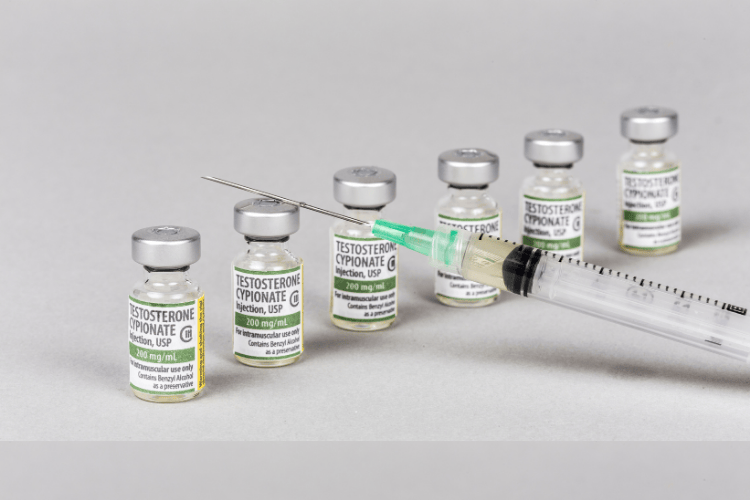
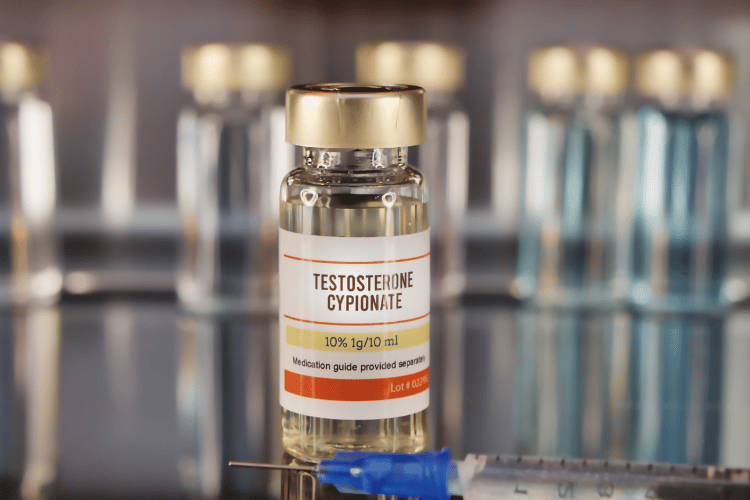
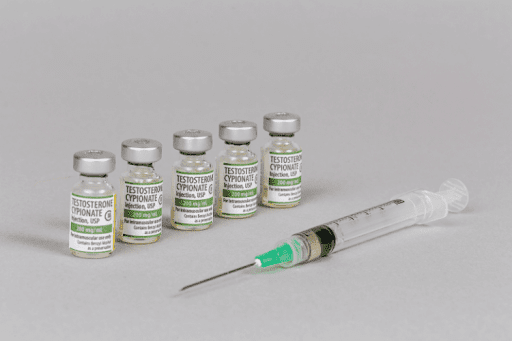
For men diagnosed with clinically low testosterone (hypogonadism), healthcare providers may prescribe testosterone replacement therapy (TRT). These medications, such as testosterone cypionate, are designed to replace the testosterone the body is no longer producing in adequate amounts.
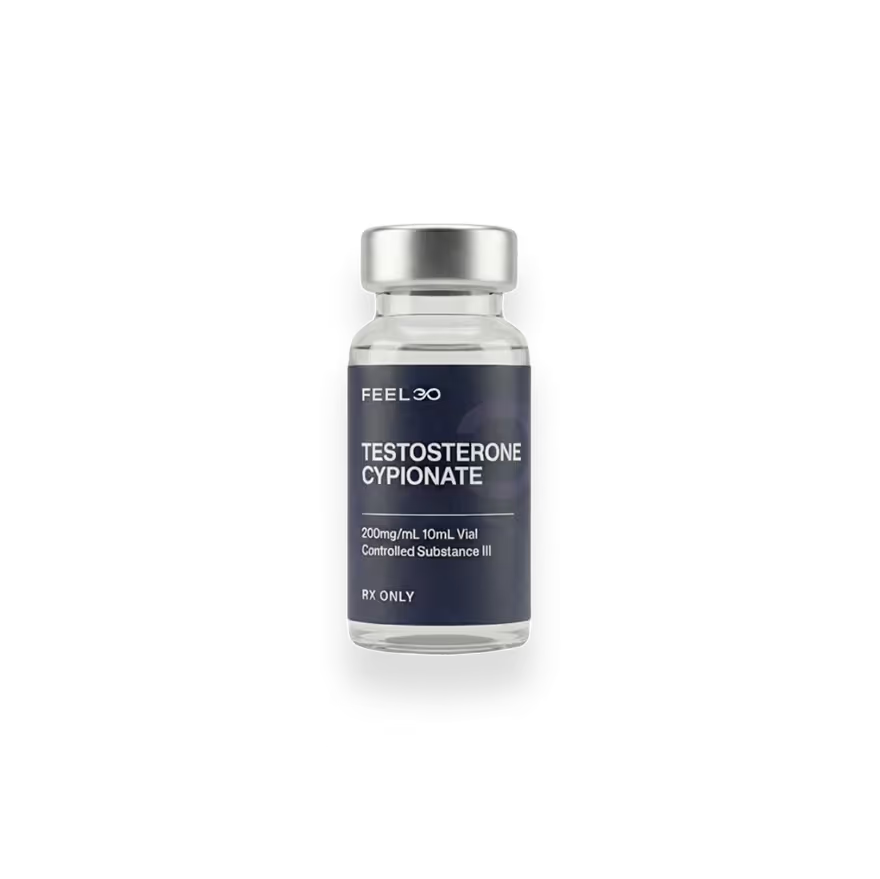
Supports energy, focus, sexual health, and overall wellbeing
Shop NowIn short, no, it doesn't directly cause anger, but the relationship between behavior and testosterone is complex. Even though testosterone is often portrayed as an "aggression hormone" that makes men violent and angry, research in the fields of neuroscience and endocrinology does not support this view (Eisenegger et al., 2010).
Testosterone influences how the brain responds to social situations, particularly those involving competition, dominance, and perceived threats. While it can affect these behavioral responses, it does not determine whether someone becomes aggressive (Batrinos, 2012).
Men who have healthy testosterone levels are not fundamentally more aggressive. In fact, steady hormone levels are associated with greater confidence and emotional stability (O’Connor et al., 2004). More often than not, aggressive behavior is influenced by underlying mental health conditions, abuse of anabolic (muscle-building) steroids, substance abuse, and hormonal disturbances, not just testosterone.
A study by Peterson & Harmon-Jones (2012) showed that intense anger or a competitive confrontation can lead to a temporary increase in testosterone. The authors propose that this response may be part of the body's reaction to social challenges involving control, status, or dominance, although more research is needed to understand the underlying mechanisms.
A meta-analysis published in Hormones and Behavior (Geniole et al., 2020) reviewed dozens of studies on the relationship between testosterone and aggression. It included three types of evidence: men with naturally different testosterone levels; studies measuring short-term fluctuations; and studies in which testosterone was experimentally given.
In this meta-analysis, the association with testosterone alone is weak and inconsistent as a predictor of aggressive behavior. The relationship also depends heavily on other factors, like personality, social context, and whether someone feels challenged, threatened, or provoked. Findings support that testosterone is not an "anger hormone" and that human behavior is shaped by many biological, psychological, and social influences.
Additional research suggests that testosterone's behavioral effects may be tied more closely to social status and competition than to aggression itself (Dreher et al., 2016). In a placebo-controlled study, healthy men who received testosterone were more likely to punish unfair behavior, but they were also more likely to reward generosity.
These findings suggest that testosterone does not simply promote aggression. Instead, it may influence behaviors that help people gain, maintain, or defend social status, whether those behaviors involve competition, assertiveness, cooperation, or, in some situations, aggression.
Most discussions about testosterone center on the risk of having too much. However, several population studies suggest that declining testosterone levels in men have become a much more common issue. For instance, epidemiological (population) studies show that 35-year-old men today have lower testosterone than 35-year-old men had 30 years ago (Travison et al., 2007).
Researchers believe that factors such as obesity, chronic stress, poor sleep, physical inactivity, and certain medical conditions may contribute to lower testosterone levels over time.
Many men assume that mood changes are a byproduct of high testosterone levels; however, it's not actually a clear-cut sign of high testosterone. Sometimes, these symptoms are associated with low testosterone, especially when they are accompanied by fatigue, a drop in motivation, low libido, or trouble concentrating (Morales et al., 2015). The truth is, there are many possible causes of mood changes, and testosterone is only one part of a bigger picture.
Read our guide on low testosterone symptoms to find out more.
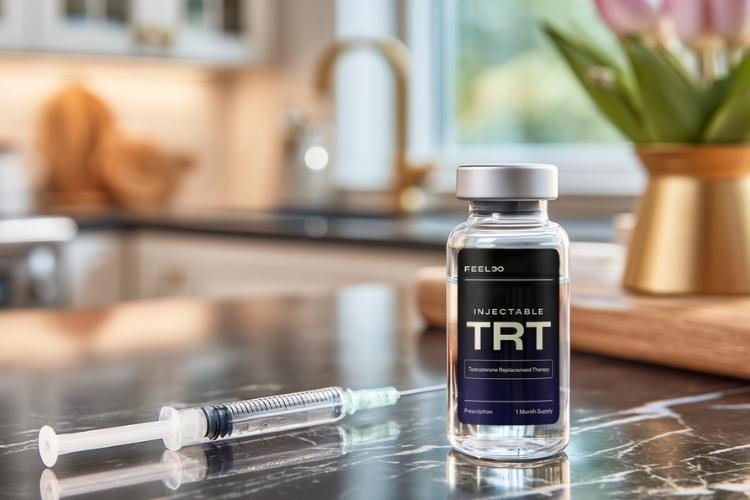
If you want to know whether irritability could be related to low testosterone, don't look at irritability alone. Instead, look for a pattern of symptoms. Testosterone deficiency can affect several areas of health, so irritability may be more meaningful when it occurs alongside symptoms such as reduced sex drive, fewer spontaneous erections, persistent fatigue, reduced physical performance, depressed mood, or changes in body composition (Bhasin et al., 2018).
At the other end of the spectrum is too much testosterone, which, although rare, comes with its own issues.
High testosterone that occurs naturally and that's within the high-to-normal range is not often linked to pathologic (extreme) anger. Research suggests that testosterone may instead influence behaviors related to social status, competition, and dominance, with the effects depending on the individual and social context (Eisenegger et al., 2011).
This is different when discussing long-term use of anabolic androgenic steroid abuse, which can produce testosterone levels far above the physiologic range. These findings may help explain some of the behavioral and mood changes associated with abuse (Bjørnebekk et al., 2021).
Testosterone has a strong influence on hair follicles, sebum (oil) production, and red blood cells, so when there's an excess, you might notice:
Read our guide on high testosterone levels to find out more.
Testosterone replacement therapy (TRT) is an effective solution for men with clinically confirmed testosterone deficiency and symptoms.
When properly prescribed and monitored, TRT doesn’t routinely cause aggression and anger. If you notice symptoms, discuss them with your healthcare provider.
Currently, studies on the effect of TRT on mood show mixed results. While it may boost mood and reduce depression in men who’ve been diagnosed with severely low testosterone, the research suggests it usually has no noticeable effect on men who only have borderline low levels or general mood issues (De Velasco et al., 2025).
Mood changes can be caused by multiple factors; however, if you do feel more anger and irritability after starting TRT, it may be due to the following:
If your testosterone levels move you into the supraphysiological (abnormal) range, you might experience excess testosterone side effects (Spitzer et al., 2013).
Extreme fluctuation in testosterone leads to the hormonal rollercoaster effect. For example, if you're taking TRT via one large injection every two weeks, it may lead to irritability and mood swings. This is because you'll have high T in the days immediately after you have the injection, but it will be followed by an abrupt crash (Farzam, 2026).
If you experience this, frequent, smaller doses (twice-weekly) or daily micro-dosing may give you more stable levels that help keep your mood more consistent. Your testosterone injection dosage and dosing frequency should therefore be individualized by your provider based on your levels and response to treatment.
If you are naturally angry and confrontational, treating your testosterone will not change your character (Piacentino et al., 2015). Any pre-existing anger management problems need to be addressed first through therapy and lifestyle changes.
If you're interested in TRT but reluctant to start because of concerns about quality and anger issues, turn to trusted brands like Feel30. We offer safe, physician-led testosterone replacement therapy with constant support and guidance.
There's a big difference between TRT used for clinical purposes and the use of testosterone as an illicit substance. Episodes of irritability, aggression, and mood changes have been reported in some individuals who abuse anabolic-androgenic steroids, sometimes referred to as "roid rage." And it's the result of using potent, synthetic anabolic steroids (muscle- building drugs like trenbolone, nandrolone, or stanozolol) at high doses, often 10 to 20 times more than what the body naturally produces (Piacentino et al., 2015).
Studies in animals and observational human studies in long-term anabolic steroid misuse may be associated with changes in brain structure, cognition, and mood. However, an association does not prove causation, meaning researchers cannot conclude that steroid use directly caused these changes, as other factors, such as the use of multiple substances, underlying health conditions, lifestyle factors, and genetics, may also play a role (Scarth & Bjørnebekk, 2021).
Effects from TRT on mood and emotional wellbeing develop gradually and vary from person to person. Individual response time can depend on testosterone levels, sleep, and underlying physical and mental health conditions, etc. Mood is only one part of the treatment timeline, and understanding how long TRT takes to work can help set realistic expectations for other changes you may experience.
Lifestyle changes can help improve mood and testosterone levels, so before beginning any type of treatment, it's worthwhile to first reassess these daily habits:
Different TRT formulations are absorbed and released into the body at different rates. Some formulations may produce more stable testosterone levels than others, but there is limited evidence that one delivery method consistently leads to better mood outcomes, and individual responses can vary.
Each person is unique, so the right formulation depends on your symptoms and treatment goals.
Not necessarily. Estradiol (estrogen) is important in men's health for bone health, mood regulation, and cognitive and sexual function. Blocking and excessively lowering estradiol can result in adverse symptoms like low mood, reduced libido, fatigue, and joint discomfort.
If it's found that estradiol is causing side effects, your healthcare provider will likely reassess your injection frequency, the dose you're on, and your body composition.
Aromatase inhibitors (estrogen blockers) are generally only prescribed for selected patients and should only be used under medical supervision (Bhasin et al., 2018).
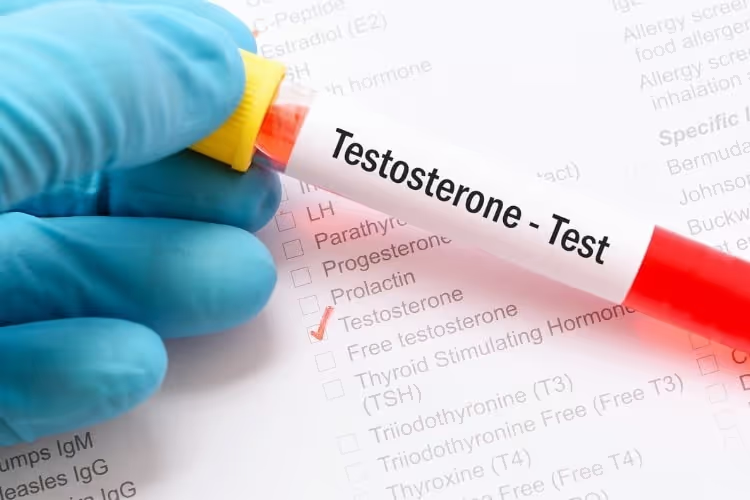
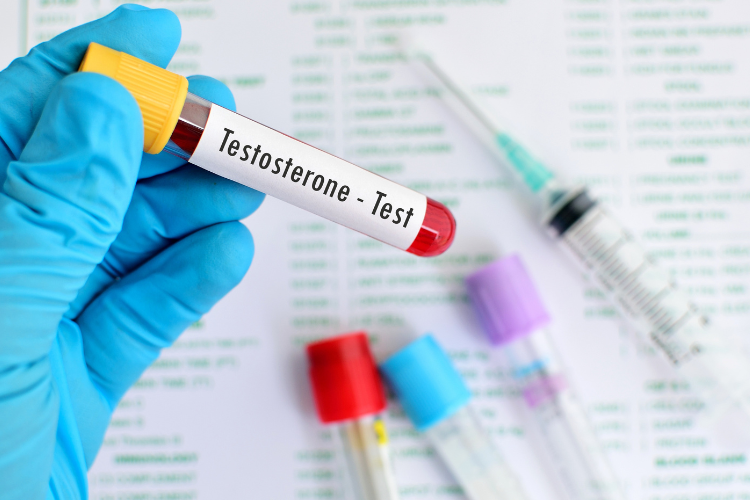
If you or someone close to you notices new or worsening irritability after starting TRT, you should speak to your clinician and arrange a clinical assessment. They will likely test your blood for free testosterone (usable testosterone), total testosterone (all the testosterone in your blood), and estradiol (estrogen). You should never change your dose or stop treatment without medical guidance (Bhasin et al., 2018).
Testosterone is a long-term treatment, but it’s not a cure. You can safely stay on it for years as long as you are being monitored by a clinician and are not experiencing adverse side effects. Once you stop treatment, your testosterone levels will return to their baseline (Cleveland Clinic, 2025).
A good clinician will do regular checkups to track how you are responding to the treatment. They will typically conduct:
If all of these markers are within healthy ranges and you don't have any problematic side effects, such as sleep apnea or extreme fluid retention, then medical guidelines support ongoing treatment and monitoring. The formulation you're prescribed also affects how long testosterone stays in your system after your last dose.
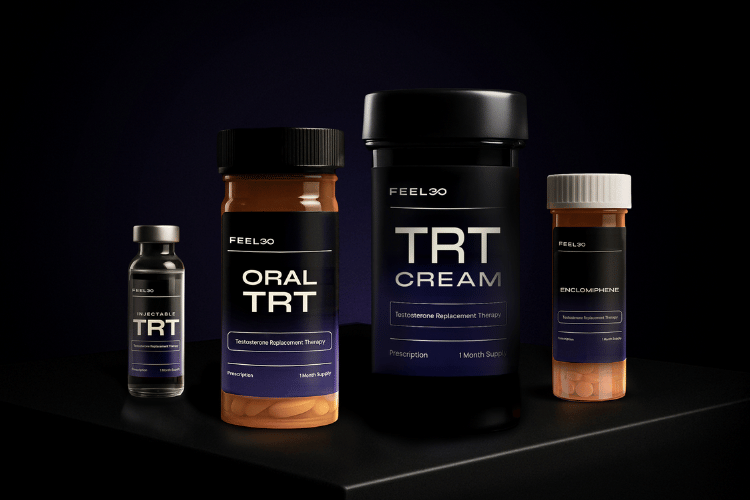
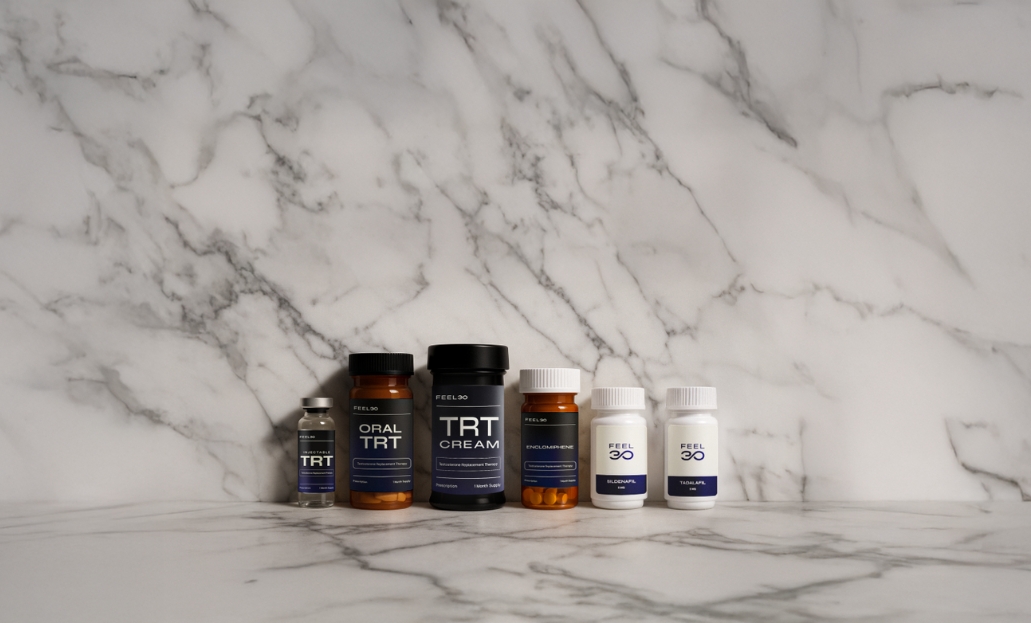
If you do want to stop, doctors advise not stopping "cold turkey" because the transition can be intense. They will usually use a Post-Cycle Therapy (PCT) protocol and prescribe medications such as hCG (Human Chorionic Gonadotropin) or SERMs (e.g., enclomiphene) to help the transition proceed more smoothly (Coward & McBride, 2016).
As current evidence suggests, testosterone does not fundamentally cause aggressive behavior, but it does play an important role in mood, motivation, and social interaction. In other words, it does have an influence on your emotional health, but it's only one piece of a very complex puzzle.
Ongoing mood swings and irritability are more often caused by a combination of factors, including underlying mental health issues, chronic stress, poor sleep, metabolic disorders, and both prescribed medication and illegal drug use.
If you have hypogonadism (clinically low testosterone), getting a proper evaluation from a trusted service provider, with lab testing, is your first step on your journey towards better health.
At Feel30, we offer clinician-supervised solutions and comprehensive blood tests and hormone panels in the comfort of your home. Find out more about our at-home services.
Take the first step toward renewed energy and confidence with Feel30’s expert care.




4.9 out of 5 · 2,400+ reviews


Always Tired, Gaining Weight? Low T Was the Real Reason
Is Low T Hurting Your Relationship?
This gaming laptop is a powerhouse, equipped with the latest graphics card and a high-refresh-rate display.
Jane Smith
Feel30 has completely changed the game for me. I feel more energized, focused, and confident like I did years ago.
Emily Johnson
This smartphone offers an exceptional camera experience, with stunning low-light performance and vibrant colors.
John Doe
What are you waiting for?
Take the first step toward renewed energy and confidence with Feel30’s expert care.


Feel 30 again with physician-supervised treatment that restores the energy, confidence, and performance you remember. No hassle or hidden fees.