Stay informed with expert insights on testosterone therapy, men's health, and performance optimization.

Photo by Peopleimages, Canva
For most people, aging doesn't feel sudden. You don't just wake up and feel old; it's more of a gradual process, similar to the development of a fine wine. And as much as aging is a privilege, it can be disheartening when you notice the sharpness, energy, and motivation you once had have started to fade. You might feel that it takes you longer to recover after a workout, and your body composition has started to change.
Some men may start to wonder if the issue is testosterone-related. Testosterone plays a crucial role in male sexual health; it has whole-body effects, influencing bone density, libido, mood, cognition, energy, muscle building, and cardiovascular health.
As men are becoming more aware of hormone optimization therapies, concern regarding safe testosterone levels has also risen to the forefront, especially around heart health.
The truth is, the relationship between testosterone and cardiovascular health is complex. This is because very high testosterone levels can lead to cardiovascular risks. Similarly, low testosterone can lead to heart-related issues, too.
Plus, the heart is tricky because heart problems are not often caused by a single factor, and often, different factors can influence the other. So to understand the actual risks in this complex relationship, we need to examine the science behind the claim.
While most men worry about the effects of high testosterone, low testosterone could be a bigger threat to men's cardiovascular health.
Testosterone is an anabolic hormone and part of the metabolic system, acting on the cardiovascular process in different ways. This means there's also a link between low testosterone and certain metabolic disorders, for example, type 2 diabetes and obesity. Studies have shown that men with untreated low testosterone experience bone, muscle, heart, exercise, metabolic, and sexual dysfunction issues (Di Lodovico et al., 2022).
Note that a higher rate of heart disease and mortality is often associated with men who have low testosterone compared to men with normal testosterone levels (Araujo et al., 2011).
The heart is surrounded by androgen receptors and coronary arteries, which feed it blood. The arteries need certain chemical signals to stay flexible. When testosterone levels are ideal, these signals tell the blood vessels when to dilate, which keeps blood pressure healthy. When testosterone is low, the signal is not transmitted, and the arteries do not dilate adequately. This can result in high cholesterol and plaque buildup, which in turn can increase your risk of high blood pressure and heart issues such as coronary artery disease (Kelly & Jones, 2013).
Corona (2013) further notes that testosterone deficiency is also linked to:
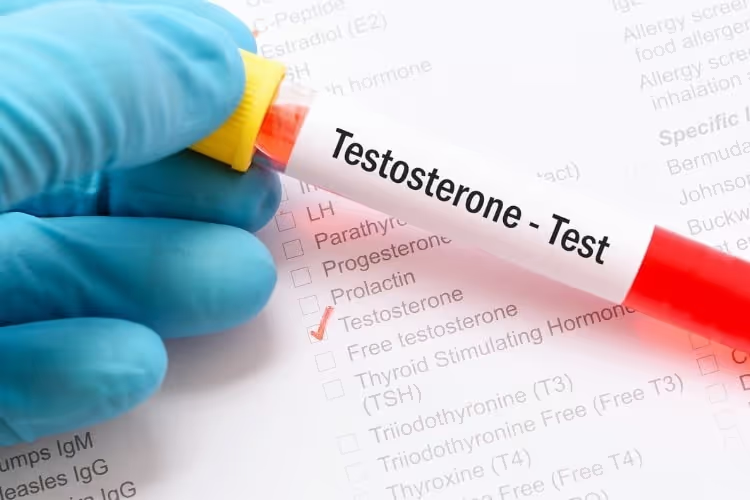
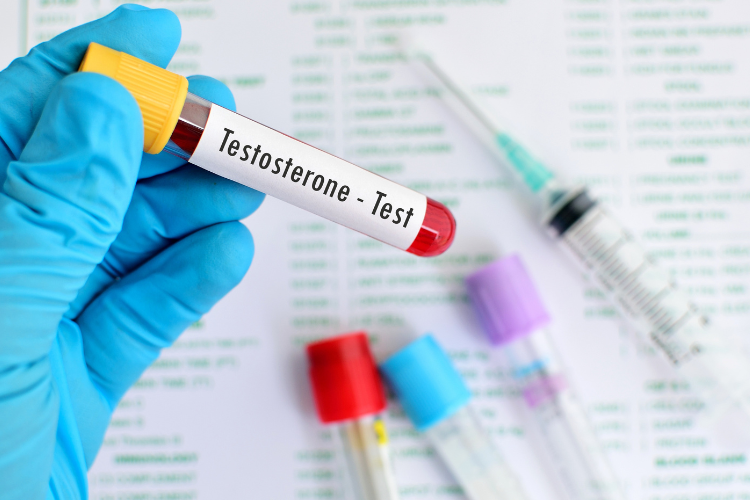
Low testosterone can influence almost all aspects of men’s health, from body composition and sexual function to cognitive strength and muscle mass. Since the symptoms are often mistaken for a normal part of the aging process or a result of stress, it’s important to undergo appropriate medical tests to obtain an accurate diagnosis (Morales et al., 2015).
The most common symptoms of low testosterone:
Supports energy, focus, sexual health, and overall wellbeing
Shop NowWhether high testosterone causes cardiovascular disease depends on how your testosterone became high – naturally, medically (via testosterone replacement therapy (TRT)), or synthetically (such as with anabolic-androgenic steroids).
Although there's been a lot of debate over the years concerning medical testosterone replacement therapy and whether it causes people to develop heart disease, recent studies have determined that TRT is not linked to an increase in adverse cardiac problems.
When researchers studied over 5000 men with a high cardiovascular risk, they found that the use of testosterone replacement therapy, under medical supervision, to restore male hormones to a normal, healthy range did not increase the risk of strokes or heart attacks or other cardiac events (Cleveland Clinic, 2023).
In effect, TRT aims to balance hormones at an optimum level; therefore, reducing side effects from both too much and too little testosterone.
Some people are genetically prone to having high testosterone. Morbey (2026) argued that men with high testosterone have a 17% higher risk of developing coronary artery disease because the elevated testosterone can increase blood pressure, artery stiffness, and plaque build-up.
When testosterone levels increase beyond normal limits due to the abuse of anabolic steroids, the risk of cardiovascular disease increases dramatically. This is because unnatural concentrations of testosterone in the body convert it from a helpful hormone into a cardiovascular toxin. It causes hyperstimulation of the bone marrow, which releases too many red blood cells (hematocrit), resulting in thick, blood-clot-prone blood. Synthetic testosterone also decreases the good cholesterol (HDL) and increases the bad cholesterol, leading to an increased risk of clogged arteries (Baggish, 2017). Elevated hematocrit while on TRT is also an important marker for healthcare providers to monitor during treatment.
Synthetically elevated testosterone can also lead to an increased risk of cardiac enlargement (Smit et al., 2021).
Several variables need to be considered, as testosterone is only one factor that influences cardiovascular health. To assess your overall risk, you need to consider the full picture, including:
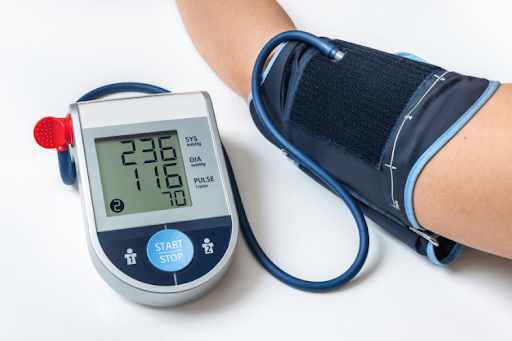
The relationship between testosterone and high blood pressure is particularly important for men considering TRT who already have hypertension.
Notably, "normal" testosterone levels are difficult to determine because two healthy men could have levels that are drastically different but still within their own normal range. For example, the same testosterone level could make one man feel energetic and cognitively sharp and another experience symptoms of testosterone deficiency.
Levels also fluctuate according to age, illness, medication use, stress, and body composition, which further complicates things when trying to determine if testosterone is the cause of a cardiovascular event. Based on the above studies, the FDA recommends that people with cardiovascular issues have a risk-versus-benefit discussion with a medical professional when deciding whether to use TRT.

Photo by Prostockstudio, Canva
If, after testing, it’s confirmed you have a testosterone deficiency, and treatment is recommended, the next step is deciding what therapy is best for you.
There are several ways testosterone replacement therapy can be administered, and each method has both advantages and disadvantages. The best choice depends on your personal preferences, lifestyle, medical history, and your doctor's recommendations.
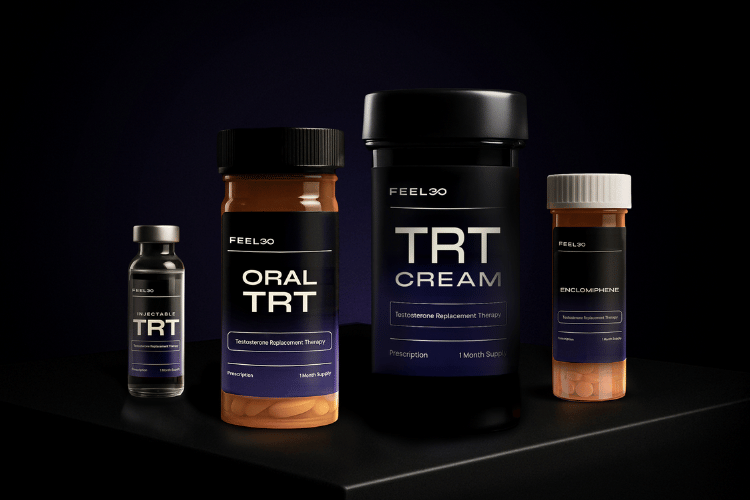
The most common options are:
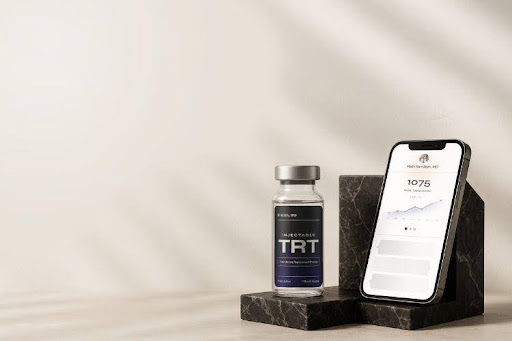
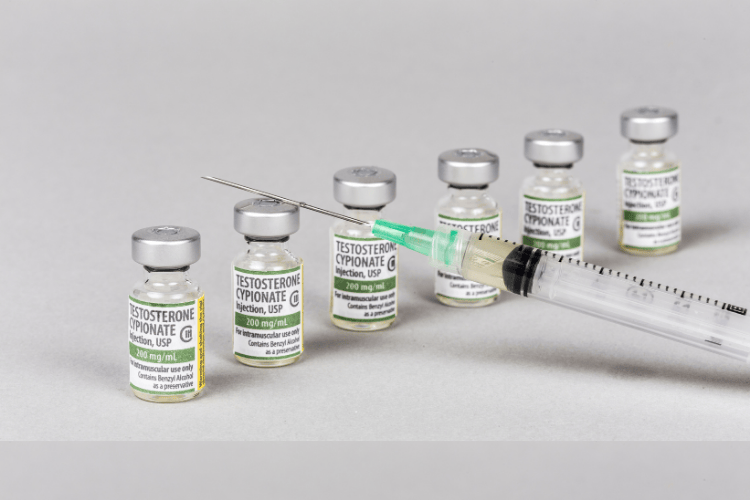
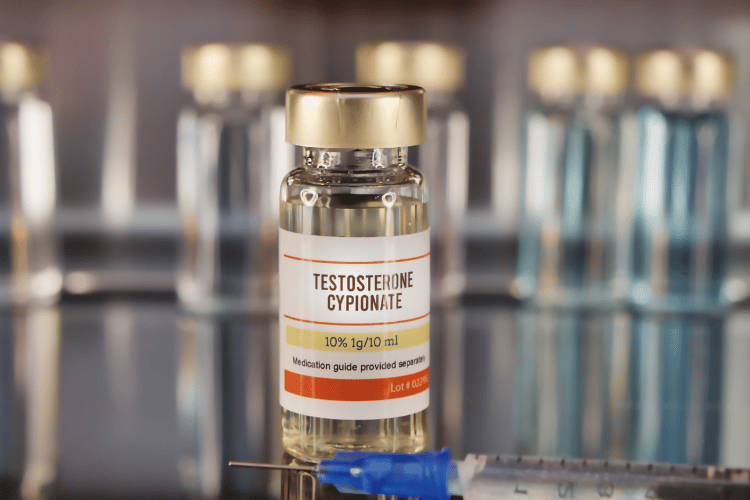
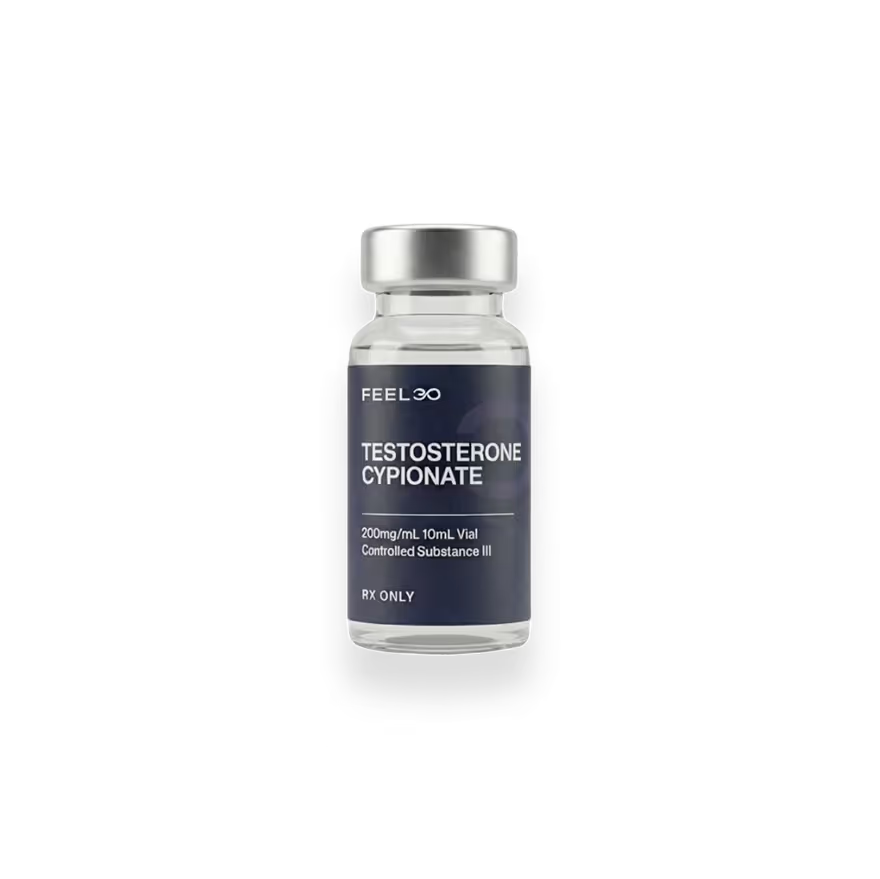
Injections, such as testosterone cypionate, are very effective and the most widely used form of TRT. They are administered once or twice a week.
Gels, which are applied every day to the skin, offer continual hormone delivery. The downside is that they need consistent daily application.
Transdermal (via the skin) patches are a good non-invasive option.
Pellets are inserted under the skin to provide a sustained release of testosterone over several months.
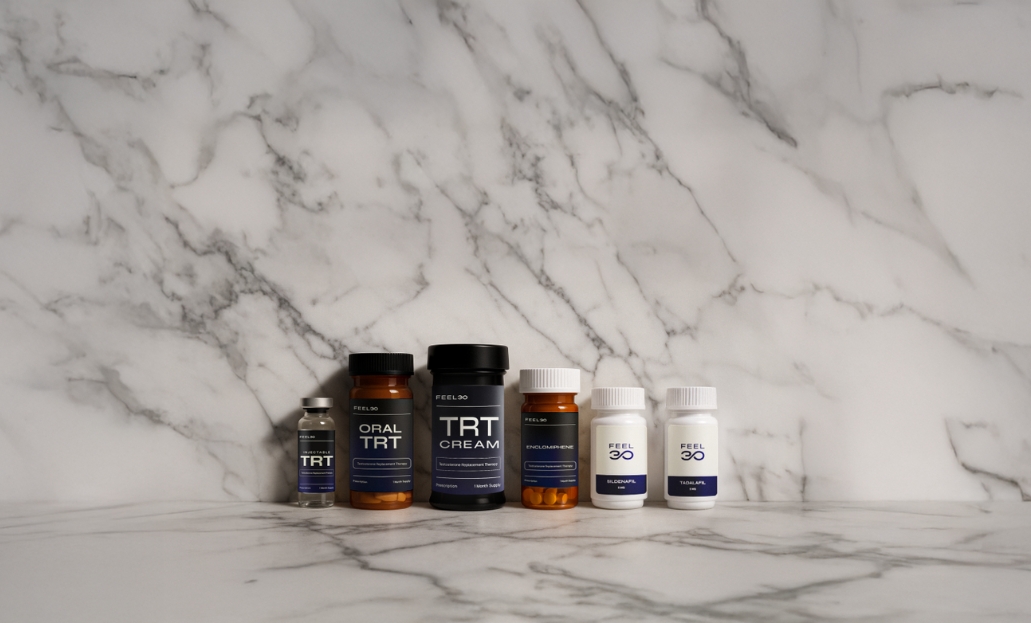
For men who don't want to use injections, oral testosterone is a great alternative.
Testosterone stimulators, such as enclomiphene, also taken orally, stimulate the body to produce more of its own testosterone.

Photo by Getty Images, Canva
Men undergoing successful treatment frequently report improvements in:
These improvements can cause a positive loop effect. For instance, if you have more energy, you will exercise more. And if you exercise more, you will improve your body composition. If your body is stronger, you will have better metabolic health, which, in turn, improves cardiovascular health.
According to a paper on clinical endocrinology by Andrea Isidori:
Many studies have shown that testosterone replacement therapy (TRT) has beneficial effects in hypogonadal men on metabolic and cardiovascular risks, such as fat/lean mass ratio, waist circumference, glycemia, insulin resistance, lipid profile, and blood pressure. Some studies have demonstrated that TRT has a protective role against cardiovascular events and mortality in older men with a testosterone deficiency who are at a high risk of cardiovascular events
In essence, maintaining healthy testosterone levels can help men improve their long-term well-being. At Feel30, we have physician-supervised solutions to help men increase testosterone and more. We help you reclaim your vitality and confidence so you can perform in all areas of your life – work, health, and relationships.
Extremely high testosterone levels may lead to:
Mostly, these side effects occur when testosterone levels greatly exceed the body's range and when treatment isn't suitably monitored. Medical supervision is critical when undergoing testosterone supplementation. The risk of testosterone side effects depends partly on your hormone levels, dose, treatment method, and how closely you're monitored.
The treatment for this depends on what's causing your high testosterone. If it's due to using anabolic steroids, you may need to discontinue using them. If it's due to testosterone therapy, your doctor might need to adjust your dose or alter the frequency and method of treatment.
If needed, further tests may have to be done to determine if there are any underlying conditions that are affecting your testosterone production.
You should never try to adjust your hormones without professional guidance.
The only credible way to determine if you have high testosterone is by doing a blood test under a healthcare professional’s guidance; however, there are some typical symptoms associated with high testosterone. For example, acne, mood changes, oily skin, and high blood pressure are all symptoms of high testosterone. Understanding the broader signs of high testosterone levels in men can help put these symptoms into context.
How Do Men Act When Their Testosterone Is High?
Contrary to popular belief, testosterone doesn’t make men aggressive when it's within a normal range. However, when anabolic steroids are abused, and testosterone levels are abnormally high as a result, some men may act more irritable, impulsive, and aggressive.
Yes, high testosterone can affect sleep. At a normal level, testosterone doesn’t typically disrupt sleep, but at high levels, it can cause restlessness for some men. Notably, TRT can exacerbate sleep apnea in some people, leading to poor sleep quality (Graziani, 2023). If you’re on TRT and you notice that you are snoring loudly and waking up frequently during the night, consult your healthcare provider.
So, is TRT bad for your heart? In some situations, yes, it is. For some people, it can cause heart issues, such as higher incidences of atrial fibrillation and blood clots. However, for most people, the concern is usually the side effects of low testosterone.
As with many aspects of the human body, the goal with testosterone is to find the sweet spot. The aim is to feel strong. The body doesn't need higher testosterone; it needs healthy testosterone. Problems only arise when the scales are tipped, and your hormones become imbalanced.
It's important to note that the negative effects of excess levels of testosterone differ greatly from medically supervised hormone replacement therapy. There is a big difference between using testosterone supplements to restore physiological levels and pushing your hormone levels beyond their natural range.
Testosterone therapy that is thoughtfully prescribed and monitored by a medical professional and tailored to suit each individual can help renew energy and improve your sexual health, but, most importantly, it can make a significant difference in your quality of life.
Take the first step toward renewed energy and confidence with Feel30’s expert care.




4.9 out of 5 · 2,400+ reviews


Always Tired, Gaining Weight? Low T Was the Real Reason
Is Low T Hurting Your Relationship?
This gaming laptop is a powerhouse, equipped with the latest graphics card and a high-refresh-rate display.
Jane Smith
Feel30 has completely changed the game for me. I feel more energized, focused, and confident like I did years ago.
Emily Johnson
This smartphone offers an exceptional camera experience, with stunning low-light performance and vibrant colors.
John Doe
What are you waiting for?
Take the first step toward renewed energy and confidence with Feel30’s expert care.


Feel 30 again with physician-supervised treatment that restores the energy, confidence, and performance you remember. No hassle or hidden fees.