Stay informed with expert insights on testosterone therapy, men's health, and performance optimization.
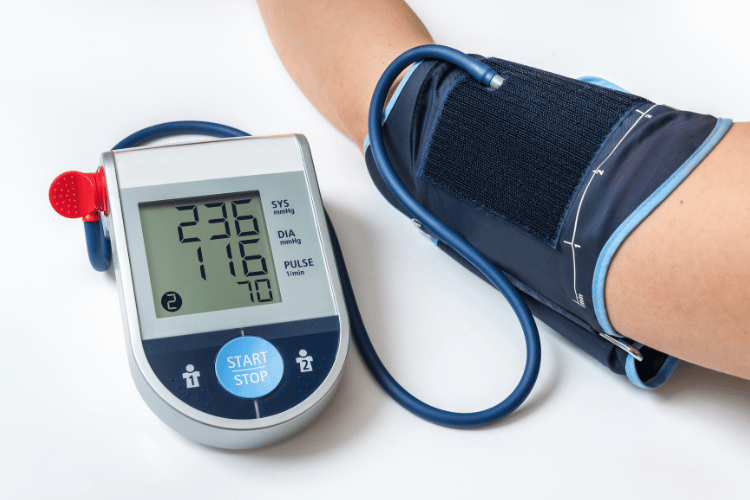
Can you really start testosterone replacement therapy (TRT) if you have high blood pressure (BP)?
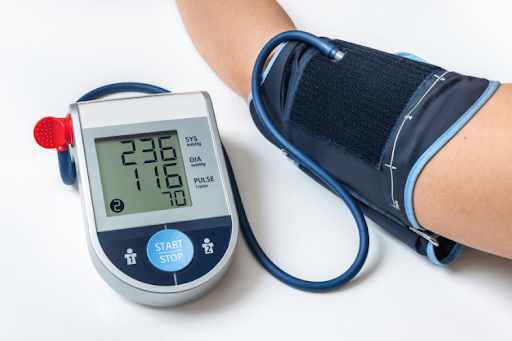
If you're wondering about this, the answer lies in the connection between testosterone and blood pressure. Many men ask this question, and for good reason. After all, you don't want to begin a treatment that'll send your blood pressure soaring.
One interesting thing about all this is that the effect of testosterone on blood pressure isn't as clear-cut as you might expect. TRT may restore healthy hormone levels and have a small effect on blood pressure in some men. Current larger trials have not shown any major cardiovascular events (in appropriately selected men). A licensed healthcare professional should monitor parameters such as blood pressure, hematocrit, and other cardiovascular risk factors during treatment.
So, whether or not you can take testosterone will depend on whether your blood pressure is under control and other factors. Let's see what the research says, and what it'll take for you to do TRT the right way.
Most licensed healthcare providers will advise against testosterone therapy if your blood pressure is very high and you're unable to get it under control.
If, on the other hand, your blood pressure is under control, you may be able to start testosterone replacement therapy, but it's very important that your provider monitors your symptoms and labs regularly.
This is because testosterone may increase blood pressure in some men. Here's more on that.
Yes, although its effect is modest in many men, it can raise both systolic and diastolic blood pressure. The U.S. Food and Drug Administration (FDA) requires all companies that manufacture testosterone products to conduct post-market ambulatory studies where they monitor blood pressure in participants throughout the day.
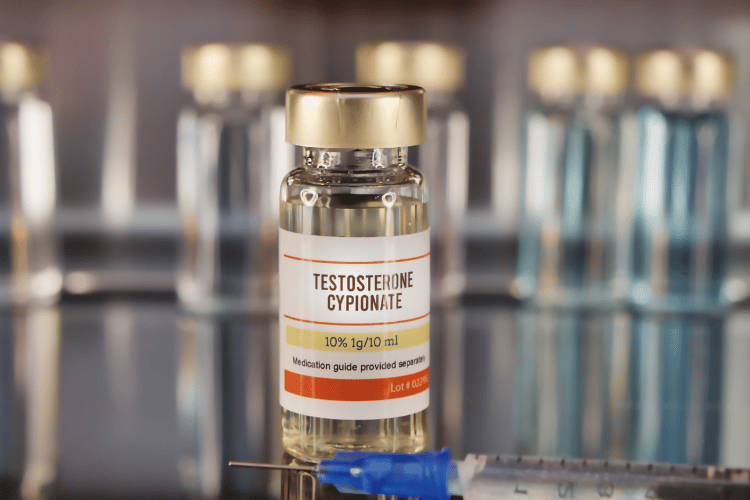
In the clinical studies submitted to support the FDA approval for JATENZO, which is an oral form of testosterone, participants experienced an average increase of about 5 mmHg in systolic blood pressure over a period of four months.
This may not sound like a big increase, but even a small, long-term rise in blood pressure adds up over the years, and it can heighten your risk of cardiovascular disease.
Important: Most TRT products carry a warning mandated by the FDA that states that testosterone can increase blood pressure. Oral testosterone medications such as JATENZO have an explicit boxed warning (note that this is the highest level of safety warning that the FDA can place) on the risk of hypertension over time (FDA, 2019).
Now, let's look at the effects of testosterone on blood pressure within the body.
When you introduce testosterone into your body, it can contribute to an increase in your BP, but not all patients experience this, and if they do, it can be from other factors as well (poor diet, genetics, etc). This increase in blood pressure happens through different interconnected ways. Blood pressure changes are one of several testosterone side effects your provider may monitor during treatment.
The first proposed mechanism is fluid balance. According to Zitzmann (2024), testosterone can make your kidneys retain more sodium and water because of its effect on the kidneys themselves, and also on the hormones that control the level of fluids in your body. This means that as your body holds on to more water, the blood that's circulating through your blood vessels increases. As such, your heart has to work a little harder to pump blood throughout your body, resulting in a rise in both systolic and diastolic blood pressure.
This is also when some men notice slight swelling or an increase in weight, at least in the first few weeks of testosterone therapy. These symptoms are usually temporary, but for men with hypertension, It’s important to monitor BP closely.
Testosterone also interacts with blood vessels by affecting both the cells lining the vessels (the endothelium) and the smooth muscle within the vessel wall. These effects are complex. Laboratory studies suggest testosterone can both relax and constrict blood vessels depending on the dose, duration, and tissue studied. However, clinical studies have not consistently shown that these vascular effects lead to meaningful increases in blood pressure during testosterone replacement therapy.
Now, sleep apnea is important in this discussion because it relates to all the above factors. According to clinical reviews on testosterone and sleep disorders by Kim & Cho (2019), low testosterone, excess weight, and elevated blood pressure can all show up together with obstructive sleep apnea. On top of that, testosterone replacement therapy can worsen sleep apnea in susceptible individuals or those with untreated/severe disease, and without treatment, it may raise your blood pressure.
If you snore loudly or you've been told that you stop breathing for short periods at night as you sleep, mention this to your provider before or during your testosterone therapy.
Because TRT may affect blood pressure in some individuals, it's important to understand how hypertension factors into treatment decisions.

Many providers will first evaluate how well your blood pressure is controlled as part of determining whether TRT is appropriate.
If your pressure is not under control, you should not take testosterone until your condition is stable. A licensed provider should evaluate and manage uncontrolled hypertension before initiating TRT, and they should monitor BP during treatment.
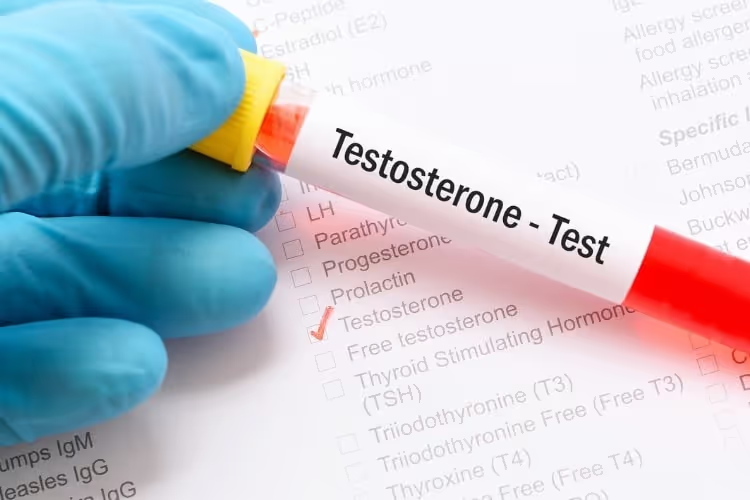
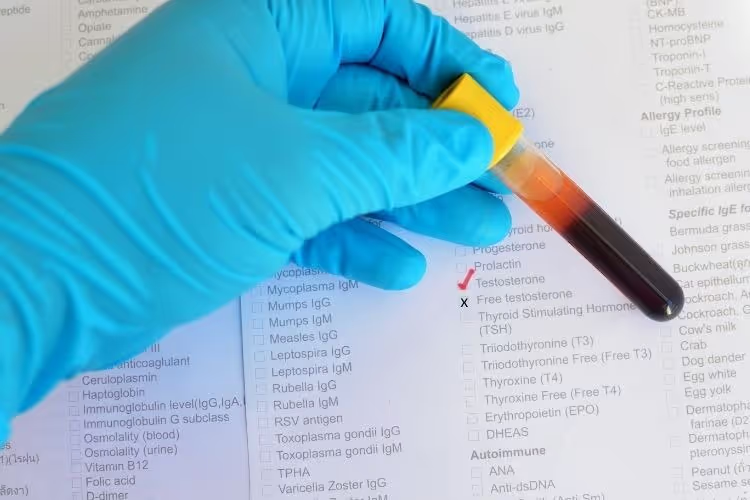
Before starting TRT, hypogonadism (low testosterone) should first be confirmed with symptoms and two separate early-morning testosterone tests showing low levels. Your provider will also evaluate the cause of low testosterone, including whether it’s primary or secondary hypogonadism. Once they confirm the diagnosis, they'll review your overall health, contraindications, and risk factors, including cardiovascular risk, to determine whether you're a candidate for TRT and how you should be monitored during treatment.
Takeaway: The goal is to manage both safely. Control your blood pressure first, confirm the diagnosis of low testosterone, and work with your healthcare provider to monitor your response to treatment.
A few labs matter for patients with hypertension and on TRT. A good treatment plan will keep an eye on them at regular intervals:
When your level of blood pressure rises, there are a few options that providers consider:
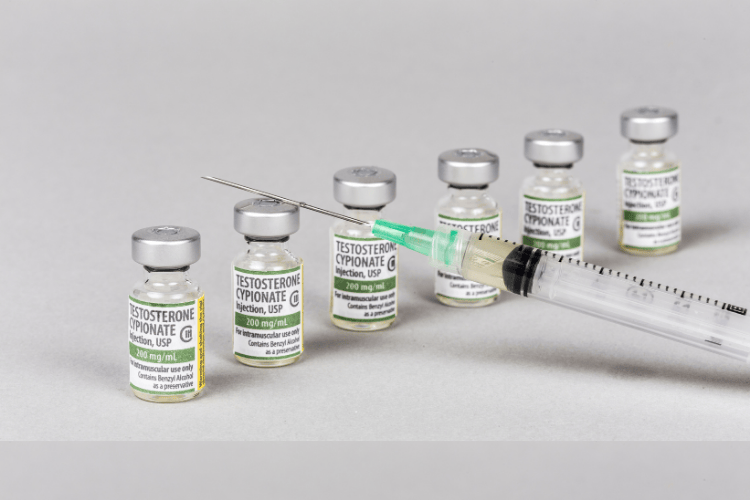
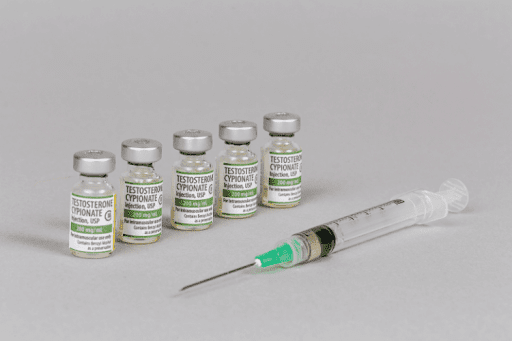
You should not make any of these changes alone; instead, they should be part of a supervised plan that's tailored to your specific results from your bloodwork. Any changes to your testosterone injection dosage should be made by your prescribing provider.
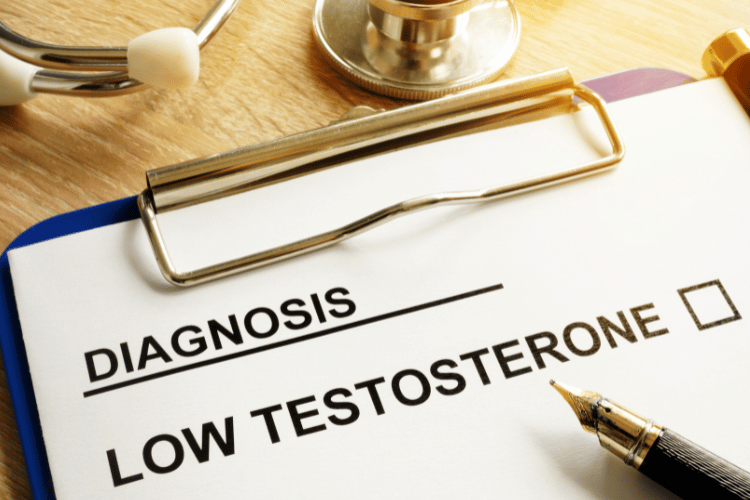
Low testosterone is commonly associated with several conditions that are also linked to hypertension. These include obesity, type 2 diabetes, insulin resistance, and metabolic syndrome, to name a few. While these conditions don't all have the same cause, they often share common contributing factors, such as excess body fat, inadequate sleep, and low levels of physical activity. These lifestyle factors can affect hormone production, insulin sensitivity, and cardiovascular health, which is why they frequently occur together.
The study by Cheung et al. further shows that low testosterone is associated with many cardiovascular risk factors. Some of the conditions that lower your testosterone, such as obesity and obstructive sleep apnea, are the very same things that can drive up blood pressure in the first place. That's one reason healthcare providers may treat low testosterone as a marker for men's health.
Note that there's no single study that suggests that testosterone treatment is a cure for elevated blood pressure. Current evidence doesn’t support using TRT as a treatment for hypertension.
Healthy lifestyle habits can improve blood pressure control and overall cardiovascular health while receiving TRT. These include:
Limit sodium intake and eat plenty of fresh fruits, vegetables, and whole grains. This is a lot like the DASH eating plan, which, according to Campbell (2017), has been found to lower blood pressure within weeks by reducing fluid and water retention and improving the function of blood vessels.
Note: One of the easiest ways to reduce your sodium intake is to cut back on processed and restaurant food. This is because most of the salt we eat comes from packaged foods.
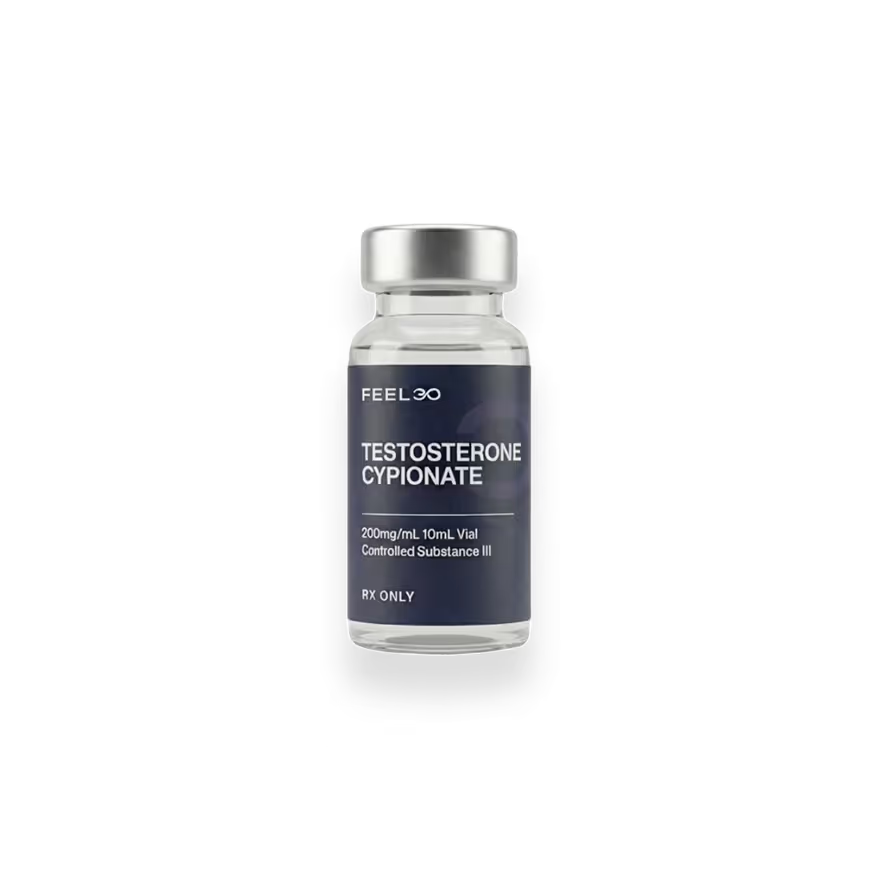
Supports energy, focus, sexual health, and overall wellbeing
Shop NowEvidence from the study by Meyer & Wilbert (2024) explains that regular physical activity, such as aerobic exercise and strength training, can improve how flexible blood vessels are, help with weight loss, and may even directly benefit your heart. Losing extra weight might naturally boost your testosterone levels. This improvement is most evident in men with obesity or obesity-related hypogonadism. Weight loss may also improve symptoms of sleep apnea, which helps on several fronts.
Evidence shows that reducing alcohol intake lowers blood pressure in a dose-dependent manner (Roerecke et al., 2017). People who consume two or more drinks per day stand to gain the most significant blood pressure reductions when they scale back. If you consume two or fewer drinks per day, reducing your intake further may not yield a massive change in your blood pressure numbers, but it remains highly beneficial, as it improves metabolic health, enhances sleep quality, and lowers overall cardiovascular and liver strain.
In addition to limiting alcohol, daily habits play a key role in counteracting the fluid retention and blood pressure shifts that TRT can induce:
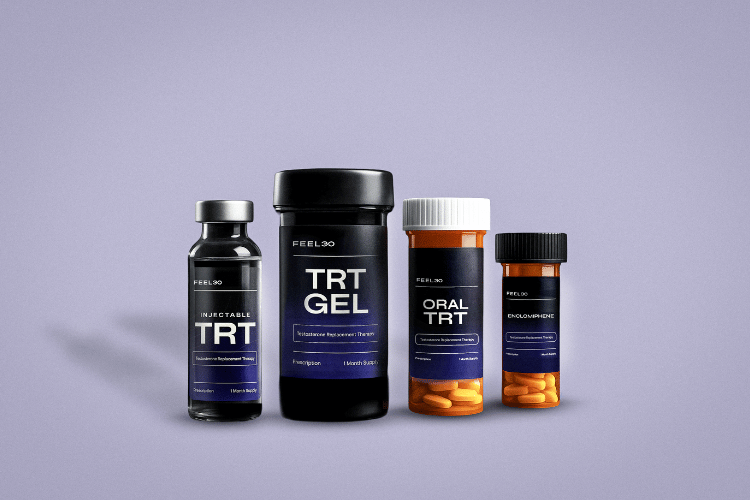
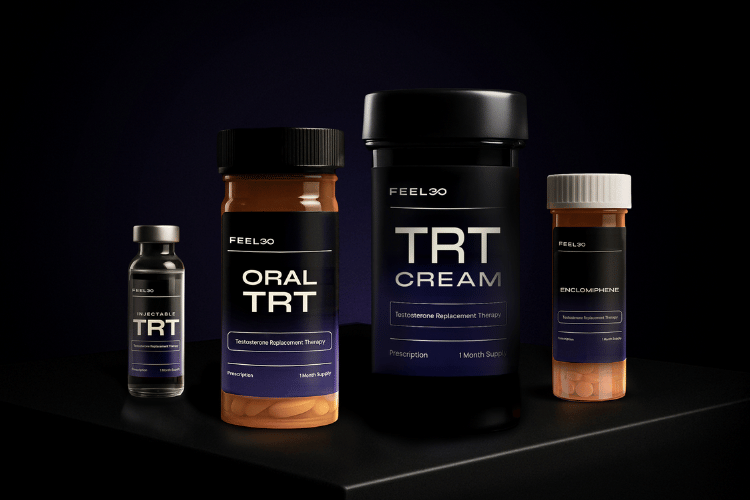
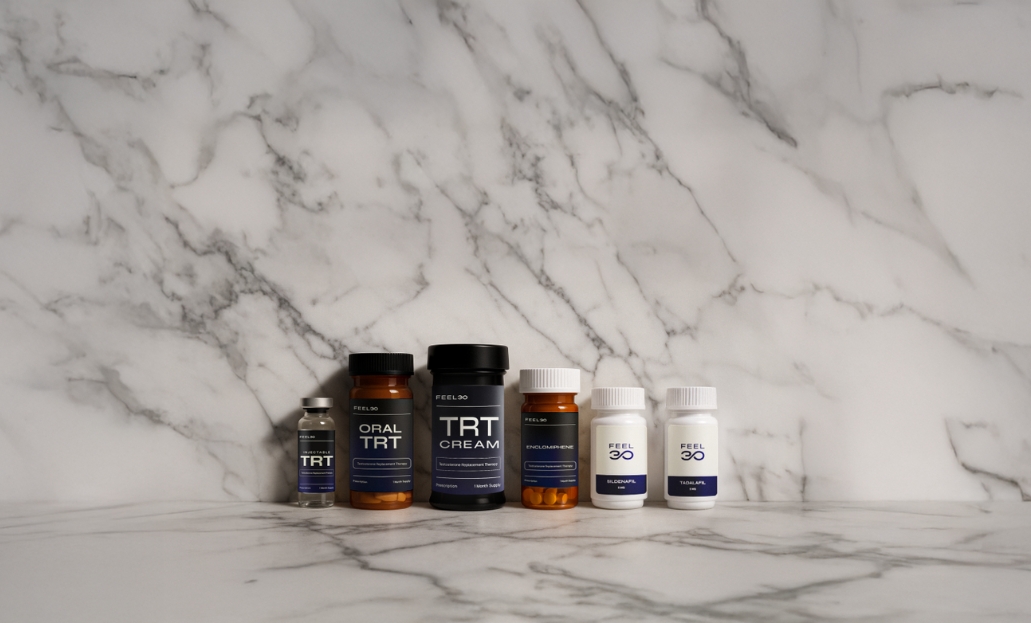
Here at Feel30, we provide provider-led TRT at home, with baseline testing, ongoing bloodwork, and dose adjustments based on how your body responds, so you can treat low testosterone without losing control of your blood pressure.
If you want to know whether TRT is appropriate for your situation, you can start a consultation today.
Consult with your provider before you start TRT. If you have high blood pressure, a history of heart problems, or if you've had a previous heart attack or stroke, it's crucial that you do so.
While you're on treatment, get in touch right away if you notice any symptoms of rising blood pressure.
Make sure to show up to all your bloodwork appointments. These checks really are the difference between catching a potentially bad situation early on and, worse still, missing it altogether.
If your blood pressure is well managed and under close monitoring, the answer is often yes. However, starting testosterone has more considerations than just BP; the decision to start is individualized based on cardiovascular risk, symptoms, confirmed hypogonadism, and other contraindications.
Yes, it can. Monitoring studies that tracked blood pressure across a full day found that testosterone raises blood pressure across the drug class (FDA, 2019). The average rise was modest, in the range of 3 to 5 mmHg systolic (although findings varied based on formulation), but it's consistent enough that both your systolic and diastolic blood pressure should be checked before and during treatment. JATENZO, the oral testosterone product that the FDA approved in 2019, even carries a boxed warning to that effect (FDA, 2019).
The large TRAVERSE trial found that TRT did not increase the overall rate of major cardiovascular events in men with low testosterone and existing heart risk, though it did record more cases of atrial fibrillation, acute kidney injury, and pulmonary embolism in the testosterone group (Lincoff et al., 2023). That means that testosterone is not the heart threat once feared, but neither is it risk-free. This is why monitoring matters.
Blood pressure changes brought on by testosterone are generally reversible. If TRT is causing your blood pressure levels to rise, your provider will likely try to adjust the dose or even switch you to a different formulation first, and if that doesn't work, stopping treatment usually allows those markers to start heading back toward baseline over time.
Plenty of men manage to have both. As long as your blood pressure stays under control and you're being monitored, you may be able to take TRT. Your provider should make sure all of your treatments work well together and keep track of how your numbers are responding.
Not directly, but low testosterone quite often shows up alongside conditions that drive up blood pressure, like obesity and metabolic syndrome, to name two examples. Because these conditions frequently occur together, many men being evaluated for low testosterone also have high blood pressure that needs to be addressed.
Yes, you may be able to take testosterone if your blood pressure is under control, but note that there may be other reasons why you might not be a TRT candidate.
Before starting treatment, a licensed provider should evaluate and manage your blood pressure appropriately. While testosterone therapy may increase blood pressure in some individuals, many men experience little or no change. Because everyone's response is different, regular monitoring is an important part of treatment.
Once you start TRT, work closely with your healthcare provider to monitor treatment. Your provider can adjust your treatment if needed to keep it both safe and effective.
Don't overlook lifestyle habits. Maintain a healthy weight, stay physically active, eat a heart-healthy diet, limit alcohol, get adequate sleep, and take blood pressure medications as prescribed (if needed) to help support healthy blood pressure while you're on testosterone therapy.
Take the first step toward renewed energy and confidence with Feel30’s expert care.




4.9 out of 5 · 2,400+ reviews


Always Tired, Gaining Weight? Low T Was the Real Reason
Is Low T Hurting Your Relationship?
This gaming laptop is a powerhouse, equipped with the latest graphics card and a high-refresh-rate display.
Jane Smith
Feel30 has completely changed the game for me. I feel more energized, focused, and confident like I did years ago.
Emily Johnson
This smartphone offers an exceptional camera experience, with stunning low-light performance and vibrant colors.
John Doe
What are you waiting for?
Take the first step toward renewed energy and confidence with Feel30’s expert care.


Feel 30 again with physician-supervised treatment that restores the energy, confidence, and performance you remember. No hassle or hidden fees.