Stay informed with expert insights on testosterone therapy, men's health, and performance optimization.
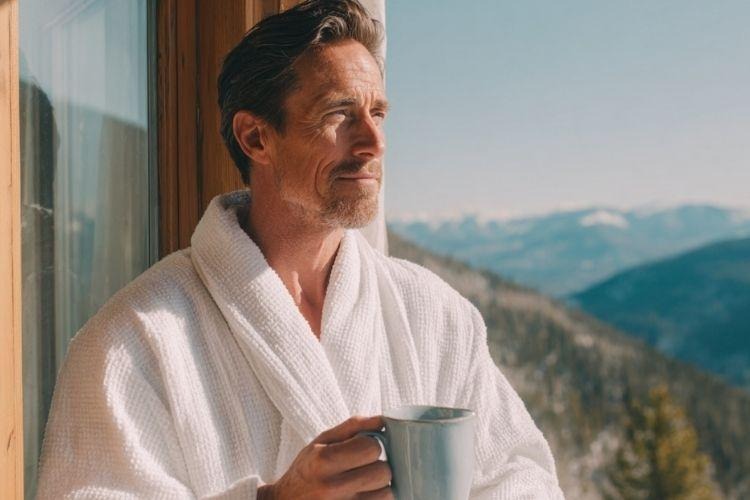
Many high-performing men swear by their morning cup of coffee. It’s part of their routine and sets them up; it sharpens focus and gives them an energy boost, preparing them for a productive day ahead.
Many men are also questioning the link between coffee and testosterone, especially as we all become more interested in our hormone health. There’s lots of information online, but separating the fact from the fiction can be a chore. So, what is the truth of the matter? Can coffee increase testosterone levels, or does it actually work against long-term performance?
The truth is, the relationship between caffeine and testosterone is complex and often misunderstood. Yes, coffee can influence hormone levels, but its effects depend on factors like dosage, timing, as well as your individual physiology. Here’s why.
Testosterone is one of the body’s key hormones, and it plays a big part in things like physical performance, sleep, mental clarity, and your overall health.
Having optimal testosterone levels can contribute to different aspects of men's health:
Our testosterone levels naturally decline as we age – it’s just a fact of getting older. However, having a balanced lifestyle can have a significant impact on how quickly they decline.
There are several variables that can affect your testosterone production:
Because caffeine interacts with some of these factors, its role in testosterone balance is often debated. Some research has explored how soy isoflavones may interact with hormone pathways, though findings are mixed and effects appear highly dependent on overall diet quality and intake levels (Patil et al., 2025).

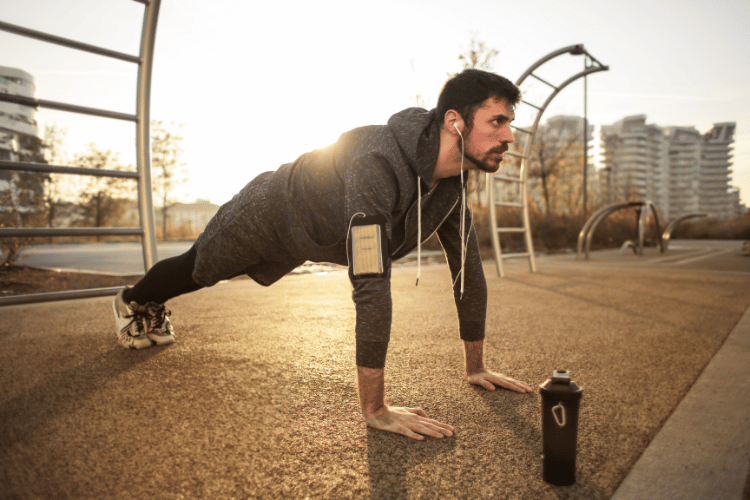
[Photo by Teresa Jang from Pexels on Canva.]
So, does coffee increase testosterone? As it stands, current research suggests that it may influence testosterone levels, but the effect is inconsistent and temporary.
Caffeine stimulates the central nervous system, which is what leads to greater alertness and physical readiness. However, it can also cause an increase in anxiety. Some controlled studies suggest that consuming caffeine before resistance exercise may lead to a temporary increase in testosterone levels. This is likely because of the exercise rather than a direct hormonal effect (Beaven et al., 2008).
It’s important to note that these increases are short-lived and they don’t necessarily mean you’ll experience sustained changes in baseline testosterone levels over time.
Research on caffeine and testosterone provides some mixed findings. Some observational studies link drinking coffee regularly to having slightly higher testosterone levels than non-caffeinated groups (Glover et al., 2022). That said, these findings don’t establish causation and aren’t consistently replicated in controlled studies, which is why it’s important to view them with a critical eye.
Furthermore, other research suggests that there aren’t any meaningful long-term changes in testosterone from drinking coffee. Some research suggests that drinking too much caffeine can actually negatively influence hormone regulation through sleep disruption and stress pathways. So overall, current evidence indicates that caffeine’s effects on testosterone very much depend on context. There isn’t any consistent evidence that supports a meaningful long-term increase in testosterone levels from caffeine consumption alone.
So although behavioral factors like drinking coffee may have a short-term effect on testosterone levels, there’s a difference between these and clinically validated treatments, which have been tested and approved to help with low T.
For example, testosterone replacement therapy has been shown to reliably raise testosterone levels in men with low testosterone symptoms (fatigue, brain fog, etc) when it’s been prescribed and monitored appropriately (Bhasin et al., 2018). So yes, although caffeine may have an effect on short-term performance, it doesn't correct underlying hormonal deficiencies.
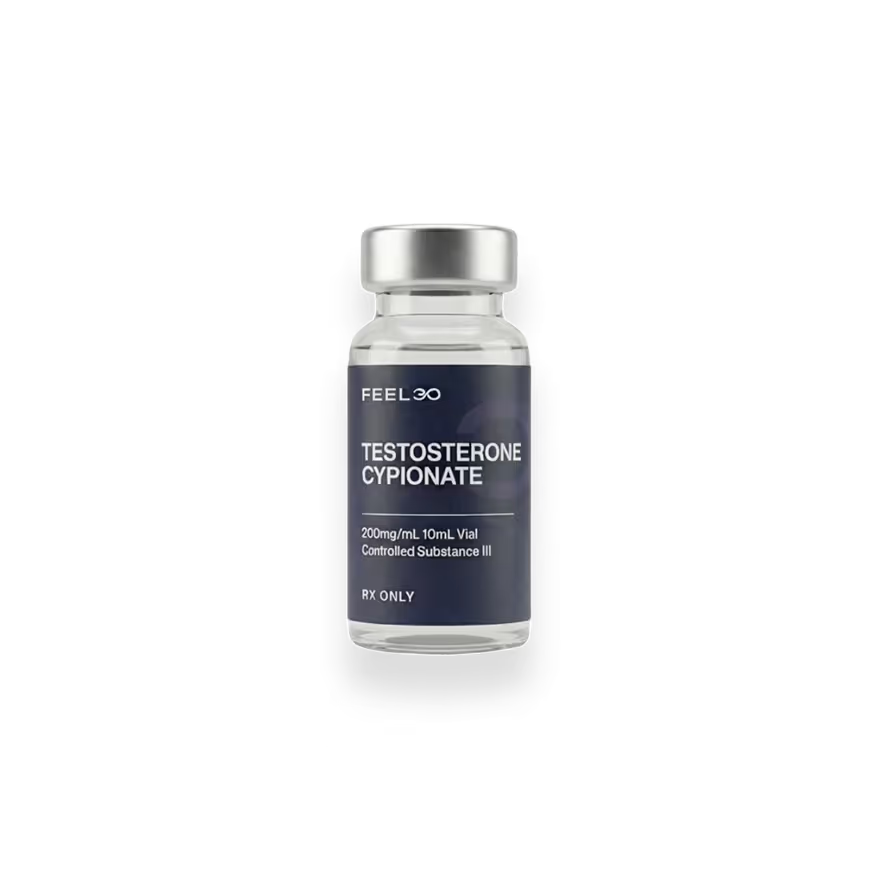
Supports energy, focus, sexual health, and overall wellbeing
Shop NowCaffeine itself doesn't directly increase or predictably decrease hormone levels. However, it can have an impact on hormones through other related factors such as sleep and stress.
Caffeine intake can increase cortisol levels, particularly if you’re consuming it at higher doses or if you’re under stress (Lovallo et al., 2005).
Cortisol is a steroid hormone that’s produced by your two adrenal glands and is famously known as the body’s “stress hormone.” Cortisol is important for energy regulation, but having consistently elevated levels is associated with conditions that may not support optimal testosterone balance. This relationship is shaped by other factors rather than caffeine alone.
Testosterone production is closely tied to sleep quality. Even if you experience short-term sleep restrictions, this has been shown to significantly reduce testosterone levels in healthy men (Leproult & Van Cauter, 2011). Having caffeine later in the day can disrupt sleep cycles, which can reduce both how long you sleep for and how the body recovers.
Elevated cortisol levels compound this effect. Many high-performing men have demanding routines and activities, including long and/or stressful work hours and the responsibility of family life, which may lead to high cortisol levels. Excessive caffeine consumption on top of this can actually reinforce existing stress patterns rather than improve performance – the opposite of what men want caffeine to do.
This isn’t to say you can’t drink coffee if you lead a high-stress life, but it does reflect a broader pattern:
High caffeine intake + poor sleep + chronic stress = an environment that may not support healthy testosterone levels.
Without measuring both testosterone and cortisol through blood work, it's difficult to understand how these systems interact with each other.

As we’ve said, coffee is able to enhance your energy and performance, but it isn't a solution for improving testosterone levels.
Whether you have healthy testosterone levels depends on a range of things, including:
The factors above affect testosterone a lot more than how much caffeine you consume. If you're looking for more evidence-based strategies, our guide on how to raise testosterone covers the habits that matter most. In fact, emerging research suggests that the 30–60 minute period after exercise may influence short-term hormonal responses. Furthermore, high-intensity exercise and resistance training may temporarily influence testosterone and related stress hormones through the body’s adrenergic response – particularly when it’s combined with moderate caffeine intake. However, we need more research to see whether these short-term effects impact long-term testosterone levels in a meaningful way (Wedick et al., 2012).
A cup of coffee may provide men with a temporary boost in energy, but it doesn't address the root causes of low testosterone. In actual fact, if you’re experiencing symptoms of low T such as low mood, fatigue, and brain fog, and you’re drinking more coffee than usual, this may mask underlying issues rather than resolve them.
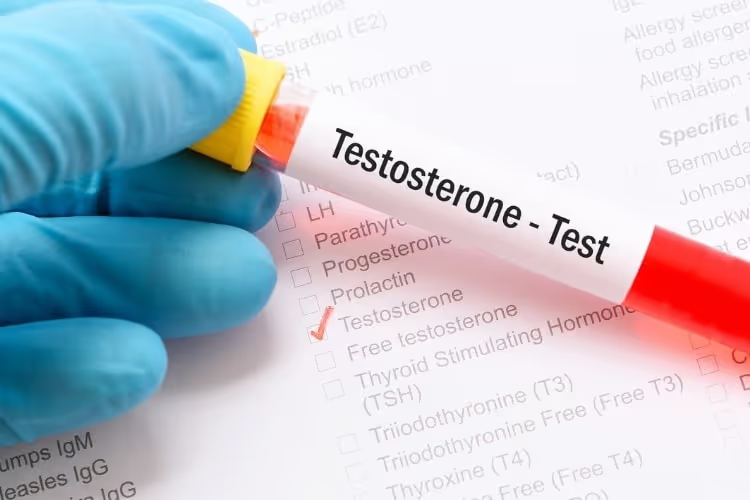
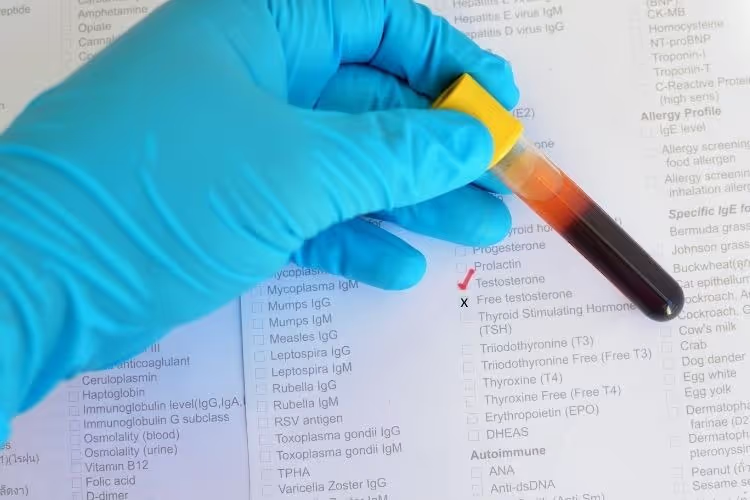
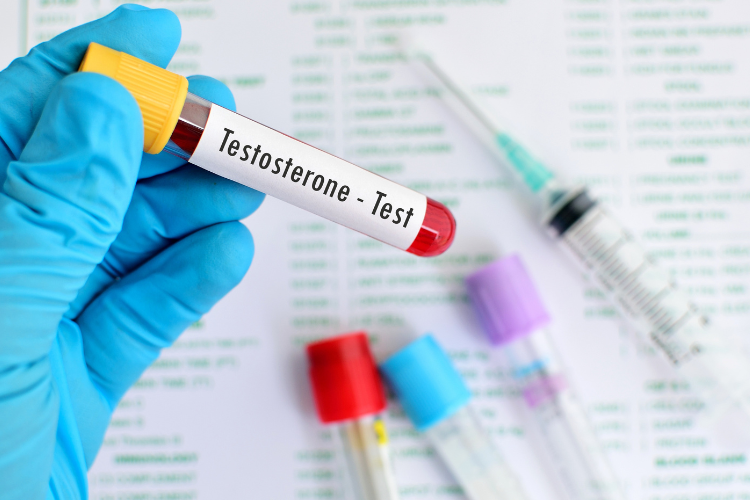
You won’t know whether you’re experiencing low testosterone without blood tests. Bloodwork is the only way to provide a clear view of your testosterone levels, as well as related markers such as cortisol and overall hormone balance. Your health provider needs this data to determine whether lifestyle factors or clinically low testosterone are causing your symptoms.
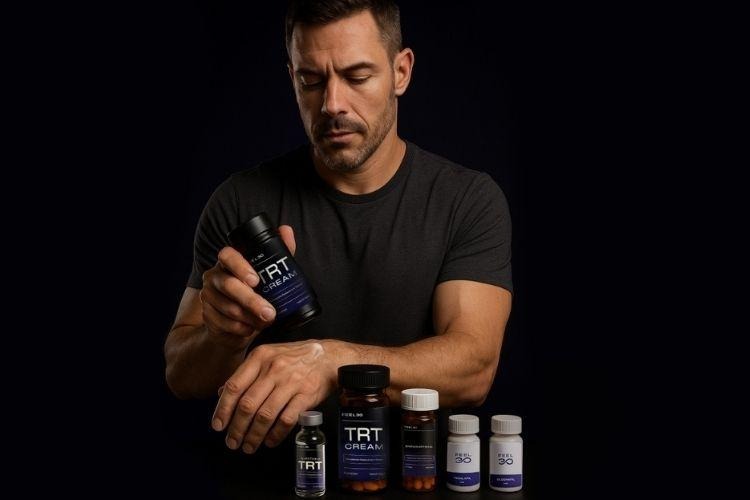
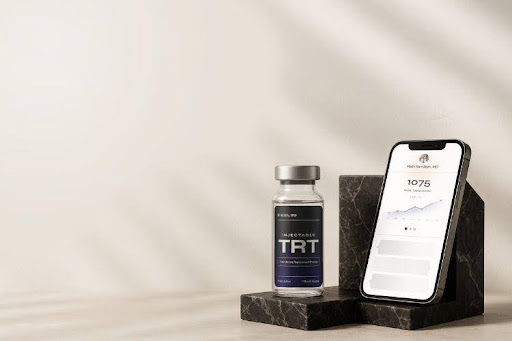
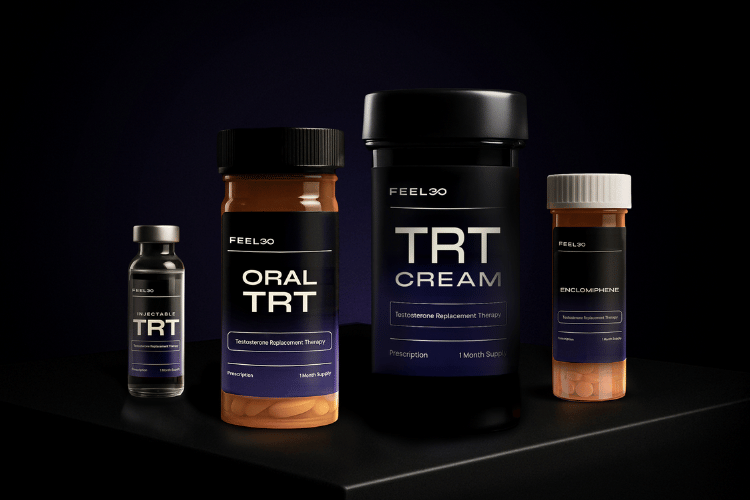
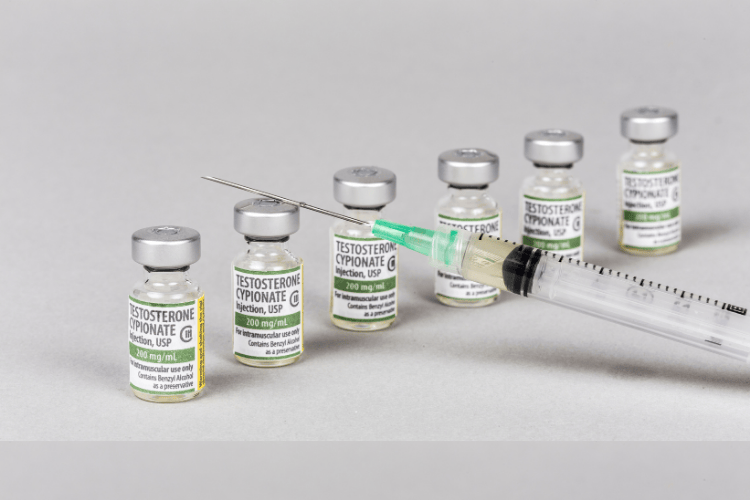
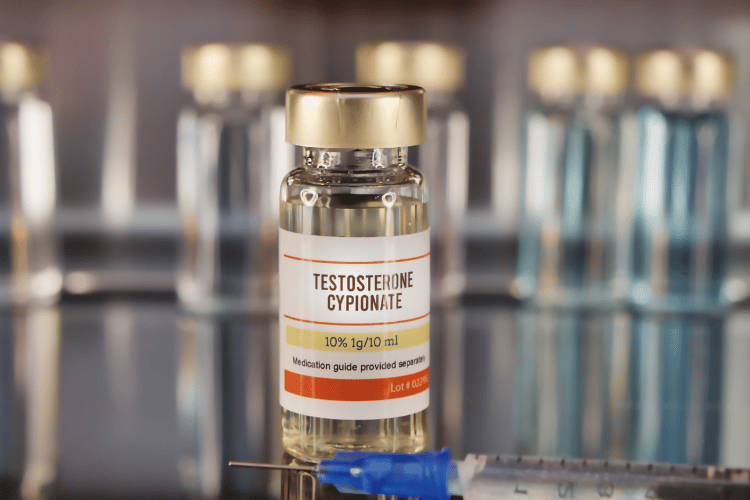
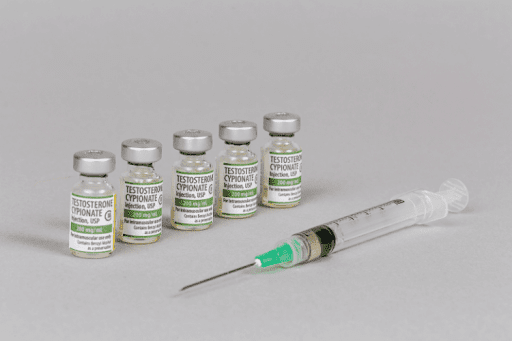
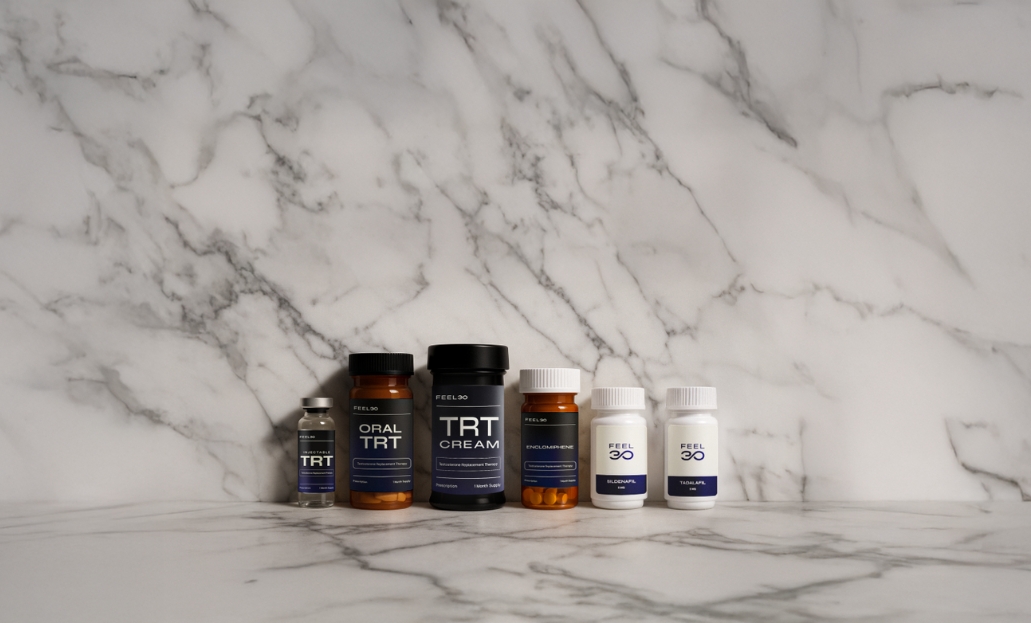
Medical intervention through testosterone replacement therapy is the most effective approach for men with clinically low testosterone. There are many options to restore testosterone levels to a healthy range under professional guidance, such as testosterone cypionate, oral TRT, or enclomiphene (Bhasin et al., 2018). Our article on oral testosterone and injections explains the pros and cons of both methods of administration.
[Photo by Slatan on Canva.]
You can still use coffee strategically as part of a healthy routine. The following advice will help you drink coffee without hurting your testosterone levels.
If you want to lessen the negative effects of drinking coffee, we recommend:
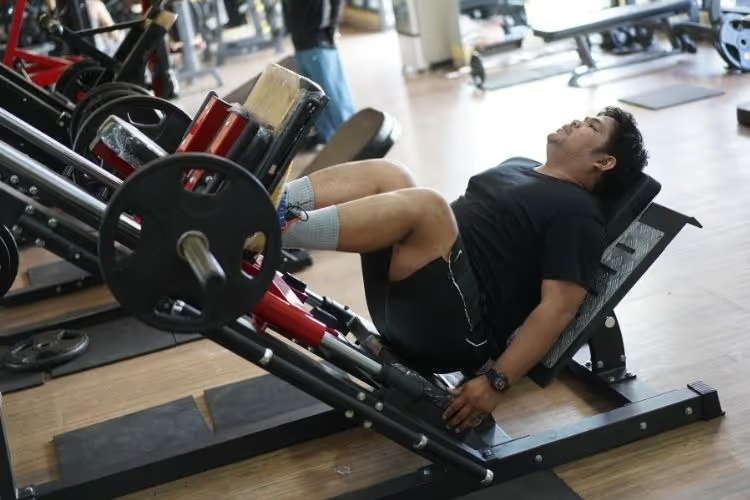
You can drink coffee before exercising to enhance your performance. The science backs this up – research shows caffeine can improve endurance and strength, as well as focus in the short term (Grgic et al., 2019).
The research suggests that coffee may produce increases in testosterone, particularly around exercise, but only in the short term. Caffeine does not increase long-term testosterone levels. That’s why, if you’re experiencing symptoms of low T, it’s important to speak to a professional through your usual healthcare provider or online TRT services.
There is no meaningful difference between black coffee and other forms of coffee in terms of its impact on testosterone.
Most research supports a moderate intake of 200–400 mg per day for healthy adults.
Although coffee may influence energy and alertness (which can help during sexual activity), libido is influenced more strongly by testosterone and overall health.
Coffee has lower additive content and is generally preferable to energy drinks – energy drinks are often too high in sugar content. That said, drinking too much of either can elevate cortisol levels.
Yes, caffeine improves short-term athletic performance. Many men and women choose to use it as part of a pre-workout strategy for a short burst of energy.
Quitting caffeine does not directly boost testosterone. However, caffeine has a stimulating effect, which means that quitting or reducing your intake may improve sleep and reduce stress. This may indirectly support your hormone health.
It’s true that caffeine has a part to play in modern life, offering short-term benefits in focus and energy. However, the effect that caffeine has on testosterone is limited and highly dependent on context – it doesn’t reliably increase testosterone over the long term.
If you’re someone who wants sustained performance and vitality, the foundation is clear: you need quality sleep, proper nutrition, regular exercise (that includes resistance training). You also need to know how to manage your stress effectively. Coffee can complement your lifestyle, but it can't replace it, and too much of it can actually have the opposite effect.
If you’re experiencing symptoms associated with low testosterone, such as fatigue and brain fog, you need a qualified professional to evaluate your hormones through proper blood work. This will give you a more precise starting point than relying on stimulants.
Beaven, C. M., Hopkins, W. G., Hansen, K. T., Wood, M. R., Cronin, J. B., & Lowe, T. E. (2008). Dose effect of caffeine on testosterone and cortisol responses to resistance exercise. International Journal of Sport Nutrition and Exercise Metabolism, 18(2), 131–141.
Bhasin, S., Brito, J. P., Cunningham, G. R., Hayes, F. J., Hodis, H. N., Matsumoto, A. M., Snyder, P. J., Swerdloff, R. S., & Wu, F. C. W. (2018). Testosterone therapy in men with hypogonadism: An endocrine society clinical practice guideline. The Journal of Clinical Endocrinology & Metabolism, 103(5), 1715–1744.
Glover, F. E., Caudle, W. M., Del Giudice, F., Belladelli, F., Mulloy, E., Lawal, E., & Eisenberg, M. L. (2022). The association between caffeine intake and testosterone: NHANES 2013–2014. Nutrition Journal, 21(1), 33. https://doi.org/10.1186/s12937-022-00783-1
Grgic, J., Trexler, E. T., Lazinica, B., & Pedisic, Z. (2019). Effects of caffeine intake on muscle strength and power: A systematic review and meta-analysis. British Journal of Sports Medicine, 53(1), 17–24.
Leproult, R., & Van Cauter, E. (2011). Effect of 1 week of sleep restriction on testosterone levels in young healthy men. JAMA, 305(21), 2173–2174.
Lovallo, W. R., Farag, N. H., Vincent, A. S., Thomas, T. L., Wilson, M. F., & Brackett, D. J. (2005). Cortisol responses to mental stress, exercise, and meals following caffeine intake in men and women. Pharmacology Biochemistry and Behavior, 81(3), 634–641.
Nawrot, P., Jordan, S., Eastwood, J., Rotstein, J., Hugenholtz, A., & Feeley, M. (2003). Effects of caffeine on human health. Food Additives & Contaminants, 20(1), 1–30.
Patil, H., Joshi, O., Savaié, R., Chaudhari, J., Agale, O., & Choudhari, A. (2025). Optimizing testosterone through nutrition: A comprehensive review. International Journal of Public Mental Health and Neurosciences, 12(1), 1–7.
Wedick, N. M., Mantzoros, C. S., Ding, E. L., Brennan, A. M., Rosner, B., Rimm, E. B., & van Dam, R. M. (2012). The effects of caffeinated and decaffeinated coffee on sex hormone-binding globulin and endogenous sex hormone levels: A randomized controlled trial. Nutrition Journal, 11(1), 86.
Take the first step toward renewed energy and confidence with Feel30’s expert care.



4.9 out of 5 · 2,400+ reviews


Always Tired, Gaining Weight? Low T Was the Real Reason
Is Low T Hurting Your Relationship?
This gaming laptop is a powerhouse, equipped with the latest graphics card and a high-refresh-rate display.
Jane Smith
Feel30 has completely changed the game for me. I feel more energized, focused, and confident like I did years ago.
Emily Johnson
This smartphone offers an exceptional camera experience, with stunning low-light performance and vibrant colors.
John Doe
What are you waiting for?
Take the first step toward renewed energy and confidence with Feel30’s expert care.


Feel 30 again with physician-supervised treatment that restores the energy, confidence, and performance you remember. No hassle or hidden fees.