Stay informed with expert insights on testosterone therapy, men's health, and performance optimization.
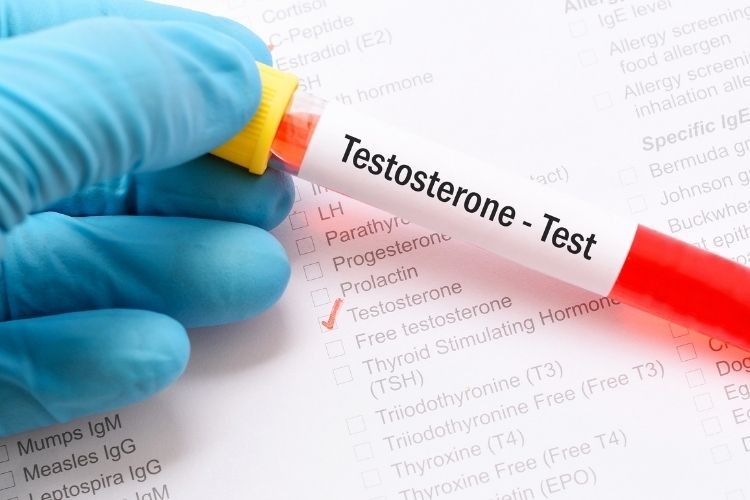
It's widely known that testosterone levels can drop as you age. Despite what you might have been led to believe, there are ways to naturally increase your testosterone levels as you get older. Since testosterone can affect everything from your energy levels to sexual function, this knowledge is of vital importance.
We know your time is a valuable commodity, and not one that you should waste combing through health magazines in search of answers. With that in mind, we've put together this article with reliable information on how to naturally increase your testosterone levels. Without further ado, let's jump in.
Understanding what testosterone is can help you better grasp its impact on your health. This knowledge, in turn, can help you connect the dots between declining testosterone levels and symptoms such as fatigue and decreased muscle mass.
Testosterone is a steroid hormone produced primarily by the testicles. In males, it’s rising testosterone levels that drive the many physical changes of puberty.
In adulthood, testosterone levels can have a direct impact on your physical health, energy levels, and sexual function. Furthermore, research published in the International Journal of Endocrinology shows that testosterone is important for bone mass and muscle strength.
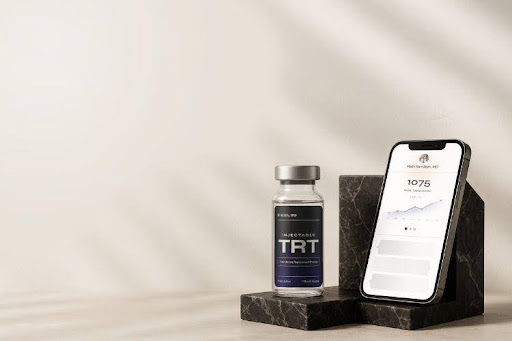
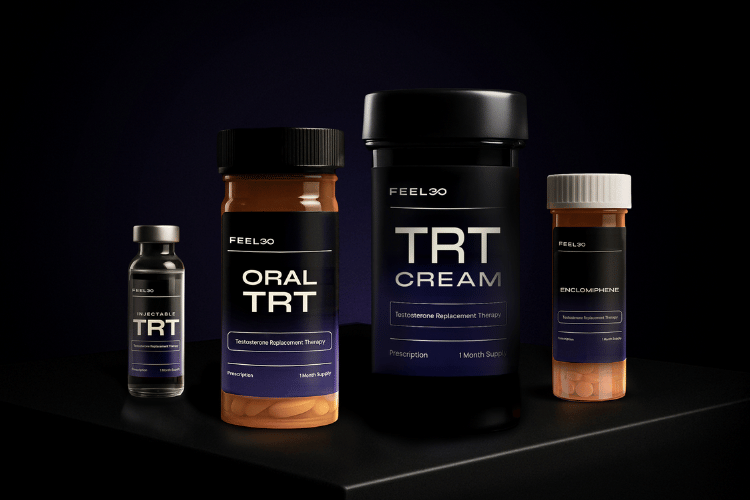
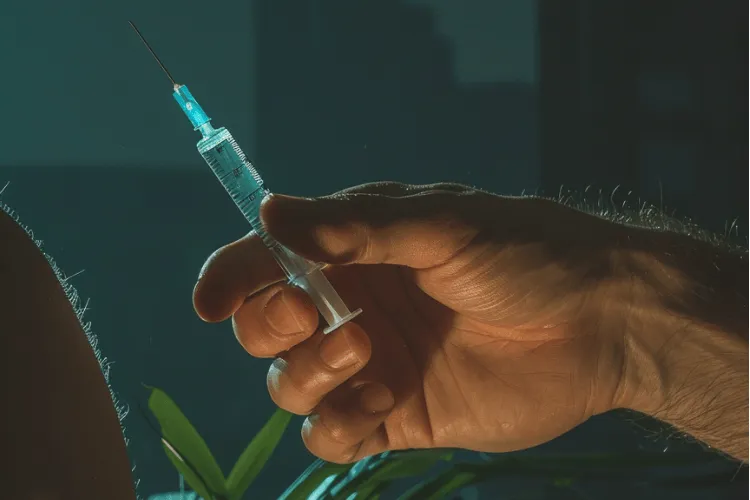
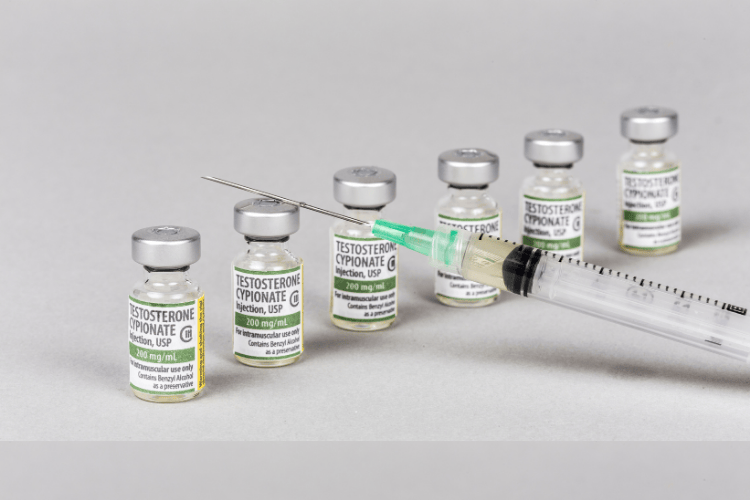
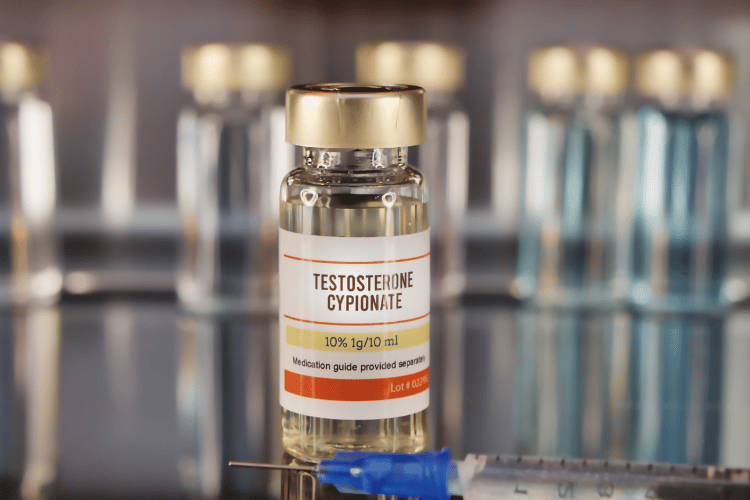
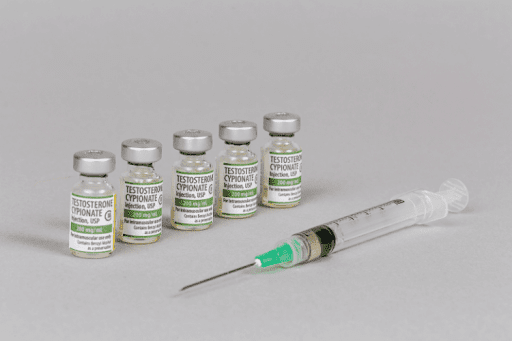
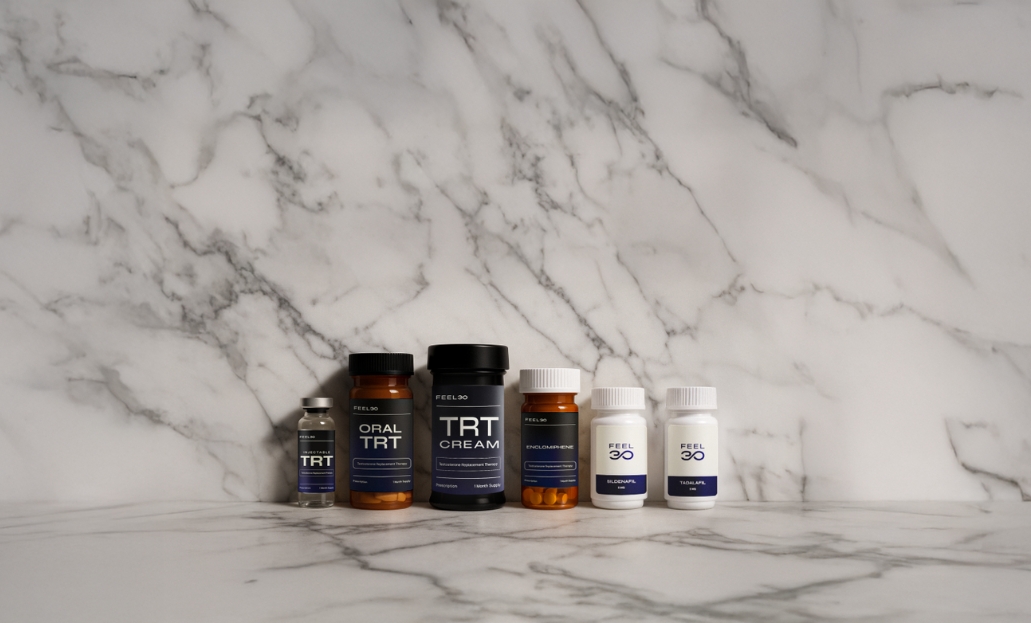
Because this hormone is so important to your health and well-being, it's critical to maintain healthy testosterone levels. This can be done in various ways, including taking enclomiphene, using testosterone creams, testosterone injections, and several natural methods, which we’ll look at shortly.
When your testosterone levels drop too low, you'll likely begin experiencing a variety of symptoms.
One of the most noticeable indications of testosterone deficiency is often a reduced sex drive. In some cases, you might even suffer from erectile dysfunction and a lower sperm count.
A loss of muscle mass can also indicate waning testosterone levels, as can increased body fat and reduced bone density. You may also experience mood changes, including (but not limited to) increased irritability or even depression. You might also find yourself becoming fatigued more easily or with less energy than you used to. Your ability to concentrate could also be affected, resulting in what many refer to as "brain fog".
If you find yourself experiencing some or all of these symptoms, you should consider the possibility that your testosterone levels might be dipping below the norm.

Time for us to share the information you've come here for: how to naturally increase your testosterone levels. We've put together this list of top ways to accomplish this. Keep in mind that, although all of these can help raise testosterone, for people who suffer from hypogonadism (or low T), these nominal increases in testosterone from these activities may not be enough.
A study published in the Journal of Endocrinological Investigation shows that exercise is one of the best ways to naturally increase testosterone. Research published in the Journal of Functional Morphology and Kinesiology also shows that certain types of resistance training (such as weight-lifting) can be particularly helpful for increasing testosterone.
And you don't need to suddenly go all-in on a time-consuming workout regimen. Even just exercising a couple of times a week can improve your situation.
Your diet can affect your health in many ways, and your testosterone levels are no exception. If you're trying to improve your testosterone levels naturally, one of the first steps is adjusting your diet.
According to research published in Nutrients in 2021, increasing dietary protein can support natural testosterone production because protein provides the essential amino acids needed to build hormones and maintain healthy muscle mass, which plays a direct role in hormonal balance.
Higher protein intake helps regulate insulin and blood sugar levels, reducing excess cortisol, a stress hormone that can suppress testosterone when chronically elevated. Higher protein diets also support fat loss and the maintenance of lean muscle, and lower body fat is associated with healthier testosterone levels since excess fat can increase the conversion of testosterone into estrogen.
Vitamin D helps your body make and use testosterone more efficiently, but it doesn’t act like testosterone itself.
It’s most helpful if you’re deficient, because low vitamin D can interfere with hormone signaling, increase inflammation, and reduce testosterone production. If your vitamin D level is already normal, taking more usually won’t raise testosterone further.
If you are deficient, eating foods rich in vitamin D is, without a doubt, the best way to keep your vitamin D levels healthy. Certain types of fatty fish (such as mackerel and salmon) are great sources of both healthy fats and vitamin D. Beef kidney and beef liver are also rich in vitamin D, although they can also be an acquired taste for some people.
Stress can affect everything from your sleep patterns to your immune system. But did you know that it can also affect your testosterone levels? Really, it's true. Long-term stress, in particular, can be especially problematic.
This is because stress of any kind typically triggers the release of cortisol. Cortisol is, similarly to testosterone, a steroid hormone. But unlike testosterone, cortisol is released by your adrenal glands and is specifically involved in your body's stress responses.
When your cortisol levels are too high, your testosterone levels suffer. The best way to combat this is to have a healthy lifestyle. Make sure to eat a balanced diet and get plenty of sleep.

While lifestyle changes and dietary adjustments can help, you might also consider dietary supplements. Certain herbal supplements are believed to help elevate testosterone levels naturally. Zinc supplementation, for example, is believed to help increase testosterone levels. However, these increases in testosterone are minimal and may not have a meaningful improvement on symptoms.
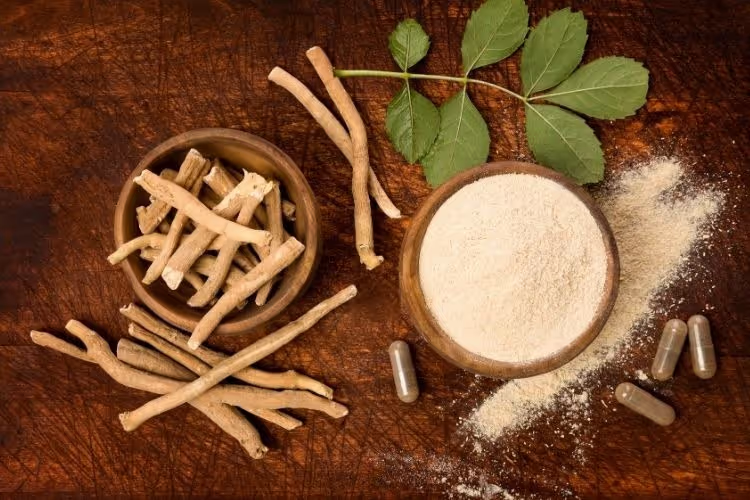
Another study, published in the Journal of the International Society of Sports Nutrition, suggests that supplements such as ashwagandha, ginger, and saw palmetto might also help. Always consult your primary care physician before starting any supplements. They can verify that you won't experience any side effects or interactions with other medications.
We've all pulled an all-nighter from time to time, but if you're suffering from low testosterone levels, it's time for you to prioritize sleep. Not getting enough rest can negatively impact testosterone levels as well as other critical aspects of your overall health. In fact, research published in the World Journal of Urology shows that impaired or poor-quality sleep can be directly linked with testosterone deficiency. Therefore, it's important for you to get plenty of shut-eye.
While further research is needed to pin down the specific relationship between alcohol and testosterone levels, a recent study published in the Korean Journal of Family Medicine indicates that excessive consumption of alcohol can significantly increase the risk of testosterone deficiency. Indeed, evidence published in the Journal of Clinical Medicine suggests that your testosterone levels can actually drop very quickly after drinking alcohol. As such, you should limit your alcohol intake and take care not to overindulge.
Bisphenol-A (BPA) is a chemical most commonly found in the production of certain plastics, typically those used in food packaging and other containers. Why does this matter, you ask?
This industrial chemical has been found to disrupt hormones in our bodies, often specifically testosterone production. The resulting low testosterone levels also often go hand-in-hand with other side effects, such as poor sperm quality.
It’s best to limit your exposure to BPA and other similar chemical compounds.
Healthy sleep, nutrition, and exercise support hormone production and overall health, but they can't correct true hypogonadism, where the body is unable to produce adequate testosterone on its own.
In these cases, hormonal signaling or testicular function is impaired, so lifestyle changes may slightly improve symptoms but are often insufficient to restore normal testosterone levels.
If you've tried increasing your testosterone levels naturally without results, the medical experts at Feel30 can assess your unique needs and determine if our doctor-led testosterone replacement therapy might be able to help. At Feel30, we believe in helping you reclaim the strength and energy levels that you deserve.
With premium support and no hidden fees, Feel30 offers the fastest Start-to-Treatment Time in the TRT industry. And most patients start seeing results within a month, making it an absolute must for those who've tried more natural methods with no success.

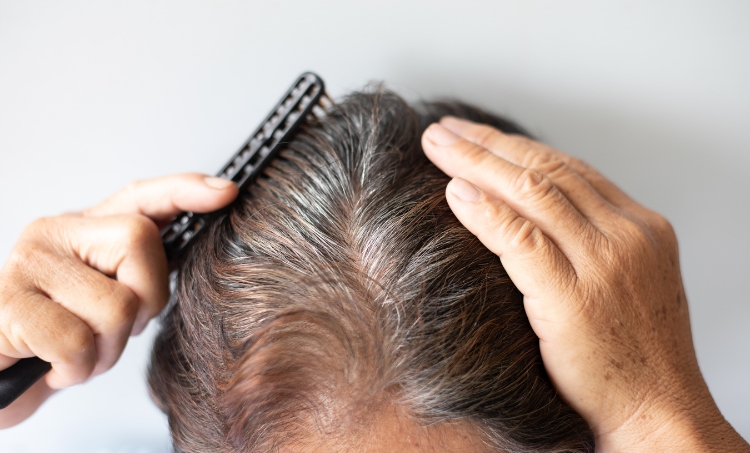
Hair loss can be caused by many factors, but testosterone deficiency can indeed be one of them. Healthy hair growth is typically dependent on a healthy balance of vitamins and hormones within your body. Low testosterone levels specifically can affect your hair follicles, which can lead to hair thinning.
In some cases, your facial hair might be affected as well as your scalp hair. That being said, if you're particularly concerned about your hair loss, it's best to consult an expert. Some conditions (such as Male Pattern Baldness) are caused by factors other than low testosterone.
There is no one cure-all when it comes to low testosterone. However, some popular natural testosterone boosters include vitamin D and zinc as well as ashwagandha, magnesium, and fenugreek. However, these supplements only improve testosterone in those who are deficient in those micronutrients. Certain lifestyle changes can also help increase testosterone production naturally.
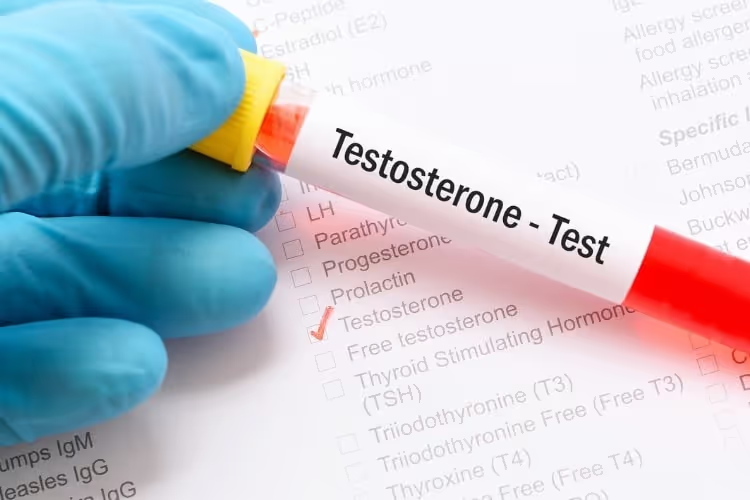
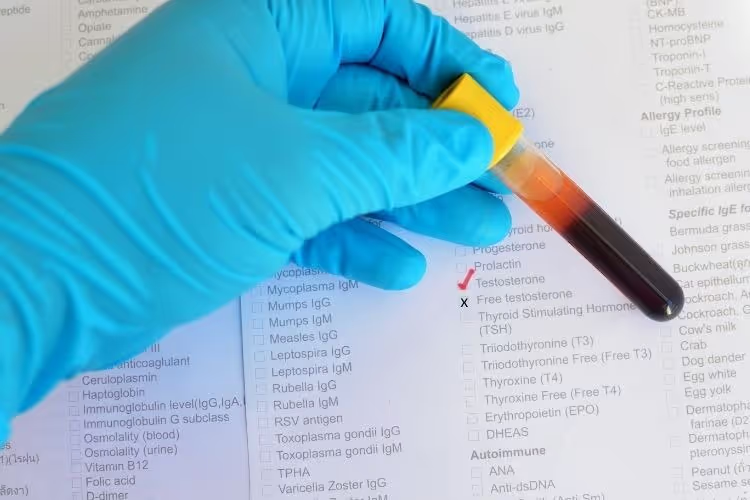
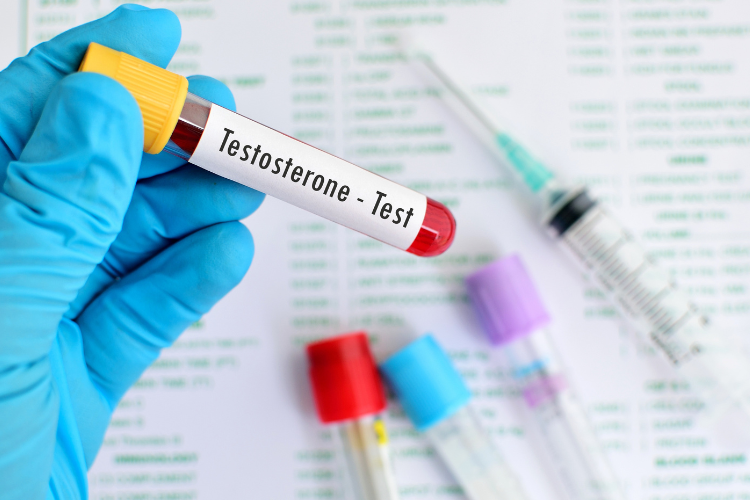
To check your testosterone levels properly, you can order an at-home testing kit, such as those offered by Feel30. These kits arrive quickly and discreetly, allowing you to conduct the required testing from the comfort of your own home.
Healthy testosterone levels are vital for your overall health and well-being. If nothing is done to combat your decreased testosterone levels, in all likelihood, any symptoms you've been struggling with will persist (or even worsen). Symptoms stemming from testosterone deficiency (such as erectile dysfunction, fatigue, reduced libido, and diminished strength) won't improve until the core issue is addressed.
There are meaningful lifestyle changes you can make, such as optimizing sleep, nutrition, exercise, and overall metabolic health, which can support hormone production and may improve symptoms, especially in early or mild cases. Those who have continued symptoms despite lifestyle changes should see a provider for evaluation. Plus, treatments like those offered by Feel30 can help you get back to the healthy, strong version of yourself, so get started today.
Take the first step toward renewed energy and confidence with Feel30’s expert care.




4.9 out of 5 · 2,400+ reviews


Always Tired, Gaining Weight? Low T Was the Real Reason
Is Low T Hurting Your Relationship?
This gaming laptop is a powerhouse, equipped with the latest graphics card and a high-refresh-rate display.
Jane Smith
Feel30 has completely changed the game for me. I feel more energized, focused, and confident like I did years ago.
Emily Johnson
This smartphone offers an exceptional camera experience, with stunning low-light performance and vibrant colors.
John Doe
What are you waiting for?
Take the first step toward renewed energy and confidence with Feel30’s expert care.


Feel 30 again with physician-supervised treatment that restores the energy, confidence, and performance you remember. No hassle or hidden fees.