Stay informed with expert insights on testosterone therapy, men's health, and performance optimization.
If you've ever had a testosterone test, you'll know how confusing those numbers are to interpret. Words like free testosterone, total testosterone, and bioavailable testosterone are mentioned, but most men aren't told what they actually mean for energy, mood, sex drive, and overall health.
We’re going to break down free testosterone vs total testosterone in clear terms. You'll learn how a testosterone blood test is interpreted, the signs that may point to low testosterone, and when treatment is necessary.
Testosterone is the primary male sex hormone, and it plays a role in more than just sex drive. Healthy testosterone levels help support:
It's a vital hormone, and even slightly low testosterone levels can lead to symptoms like fatigue, low libido, reduced focus, and erectile dysfunction. Doctors rely on a blood test to understand what's really happening.
Research published in Aging Clinical and Experimental Research shows that when doctors talk about free testosterone vs total testosterone, they're really comparing how much testosterone is in your body with how much your body can actually use. Both numbers matter, but they tell slightly different stories. When you take a testosterone test, the lab usually measures total testosterone levels first, because it gives a broader view of how much testosterone is circulating in your blood.
Total testosterone represents all the testosterone in your blood. But, here's the key detail people don't realize: not all the testosterone is actually usable. A study published in The Journal of Steroid Biochemistry and Molecular Biology shows that most testosterone is testosterone bound to proteins in the bloodstream, such as sex hormone binding globulin (SHBG) and albumin (a common blood protein).
When testosterone is bound, it's essentially inactive. And while normal total testosterone levels look fine on paper, your body could still be running low on the testosterone it can actually use.
Free testosterone is that small portion that's not bound to proteins. This is the biologically active form. Yes, it makes up a tiny percentage of all the testosterone, but it has a huge impact on:
That's why doctors often compare total and free testosterone together rather than relying on just one number.
You might have heard the term bioavailable testosterone. It includes:
Research published in The Journal of Clinical Endocrinology and Metabolism found that tissues can still use albumin-bound testosterone, and that free and bioavailable testosterone together give a clearer picture of real hormone activity.

Sex hormone binding globulin, or hormone binding globulin (SHBG), controls how much testosterone is bound versus what's available and usable.
When SHBG levels are high, more testosterone becomes bound testosterone. Free testosterone levels drop, and you might feel symptoms of low T even with normal total testosterone.
If SHBG levels are low, free testosterone will appear higher. According to research published in the Transactions of the American Clinical and Climatological Association, underlying medical condition issues such as insulin resistance or liver disease could be involved. This is why experienced healthcare providers look at the full hormone picture and not just one number on a lab sheet.
Men often ignore early symptoms and assume they're just part of aging or stress. The signs of a testosterone deficiency include:
When these appear alongside low free testosterone or low total testosterone, doctors will test for conditions like primary hypogonadism and hormone disorders.
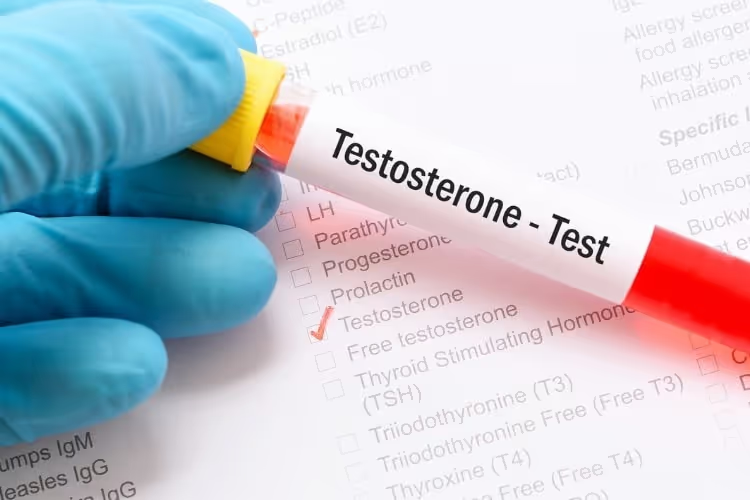
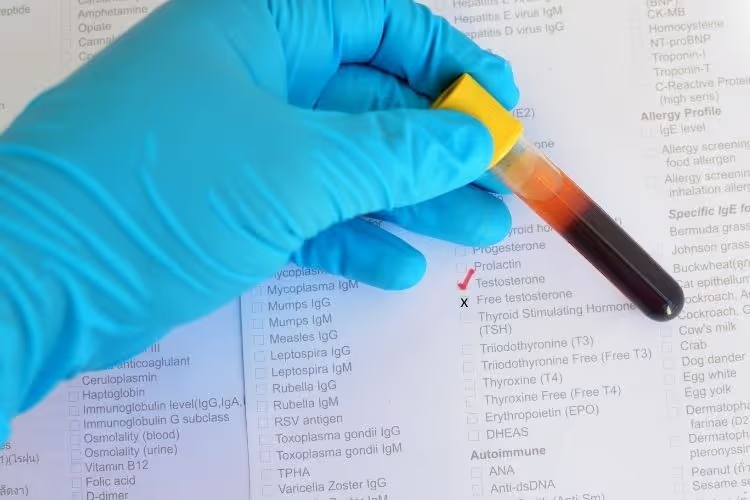
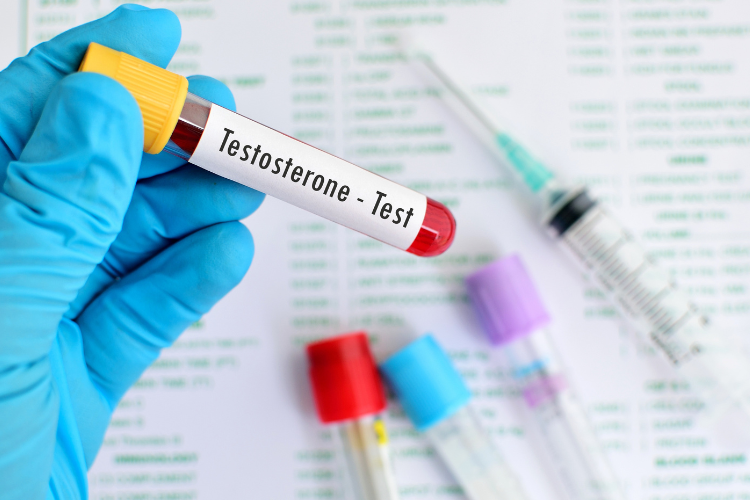
The testing process is very straightforward and carries very little risk. Here's how it works:
Testosterone production follows a rhythm, and testing is often done in the morning. If any test results are borderline or abnormal, doctors will order further testing.
This is where things get tricky, because there isn't just one universal normal range. Different labs use different reference ranges, and interpretation ultimately depends on:
Clinical guidelines from organizations like the Mayo Clinic state that a diagnosis of low testosterone should always include:
Remember, numbers alone are never the full story.

Feel30 has a smart, medical-first approach to treating low testosterone. Treatment is only offered after:
One of the most important things to remember about testosterone is that numbers only tell part of the story. How you feel day to day — your energy, focus, mood, and sex drive — matters just as much as what shows up on a blood test. That’s why looking at both total testosterone and free testosterone gives a more complete picture of real hormone health.
When testing, symptoms, and medical guidance all come together, men can make clearer, more confident decisions about their next steps. With the right support and a personalized approach, improving testosterone levels becomes less about guesswork and more about long-term health and balance.
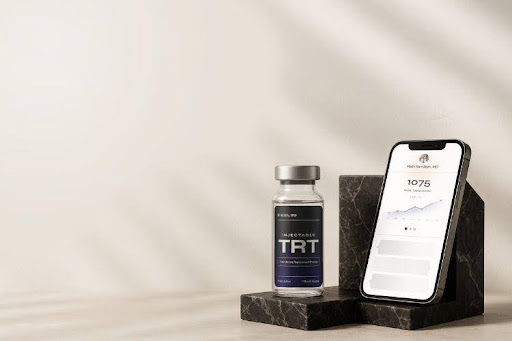
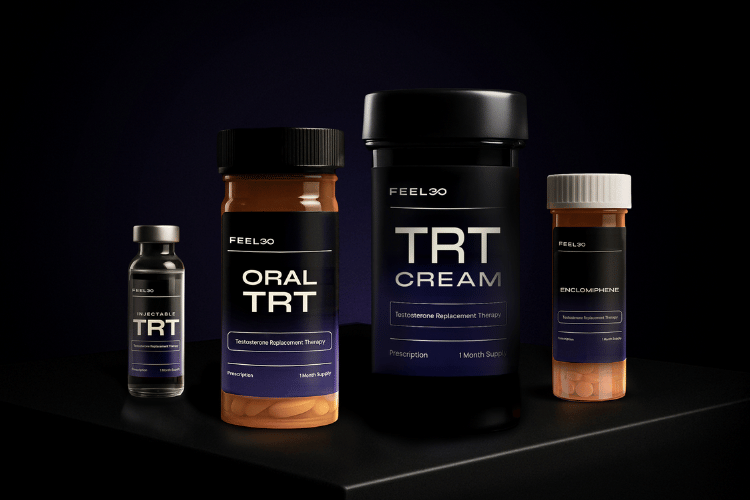
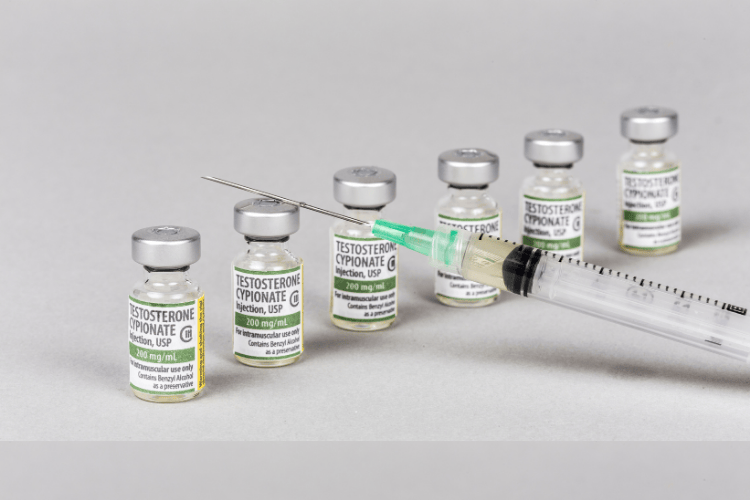
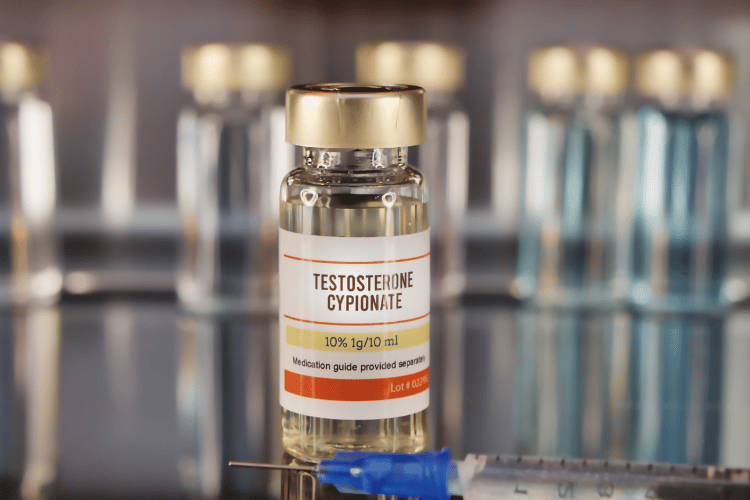
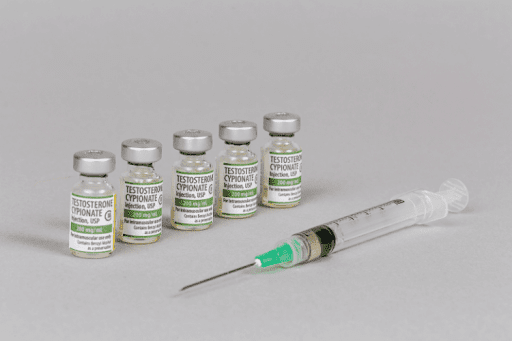
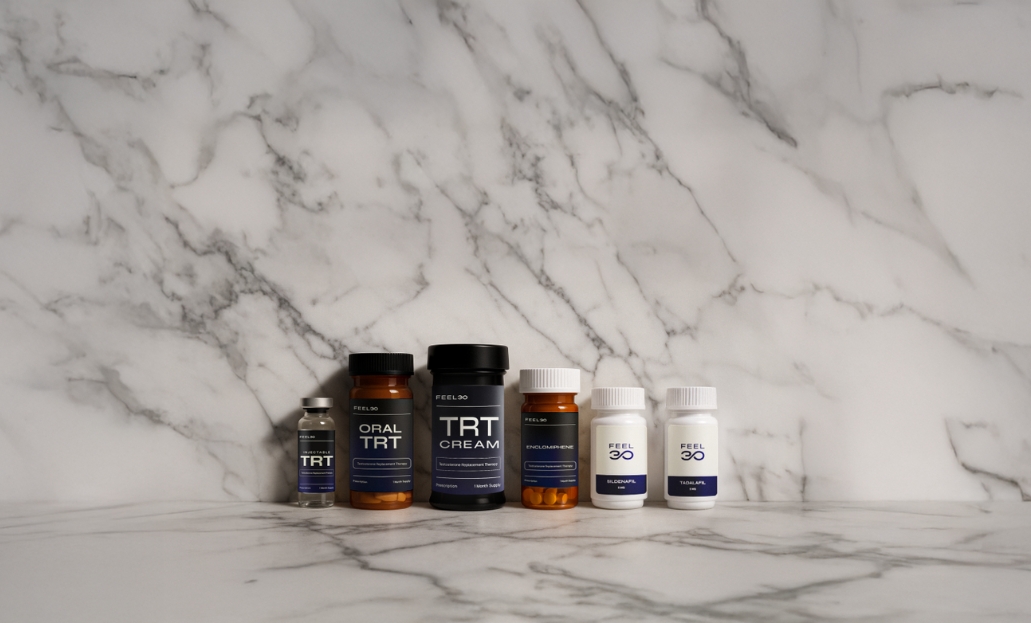
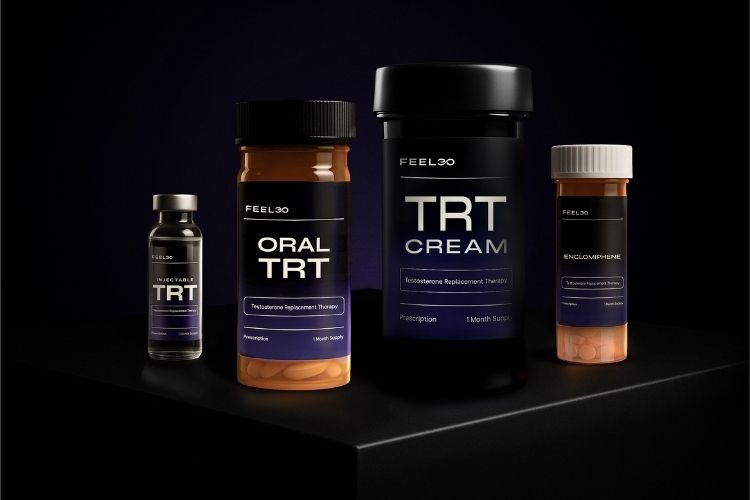
Testosterone Cypionate is an injectable form of testosterone replacement therapy used when the body's natural testosterone production is no longer sufficient. By increasing total testosterone levels and supporting healthy free testosterone, it can help improve sex drive, mood, strength, and muscle mass. Dosing should match each person's unique biology, and treatment is followed up with testosterone blood test checks after 30 days.
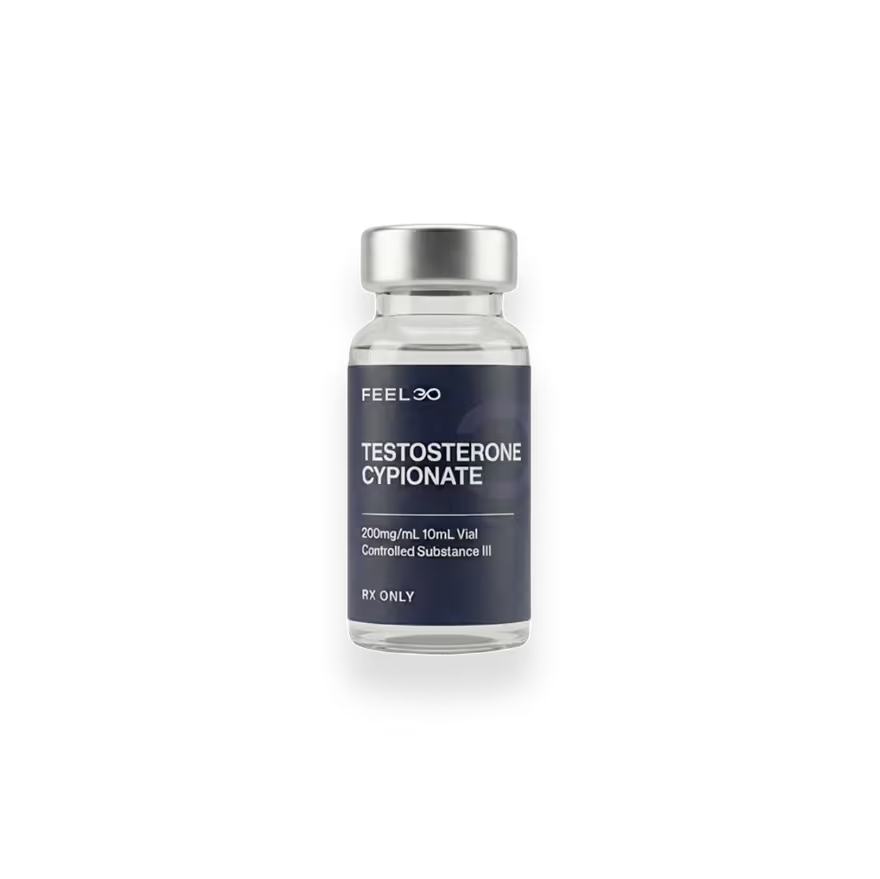
Supports energy, focus, sexual health, and overall wellbeing
Shop NowTestosterone cream is a topical option that delivers testosterone through the skin and into the bloodstream at a steady rate. Men choose this option because it avoids injections while still supporting balanced free testosterone levels. Regular monitoring also ensures testosterone levels remain in a normal range without drifting too high or too low.
Oral TRT is one of the more convenient options that fits easily into daily routines. Controlled absorption helps maintain stable total and free testosterone while reducing the risk of abnormal testosterone levels. Supervision from a healthcare provider is important.
Unlike traditional TRT, enclomiphene works by signaling the body to increase its own natural testosterone production rather than replacing the hormone directly. It also helps raise free and bioavailable testosterone while preserving fertility.
Disclaimer: Feel30 only gives TRT to patients who need it based on a blood test.
Total testosterone measures all the testosterone in the blood, including the portion that is testosterone bound to proteins such as sex hormone binding globulin and albumin. Free testosterone, on the other hand, reflects the small amount that's not bound and is immediately available for the body to use.
Both are important, but free testosterone levels line up more closely with real-world symptoms like fatigue, reduced sex drive, and lower muscle mass. Doctors and clinicians evaluate total and free testosterone together instead of relying on a single number from a testosterone levels test.
Yes. And this happens more often than men realize. If SHBG levels are higher, a large share of testosterone becomes bound testosterone. In turn, the amount of free or bioavailable testosterone decreases. A full testosterone blood test that includes free and bioavailable testosterone helps clarify what's really going on.
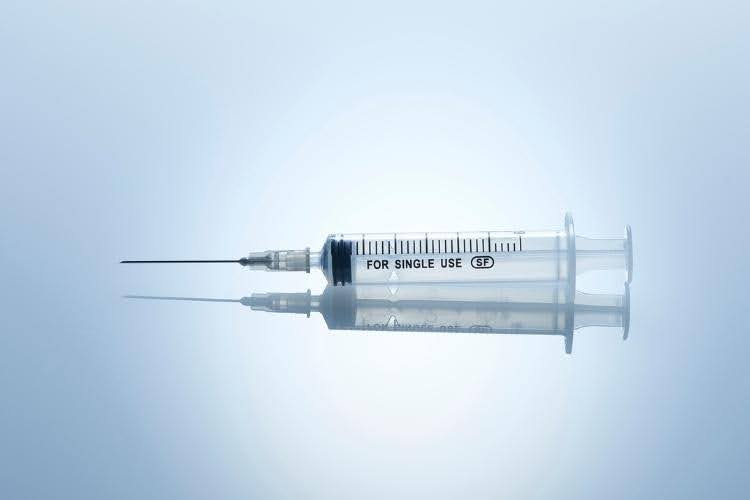
Yes. A testosterone test is a routine procedure involving a blood draw using a small needle to collect a blood sample. The process has very little risk, and most people experience only slight discomfort or mild bruising.
Treatment is only recommended with clear symptoms of a testosterone deficiency that match consistently low testosterone levels confirmed by repeat blood testing. Clinical groups such as the Endocrine Society emphasize that lab values and a patient's symptoms should be evaluated together. A healthcare provider will review test results, medical history, and any underlying medical condition factors before recommending testosterone replacement therapy or another form of hormone therapy.
No. Feel30 follows a medical-first model, and therapy is only given when blood test results, symptoms, and a healthcare provider support treatment. This careful approach helps avoid any unnecessary hormone therapy and ensures that men who truly need treatment and support for low T get safe, personalized care.
Understanding free testosterone vs total testosterone is about more than reading numbers on a lab report. It’s about figuring out how your body is actually functioning day to day. While total testosterone shows how much hormone is present in the blood, free testosterone reveals how much is truly available to support energy, mood, sex drive, strength, and overall well-being. Looking at both, along with factors such as SHBG levels and bioavailable testosterone, gives you a far better picture of real hormone health.
When you understand the balance between total and free testosterone, you’re better equipped to take control of your health, ask the right questions, and choose the path that supports your health and well-being.
That’s where a medical, personalized approach matters most. Feel30 focuses on accurate testing, thoughtful interpretation of test results, and treatment only when it’s genuinely needed. The goal isn’t simply higher testosterone levels: it’s helping men feel like themselves again in a safe, sustainable way.
Take the first step toward renewed energy and confidence with Feel30’s expert care.




4.9 out of 5 · 2,400+ reviews


Always Tired, Gaining Weight? Low T Was the Real Reason
Is Low T Hurting Your Relationship?
This gaming laptop is a powerhouse, equipped with the latest graphics card and a high-refresh-rate display.
Jane Smith
Feel30 has completely changed the game for me. I feel more energized, focused, and confident like I did years ago.
Emily Johnson
This smartphone offers an exceptional camera experience, with stunning low-light performance and vibrant colors.
John Doe
What are you waiting for?
Take the first step toward renewed energy and confidence with Feel30’s expert care.


Feel 30 again with physician-supervised treatment that restores the energy, confidence, and performance you remember. No hassle or hidden fees.