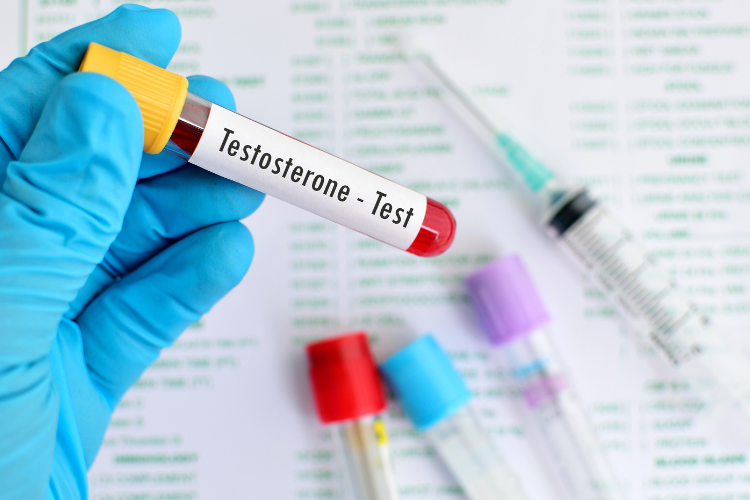
Stay informed with expert insights on testosterone therapy, men's health, and performance optimization.

If you’ve been on medically supervised testosterone replacement therapy (TRT) for some time and you’ve started noticing positive results, you probably want to relax a little. Maybe enjoy an alcoholic drink with some friends. But is it safe to drink when you’re on testosterone therapy?
Some men enjoy an alcoholic drink to relax or for socializing. If you're on TRT you don't have to stop drinking. The differentiators are how much and how often you drink. Alcohol and testosterone interact in ways that can impact the results of your treatment.
In general, alcohol consumption isn’t a contraindication for most men on TRT. However, whether it is appropriate for you to drink depends on your overall health, medications, and other individual risk factors. This article explores how alcohol affects testosterone levels and TRT.
Being on TRT doesn’t automatically mean you have to avoid alcohol. For most men without other reasons to avoid alcohol, light to moderate drinking (one or two drinks) occasionally is generally compatible when they’re on testosterone therapy. However, we don't recommend drinking alcohol every day or binge drinking.
Drinking alcohol isn't the only thing in your daily routine that can work against your testosterone levels. Diet also plays an important role in hormone health. Explore our guide to the foods and eating patterns that research has linked with testosterone levels.
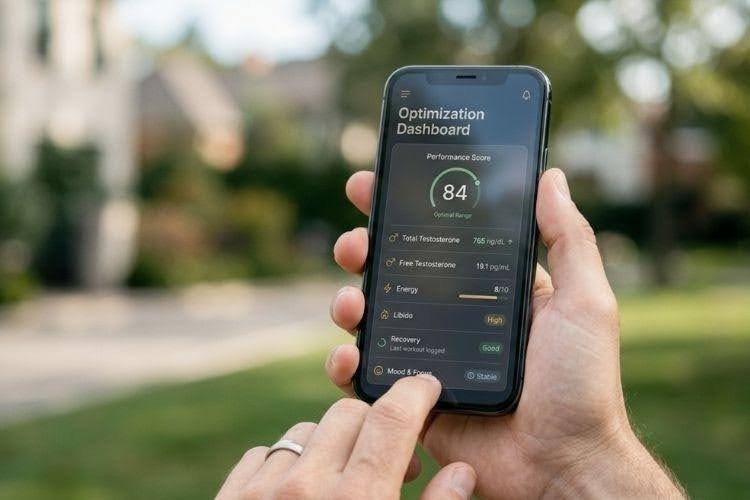
Heavy or chronic alcohol use suppresses your body's natural testosterone production. It disrupts signals from the brain by reducing the release of gonadotropin-releasing hormone and luteinizing hormone that tell the testes to make testosterone.
Chronic drinking is associated with lower testosterone levels (Santi et al., 2024). For a man who's experiencing the symptoms of low testosterone and who isn't on TRT, it can be detrimental.
When you take exogenous (external) testosterone like TRT, it sends a signal that tells your brain to lower your own natural testosterone synthesis.
Because TRT suppresses your body’s natural testosterone production, alcohol’s effects on that production are generally less clinically relevant while you’re on TRT. However, alcohol can still affect other aspects of hormones and overall health that influence how you feel during treatment. This applies more before you start or if you decide to stop treatment and when your own production needs to recover.
Heavy or chronic alcohol use may affect estrogen levels and aromatase activity. Aromatase is the enzyme that converts testosterone into estrogen. When aromatase activity increases, more testosterone can be converted to estrogen in some people, although this does not occur to the same extent in all men. Research has also found an association between alcohol consumption and higher estradiol levels in men (Finelli et al., 2022; Santi et al., 2024).
Changes in the balance between testosterone and estrogen may contribute to symptoms such as increased body fat, although these symptoms are influenced by many other hormonal, metabolic, and lifestyle factors.
Beer is sometimes singled out because hops contain compounds with estrogen-like activity, particularly the phytoestrogen 8-prenylnaringenin. However, these compounds occur at relatively low concentrations in beer, and research suggests that the amounts normally present are unlikely to produce meaningful estrogenic effects. This means the amount and pattern of alcohol consumption are generally more relevant than whether the alcohol comes from beer or spirits (Milligan et al., 1999).
Drinking alcohol can increase cortisol, the body's primary stress hormone. Research suggests that higher alcohol intake contributes to higher cortisol levels in men (Yang et al., 2021). Chronically elevated cortisol can suppress the body's natural testosterone production and shift the body toward a more catabolic state, which can contribute to muscle breakdown and make it harder to maintain lean mass.
Persistently elevated cortisol may also impair recovery, affect mood, and reduce energy. These effects can work against some of the improvements you may be hoping to achieve while on TRT.
Most standard TRT formulations, including newer oral testosterone pills, are not known to cause the serious liver toxicity associated with certain older oral testosterone treatments. However, the liver processes alcohol and hormones. Regular or heavy drinking impacts your liver health and can impair hormone balance, including estrogen clearance. Being honest with your provider about your alcohol intake helps them determine whether liver function testing or other monitoring is appropriate and how often it may be needed.
When you consume alcohol close to bedtime, it changes the structure of your sleep. It may help you fall asleep faster and into deeper sleep early in the night, but it reduces REM sleep and disrupts your sleep quality during the second part of the night (McCullar et al., 2024).
Poor sleep can interfere with your body’s natural testosterone production. While TRT provides testosterone exogenously, disrupted sleep can still affect recovery, energy, mood, and overall well-being, making it harder to experience the full benefits of treatment.
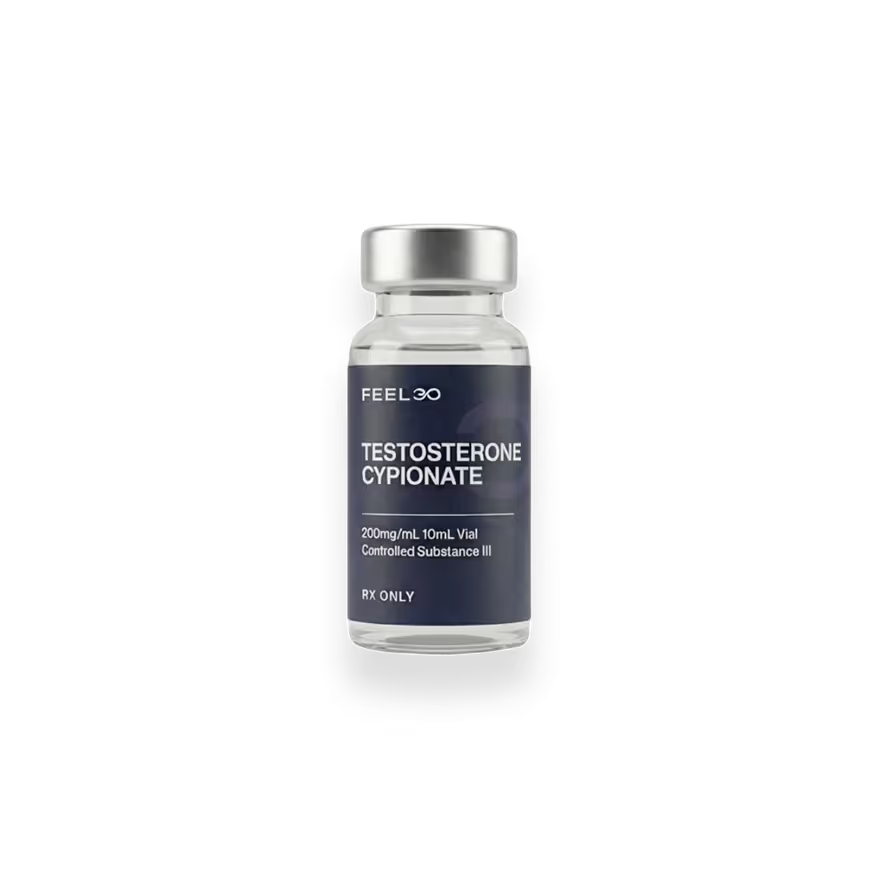
Supports energy, focus, sexual health, and overall wellbeing
Shop NowYes. Hormone replacement therapy delivers testosterone directly, so alcohol can’t reduce the amount of testosterone in your medication. It's also less relevant to your body's natural testosterone production, which is suppressed due to your body's normal feedback mechanisms while on TRT.
Even so, alcohol can still affect how well you feel and respond to treatment. Drinking regularly or heavily may disrupt hormone balance, strain the liver, disrupt sleep, encourage fat gain, and slow recovery after exercise.
TRT can raise hematocrit, or the proportion of red blood cells in your blood. This is a well-known part of therapy, which is why supervised care includes regular blood work: your provider tracks hematocrit and can adjust your dose or treatment early. When a provider handles it this way, it's a routine part of being on TRT and not something to worry about.
Alcohol is a diuretic, so it pushes fluid out and leaves you dehydrated. Dehydration reduces plasma volume, which concentrates the blood and can temporarily make hematocrit appear higher. This is not a true increase in hematocrit and usually corrects once you are adequately hydrated.
For people on TRT, staying hydrated is especially important. While an occasional drink isn’t likely to cause problems for most men, frequent or heavy drinking can make hematocrit results more difficult to interpret accurately and may compound other effects of alcohol, such as poor sleep and slower recovery. Keep up with the hematocrit checks your provider orders. If you want to understand what your labs are tracking, read about the side effects of testosterone therapy so the monitoring makes sense.

Obstructive sleep apnea is a condition in which the upper airway narrows or closes repeatedly during sleep. This causes brief pauses in breathing, disrupts sleep, and can leave you feeling tired or unrefreshed the next day.
Alcohol and, in some men, TRT may worsen this condition. Alcohol relaxes the muscles that help keep the upper airway open, making it more likely to collapse during sleep. Alcohol use has also been associated with a higher risk of obstructive sleep apnea (Simou et al., 2018).
Testosterone replacement therapy may worsen sleep apnea in men with severe or untreated sleep apnea. For this reason, providers may screen for sleep apnea before and during treatment, particularly in men with untreated or severe symptoms (Bhasin et al., 2018). With appropriate evaluation and monitoring: sleep apnea may need to be addressed before starting TRT, but it doesn’t necessarily mean a man can’t receive treatment.
Regular alcohol use with untreated sleep apnea may further disrupt breathing and fragment sleep, working against improvements in energy and recovery. Tell your provider if you snore heavily, wake feeling unrefreshed, experience daytime sleepiness, or have been told that you stop breathing during sleep.
Alcohol adds calories with little nutritional value and disrupts the sleep you need for muscle repair. It can make it harder to improve body composition. Heavy or frequent drinking may also interfere with muscle protein synthesis and increase inflammation. This can potentially slow recovery after exercise. Inflammation may also affect joint comfort and mobility; our guide to TRT and joint pain explores the relationship between testosterone, inflammation, and joint health in more detail.
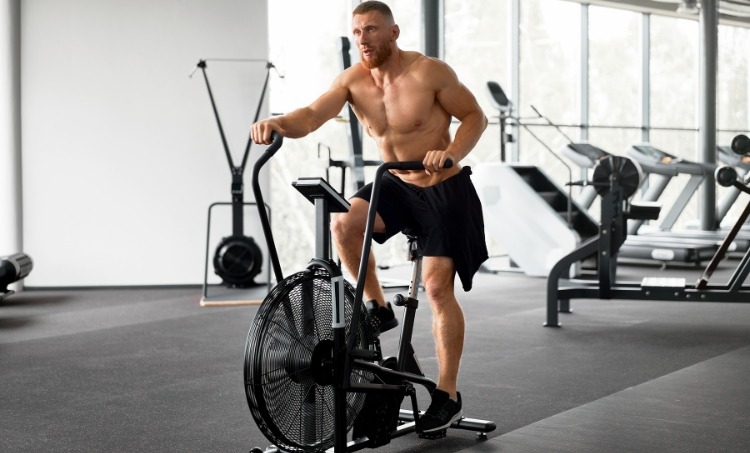
This doesn’t mean you must avoid alcohol entirely to progress. If body composition and recovery are priorities, keep your alcohol intake moderate, avoid binge drinking, and support your training with enough sleep, hydration, protein, and recovery time. Regular exercise supports muscle growth, metabolic health, recovery, and overall well-being, helping you get the most from TRT.

There's no perfect number to target, but health experts recommend moderation. For men, moderate drinking has long been defined as approximately 12 oz of 5% beer, 5 oz of 12% wine, or 1.5 oz of 40% spirits, and the latest federal guidance emphasizes that less is better for your health (U.S. Department of Health and Human Services & U.S. Department of Agriculture, 2025). If you choose to drink, keeping your intake within recommended limits and having several alcohol-free days each week can help reduce alcohol’s potential impact on your health and TRT.
Binge drinking is more likely to result in negative effects than moderate drinking. Heavy spikes in alcohol are what most strongly raise cortisol and disrupt hormonal balance. If you're going to drink, spreading it out over a longer time interval and keeping it to one or two drinks is better for your hormones than saving it all for one big night. The same moderation that protects your labs also protects the mood and energy gains you came to therapy for. It sits naturally alongside the other ways to increase testosterone your provider may recommend.
If you want to enjoy alcohol without undoing your progress, a few habits make a real difference:
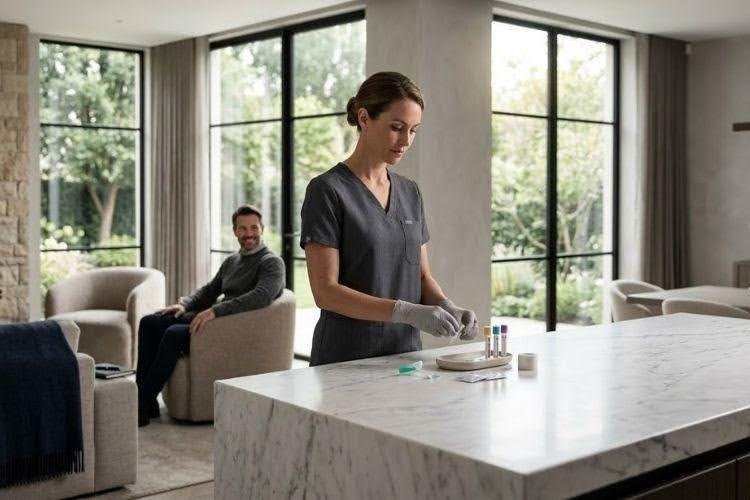
If you find it hard to keep alcohol moderate, or you are drinking daily, it is worth raising with your provider. Regular heavy drinking works against TRT and can affect your liver, blood pressure, heart, and sleep, all of which your provider is already helping you manage.
Being honest about your drinking helps them tailor your treatment and monitoring to your real life, and there is no judgment in it. If you are still weighing treatment, the same conversation is a good place to ask about starting TRT from home and what monitoring looks like day to day.
Yes. Most men on TRT can drink alcohol in moderation without needing to abstain completely. You don't need to quit drinking if your intake is moderate. The issue is heavy or daily drinking, which works against your hormones, sleep, and recovery.
Alcohol can reduce the body’s natural testosterone production, especially with heavy or chronic use (Santi et al., 2024). On TRT, this effect is generally less relevant because exogenous testosterone already suppresses natural production through normal feedback mechanisms. However, alcohol can still affect estrogen, cortisol, sleep, and recovery, making it more difficult to experience the full benefits of treatment.
It can. Even though alcohol does not lower the testosterone you inject or apply, heavy drinking disrupts sleep, hormone balance, strains the liver, and encourages fat gain, all of which reduce the benefits you feel from therapy.
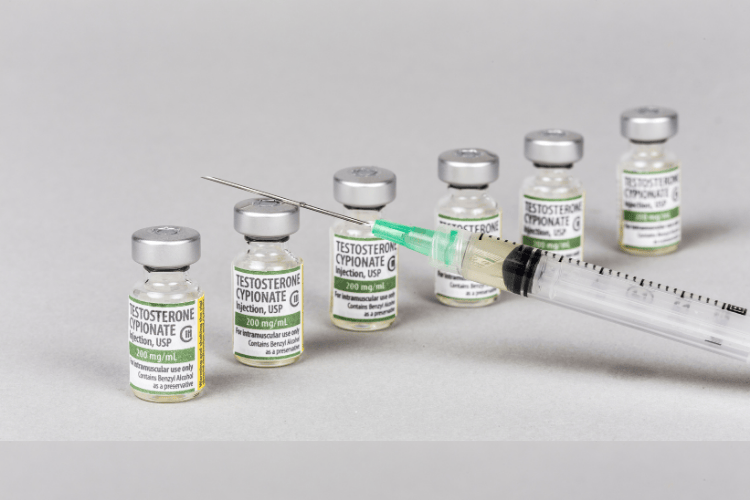
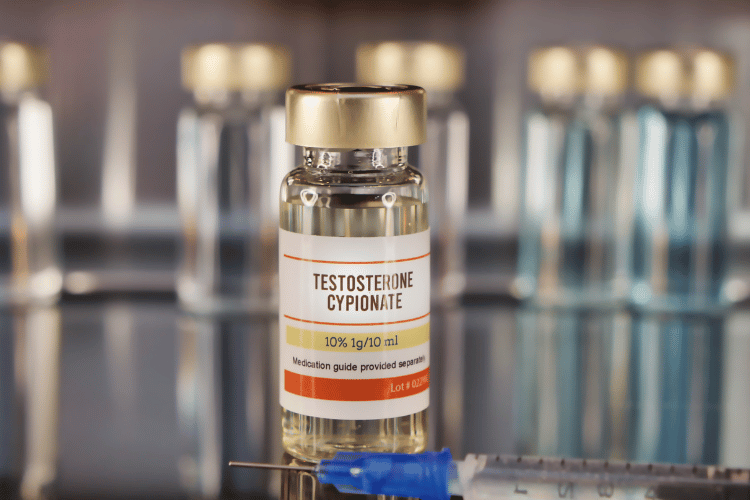
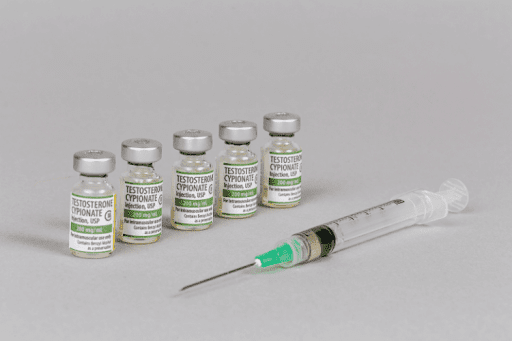
There is no strict waiting period, since alcohol does not directly interact with injected testosterone cypionate or other formulations. The more useful rule is to keep alcohol moderate overall rather than timing it around your injection.
Not directly. Although hops contain plant compounds with estrogen-like activity, the amounts found in beer are not thought to have meaningful hormonal effects in men. Alcohol itself is more relevant because it may affect aromatase activity and hormone balance.
You can drink on TRT, but how much and how often decides whether alcohol quietly works against your therapy. You don't have to stop drinking because of TRT; the occasional drink is fine for most men. Heavy or daily drinking is where the trouble starts. Keep it moderate, protect your sleep, stay hydrated, and on top of your labs, and you can enjoy a drink while still getting everything you came to TRT for. Contact us to find out more about the relationship between TRT and alcohol. A healthcare provider can walk you through what it takes to start TRT and how alcohol fits into the plan.
Bhasin, S., Brito, J. P., Cunningham, G. R., Hayes, F. J., Hodis, H. N., Matsumoto, A. M., Snyder, P. J., Swerdloff, R. S., Wu, F. C., & Yialamas, M. A. (2018). Testosterone therapy in men with hypogonadism: An Endocrine Society clinical practice guideline. The Journal of Clinical Endocrinology & Metabolism, 103(5), 1715–1744.
McCullar, K. S., Barker, D. H., McGeary, J. E., Saletin, J. M., Gredvig-Ardito, C., Swift, R. M., & Carskadon, M. A. (2024). Altered sleep architecture following consecutive nights of presleep alcohol. Sleep, 47(4), zsae003.
Santi, D., Cignarelli, A., Baldi, M., Sansone, A., Spaggiari, G., Simoni, M., & Corona, G. (2024). The chronic alcohol consumption influences the gonadal axis in men: Results from a meta-analysis. Andrology, 12(4), 768–780.
Simou, E., Britton, J., & Leonardi-Bee, J. (2018). Alcohol and the risk of sleep apnoea: A systematic review and meta-analysis. Sleep Medicine, 42, 38–46.
U.S. Department of Health and Human Services & U.S. Department of Agriculture. (2025). Dietary Guidelines for Americans, 2025–2030 (10th ed.).
Yang, J. H., Kweon, S. S., Lee, Y. H., Choi, S. W., Ryu, S. Y., Nam, H. S., Park, K. S., Kim, H. Y., & Shin, M. H. (2021). Association between alcohol consumption and serum cortisol levels: A Mendelian randomization study. Journal of Korean Medical Science, 36(30), e195.
Finelli, R., Mottola, F., & Agarwal, A. (2022). Impact of alcohol consumption on male fertility potential: A narrative review. International Journal of Environmental Research and Public Health, 19(1), 328. https://doi.org/10.3390/ijerph19010328
Milligan, S. R., Kalita, J. C., Heyerick, A., Rong, H., De Cooman, L., & De Keukeleire, D. (1999). Identification of a potent phytoestrogen in hops (Humulus lupulus L.) and beer. The Journal of Clinical Endocrinology & Metabolism, 84(6), 2249–2252. https://doi.org/10.1210/jcem.84.6.5887
Take the first step toward renewed energy and confidence with Feel30’s expert care.



4.9 out of 5 · 2,400+ reviews


Always Tired, Gaining Weight? Low T Was the Real Reason
Is Low T Hurting Your Relationship?
This gaming laptop is a powerhouse, equipped with the latest graphics card and a high-refresh-rate display.
Jane Smith
Feel30 has completely changed the game for me. I feel more energized, focused, and confident like I did years ago.
Emily Johnson
This smartphone offers an exceptional camera experience, with stunning low-light performance and vibrant colors.
John Doe
What are you waiting for?
Take the first step toward renewed energy and confidence with FEEL30’s expert care.


Feel 30 again with physician-supervised treatment that restores the energy, confidence, and performance you remember. No hassle or hidden fees.