Stay informed with expert insights on testosterone therapy, men's health, and performance optimization.

In the past, men who were thinking about testosterone replacement therapy (TRT) were faced with worrying stories about testosterone causing heart attacks, prostate cancer, and more. But current research and newer guidelines have given us a clearer, more balanced idea of what TRT can (and can't) do for men over 50.
What hasn't changed is who the treatment is meant for. TRT is used to treat men with clinically diagnosed testosterone deficiencies, and not just the normal effects of aging. So, being 50 or above doesn't determine whether TRT is for you; rather, your blood test results, symptoms, and overall health do.
Testosterone replacement therapy (TRT) is used to get men's testosterone levels back to normal if their bodies aren’t making enough.
Testosterone levels generally decline as men age, and for some older men, this dip causes symptoms called late-onset hypogonadism (low testosterone).
About 20-30% of men over 50 have low testosterone levels, although the figures vary slightly depending on the population studied. Also, a low testosterone level alone doesn't automatically mean you have hypogonadism.1
If you want to know more, read our guide: Understanding Low Testosterone Symptoms.
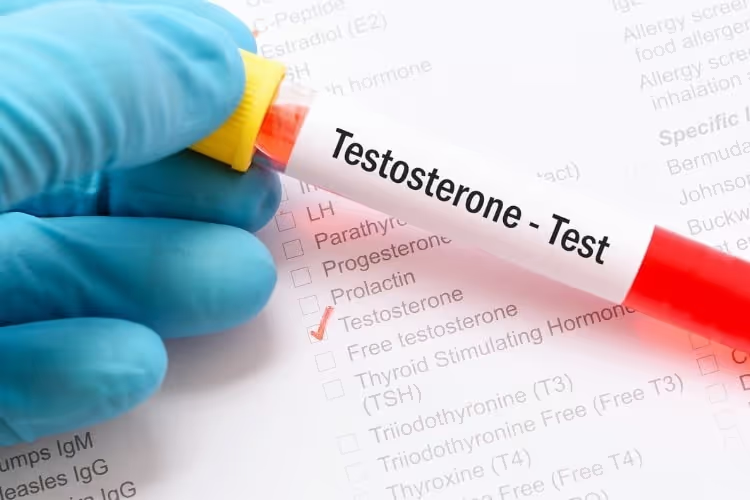
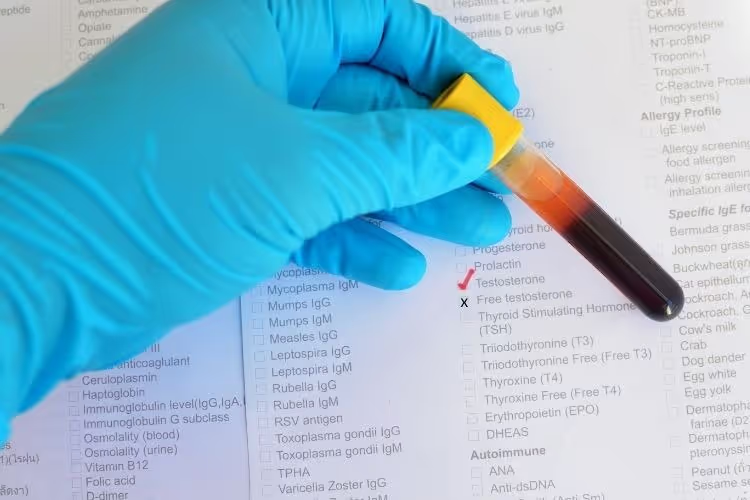
There are two important numbers when testing your testosterone: total testosterone and free testosterone. Total testosterone is a measure of the total amount of testosterone in your blood, including testosterone that is bound to proteins and the small amount that is unbound; free testosterone is the small amount of testosterone that is unbound and available to your tissues.
A healthcare provider will test how much total testosterone you have. Free testosterone can be useful when total testosterone is borderline or when a condition may affect the provider's ability to interpret total testosterone.
If you want to know more about total and free testosterone, read our guide: Free Testosterone vs. Total.
Supports energy, focus, sexual health, and overall wellbeing
Shop NowLow testosterone can be caused by two things: a medical issue or aging. A moderate decline in testosterone is expected as men age in much the same way that sleep quality and grip strength change. However, it isn't normal to have a deficiency.
Testosterone deficiency is diagnosed by consistently low early-morning testosterone levels combined with symptoms. Anything below 300 ng/dL total testosterone is considered low.2
Be aware, though, that a single low reading isn't a diagnosis, and if you have low levels but no symptoms, it generally isn't treated.
Similarly, symptoms alone don't always indicate that you have low testosterone because many of the symptoms overlap with other health issues. For example, reduced sex drive, poor concentration, low energy, and disturbed sleep can all be linked to low testosterone levels, but they can also be linked to thyroid disease, sleep apnea, medication side effects, and depression.3
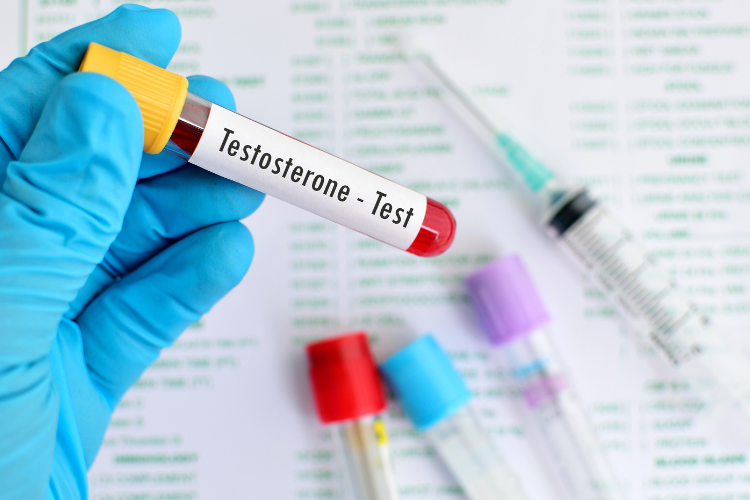
That's why it's best to have a licensed healthcare provider test your levels. At Feel30, we offer this along with the convenience of an at-home testosterone test. Once your levels are determined, our healthcare providers can help guide you in the right direction.

The benefits of TRT for men over 50 vary from person to person, but in general, treatment is most appropriate for men who have symptoms of testosterone deficiency and confirmed low testosterone levels.4
Testosterone has the most consistent evidence in support of sexual function. In research studies of men aged 50 and above, it was found that TRT improved erectile and orgasmic function and sexual desire. These benefits were generally noticed during the first three months of therapy and continued throughout treatment.1
It was also found that not every man responds in the same way and on the same timeline, and that testosterone therapy isn't a treatment for erectile dysfunction (ED) if your testosterone levels are normal. If you have both low T and erectile dysfunction, your provider may recommend hormone treatment plus a separate ED medication.
According to Canal de Velasco et al., in men with baseline testosterone of about 234 ng/dL, after a year of TRT, their lean body mass increased by an average of about 3.6 lb and their fat mass went down by about 3.2 lb compared with the placebo.1 The study showed that some men got better at leg presses and climbing the stairs.
These changes are real, but moderate, and they don't mean that testosterone therapy is a weight-loss treatment or an exercise replacement. You still need to do resistance training to build muscle mass, and the results you get will also depend on your nutrition, training, and starting point.
As highlighted in recent clinical reviews, with testosterone treatment, bone mineral density in the lumbar spine increased by an average of 7.5%, and hip bone mineral density increased by 3.3%; the increases continued over three years of therapy and then leveled off.1 The thing about bone loss is that it can develop without noticeable symptoms, and people usually don't know they have it until they fracture a bone.
Men sometimes get low testosterone along with metabolic syndrome, which includes high cholesterol and blood sugar, and carrying extra weight around the middle. And, in some men with low testosterone, TRT has been shown to reduce fasting glucose, cholesterol, waist circumference, and triglycerides (a type of fat used for energy).1 Still, testosterone therapy isn't used as a treatment for diabetes or obesity.
Men in this study also reported improvements in their energy, mood, and vitality after 12 months of TRT, and in cognitive tests, they noticed moderate improvements in executive function (planning and decision-making) and verbal memory, mostly in the men who began with the lowest levels.1
If low mood is your main symptom, your healthcare provider should also evaluate you for depression and other possible causes rather than assuming testosterone deficiency is the cause.
For a realistic view of TRT, read our guide: How Long Does TRT Take to Work?

There are certain risks healthcare providers look out for, although most can be managed by adjusting your treatment.
An increase in red blood cells, hemoglobin, and hematocrit (known as erythrocytosis) is one of the most common side effects of testosterone treatment; it tends to occur more with the injectable forms.5
When hematocrit becomes too high, there’s concern that it could increase the risk of blood clots. This concern largely comes from conditions such as polycythemia vera, where high red blood cell levels clearly increase clotting risk.
Testosterone can also raise hematocrit, but this is a different process, and we don't yet know how much testosterone-related increases in hematocrit contribute to clotting risk. Some studies suggest a possible link, which is why your provider will monitor your hematocrit during treatment.5
Your provider will do blood tests to monitor your levels, and there are also some practical steps you can take. Read our guide for tips: How to lower hematocrit while on TRT.
Important: If you suddenly get chest pain, swelling and pain in one leg, or shortness of breath, and you’re on testosterone therapy, you need to get medical care immediately, as it can be a sign of a blood clot.5
The current evidence doesn't suggest that men who do not have active prostate cancer and receive TRT have an increased risk of prostate cancer or that it makes it progress faster, but many men over the age of 50 often worry about this. PSA (prostate-specific antigen) is a blood marker that shows your prostate activity; it may increase a little during the first year of treatment, but it's usually temporary, and levels still tend to stay in the normal range.1
That doesn’t mean that you shouldn’t check your prostate. Current guidelines say that PSA should be tested before treatment starts and then reassessed in the first year and regularly after that.3
If you have symptoms like needing to get up often during the night or a weak urine stream, it’s best to talk to your healthcare provider before you start treatment.
For some men, TRT has been associated with their sleep apnea (when breathing stops repeatedly during sleep) getting worse; as a result, the guidelines recommend that if you have untreated severe sleep apnea, you shouldn’t use TRT.3 Low testosterone and sleep apnea often occur together, partly because excess body weight can contribute to the development of both conditions. So, if you’re a heavy snorer, don’t feel refreshed when you wake up, or your partner has notified you that you stop breathing at night, talk to a healthcare provider before you start TRT.
The effect of TRT on heart health has been tested in a large trial. The trial is known as TRAVERSE, and it randomly assigned 5,246 men, between the ages of 45 and 80, with heart disease (or high risk of it) and low testosterone. The study discovered that there was no increase in serious heart incidents, such as heart attacks, strokes, or death, when compared with the placebo.6
In the same trial, higher rates of atrial fibrillation (irregular heartbeat), pulmonary embolisms (clots in the lung), and acute kidney injury were recorded in the testosterone group.6
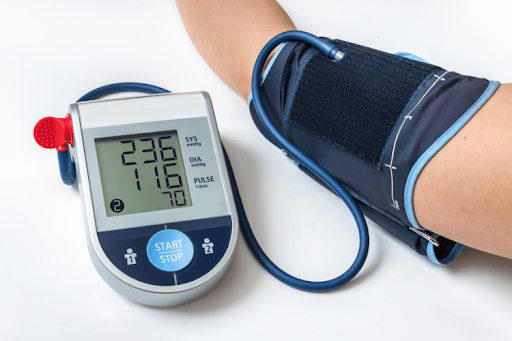
Because of this trial, in 2025, the US Food and Drug Administration required labeling changes that included the study's findings and removed the warning about increased cardiovascular risk.7 It also said that information must be given on each label about increased blood pressure after studies found that testosterone raises blood pressure as a class.7
All medications come with warnings and side effects, but that doesn't mean they will affect everyone in the same way. This is why a healthcare professional will check your blood pressure before you start and monitor it during treatment.
Note: The FDA hasn't approved TRT for low testosterone caused by aging alone.7
Because testosterone therapy suppresses the body's natural testosterone production, it may reduce sperm production, which is why if you want to have children, it's important to discuss it with your healthcare provider so they can choose the right treatment for you.8
If you have any of the following conditions, experts either advise against using TRT or using it with some caution:3,8
Doing a full medical assessment that covers your medical history, medications you're on, and family history should be done with a healthcare provider. With Feel30, you can access physician-led TRT at home, including comprehensive blood tests and a dedicated care team to guide you through the correct process.
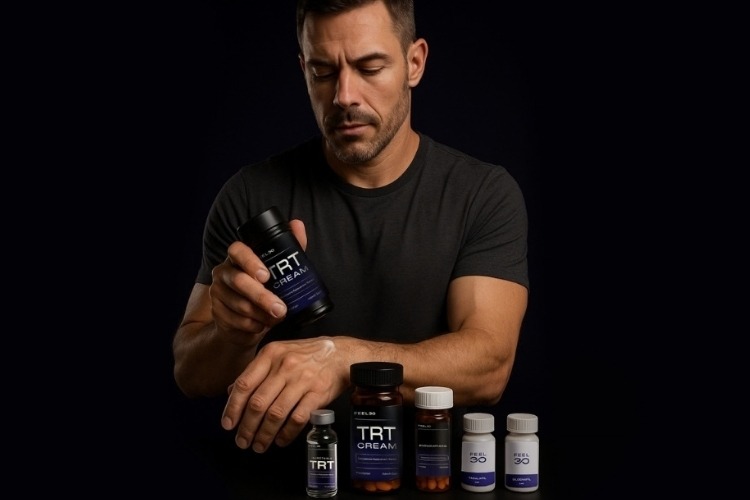
The best TRT is the one that's tailored to your unique needs, medical history, testosterone levels, dosage requirements, and side effect risks. It's also a treatment protocol that's monitored by a licensed professional.
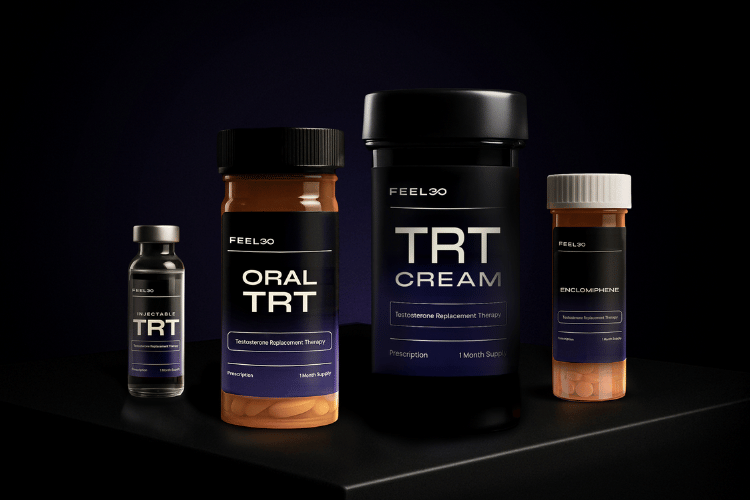
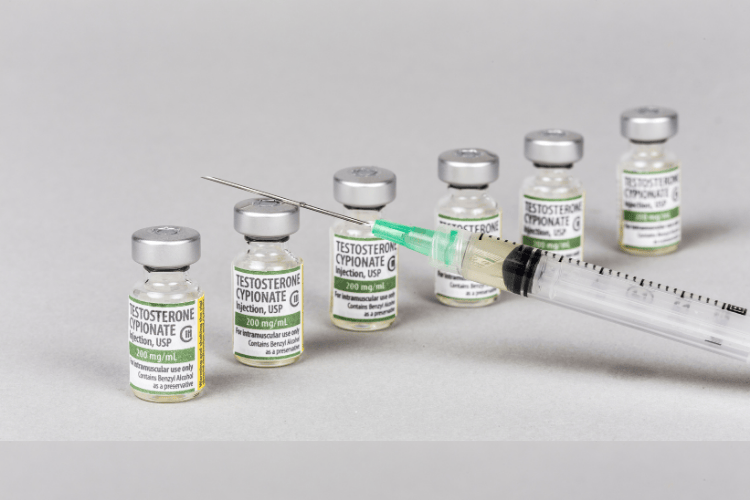
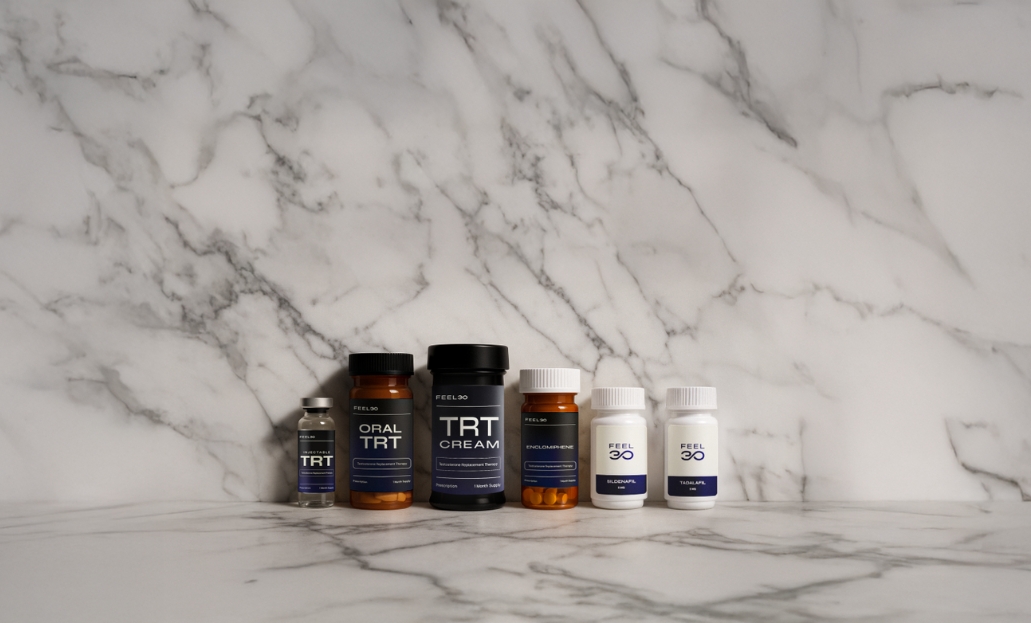
Testosterone replacement therapy is available in the following formats:
For men with hypogonadism who want to preserve fertility, enclomiphene is another option that activates your own body to produce more testosterone, rather than replacing it. Whether it's a fit for you will depend on why your testosterone levels are low.
Testosterone therapy isn’t something you just start and forget about. It needs to be continuously monitored to ensure your levels stay in a range that's beneficial but also keeps potential risks manageable.
According to the guidelines, the following levels should be tested during your first year of treatment and regularly thereafter:1
How often you need to do blood tests depends on your overall health, the type of testosterone you're on, and how your body reacts to treatment.
You should never change your dose yourself because a higher dose can increase the risk of side effects and, plus, it won't necessarily improve your treatment outcome.3
No, there's no age cutoff for testosterone treatment, and men well into their 60s and 70s are treated. What's more important is whether you have confirmed low testosterone as well as symptoms, other possible health issues have been ruled out, and the potential risks can be managed. For men over 65, the Endocrine Society recommends an individual approach, with a clear discussion of the potential benefits and risks before starting treatment.3
A total testosterone level under 300 ng/dL on at least two early-morning tests is considered low.8 Although, the exact threshold varies between different guidelines; the Endocrine Society has a slightly lower limit, which is based on the normal range in healthy young men.3
It's not the same in the way people usually think about “steroids.” Testosterone is technically a steroid, but the important distinction is how and why it is being used.
TRT is prescribed to treat a clinically significant testosterone deficiency by bringing testosterone levels back into the normal range; conversely, anabolic steroid misuse usually involves doses well above the body’s natural levels and is often used without medical supervision.
How long you need testosterone replacement therapy depends on what is causing your low testosterone and whether that cause is reversible. If the underlying cause is permanent, then you most likely will need to stay on testosterone treatment. TRT manages your deficiency, but it doesn't cure it, so your levels may decrease again if you stop taking it.2
Lifestyle changes may improve testosterone levels in some men, particularly when low testosterone is related to potentially reversible factors. If you try to improve your sleep quality, lose excess body fat, treat sleep apnea, and review medications you’re on with your healthcare provider, it may help address many reversible causes of low testosterone. But if you have permanent hypogonadism, lifestyle changes on their own won’t generally resolve an underlying deficiency.9
Read our guide: How to raise testosterone naturally to see what the research supports.
Yes, many telehealth companies offer this service, but it's important that you choose a reputable provider that offers proper lab testing and guidance from a healthcare provider. You should never take testosterone without a diagnosis or bloodwork, or from an unverified supplier.
Feel30 offers this concierge service, offering bloodwork from the comfort of your home, discreet shipping, and access to a professional medical team.
Testosterone replacement therapy has evolved considerably over the past decade, with a growing understanding of who may benefit from treatment and how it should be monitored, although it's still a treatment for clinically low testosterone and not a remedy for normal aging.
If you’ve noticed that your energy, sex drive, and physical strength have started changing and it's affecting your life, talk to a licensed healthcare provider about whether low testosterone could be contributing.
Take the first step toward renewed energy and confidence with Feel30’s expert care.




4.9 out of 5 · 2,400+ reviews


Always Tired, Gaining Weight? Low T Was the Real Reason
Is Low T Hurting Your Relationship?
This gaming laptop is a powerhouse, equipped with the latest graphics card and a high-refresh-rate display.
Jane Smith
Feel30 has completely changed the game for me. I feel more energized, focused, and confident like I did years ago.
Emily Johnson
This smartphone offers an exceptional camera experience, with stunning low-light performance and vibrant colors.
John Doe
What are you waiting for?
Take the first step toward renewed energy and confidence with Feel30’s expert care.


Feel 30 again with physician-supervised treatment that restores the energy, confidence, and performance you remember. No hassle or hidden fees.