Stay informed with expert insights on testosterone therapy, men's health, and performance optimization.
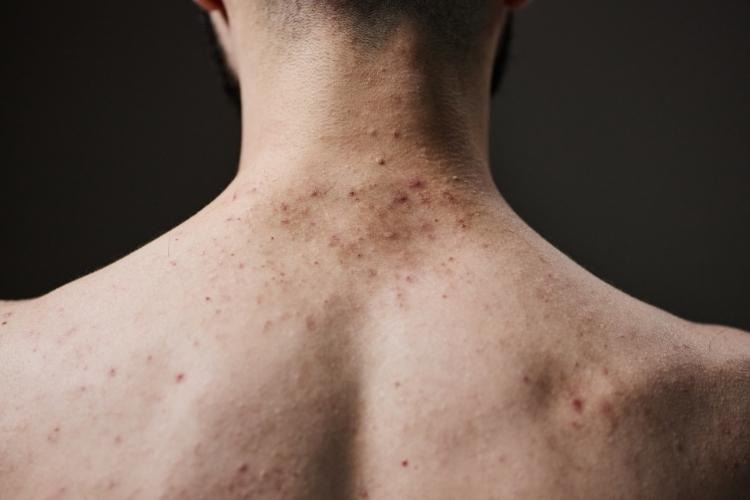
If you've started testosterone therapy, you may have also started getting testosterone-induced acne, which is one of the unfortunate side effects that sometimes occurs. And it's one that, for most men, feels the most uncomfortable, especially after the age of 40.
Luckily, this type of hormonal acne, typically found on the back, jaw, and shoulders, is common and one of the most manageable forms. It’s a well-known and well-studied side effect often triggered by testosterone replacement therapy (TRT). Nevertheless, for most men, getting the skin back to normal requires a few simple adjustments in treatment, and if you do develop acne, it doesn't necessarily mean you'll need to stop TRT altogether.
Acne occurs when a pore (the opening of a hair follicle) becomes clogged with dead skin cells and oil. This allows a normal skin bacterium, Cutibacterium acnes, to multiply rapidly, which can lead to inflammation. Testosterone appears to contribute to this process by stimulating the sebaceous glands to produce more sebum, the skin's natural oil (Sutaria et al., 2023).
These are the four key factors behind acne:
Sebaceous glands are the small glands that produce sebum (the skin's natural oil), and they have many androgen receptors. When testosterone increases, it can be converted into dihydrotestosterone (DHT), a strong androgen, by 5-alpha-reductase, an enzyme that affects testosterone in the skin. The DHT attaches to those androgen receptors, which in turn increases sebum production (Sutaria et al., 2023). The excess sebum mixes with dead skin cells and blocks pores, resulting in breakouts.
What's most important when it comes to the risk of developing hormonal acne is your skin type and if you have a personal or family history of acne. Men who have a history of acne or oily skin tend to be more susceptible to the changes initiated by the increase in androgens, and their glands typically react more strongly to the additional hormones.
Essentially, this means that two men with the same hormone levels can have completely different skin reactions.
Dermatologists classify acne into two broad categories: non-inflammatory (comedonal) and inflammatory.
Comedonal acne includes blackheads (open clogged pores) and whiteheads (closed clogged pores) (Merck Manual, 2024).
Inflammatory acne includes red, tender bumps called papules and pus-filled pustules. In severe cases, it can also include nodulocystic acne, which is deep, painful lumps called nodules and large cysts.
Whether hormone-driven acne is caused by testosterone replacement therapy or something else, it's usually the inflammatory type that tends to appear on the body more often than not. Inflammatory and cystic acne are most likely to leave scars; therefore, it's best to treat them promptly (American Academy of Dermatology [AAD], 2024; Layton, 2009).
The testosterone delivery method can affect your skin, and none of the delivery methods come with a guarantee of clear skin. Recent research shows that the risk varies according to the formulation: topical formulas generally have the lowest risk, and injectable formulations the highest risk of acne (Abou Chawareb et al., 2026).
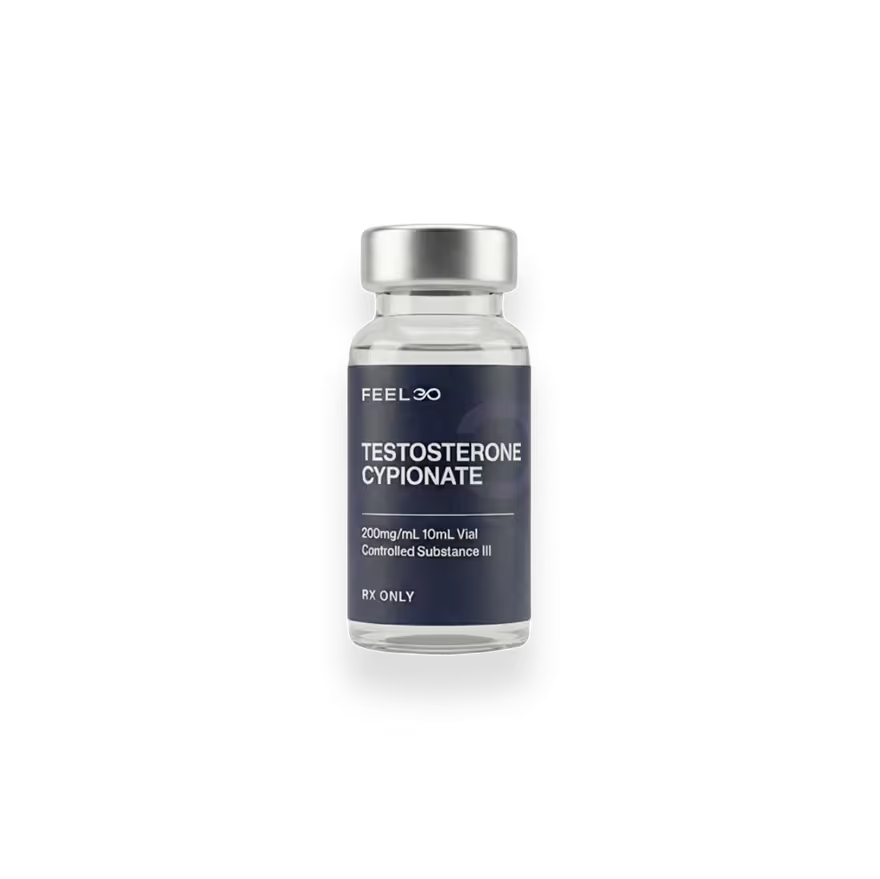
Injectable testosterone, such as testosterone cypionate, is administered in a single dose. Some injectable testosterone administered weekly or every two weeks may produce greater fluctuations in serum testosterone than more continuous forms of testosterone therapy, especially with longer dosing intervals (Radi et al., 2022). These fluctuations may contribute to acne in some men because testosterone stimulates sebum production and can promote inflammation. Smaller, more frequent injections, including subcutaneous (under the skin) dosing, may reduce the size of these fluctuations and possibly decrease hormone-related skin effects.
Supports energy, focus, sexual health, and overall wellbeing
Shop NowDaily transdermal testosterone produces relatively stable exposure compared with some injectable preparations (Jabari, 2023). However, topical testosterone can increase DHT levels because an enzyme in the skin, 5-alpha-reductase, converts testosterone into DHT, which triggers sebum production (Abou Chawareb et al., 2026). This is why gels can also cause breakouts.
The good news is that a provider can adjust your testosterone dosage according to your unique needs. At Feel30, we offer a testosterone replacement therapy program under the guidance of qualified professionals.
Most often, acne begins to appear during the first weeks or months after starting testosterone therapy, at the point when androgen levels increase and oil glands have become more active.
In a three-year study by Madsen et al. (2024) of transgender men undergoing gender-affirming testosterone therapy, it was found that acne becomes more common and severe during the first months of treatment. It was found that moderate-to-severe acne rose from approximately 12% to 39% in the first year of treatment. The severity tends to increase during the first six months and eases up after the first year, and if you are going to get TRT-related acne, it will likely be worse during this period.
The study provides insight into how acne can develop after testosterone exposure, but because testosterone treatment plans, doses, starting hormone levels, and individual characteristics can vary, these results may not predict exactly how acne will develop for everyone receiving testosterone therapy.
TRT acne can show up wherever there are oil glands; however, it typically appears on the back, face, shoulders, and chest, and is most common on the back and chest because these areas are rich in oil glands (Radi et al., 2022).
As mentioned above, acne is typically at its worst in the first six months and then slowly starts to clear after the first year; however, for many men, it never completely goes away, but it's less severe (Madsen et al., 2024). Most men on testosterone replacement therapy don't get severe acne, but a fair number do. Ultimately, genetics, skin type, and dosage can all have an effect on skin issues. Regardless, it's best to tackle TRT-related acne promptly to decrease the chance of scarring with the guidance of a TRT provider.
Clearing up TRT-related acne requires a consistent routine, starting with a basic skincare routine and over-the-counter treatments.

Wash your face twice a day, and also after sweating, using a gentle, non-comedogenic cleanser (one that doesn't clog pores); however, don't be tempted to over-cleanse, as it can cause the skin to produce even more sebum to compensate.
Rinse your back, shoulders, and chest as soon after working out as possible using a medicated body wash.
Most men benefit from using lightweight, non-comedogenic moisturizers and sunscreens and avoiding thick creams, heavy oils, and harsh scrubs. Treatments take about 4 to 12 weeks of steady use before changes are noticeable (Sutaria et al., 2023).

If at-home and over-the-counter treatments haven't made any difference after six to eight weeks, it's worthwhile visiting a qualified health provider for a prescription treatment, such as:

No, most men on TRT don't have lasting, severe acne, but if you've got oily skin or a history of acne, you're more likely to break out.
It depends on the goal of the treatment. If patients are undergoing masculinizing gender-affirming hormone therapy (with exogenous testosterone), it may cause or exacerbate acne because it stimulates production of excess oil, which can lead to clogged pores and acne.
Conversely, if the person is undergoing feminizing gender-affirming hormone therapy (with anti-androgens like spironolactone and estrogen), the treatment may improve or resolve acne because it reduces oil production and suppresses androgen levels (Radi et al., 2022).
Acne is not a reason to give up TRT therapy. A reputable healthcare provider will adjust your treatment to help get your skin under control.
At Feel30, we offer TRT at home that's safe, reliable, and managed by a licensed healthcare provider.
The quickest way to clear deep, painful hormonal breakouts is usually with a targeted cortisone injection from a dermatologist, which can help shrink stubborn cysts within 24 to 48 hours; systemic treatments, like oral antibiotics or topical creams, typically take weeks or months to clear acne (Olson et al., 2025).
Having bacne, or back acne, doesn't necessarily mean you have high testosterone. While testosterone does play a role in triggering sebum production, clinical studies suggest that many men with acne on their chest, back, and shoulders have normal hormone levels (Iftikhar & Choudhry, 2019).
Bacne can also be caused by increased sensitivity to standard levels of hormones and enzyme activity, which may convert normal amounts of testosterone into dihydrotestosterone (DHT), and non-hormonal triggers, such as friction, trapped sweat, tight clothing, clogged pores, and genetics (Radi et al., 2022).
Although acne is a common testosterone side effect, not everyone on TRT will automatically get it. It depends on several factors, including genetics, skin type, and whether you have a personal or family history of acne. If you do get acne while on testosterone treatment, the first step in treating it is notifying your provider so they can guide you on a good home-care routine, monitor the symptoms, and provide prescription medication if needed. For most men on TRT, they're able to retain the benefits of therapy and clear up their skin at the same time.
Take the first step toward renewed energy and confidence with Feel30’s expert care.



4.9 out of 5 · 2,400+ reviews


Always Tired, Gaining Weight? Low T Was the Real Reason
Is Low T Hurting Your Relationship?
This gaming laptop is a powerhouse, equipped with the latest graphics card and a high-refresh-rate display.
Jane Smith
Feel30 has completely changed the game for me. I feel more energized, focused, and confident like I did years ago.
Emily Johnson
This smartphone offers an exceptional camera experience, with stunning low-light performance and vibrant colors.
John Doe
What are you waiting for?
Take the first step toward renewed energy and confidence with Feel30’s expert care.


Feel 30 again with physician-supervised treatment that restores the energy, confidence, and performance you remember. No hassle or hidden fees.