

Stay informed with expert insights on testosterone therapy, men's health, and performance optimization.

As men age, testosterone levels gradually decline, and some men may experience a decrease in sexual desire. Low testosterone can contribute to low libido (Huhtaniemi & Frederick, 2022). However, several other lifestyle factors (weight gain, poor sleep, raised stress levels, etc. could be responsible. These factors are always worth checking out. So the real question behind how to increase sex drive in men over 50 isn't whether it's possible. It's figuring out what's pulling your libido down in the first place, then addressing it.
This article will help you with important details about low libido and how you can improve your sex drive as you age.
Yes. Sexual desire can change with age, and for some men, this may be related to the gradual decline in testosterone levels. Research says that total serum testosterone decreases by about 0.4% annually in men aged 40-70 years (Cheng et al., 2024). However, this age-related testosterone decline doesn't always mean a testosterone deficiency or translate into a lower sex drive. But if testosterone drops low enough to cause symptoms, low libido is one of the recognized signs of testosterone deficiency (Khera et al., 2024).
If you experience a significant or sudden drop in your sex drive, especially with other symptoms like fatigue or not being able to maintain an erection, this warrants evaluation for possible underlying causes. The possible reasons for these symptoms include low testosterone, sleep problems, medications, obesity, metabolic diseases like diabetes, psychological, and relationship factors.
Low Sex Drive Versus Erectile Dysfunction
A low sex drive is about desire (you think about and initiate sex less, and your sexual activity drops), while erectile dysfunction is more about the physical inability to get or keep an erect penis. You can have either condition or both, but they're not the same. Sometimes both conditions share the same cause, but not always.
Understanding the symptoms of erectile dysfunction can also help you distinguish problems with sexual desire from problems with erectile function.
When testosterone levels fall below a healthy range, it can contribute to low libido. Furthermore, restoring testosterone in men who have low hormone levels confirmed by blood testing can improve sexual desire and erectile function (Pencina et al., 2024). If some of the symptoms of low testosterone sound familiar, talk with your healthcare provider about whether testosterone testing is appropriate.
Chronic conditions like diabetes, heart disease, high blood pressure, high cholesterol, and obesity can affect blood vessel health and may contribute to erectile dysfunction. Although a low sex drive and erectile dysfunction are different problems, erectile dysfunction can affect sexual confidence and lead some men to withdraw from intimacy, which can interfere with their overall sexual experience (Allen et al., 2023). Interestingly, some of the conditions that cause erectile dysfunction, particularly diabetes and obesity, can also be associated with low testosterone (American Diabetes Association Professional Practice Committee for Diabetes, 2026)
If you’re taking some medications, such as blood pressure medications, antidepressants, and anti-anxiety medications, you might experience side effects like reduced libido or difficulty with erections. However, don't stop a prescription on your own without talking to your provider (a health care professional), who can review your medications and decide the next step.
There is an interesting bidirectional relationship here. Stress, depression, and anxiety can affect sexual desire and function, and these sexual difficulties can also contribute to emotional distress, creating a cycle of influence between psychological and sexual health (Brotto et al., 2025).
If you have a drop in sex drive and also notice persistent sadness, anxiety, loss of interest in other activities, or significant stress, you should discuss it with your healthcare provider.
In older adults, psychological and relationship factors can influence sexual interest (Bigras et al., 2024). Furthermore, better sexual communication is associated with greater relationship or sexual satisfaction (Mallory, 2022).
Your sex drive could be affected because there’s ongoing conflict or unresolved resentment with your partner. It’s even possible that these relationship factors exist alongside other causes of low libido, and this is something you should explore when you discuss it with your healthcare provider.

For most men, these everyday habits can make a meaningful difference in sexual health while also improving their overall health.
These treatment options should always follow the guidance of a healthcare provider who has assessed your labs, symptoms, medical history, and physical exam:
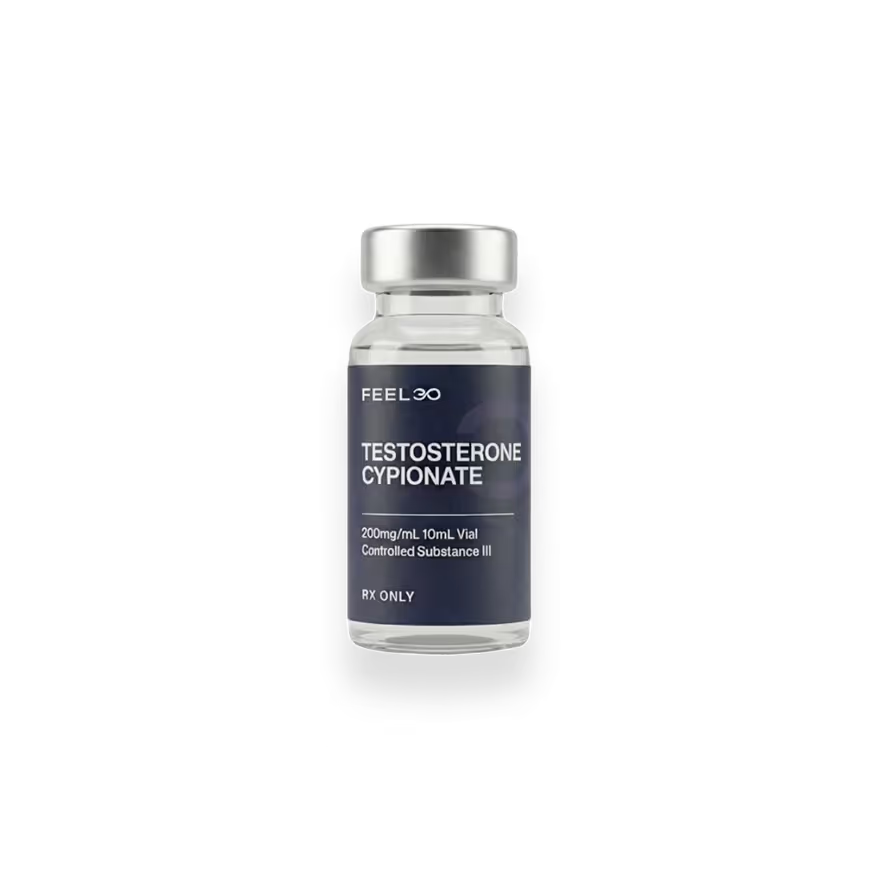
Supports energy, focus, sexual health, and overall wellbeing
Shop NowTestosterone replacement therapy (TRT). If your blood tests confirm that you have low testosterone and the symptoms align too, testosterone replacement therapy may improve libido and sexual function (Pencina et al., 2024). However, if your testosterone is already normal, adding more won't improve your desire and can expose you to unnecessary risk and side effects. Use TRT only under the supervision of a qualified healthcare professional. Also, avoid purchasing testosterone from unverified or unauthorized sources. At Feel30, we provide provider-led TRT at home, with baseline testing and ongoing bloodwork that guides dose adjustments if needed. You can also check your levels with an at-home testosterone test and bring the results into a consultation.
Supplements: Evidence varies considerably depending on the supplement and whether you have an underlying deficiency. Zinc supports testosterone levels in men who are deficient in zinc, but taking extra zinc won't help you if you already have normal levels (Te et al., 2023).
ED medications. If erections are the main issue, oral medications such as tadalafil and sildenafil are the recommended first-line treatment and work well for many men (Burnett et al., 2018). Since sexual confidence and erectile function can influence each other, some men feel more interested in sex after successfully treating ED. If erectile dysfunction is contributing to your sexual concerns, understanding the potential tadalafil benefits can help you discuss available treatment options with your healthcare provider.
Not really. Over-the-counter "libido" and "male enhancement" supplements aren't proven to raise desire, and the FDA warns that many contain hidden prescription drugs, including PDE5 inhibitors such as sildenafil and tadalafil (U.S. Food and Drug Administration [FDA], n.d.).
Yes, testosterone therapy can increase sex drive in some men with confirmed testosterone deficiency. If you have normal testosterone levels, testosterone therapy isn’t recommended simply to increase sexual desire.
It varies. Studies of lifestyle changes for sexual and erectile health have generally measured results over several weeks to months, but the timeline depends on what’s contributing to low libido. Healthy habits may take time to produce noticeable results, but consistency is important too. If your libido remains low despite making health changes, talk with your healthcare provider about other potential causes.
Sometimes, yes. A persistent low libido can be one of the signs of other conditions such as low testosterone, diabetes, heart disease, or depression (Cleveland Clinic, 2025). That’s why you should always discuss any lasting or unexplained change in libido with your healthcare provider, who can help determine whether further evaluation is appropriate.
A lower sex drive after 50 is common, but it’s not an unavoidable part of aging. The most effective way to increase sex drive in men over 50 is to find what's contributing to the change, whether that's testosterone, a health condition, a medication, stress, or your relationship, and treat the underlying cause. Start with the everyday habits that support sexual and overall health, like exercise, adequate sleep, and alcohol reduction. If you notice that a change in your libido persists, talk with your healthcare provider about whether an evaluation, including testosterone testing when appropriate, could help.
Take the first step toward renewed energy and confidence with Feel30’s expert care.




4.9 out of 5 · 2,400+ reviews


Always Tired, Gaining Weight? Low T Was the Real Reason
Is Low T Hurting Your Relationship?
This gaming laptop is a powerhouse, equipped with the latest graphics card and a high-refresh-rate display.
Jane Smith
Feel30 has completely changed the game for me. I feel more energized, focused, and confident like I did years ago.
Emily Johnson
This smartphone offers an exceptional camera experience, with stunning low-light performance and vibrant colors.
John Doe
What are you waiting for?
Take the first step toward renewed energy and confidence with Feel30’s expert care.


Feel 30 again with physician-supervised treatment that restores the energy, confidence, and performance you remember. No hassle or hidden fees.


















%20Symptoms.webp)
