

Stay informed with expert insights on testosterone therapy, men's health, and performance optimization.

At some point in your late 30s or 40s, you may notice small changes in your energy, recovery, and body composition.
You’re still training and putting in the effort, but recovery may take longer than it used to. Fat doesn’t come off as easily, even when your routine stays consistent, and sleep can feel lighter or less restorative than before.
At first, it’s easy to write it off as stress, getting older, or just a temporary dip in your routine. But when those patterns start to repeat, it becomes harder to ignore that something has changed.
That’s often when a healthcare provider may start looking at your hormone levels more closely. Depending on your lab results, the subsequent talk may include testosterone replacement therapy (TRT). It may also include growth hormone support therapies, or both.
Sermorelin often comes up as an alternative to human growth hormone (HGH) injections. It works with your body instead of replacing its natural signals. But once you start looking into it, a more practical question comes up: What is the best time to take sermorelin, and does the timing affect your results?
Getting the timing right with sermorelin therapy can improve your sleep, recovery, and muscle-to-fat balance.
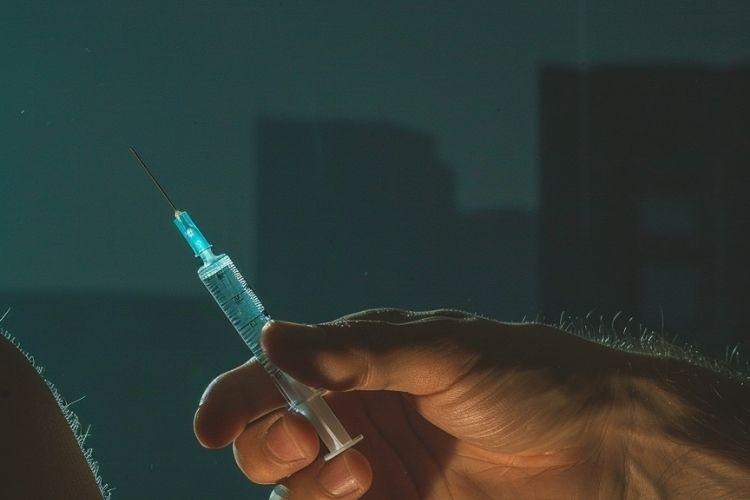
Sermorelin is a synthetic peptide, a short chain of amino acids, that mimics your body’s natural growth hormone–releasing hormone. Instead of adding hormones from the outside, it tells your pituitary gland to produce more on its own.
Direct HGH injections introduce an external hormone to your system. That can work, but it bypasses your body’s natural control systems.
Sermorelin therapy does the opposite.
Growth hormone isn’t released steadily throughout the day; it follows a pulsed pattern tied to your body’s natural rhythms. The largest release typically occurs shortly after you fall asleep, during the deeper stages of sleep.
Because of that, the timing of your dose may also be instructed by your provider. Taking it at the right time, as instructed by your provider, allows it to align with this natural surge, while taking it too early or too late can limit how effectively it works.
When you take your medication as prescribed, the difference often shows up in how you recover, how your body responds to training, and how you feel day to day.
Growth hormone is released in a natural pulsatile pattern, with larger peaks typically occurring during the early stages of sleep. In clinical practice, evening administration of Sermorelin is often considered to better align with this physiologic rhythm. That said, timing can vary based on your clinicians guidance.
At night, your body shifts into repair mode.
This is when:
Taking sermorelin right before bedtime stacks on top of that natural surge.
You can take sermorelin earlier in the day, but many clinicians prefer evening administration.
Here’s why:
Exception: If you work night shifts and sleep during the day, your “night” is just flipped. In that case, timing considerations may be adjusted to align with their main sleep period.
While timing is one consideration, lifestyle factors may also influence how the body responds.
This is where many people sabotage their results without realizing it. When you eat, your insulin rises. And insulin directly suppresses growth hormone release. Because of this, clinicians may consider how meal timing, particularly in the evening, can interact with their sermorelin treatment plan.
Sermorelin works best when you get restorative sleep. If it's fragmented, shortened, or shallow, you may not get the full benefit.
Some common issues that quietly reduce results:
Don't overthink this part. Focus on being consistent.
Your body responds better to:
Maintaining a consistent routine, whether related to sleep, nutrition, or exercise, may support more stable physiologic signaling over time.
You’ll sometimes hear that evening workouts boost growth hormone. That’s partially true, but it’s also easy to overdo it. If you train too late and stay wired, it can affect your sleep quality, and that cancels out the benefit.
A better approach:
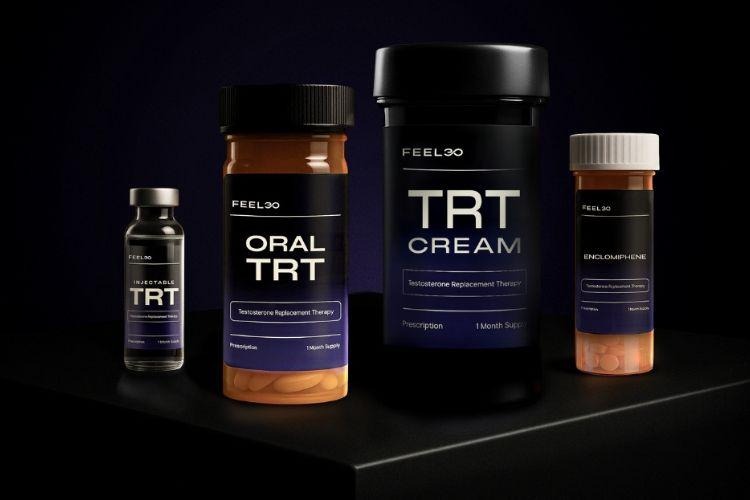
TRT and sermorelin do not directly interfere with each other. Still, your clinician should coordinate both treatments to monitor your hormone levels and symptoms.
TRT and sermorelin target different hormone systems, so they don’t compete or cancel each other out.
Because they work through separate pathways, they can be used together as part of a coordinated treatment plan. It's best to work with your healthcare provider, who knows your medical history and can guide you to optimal treatment results.
If you're taking oral TRT or testosterone injections, your routine doesn't need to change. Sermorelin timing stays the same.
Your TRT schedule depends on your protocol, such as daily or twice weekly. It doesn't need to match your Sermorelin schedule.
Most men don’t add sermorelin to their daily routine because they want to increase testosterone. They use it when something still feels off, even after their low testosterone symptoms start to improve.
Common scenarios:
This is where Sermorelin may be considered as part of a broader approach to supporting recovery.
These don’t look like big mistakes, but they add up quickly.
Most men notice:
You can have sermorelin in the morning. Most clinicians prescribe taking it at night, as it suits the body’s GH rhythm. This may differ if your schedule is reversed, such as if you’re doing shift work. If you're intent on achieving optimal results, it's best to follow your provider’s directions.
About 30–60 minutes before bed works best.
Yes. This has a bigger impact than most people realize.
Take sermorelin at least 2–3 hours after your last meal.
Many people notice improvements in sleep within a few weeks, with body composition changes following.
Yes, under medical supervision. Because they act on different hormone systems, sermorelin and TRT can complement each other as part of a coordinated treatment plan.
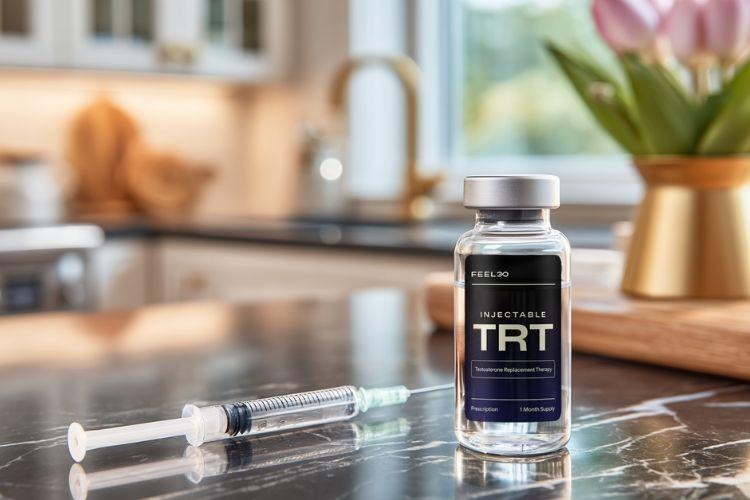
This applies across different forms of TRT, including injections and oral options. The delivery method affects how testosterone levels are maintained, but it doesn’t change how sermorelin works alongside it.
In practice, TRT supports testosterone levels directly, while sermorelin helps regulate growth hormone release. The two can work together to support recovery, sleep, and overall hormonal balance.
Sermorelin stimulates the pituitary gland to release more human growth hormone. It supports your natural hormone balance, rather than replacing hormones directly.
Sermorelin injections stimulate growth hormone, unlike direct HGH injections, which introduce the hormone from the outside.
Most providers suggest taking it at night. This matches your body’s natural rhythm. Growth hormone is usually highest at night.
Yes. Taking sermorelin at least a few hours after your last meal helps improve absorption and effectiveness.
Sermorelin may support lean muscle, recovery, and healthy aging by boosting natural GH release. Results can vary based on your hormone levels.
It's important to note that sermorelin is not FDA-approved for anti-aging or general “optimization.” It is often used off-label in longevity or functional medicine settings. It is typically used under medical supervision.
Some men experience mild redness, swelling, or slight irritation at the injection site, especially when starting sermorelin. These reactions are typically temporary and resolve on their own.
If irritation continues or becomes more noticeable, simple adjustments can help. Rotating injection sites, using proper technique, and avoiding repeated use of the same area can reduce discomfort. Most providers will also guide you on injection technique to minimize these effects.
If symptoms persist or worsen over time, it’s important to check in with your healthcare provider to rule out sensitivity or improper administration.
Sermorelin treatment often includes daily injections, provider monitoring, and dose changes based on hormone levels. Regular blood tests to monitor IGF‑1, glucose, and hormone levels are often recommended during sermorelin therapy.
By boosting growth hormone release, sermorelin may improve sleep, recovery, and energy. These benefits can support overall vitality.
Sermorelin is a synthetic peptide, composed of amino acids, that mimics natural growth hormone–releasing hormone.
If you want sermorelin to deliver noticeable results, timing makes a difference. Taking it at night, on an empty stomach, and on a consistent schedule allows your body to use it the way it’s designed to. When that’s dialed in, the difference shows up in how you sleep, recover, and perform day to day.
For men already on TRT, sermorelin often becomes the missing piece. It doesn’t replace testosterone; it supports the systems that drive recovery, repair, and overall balance.
If you’re aiming for more than just better lab numbers, the right plan makes the difference. At Feel30, that means building a protocol around your schedule, your goals, and how your body responds.
Take the first step toward renewed energy and confidence with Feel30’s expert care.




4.9 out of 5 · 2,400+ reviews


Always Tired, Gaining Weight? Low T Was the Real Reason
Is Low T Hurting Your Relationship?
This gaming laptop is a powerhouse, equipped with the latest graphics card and a high-refresh-rate display.
Jane Smith
Feel30 has completely changed the game for me. I feel more energized, focused, and confident like I did years ago.
Emily Johnson
This smartphone offers an exceptional camera experience, with stunning low-light performance and vibrant colors.
John Doe
What are you waiting for?
Take the first step toward renewed energy and confidence with Feel30’s expert care.


Feel 30 again with physician-supervised treatment that restores the energy, confidence, and performance you remember. No hassle or hidden fees.

















%20Symptoms.webp)
