Stay informed with expert insights on testosterone therapy, men's health, and performance optimization.

One of the most common concerns with sermorelin is whether it makes you hungry. The answer to this question isn’t always straightforward. Some of the confusion comes from the fact that different systems in the body all influence appetite, including hormones involved in growth, metabolism, sleep, recovery, and hunger signaling, as well as other medications.
If you’re on sermorelin therapy or are considering it, and you’re concerned about its effect on your appetite, it’s important to understand what may be happening behind the scenes.
In this guide, we explain why changes in appetite may occur while taking sermorelin and what safety considerations are worth discussing with a licensed healthcare provider.
Sermorelin is a synthetic peptide, often discussed in conversations about growth hormone. Before we talk about sermorelin and changes in appetite, let’s first look at how it works.
Sermorelin is a synthetic analog of growth hormone-releasing hormone (GHRH). GHRH is a peptide your body naturally produces to signal the pituitary gland to release more of your own growth hormone (GH). You can read more about what sermorelin is and how it works in our complete guide.
Differentiating this is important. That is, sermorelin acts on the same receptor pathway as GHRH, but it’s not identical to endogenous GHRH. As such, providers often describe it as a hormone that supports the body's natural hormone rhythms. For instance, when levels of your growth hormone rise sufficiently, the feedback system in your body reduces further production. This self-regulation is part of what separates sermorelin from direct human growth hormone (HGH).
Note: Synthetic HGH introduces growth hormone from an external source, and it bypasses your body's normal signaling systems. If you have higher HGH levels than needed, they increase the levels of circulating growth hormone. High levels of growth hormone are dangerous, as they may increase the risk of side effects, which is why appropriate dosing and medical monitoring are important. For a closer comparison, see sermorelin vs HGH.
Some people report increased hunger with sermorelin, while others experience no changes in appetite at all. There are also people who notice fluctuations in appetite that eventually stabilize as their body adjusts. Current evidence doesn’t suggest a uniform effect on appetite. This may help explain why individual experiences are often different.
Several factors can influence how your body responds to sermorelin therapy, such as:
Everyone has a unique body and hormone profile. That's why one person may notice an increase in appetite, while another sees no changes at all. Also note that factors such as stress, sleep, meal timing, and other hormones beyond growth hormone activity all influence appetite, so the response to sermorelin in one person will be different in another.
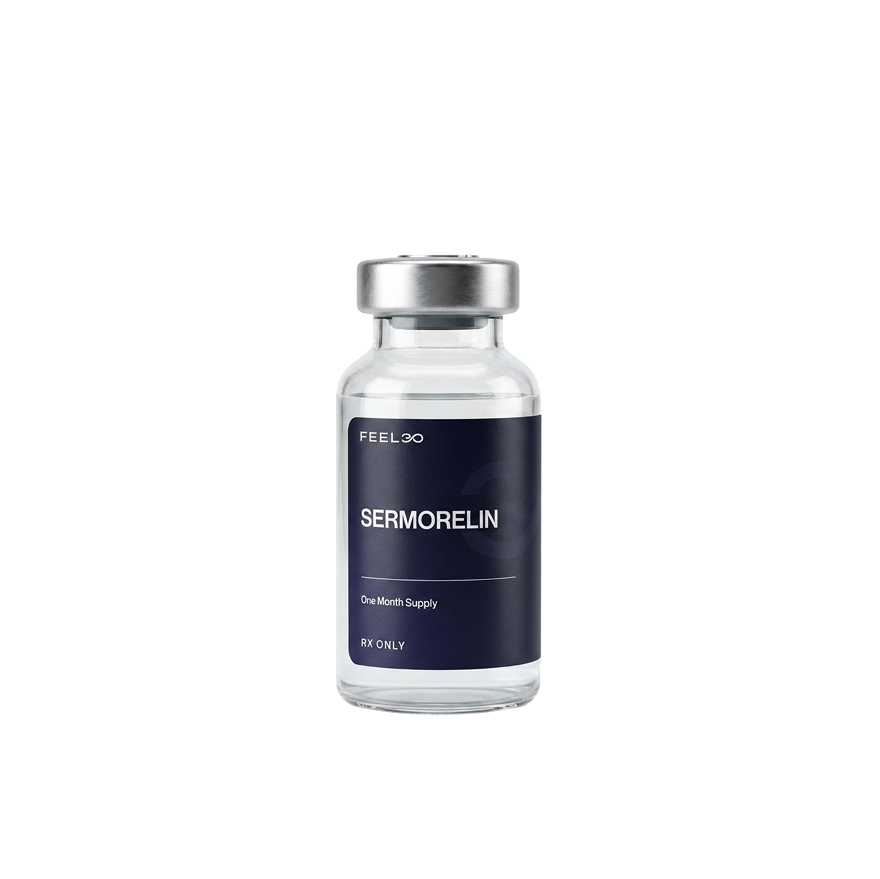
Helps support lean muscle and fat metabolism
Shop NowSome patients have reported changes in appetite with sermorelin therapy, although current evidence doesn’t show a consistent or predictable effect on appetite.
Growth hormone signaling is involved in several pathways related to metabolism and energy balance, but there’s currently limited direct evidence showing that sermorelin consistently increases appetite. A lot of research about the physiology of growth hormone explains the theoretical mechanisms for changes in appetite, but you shouldn’t interpret this as proof that sermorelin causes hunger in most patients (Granata et al., 2025). The outcomes of adult studies are even less extensive than those available for pediatric growth hormone-deficiency populations.
As a result, many of the discussions about sermorelin and hunger come from clinical observations and experiences reported by patients rather than large-scale randomized trials specifically designed to evaluate for specific outcomes.

If you notice an increase in hunger, several mechanisms may help explain why:
Growth hormone plays a role in metabolism, recovery, and tissue maintenance.
When there’s a change in growth hormone activity, the body uses energy differently. Some people describe feeling hungrier during periods when recovery demands increase or when they’re actively pursuing body goals. However, direct evidence linking sermorelin to an increase in hunger remains limited. Because appetite is shaped by a complex interaction of factors, responses can vary considerably between individuals.
Appetite is influenced by hormones beyond growth hormone itself.
One important example is ghrelin, often referred to as the "hunger hormone." A 2015 review in Molecular Metabolism by Müller et al. identified ghrelin as a key regulator of appetite and energy balance. The authors also noted that hunger and satiety are influenced by a complex network of hormonal and metabolic signals, including:
Although this research provides useful background on the biology of hunger, you shouldn’t interpret it as evidence that sermorelin directly causes an increase in appetite.
As noted earlier, there are many factors that influence appetite, such as quality of sleep, stress levels, physical activity, and overall metabolic health.
In fact, research has shown that sleep and appetite are closely connected. A landmark study by Spiegel et al. found that sleep restriction was associated with changes in hunger-regulating hormones and increased feelings of hunger in healthy adults. These findings help illustrate why appetite can fluctuate over time, even when no single cause is identified.
However, this research also doesn’t establish a direct relationship between sermorelin and increased appetite. Instead, it highlights the broader range of factors that can influence hunger and eating behavior.
Some patients report changes in appetite during the early stages of treatment. While these changes may lessen over time for some individuals, responses vary, and there’s still limited research specifically evaluating appetite patterns during sermorelin therapy.
Feeling hungrier doesn’t cause weight gain on its own. Changes in your weight result from the balance between the calories you consume and the calories you expend over time. An increase in feelings of hunger is a signal, but that doesn’t dictate what you eat, how much, or when.
The outcome depends on how your body responds to the appetite signal, not on the signal itself. Likewise, some individuals gain weight without noticing major changes in hunger.

Body composition is influenced by multiple variables:
These factors interact continuously. Looking at appetite alone rarely provides a complete picture of what is happening with body composition.
Different men will get different results from sermorelin. This is because of the variations in medical history, levels of body fat, muscle mass, hormone status, and lifestyle habits, which are all factors that influence outcomes. This is why you should not automatically interpret increased feelings of hunger as a sign of fat gain or treatment success.
Researchers often associate sermorelin with a host of potential side effects that must be discussed with a licensed medical professional.
The following effects are typically mild, and providers often describe them as temporary, despite the fact that experiences may vary from one person to another:
Note: The side effects below were reported in studies of Geref® (a branded sermorelin acetate product), which is different from many compounded sermorelin formulations used today:
Care and monitoring under a medical provider is absolutely important simply because hormone systems are interconnected. Ensure to discuss all your symptoms with a licensed provider. This may include:
Sermorelin is not suitable for everyone. You need a thorough medical evaluation to know whether it’s appropriate for you. Your provider must review:
Important: Ensure you do a full medical evaluation, including blood tests and a review of your health history, before making any decisions regarding sermorelin.
Some patients on sermorelin therapy have reported changes in appetite, prompting broader questions about hormonal health.
Men often explore hormone evaluation when they're experiencing changes that don't have an obvious explanation.
Symptoms such as fatigue, poor recovery, sleep disturbances, and changes in body composition can occur for many reasons. While some individuals explore hormone testing when these issues persist, they’re not specific to growth hormone deficiency.
Symptoms such as fatigue or changes in body composition are nonspecific. Potential contributors may also include:
In men experiencing persistent symptoms related to energy, recovery, body composition, or sexual health, low testosterone is one potential consideration. However, symptoms alone cannot determine whether testosterone levels are contributing to the issue.
A comprehensive evaluation may include:
Note that testing for testosterone is one component of broader hormone evaluation for many men. When you understand your testosterone levels, you have useful context when assessing symptoms such as energy, recovery, body composition, skin health, and overall well-being.
Here at Feel30, we connect patients with licensed healthcare providers who can evaluate hormone health, review laboratory findings, and discuss appropriate treatment through convenient at-home testosterone testing.
As with any hormone-related therapy, any decision you make with your provider should be based on a careful evaluation of your potential benefits and risks.
No, sermorelin doesn’t make everyone hungry. Some men may report increased feelings of hunger, while others find that they have no changes in appetite at all. This is because appetite changes are influenced by many factors, such as nutrition habits, quality of sleep, stress, and even the existing hormone levels. You may also notice feelings of hunger more if you’re on an empty stomach. Responses vary from person to person.
Side effects and responses to sermorelin treatment may vary between individuals. Factors such as hormone levels and the dosage your provider prescribes can all influence how your body responds. If you have any concerns about your dosage and need adjustment, please discuss with your provider and perform appropriate tests to make informed decisions.
Learn more about sermorelin dosage here: How Much Sermorelin Per Day? A Clear Guide to Sermorelin Dosage
There's no universal timeline for this, as the duration can vary from person to person because responses to sermorelin are different.
Not necessarily. Weight gain depends on many factors, such as intake of calories, level of activity, recovery, sleep, hormone levels, and overall health. Some people may notice changes in appetite without any meaningful changes in body composition. Also, changes in appetite related to sermorelin haven't been extensively studied.
Sermorelin influences growth hormone, which plays a role in metabolic processes, such as fat loss/gain and improved utilization of energy. However, individual outcomes vary, and research is ongoing into the full metabolic effects of sermorelin therapy.
Not necessarily, because changes in appetite may happen due to many reasons. However, if you experience significant, persistent changes accompanied by other symptoms, discuss them with your provider promptly.
Yes, sometimes. Some individuals report temporary fluctuations in appetite, while others experience no changes at all.
Anyone considering hormone-related treatment must consult a qualified healthcare professional for appropriate evaluation and lab testing before making treatment decisions.
Yes, some may affect. Many medications and forms of hormone therapy can influence appetite and metabolism. Review all your medications and supplements with your healthcare provider to identify potential contributors to changes in appetite.
So, does sermorelin make you hungry?
It can, but not everyone experiences an increase in appetite. Some people may report feeling hungrier after starting therapy, while others notice no meaningful changes. Because appetite is influenced by multiple hormone systems, sleep quality, nutrition, metabolism, and overall health, there's no single response that applies to everyone.
It's also important to remember that an increase in hunger doesn’t automatically mean you’ll gain weight. Changes in your body composition will depend on many factors beyond appetite alone. The most useful approach is to view appetite changes within the context of your broader health picture. If you have any concerns, seek medical attention for more meaningful, informed answers.
Take the first step toward renewed energy and confidence with Feel30’s expert care.




4.9 out of 5 · 2,400+ reviews


Always Tired, Gaining Weight? Low T Was the Real Reason
Is Low T Hurting Your Relationship?
This gaming laptop is a powerhouse, equipped with the latest graphics card and a high-refresh-rate display.
Jane Smith
Feel30 has completely changed the game for me. I feel more energized, focused, and confident like I did years ago.
Emily Johnson
This smartphone offers an exceptional camera experience, with stunning low-light performance and vibrant colors.
John Doe
What are you waiting for?
Take the first step toward renewed energy and confidence with Feel30’s expert care.


Feel 30 again with physician-supervised treatment that restores the energy, confidence, and performance you remember. No hassle or hidden fees.