Stay informed with expert insights on testosterone therapy, men's health, and performance optimization.

As men age, it’s common to notice changes in energy, recovery after exercise, body composition, and sleep. You may still stay active or train regularly, but your body doesn’t always respond the way it did in your thirties.
Different factors can contribute to these changes, including lifestyle habits, sleep quality, overall health, and hormonal status. Men with symptoms that may relate to hormone health should get a full medical checkup. This may include lab tests to help find the cause.
Growth hormone (GH) influences muscle recovery, fat metabolism, sleep quality, and body composition. In some clinical situations, healthcare providers may evaluate the growth hormone axis.
Sermorelin therapy has become popular because it helps stimulate the body's own GH production rather than replacing it directly. However, one question comes up repeatedly: sermorelin pills vs injections – which is best? (Walker, 2006)
The answer isn’t straightforward. While both delivery methods are intended to support GH release, there are important differences in absorption, bioavailability, clinical evidence, convenience, and expected outcomes.
Injectable sermorelin is the more established delivery method and has a longer history of clinical use. By contrast, oral sermorelin formulations face significant biological barriers to absorption, and there is currently limited published clinical evidence demonstrating that oral products provide comparable systemic absorption or clinical outcomes.
Helps support lean muscle and fat metabolism
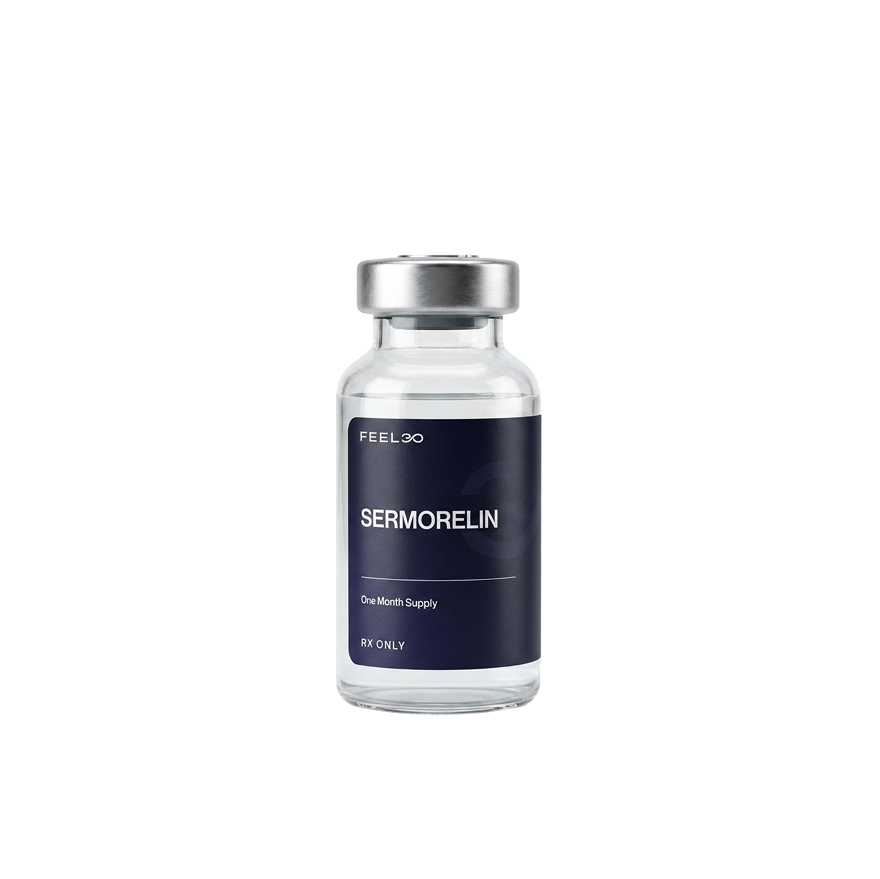
Shop NowSo, what is sermorelin? Sermorelin is actually a synthetic peptide. It mimics growth hormone–releasing hormone (GHRH), which is a naturally occurring hormone the body produces. It communicates with the pituitary gland, signaling it to produce and release GH. Because of this mechanism, sermorelin is often classified as a growth hormone secretagogue (Walker RF et al., 1986).
Sermorelin isn’t direct HGH replacement – it doesn’t provide human GH from an outside source, but encourages your body to generate its own through normal physiological pathways. For a closer look at the difference, see our sermorelin vs HGH comparison. Hormone–releasing hormone binds to GHRH receptors in the pituitary gland and, when it does this, it stimulates the release of growth hormone through the body's existing regulatory pathways (Gelato MC et al., 1985). It acts upstream at the level of the pituitary gland, which is different from direct growth hormone replacement.
If you undertake a comprehensive hormone-health evaluation, healthcare providers may discuss sermorelin in relation to outcomes such as:
These outcomes have been, and continue to be, areas of interest in growth hormone–related research. However, it’s important to be aware that individual responses vary, and the strength of the evidence differs depending on the patient population. Adults diagnosed with growth hormone deficiency provide the biggest evidence for growth hormone–related therapies. In terms of healthy older adults, the evidence is limited.
When it comes to available clinical data, most involves subcutaneous injections rather than oral formulations. Injectable sermorelin is typically administered as a subcutaneous injection, which is where the medication is delivered into the fatty tissue beneath the skin. These injections are usually given in the abdomen or thigh. We’ve written an article that explores where to inject sermorelin in more detail.
One advantage of injectable sermorelin is that it bypasses the digestive tract and enters the systemic circulation directly. The digestive enzymes and acid in our stomachs can degrade peptide medications, so avoiding the gastrointestinal tract may help preserve more of the active compound before it is absorbed.

One of the biggest reasons why healthcare providers recommend sermorelin injections is their effectiveness and predictability. The potential benefits of injectable sermorelin may include:
We’ve written an article on ‘Is Sermorelin Worth It’ if you’d like to learn more about its potential benefits.
Some patients dislike needles or feel uncomfortable performing self‑injections at home. Others may experience mild irritation at the injection site, such as redness, itching, or tenderness (Kamp GA et al., 2002).
More broadly, the possible systemic effects of GH‑axis stimulation include
You should only use sermorelin under medical supervision with appropriate monitoring (e.g., IGF‑1 levels, glucose/HbA1c, clinical assessment for side effects).
Fortunately, most patients find that the injection process becomes easier with experience. The evidence suggests that appropriately selected patients tolerate injectable sermorelin well, but individual responses and side effects can vary. Read our article on sermorelin side effects to find out more.
Patients who don’t like needles and would prefer an alternative may be interested in taking pill formulations of sermorelin instead. At first glance, taking a tablet may seem more convenient than administering an injection. However, just because the medication is available in oral form, this does not necessarily mean it provides the same absorption, systemic exposure, or clinical effects as an injectable formulation.
Depending on the provider, oral formulations may include sermorelin tablets or sublingual products that dissolve under the tongue. One of the main challenges with oral sermorelin is that sermorelin is a peptide, and peptides can be broken down by stomach acid and digestive enzymes before they are absorbed into the bloodstream.
In addition, peptides generally have difficulty crossing the intestinal lining and entering systemic circulation intact. As a result, the amount of active sermorelin that ultimately reaches the bloodstream may be limited when compared with injectable administration (Menzel & Schweniger, 1991; Lee HJ et al., 2000).
Another important consideration is the evidence base. While injectable sermorelin has been evaluated in clinical studies, there is currently limited published clinical evidence evaluating oral sermorelin products or demonstrating outcomes comparable to injectable formulations.
Sermorelin is a peptide made up of amino acids. When peptide-based compounds are taken orally, they may be exposed to stomach acid and digestive enzymes that can break them down before they are absorbed into the bloodstream. In addition, peptides often have difficulty crossing the intestinal lining intact, which can limit systemic absorption. These factors can make the effects of oral peptide formulations less predictable than formulations that bypass the digestive tract.
When you swallow a peptide medication, it enters your digestive system, where it encounters
These processes break down proteins and peptides. As a result, much of the active peptide in sermorelin tablets may be degraded before it reaches the bloodstream intact. This is a significant obstacle to oral bioavailability.
For any treatment to work effectively, enough of the active compound must reach its target tissues. However, lower absorption doesn’t automatically mean a treatment will be less effective. Clinical studies are needed to determine how differences in absorption translate into real-world outcomes.
This is one reason why injectable protocols remain the most studied route of administration. Moreover, high‑quality clinical trials demonstrating comparable efficacy of oral sermorelin versus injectable formulations are limited or absent.
Despite these limitations, oral sermorelin does offer some benefits.
These may include:
For some people, convenience can improve treatment adherence. However, convenience should always be weighed against the effectiveness and the strength of the clinical evidence when choosing between delivery methods.

When comparing sermorelin pills vs injections, several factors deserve consideration.
Injecting sermorelin delivers the active peptide directly into the body, bypassing degradation in the digestive tract.
Sermorelin tablets face several biological challenges that may limit the amount of active peptide reaching circulation. Robust clinical trial data supporting oral sermorelin formulations is limited.
Swallowing a tablet requires little preparation and fits easily into most daily routines. Injections require supplies, proper administration techniques, and ongoing consistency. That said, many patients find the process becomes second nature after the first few weeks.
Both options should be used under the supervision of a qualified healthcare provider. Potential adverse effects vary depending on the formulation and individual patient factors.
Injection‑related concerns may include
Systemic concerns across GH‑axis therapies may include
Oral sermorelin may present different absorption‑related considerations depending on the product used, and the safety profile of specific compounded oral products may not be as well characterized as injectable forms.
Costs vary depending on your dosage, treatment duration, and medical provider.
It’s important to evaluate

The right choice depends on your priorities, medical history, and the recommendations of your clinical team.
If convenience is your primary concern, oral formulations may seem appealing. However, there is limited clinical evidence evaluating oral sermorelin products, and absorption may be less predictable due to degradation within the digestive tract.
Injectable sermorelin bypasses the digestive system and may provide more predictable delivery of the active peptide. For this reason, injections remain the more commonly used administration method when sermorelin therapy is prescribed. However, the appropriateness of any delivery method depends on the individual patient, their treatment goals, and clinical circumstances. Differences in absorption or delivery method don’t automatically predict differences or better clinical outcomes. Treatment options should be evaluated based on the available evidence and individual response.
People interested in sermorelin therapy may discuss goals such as body composition, recovery, sleep quality, and overall hormone health with their healthcare provider. However, individual results vary, and evidence is strongest in patients with documented GH deficiency.
Responses to sermorelin therapy can vary considerably between individuals. Factors such as age, baseline hormone status, overall health, sleep quality, nutrition, and physical activity may influence treatment outcomes.
Some patients report subjective changes in areas such as sleep quality, recovery, and overall energy during the early stages of treatment. Growth hormone–releasing hormone signaling has been shown to influence sleep architecture and nocturnal hormone secretion (Steiger et al., 1992). However, individual experiences vary, and these observations should not be interpreted as guaranteed treatment outcomes.
Potential changes in body composition and physical function are generally expected to occur gradually, if they occur at all. Evidence supporting improvements in lean body mass and reductions in fat mass is strongest in adults with documented growth hormone deficiency receiving growth hormone–related therapies (Salomon et al., 1989; Bengtsson et al., 1993).
However, the extent to which these findings apply to otherwise healthy adults receiving sermorelin remains uncertain. In individuals without diagnosed growth hormone deficiency, available evidence is limited, and any changes may be modest.
Regular follow-up with a healthcare provider is important to assess treatment response, monitor for adverse effects, and determine whether therapy remains appropriate.
Long‑term outcomes vary depending on:
The extent to which these findings apply to otherwise healthy adults receiving sermorelin is uncertain. Regular monitoring with your healthcare provider helps ensure your treatment remains aligned with your goals. Because sermorelin is a prescription medication, professional supervision is important throughout the process.
If you're experiencing symptoms such as low energy, reduced libido, changes in body composition, erectile dysfunction, or concerns about hormone health, a comprehensive medical evaluation can help determine whether an underlying hormonal issue may be contributing.
At Feel30, licensed healthcare providers evaluate a range of men's health concerns and can discuss evidence-based treatment options when clinically appropriate. Depending on your symptoms, medical history, laboratory findings, and goals, your provider may discuss testosterone replacement and other therapies such as
Every treatment plan is individualized and based on a thorough review of your health history, symptoms, and diagnostic testing. Not every patient is a candidate for medication, and treatment recommendations vary from person to person.
In most cases, injections provide more reliable absorption because they bypass the digestive system and enter the systemic circulation directly. The evidence supporting injectable sermorelin is stronger, but direct comparisons of clinical effectiveness between oral and injectable formulations are limited.
Peptides face significant challenges within the digestive tract, including exposure to stomach acid and digestive enzymes that can break down active compounds. As a result, oral bioavailability is often lower than with injectable peptide therapies.
However, lower bioavailability doesn’t automatically mean a treatment is ineffective. The more important question is whether enough of the active compound is absorbed to produce meaningful clinical effects. At present, published clinical evidence evaluating oral sermorelin is limited, and large-scale studies comparing clinical outcomes between oral and injectable formulations are lacking.
No. Sermorelin stimulates your body’s natural GH production, while HGH therapy provides growth hormone directly.
The timeline for response depends on the outcome being evaluated. Some people report subjective changes within the first several weeks, while any potential changes in body composition would generally be expected to occur more gradually. Individual responses vary, and evidence supporting specific outcomes in otherwise healthy populations is limited. Factors such as sleep quality, nutrition, exercise habits, body composition, and overall health may also influence treatment response.
Growth hormone signaling plays a role in fat metabolism and body composition. However, evidence supporting clinically meaningful fat loss with sermorelin remains limited, particularly in otherwise healthy adults. The strongest evidence for body composition benefits from growth hormone–related therapies comes from patients with documented growth hormone deficiency (Salomon et al., 1989; Bengtsson et al., 1993).
Different formulations of sermorelin were previously approved by the FDA for diagnostic use and for pediatric growth hormone deficiency, but commercial production was discontinued in 2008, and no currently marketed FDA‑approved sermorelin product exists in the U.S.
Today, sermorelin is primarily available through compounding pharmacies under physician supervision. Patients should discuss the status of any prescribed formulation with their healthcare provider and understand that compounded products have different regulatory oversight than FDA‑approved drugs.
When comparing sermorelin pills and injections, one of the primary differences is how the medication is delivered and absorbed. Oral formulations offer convenience and avoid injections, while injectable formulations bypass digestive degradation and may provide more predictable delivery of the peptide. However, differences in absorption do not automatically translate into differences in clinical outcomes, and direct comparative evidence remains limited. More research is needed in this area.
If you’re interested in exploring medically supervised sermorelin therapy, a qualified health provider can help you understand your options and build a personalized treatment plan designed around your goals, with attention to symptoms, health history, laboratory findings, and treatment goals.
Bengtsson, B. Å., Edén, S., Lönn, L., Kvist, H., Stokland, A., Lindstedt, G., Bosaeus, I., Tolli, J., Sjöström, L., & Isaksson, O. G. P. (1993). Treatment of adults with growth hormone deficiency with recombinant human growth hormone. The Journal of Clinical Endocrinology & Metabolism, 76(2), 309–317.
Gelato, M. C., Merriam, G. R., Vance, M. L., Goldman, J. A., Webb, C. B., Eyster, M. E., & Evans, W. S. (1985). Effects of growth hormone-releasing hormone on growth hormone secretion in normal young men and women. The Journal of Clinical Endocrinology & Metabolism, 61(4), 696–701.
Kamp, G. A., Mul, D., Waelkens, J. J., Jansen, M., De Muinck Keizer-Schrama, S. M. P. F., & Drop, S. L. S. (2002). Long-term results of growth hormone-releasing hormone treatment in children with idiopathic growth hormone deficiency. Clinical Endocrinology, 56(3), 415–420.
Lee, H. J., & Pardridge, W. M. (2000). Monoclonal antibody delivery through the blood–brain barrier and gastrointestinal tract. Advanced Drug Delivery Reviews, 42(1–2), 65–86.
Menzel, U., & Schweniger, E. (1991). Oral peptide delivery: Intestinal absorption barriers and enzymatic degradation. Pharmaceutical Research, 8, 149–154.
Salomon, F., Cuneo, R. C., Hesp, R., & Sönksen, P. H. (1989). The effects of treatment with recombinant human growth hormone on body composition and metabolism in adults with growth hormone deficiency. The New England Journal of Medicine, 321(26), 1797–1803.
Steiger, A., Guldner, J., Hemmeter, U., Rothe, B., Wiedemann, K., Holsboer, F., & Benkert, O. (1992). Effects of growth hormone-releasing hormone on sleep EEG and nocturnal hormone secretion in male controls. Neuroendocrinology, 56(4), 566–573.
Walker, R. F., Ceda, G. P., Hoffman, A. R., Katz, M. S., Dallman, P. R., & Rosenfeld, R. G. (1986). Growth hormone-releasing factor stimulates growth hormone secretion in man. The Journal of Clinical Endocrinology & Metabolism, 62(6), 1216–1220.
Take the first step toward renewed energy and confidence with Feel30’s expert care.




4.9 out of 5 · 2,400+ reviews


Always Tired, Gaining Weight? Low T Was the Real Reason
Is Low T Hurting Your Relationship?
This gaming laptop is a powerhouse, equipped with the latest graphics card and a high-refresh-rate display.
Jane Smith
Feel30 has completely changed the game for me. I feel more energized, focused, and confident like I did years ago.
Emily Johnson
This smartphone offers an exceptional camera experience, with stunning low-light performance and vibrant colors.
John Doe
What are you waiting for?
Take the first step toward renewed energy and confidence with Feel30’s expert care.


Feel 30 again with physician-supervised treatment that restores the energy, confidence, and performance you remember. No hassle or hidden fees.