Stay informed with expert insights on testosterone therapy, men's health, and performance optimization.

You train consistently. You eat reasonably well. And still weight loss is more difficult than a decade ago.
For many men over 40, stubborn abdominal fat, slower recovery, lower energy, changes in body composition, and reduced muscle definition can become frustrating, especially when they’re putting in the effort. One possible factor is age-related declines in growth hormone (GH) production. This can affect metabolism, recovery, and lean muscle maintenance.¹
That’s why sermorelin has received attention in performance and longevity medicine. It's a synthetic peptide that stimulates your body to release GH rather than replacing it.
Sermorelin isn't an FDA-approved weight loss treatment for healthy adults, and current evidence for dramatic fat loss remains limited. Some patients may see small improvements in their physique. They may recover faster. They may also gain some muscle mass. This is more likely when treatment includes regular exercise, a balanced diet, enough sleep, and oversight from a medical professional.
Sermorelin is a synthetic peptide that mimics human growth hormone-releasing hormone (GHRH). It signals the pituitary gland to produce and release more growth hormone.
Unlike direct HGH injections, sermorelin triggers a natural biological process instead of replacing HGH.
Sermorelin works with the body’s existing hormonal pathways and may reduce the risk of unnaturally elevated HGH levels.²
Human growth hormone influences different processes associated with physical performance and metabolism, including:
As GH levels decrease with age, some men notice changes, such as:
Poor sleep can reduce GH production. That is one reason many men explore hormone optimization in their 30s, 40s, and 50s.
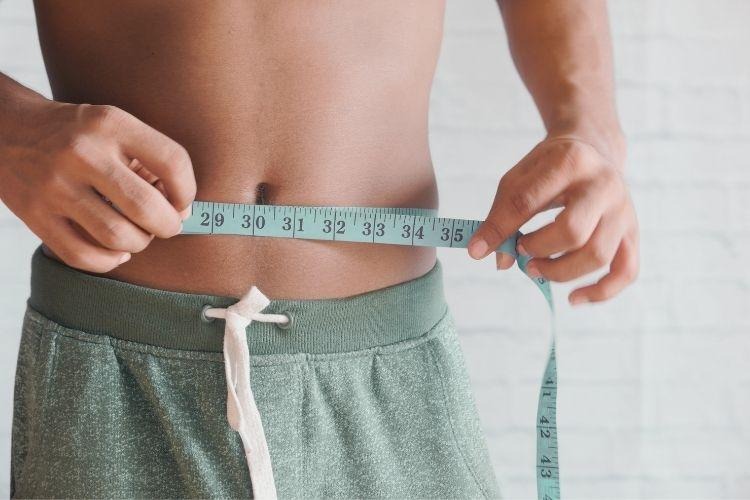
Sermorelin therapy may help if you're trying to lose weight or support long-term weight loss goals, but probably not in the way you may expect.
Unlike GLP-1 medications, sermorelin hasn't demonstrated large or consistent weight loss outcomes in high-quality clinical trials. Most men who respond well to treatment report gradual improvements in body recomposition.
Some small studies and clinical reports suggest sermorelin may modestly support:
However, there's limited evidence for healthy aging adults using sermorelin for improved body composition or anti-aging purposes.
Results from sermorelin therapy can vary depending on:
Men who get good results often combine sermorelin therapy with resistance training to support muscle development and preserve lean muscle mass during weight loss.
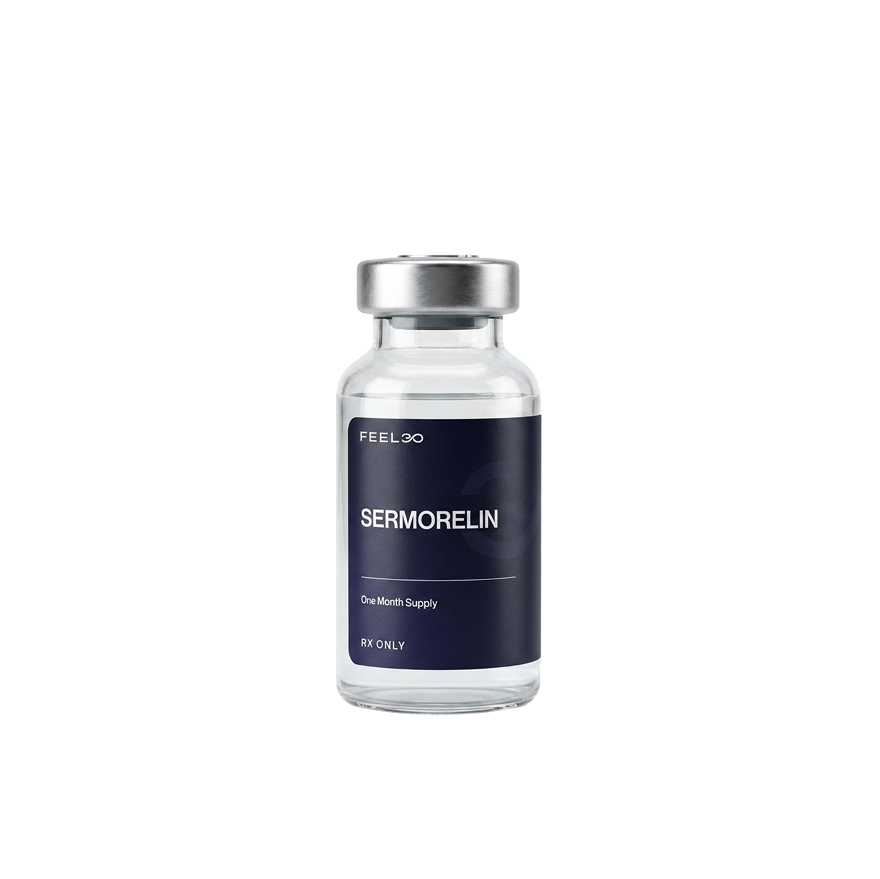
Helps support lean muscle and fat metabolism
Shop NowMost men don't experience rapid fat loss from sermorelin alone. The changes are typically more gradual and performance-focused. Nutrition, regular exercise, and consistent lifestyle habits remain the primary drivers of weight loss and body composition changes.
Some patients report:

Sermorelin and GLP-1 medications work very differently.
GLP-1 medications support weight loss through appetite suppression and slower gastric emptying. They are supported by strong clinical evidence. The evidence shows that many people with obesity or type 2 diabetes lose a lot of weight.
Sermorelin focuses more on:
Sermorelin tends to appeal more to men focused on recovery, conditioning, and hormone optimization rather than those on a weight loss journey.

Even though the evidence is limited, sermorelin may help in ways that can improve your daily routine.
Growth hormone supports tissue repair and recovery after exercise. Some men report easier recovery between workouts and improved ability to maintain lean muscle while dieting or training intensely.
This can become increasingly important during calorie restriction, where muscle loss becomes more likely and maintaining muscle mass becomes more difficult.
Some men using sermorelin report better sleep, focus, and improved energy levels.
Sleep-related changes may appear earlier because healthy sleep patterns support growth hormone production and recovery.⁴ However, these improvements are subjective, and evidence specific to sermorelin remains limited.
Low testosterone symptoms and declining growth hormone production can happen at the same time. Because of this, some men explore TRT at home alongside sermorelin under medical supervision as part of a broader hormone optimization plan. These two therapies work on different hormone pathways, so it's worth understanding sermorelin vs testosterone before deciding whether one or both fit your goals.
In certain cases, this combination may support:
Some men may also explore alternatives to oral TRT and injectable testoaterone, such as enclomiphene. Enclomiphene supports natural testosterone production instead of replacing testosterone. This may appeal to men who want hormone support while maintaining fertility.
Because hormone therapy affects multiple systems in the body, treatment should always be guided by lab testing, symptoms, health history, and long-term goals under the supervision of a qualified healthcare professional.
Sermorelin is generally considered well-tolerated when you take as prescribed and continue to have medical supervision.
Most of sermorelin’s side effects are mild and temporary.
These can include:
Some men also report mild fatigue during the adjustment period.
Research on sermorelin’s long-term side effects remains limited.
Potential concerns and health risks may include:
Men with blood sugar concerns or metabolic conditions should work closely with a medical professional before starting treatment.
Because the GH/IGF-1 axis affects how cells grow and how the body uses energy. Many doctors avoid GH-boosting treatments for patients with active cancer or pituitary tumors. They may use these treatments only if their specialist approves.
Healthcare providers may monitor:
IGF-1 is generally considered more useful than random HGH testing because growth hormone secretion fluctuates throughout the day.
Sermorelin may not be appropriate for everyone.
People who should use caution or avoid treatment include those with:
A qualified healthcare provider should always review your medical history and current medications before you start sermorelin peptide therapy.
Sermorelin is a prescription medication, not a casual wellness trend.
Dosing is individualized and typically adjusted based on symptoms, tolerability, and IGF-1 response. Make sure you get sermorelin from a reputable source because compounded peptide quality can vary between pharmacies.
It's also important to understand that sermorelin isn’t currently available as an FDA-approved medication. The original FDA-approved sermorelin product was discontinued, so most patients who use sermorelin today receive it through a compounding pharmacy.
Compounding pharmacies create customized medications for individual patients based on a healthcare provider's prescription. However, compounded medications aren’t FDA-approved. This means they haven’t undergone the same FDA review process for safety, effectiveness, and manufacturing consistency as approved drugs.
Because compounded peptide quality can vary between pharmacies, patients should only obtain sermorelin from reputable compounding pharmacies and work closely with qualified healthcare professionals throughout treatment.
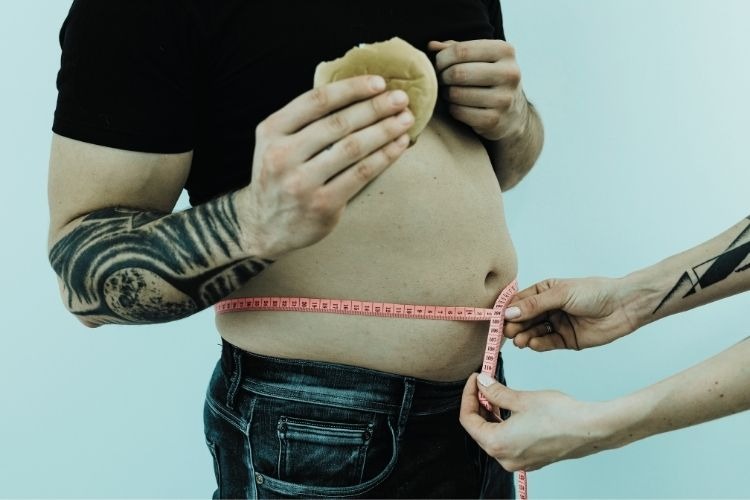
Sermorelin isn’t the right fit for everyone.
The best candidates are often men who:
Sermorelin shouldn’t be considered a substitute for healthy nutrition, regular exercise, adequate sleep, or other evidence-based approaches to long-term health and weight management.
Individual responses to sermorelin can differ significantly based on factors such as age, overall health, sleep quality, nutrition, exercise habits, and underlying hormone status.
Some people report noticing changes within the first few weeks, while others may not perceive meaningful changes for several months. Long-term progress still depends heavily on training, sleep, nutrition, and consistency.
Some clinicians may track body composition with DEXA scans, bioimpedance tests, strength measures, and metabolic labs. They do this instead of using body weight alone. DEXA (dual-energy X-ray absorptiometry) scan is an imaging test that measures body fat percentage, lean muscle mass, and bone density. Because it can show changes in fat and muscle separately, it may provide a more accurate picture of progress than the number on a scale.
Some men combine testosterone replacement therapy, such as testosterone cypionate, with sermorelin under physician supervision as part of a broader hormone optimization plan.
Sermorelin may support fat metabolism and body recomposition, especially when combined with regular exercise and proper nutrition.
Sermorelin was previously available as an FDA-approved prescription medication for the evaluation and treatment of children with growth hormone deficiency. However, the FDA-approved product is no longer commercially available.
Today, sermorelin is most commonly obtained through compounding pharmacies. These compounded formulations are not FDA-approved. This means they have’t undergone FDA review for safety, effectiveness, or quality in the same manner as FDA-approved medications.
Healthcare providers may prescribe compounded medications when they determine they are appropriate for an individual patient. Patients should discuss the potential risks, benefits, and alternatives with their healthcare provider before starting treatment.
It may help support lean muscle maintenance and exercise recovery, especially alongside resistance training.
Common side effects include injection-site reactions, headaches, mild dizziness, increased hunger, and temporary fluid retention.
They work differently. Sermorelin stimulates your body’s own growth hormone production, while HGH therapy directly replaces growth hormone.
Sermorelin is typically administered through subcutaneous injections. There are also oral alternatives for people who don’t want to use needles.
No. Sermorelin works best alongside healthy lifestyle habits, including strength training, quality sleep, and proper nutrition.
Sermorelin isn't a shortcut to rapid weight loss, muscle growth, or dramatic body composition changes, but it may support gradual improvements in recovery, conditioning, muscle retention, and overall physique for the right candidate.
To stay at peak performance, your focus should extend beyond losing weight. If you want to maintain strength, recover well, preserving muscle, and continue, to feel physically sharp with age, sermorelin could provide that support.
Still, long-term success depends heavily on consistent training, nutrition, sleep, and physician-guided care. If you’re considering hormone optimization, the best approach starts with personalized medical guidance.
Feel30 provides discreet, physician-led treatment plans designed around your labs, lifestyle, and long-term performance goals.
Take the first step toward renewed energy and confidence with Feel30’s expert care.




4.9 out of 5 · 2,400+ reviews


Always Tired, Gaining Weight? Low T Was the Real Reason
Is Low T Hurting Your Relationship?
This gaming laptop is a powerhouse, equipped with the latest graphics card and a high-refresh-rate display.
Jane Smith
Feel30 has completely changed the game for me. I feel more energized, focused, and confident like I did years ago.
Emily Johnson
This smartphone offers an exceptional camera experience, with stunning low-light performance and vibrant colors.
John Doe
What are you waiting for?
Take the first step toward renewed energy and confidence with Feel30’s expert care.


Feel 30 again with physician-supervised treatment that restores the energy, confidence, and performance you remember. No hassle or hidden fees.