Stay informed with expert insights on testosterone therapy, men's health, and performance optimization.
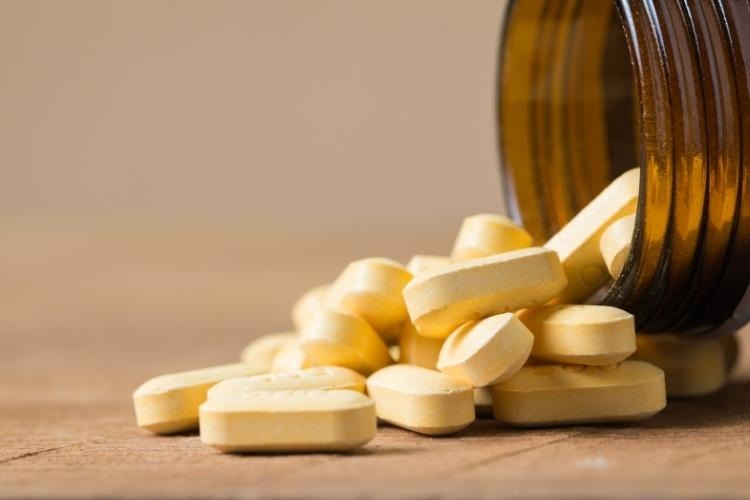
Some studies show muscle mass decreases with age, with losses often beginning around age 30; and after 60, the decline accelerates (Guarneiri et al., 2025). As a result, men are often on the lookout for something to slow the process, and they turn to vitamins, but the truth is, there's no single vitamin that can stop age-related muscle loss. In one study of adults over 50, vitamin D deficiency was associated with a greater risk of developing age-related muscle weakness over four years, but the study did not prove that taking vitamin D prevents muscle loss or weakness (Delinocente et al., 2022).
Current evidence indicates a combination of factors is most helpful in resisting muscle loss, rather than one pill. Testosterone helps support muscle mass, and age-related changes in testosterone may contribute to muscle loss alongside other factors such as physical activity, nutrition, and overall health. But before you start shopping for supplements, it's a good idea to consider what the evidence shows as well as when you should check in with a healthcare provider.

[Photo by Getty Images, Canva].
Age-related muscle loss is called sarcopenia, and it's defined as the progressive loss of muscle strength, function, and mass (Cruz-Jentoft et al., 2019). Notably, muscle loss isn't only about the size of your muscles; you can lose strength quicker than you lose mass, which is why your grip can get weaker and climbing the stairs can feel harder before you even notice any physical changes.
The pace also matters. After the age of about 60, muscle mass declines by approximately 1% a year, and strength decreases at around 3% a year (Guarneiri et al., 2025). This is why sarcopenia is associated with an increased risk of fractures, falls, and loss of independence later in life (Cruz-Jentoft et al., 2019).
Several factors can contribute to sarcopenia simultaneously, such as inflammation, aging cells, decreased physical activity, changing hormones, and a lack of dietary protein.
Why No Single Vitamin Prevents Muscle Loss
When research teams combined 10 randomized trials of vitamin D supplementation alone, they noted no improvement in sarcopenia in older adults, and it even lowered some physical performance scores (Prokopidis et al., 2022).
That doesn't mean vitamins are useless; it means they should be used to support muscle health, not as a cure. The reality is, no supplement can counteract a low-protein diet and inactivity.
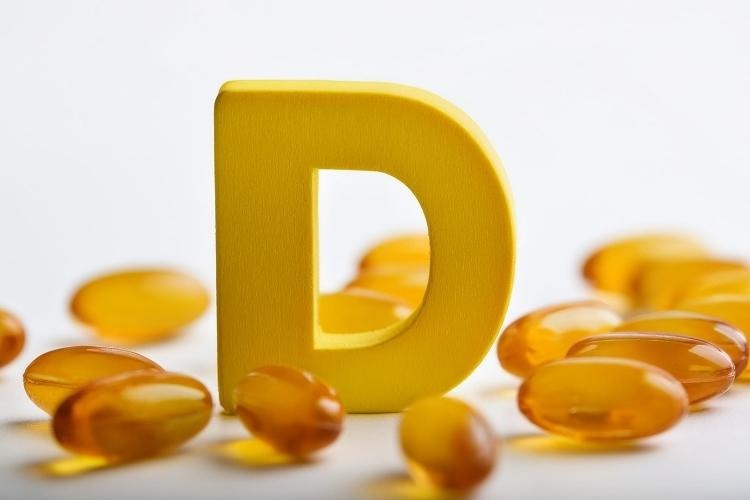
[Photo by Hardvicore, Canva].
Vitamin D is the most talked-about supplement for good reason; it's needed for the growth of muscle fibers and normal development, and a deficiency can result in weak, aching muscles, which is called myopathy (National Institutes of Health, 2024). Low vitamin D is also associated with balance issues and a greater risk of falls in older adults, so it plays an important role in muscle health, although that doesn't mean it's a cure for muscle loss (National Institutes of Health, 2024).
Trials of vitamin D supplementation in people without a deficiency have been inconsistent, and according to the National Institutes of Health (2024), it doesn't reliably reduce falls for people with normal vitamin D levels. A deficiency is normally defined as a blood level below 20 nanograms per milliliter, but it's always advisable to check your levels with a healthcare provider (National Institutes of Health, 2024).
Age-related muscle loss responds best to a mix of resistance exercise and sufficient protein because together they can slow and possibly partially reverse sarcopenia (Groenendijk et al., 2024). If your goal is to build muscle after 60, combining progressive resistance training with adequate protein and recovery is a more practical approach than relying on supplements alone.
A structured exercise program for men over 50 can help turn these recommendations into a sustainable routine that combines strength training, cardio, mobility, and recovery.
There are two supplements that also come up frequently in connection with muscle retention: creatine and omega-3 fatty acids, although neither is a quick fix. And because supplements aren't evaluated by the FDA in the same way medications are, the evidence states that they may help with, but not fix, muscle loss.
Your body already makes and stores creatine in your muscles. When supplemented and paired with resistance training, it has produced modest improvements in lower-body strength and mass in older adults in randomized trials (Liu et al., 2025). If taken on its own, without training, it's been shown to be less effective.
The omega-3 fatty acids from fish oil have had more variable effects. A 2024 study concluded that DHA and EPA, two omega-3 fatty acids, may offer mild benefits for muscle strength in older adults, but showed less consistent results for muscle size (Tomczyk, 2024).
For men, testosterone helps maintain muscle, so when it's clinically low, strength and muscle mass can decline. In pooled trials of older men with low or low-to-normal testosterone, testosterone replacement therapy (TRT) showed a modest improvement in muscle strength, and testosterone injections had the strongest effect (Lee et al., 2023). This doesn't mean that testosterone is a shortcut to building muscle strength or that injectables are the best option. This study did not directly compare testosterone formulations under the same conditions (the best way to get accurate comparisons) or account for all differences in participants, doses, and treatment protocols across the included trials.
Low testosterone is one potential contributor to muscle loss that can be evaluated with testing. If you're experiencing muscle loss along with low drive, fatigue, and poor recovery, it's important to speak to a provider.
For more information, read our guide: Understanding Low Testosterone Symptoms
Everyday healthy habits help you improve muscle mass too, and if you're interested in how to raise testosterone, there are natural ways that may support healthy testosterone levels, such as good sleep, proper nutrition, and exercise.

Taking a guess about why you're losing muscle mass is, firstly, a waste of money if you're going to be taking supplements and, secondly, can potentially overlook an underlying health condition. So the first step is always to speak to a healthcare provider. Depending on your symptoms, medical history, and other factors, they may recommend blood tests, including vitamin D or testosterone testing, to help identify potential contributors.
Feel30 conveniently offers an at-home testosterone test that a provider can review and determine whether you have a treatable deficiency, low hormones, or are simply experiencing symptoms of normal aging.
More isn't necessarily better, and supplements aren't all risk-free. Taking excessive amounts of vitamin D can lead to elevated vitamin D and/or calcium levels and other health problems, so it's always best to check with a provider before increasing your dose or starting a supplement (National Institutes of Health, 2024).
You should be especially cautious with supplements if:
Note: Supplements aren't a substitute for evaluating or treating unexplained symptoms or an underlying hormone disorder. If you have clinically low testosterone, a proper evaluation is needed. At Feel30, we offer TRT at home, including baseline testing, ongoing bloodwork, and a treatment plan a provider adjusts based on how your body responds.
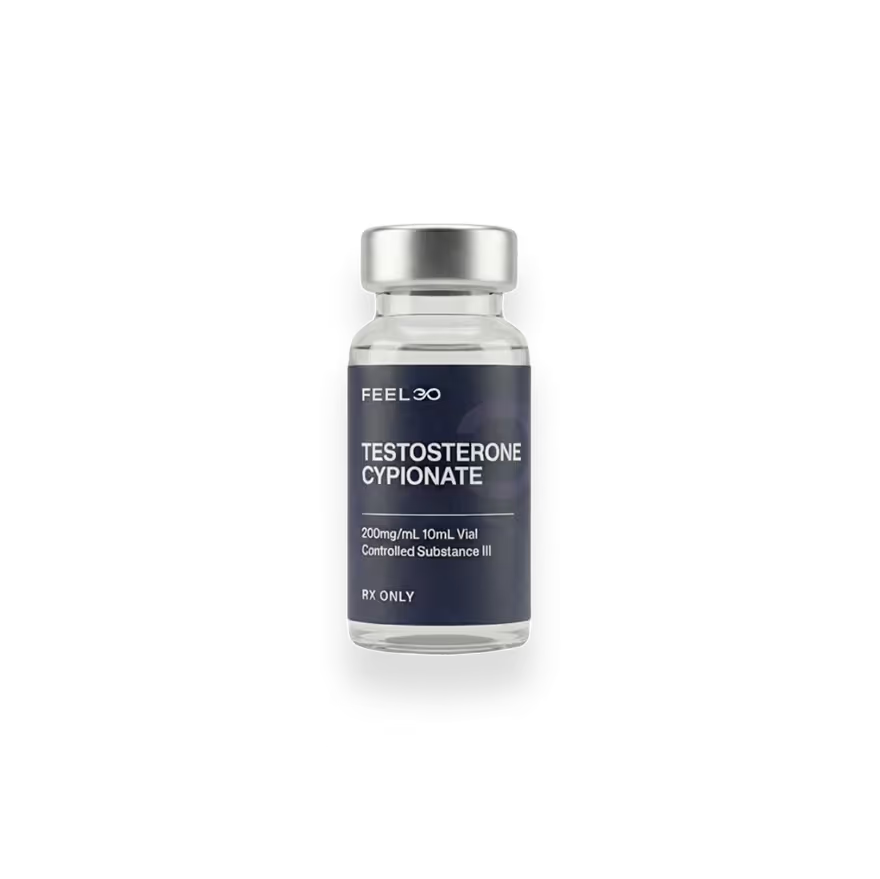
Supports energy, focus, sexual health, and overall wellbeing
Shop NowProtein is more important for building and maintaining muscle, and vitamin D is primarily important if you're deficient (Kirwan et al., 2022; Stockton et al., 2011). Getting adequate protein, paired with resistance training, is proven to help maintain muscle with age (Groenendijk et al., 2024).
As mentioned above, no single vitamin can stimulate muscle growth like resistance training or protein, and we've already covered the benefits of vitamin D. However, certain vitamins play important roles in normal muscle function, and deficiencies may contribute to weakness or poorer physical performance. :
No magic drink can replace hard work, but certain drinks can make it easier to meet your protein and hydration needs and may support muscle recovery and growth. For example:
Answering the question regarding what vitamin stops age-related muscle loss is simple; the answer is that there isn't one super vitamin that solves the problem, and a supplement that claims otherwise is overpromising.
Vitamin D supplements do have a genuine muscle connection, and resolving a real deficiency may help support muscle function; however, it works alongside other factors, like high-quality protein and resistance exercises. Non-vitamin supplements, like creatine, may help when paired with exercise, while low testosterone requires a targeted clinical approach.
In effect, the smartest first step if you're concerned about maintaining muscle health isn't a supplement; it's scheduling a blood test and consultation with a provider. A healthcare provider can help determine whether testing is appropriate and whether an underlying medical condition or nutrient deficiency could be contributing.
Take the first step toward renewed energy and confidence with Feel30’s expert care.




4.9 out of 5 · 2,400+ reviews


Always Tired, Gaining Weight? Low T Was the Real Reason
Is Low T Hurting Your Relationship?
This gaming laptop is a powerhouse, equipped with the latest graphics card and a high-refresh-rate display.
Jane Smith
Feel30 has completely changed the game for me. I feel more energized, focused, and confident like I did years ago.
Emily Johnson
This smartphone offers an exceptional camera experience, with stunning low-light performance and vibrant colors.
John Doe
What are you waiting for?
Take the first step toward renewed energy and confidence with Feel30’s expert care.


Feel 30 again with physician-supervised treatment that restores the energy, confidence, and performance you remember. No hassle or hidden fees.