Stay informed with expert insights on testosterone therapy, men's health, and performance optimization.

If you're trying to build muscle, combining resistance training with proper nutrition, including adequate protein intake) is a well-established way to increase muscle mass and strength (Kuśmierska & Kuśmierski, 2024). However, certain supplements like creatine have strong evidence that they can modestly enhance the muscle gains you get from resistance training (Burke et al., 2023).
This guide covers the most researched supplements for muscle growth so you can see what's well supported and what may not live up to its claims. The article also discusses some supplements that may help you get more out of your training rather than directly build muscle.
Creatine monohydrate has extensive scientific evidence showing it can help people gain muscle and increase lean body mass; studies also support its safety in healthy people (Kreider et al., 2017). Moreover, it increases capacity for high-intensity exercise and helps to regenerate energy for muscle contractions, so you can perform more work during resistance training. Greater training capacity can support muscle growth and increased strength over time. Creatine also contributes to improved recovery and training tolerance, so you can maintain the quality of your workouts as it progresses (Kreider et al., 2017).
Research also shows that creatine supplementation with resistance training promotes a small increase in muscle size in both the upper and lower body (Burke et al., 2023).
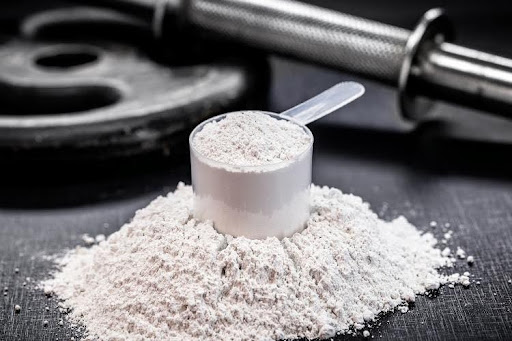
Protein powder can help you reach your daily protein target. Why is this important? To build and maintain muscle mass, most people who exercise can benefit from about 1.4-2.0 g of protein per kg of body weight daily (g/kg/day) (Jäger et al., 2022). You can meet your daily protein target with whole foods like chicken, eggs, dairy, fish, and beans. However, protein powder can be a convenient way to add protein to your diet when meeting your needs through food alone is difficult.
Whether you get protein from whole foods or supplements, quality matters. Proteins that contain high proportions of essential amino acids (EAAs) and adequate leucine, such as whey protein, can effectively stimulate Muscle Protein Synthesis (MPS), which is the process your body uses to build new proteins. Muscle growth occurs when muscle protein synthesis exceeds muscle protein breakdown over time, alongside appropriate resistance training and nutrition (Lim et al., 2022).

Branched-chain amino acid supplements (including leucine, isoleucine, and valine) are marketed for muscle growth; however, an extensive review of the literature concludes the evidence is mixed. While BCAAs, particularly leucine, can stimulate MPS, research suggests that their effect is not as strong as that of a complete protein source containing all of the essential amino acids. Hence, BCAA supplements may provide little additional benefit for people who already consume adequate amounts of high-quality protein (Kaspy et al., 2024). Complete protein sources such as dairy, eggs, meats, fish, or appropriately formulated plant proteins provide all of the essential amino acids needed to support MPS.
Furthermore, recent research has found inconsistent effects of BCAA supplements on muscle growth, strength, and body composition. A 2025 systematic review found limited and inconsistent evidence for improvements in body composition and exercise performance, although BCAAs may reduce muscle soreness after exercise (Julea & Saleh, 2025).
HMB is a compound made from the amino acid leucine. Some studies suggest HMB may help preserve or increase muscle mass in certain people, particularly older adults or those at risk of muscle loss (Li et al., 2025). However, recent research has produced mixed results, and it appears to offer limited additional benefit for people who are already able to participate in regular resistance training (Wang et al., 2026).

Some supplements used for muscle building have limited evidence showing they increase muscle size, but they may improve certain aspects of exercise performance, such as strength, power, and endurance.
Caffeine does not build muscle directly, but it can improve your performance during resistance training. Some studies show that it can enhance various aspects of exercise performance and improve muscle endurance and strength, although the benefits vary between individuals (Guest et al., 2021). Another study shows small but significant improvements in both muscle strength and muscular endurance following caffeine supplementation (Bilondi et al., 2024). In practical terms, better muscular endurance may allow you to complete more repetitions or delay fatigue during a training session.
One study found that five weeks of beta-alanine supplementation helped participants complete more training work and produced greater maximal squat strength than training with a placebo (Maté-Muñoz et al., 2018). However, it doesn't establish that beta-alanine increases muscle growth. More recent research suggests that beta-alanine may help improve performance during certain types of short, high-intensity exercise. The effects varied depending on the type and duration of exercise, and some studies found no significant benefit (Georgiou et al., 2024). Beta-alanine may be helpful for certain high-intensity activities, but there isn’t any strong evidence that it directly increases muscle growth.
Supports energy, focus, sexual health, and overall wellbeing
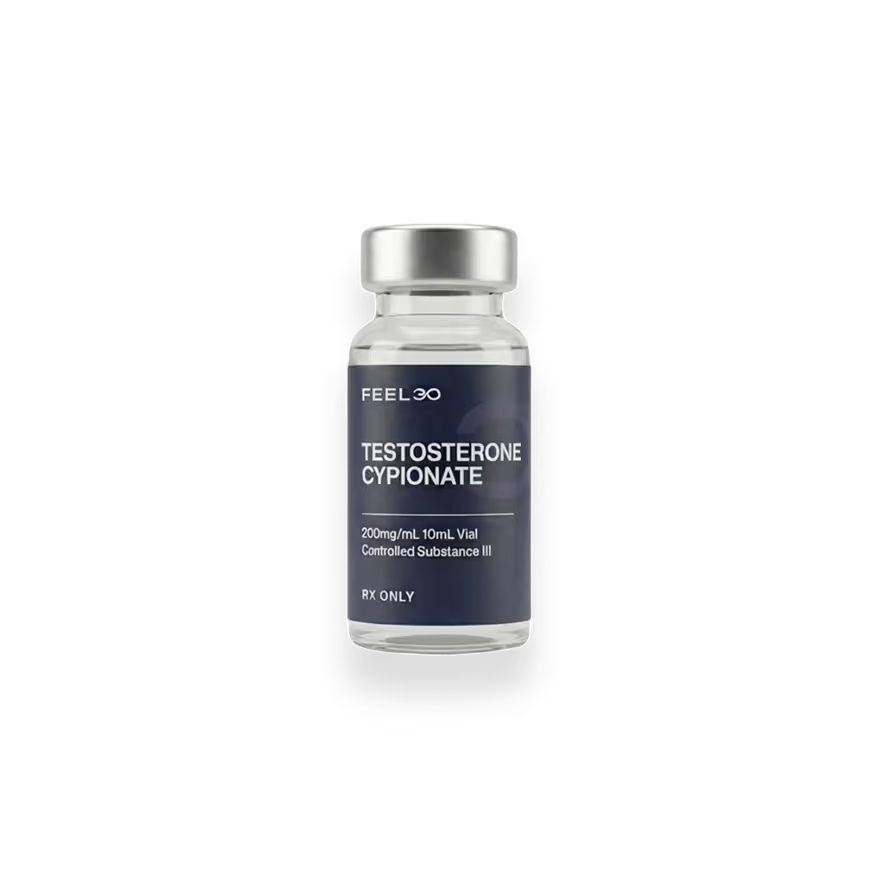
Shop NowTestosterone plays an important role in maintaining muscle mass and strength. In men with confirmed low testosterone, testosterone replacement therapy (TRT) can increase lean body mass and may improve muscle strength (de Velasco et al., 2026). Compared with placebo, 3 years of testosterone replacement in older men with low to low-normal blood testosterone levels led to modest but significant improvements in stair-climbing power, muscle mass, and power (Storer et al., 2017). Another large study found that testosterone levels are positively associated with muscle mass but not muscle strength in young to middle-aged males (Zhang et al., 2025). Interestingly, regular exercise may also support healthy testosterone levels.
But what about testosterone boosters? Testosterone boosters are different from prescription TRT and contain ingredients marketed to increase testosterone, although the evidence for their effectiveness varies. Research suggests that testosterone booster products from trusted sources may still present some health risks, and one cannot be completely confident in their quality and efficacy (Almaiman, 2018). A 2023 systematic review found that most testosterone-boosting supplements did not consistently increase testosterone levels (Morgado et al., 2024). If you suspect that you're having symptoms of low testosterone, see your healthcare provider, who can help you decide whether testing is appropriate with an in-office or an at-home testosterone test.
Testosterone therapy should always be guided by a provider with proper testing and monitoring. At Feel30, we provide provider-monitored TRT at home, with baseline bloodwork and ongoing follow-up.
Learn about lifestyle changes that may support healthy testosterone levels.
Dietary supplements are regulated differently from prescription medications. The United States Food and Drug Administration (FDA) does not approve dietary supplements for safety or effectiveness before they are marketed (FDA, 2026). Instead, manufacturers are responsible for ensuring their products are safe and meet the labeling requirements. However, these habits can keep you safe:
According to the International Society of Sports Nutrition (ISSN), creatine monohydrate is the most extensively studied nutritional supplement available to athletes to increase high-intensity exercise capacity and muscle mass during training. Several studies indicate that creatine supplementation increases body mass and/or muscle mass during training (Kreider et al., 2017). However, supplements may vary in the outcomes they affect.
Yes, you can. Resistance training with adequate protein intake is an evidence-based way to increase muscle mass and strength (Kuśmierska & Kuśmierski, 2024). However, supplements like creatine may enhance your gains.
This depends on the supplement you're taking and the outcome you expect. For example, research on creatine combined with resistance training has found small additional increases in muscle size in studies lasting at least six weeks (Burke et al., 2023). Caffeine works differently. It may improve certain aspects of exercise performance soon after you take it but this does not mean it directly increases muscle growth (Bilondi et al., 2024).
The best supplements for muscle growth, like creatine and protein powder, have evidence backing up their efficacy. However, they don't replace the basics, including resistance training, adequate protein, and recovery. Some supplements, like caffeine and beta-alanine, can improve certain aspects of exercise performance, but there is limited evidence they directly increase muscle growth. Discuss with your healthcare provider before you start any supplement, especially if you're on medication.
Take the first step toward renewed energy and confidence with Feel30’s expert care.




4.9 out of 5 · 2,400+ reviews


Always Tired, Gaining Weight? Low T Was the Real Reason
Is Low T Hurting Your Relationship?
This gaming laptop is a powerhouse, equipped with the latest graphics card and a high-refresh-rate display.
Jane Smith
Feel30 has completely changed the game for me. I feel more energized, focused, and confident like I did years ago.
Emily Johnson
This smartphone offers an exceptional camera experience, with stunning low-light performance and vibrant colors.
John Doe
What are you waiting for?
Take the first step toward renewed energy and confidence with Feel30’s expert care.


Feel 30 again with physician-supervised treatment that restores the energy, confidence, and performance you remember. No hassle or hidden fees.